
Introduction
Finding animal names that start with the letter Y can be surprisingly difficult. Unlike letters such as C, S, or T, there are fewer familiar animal names beginning with Y. However, once names containing the word “yellow” are included, the list becomes much more interesting. You can find mammals, birds, reptiles, fish, insects, crustaceans, and deep sea animals among them.
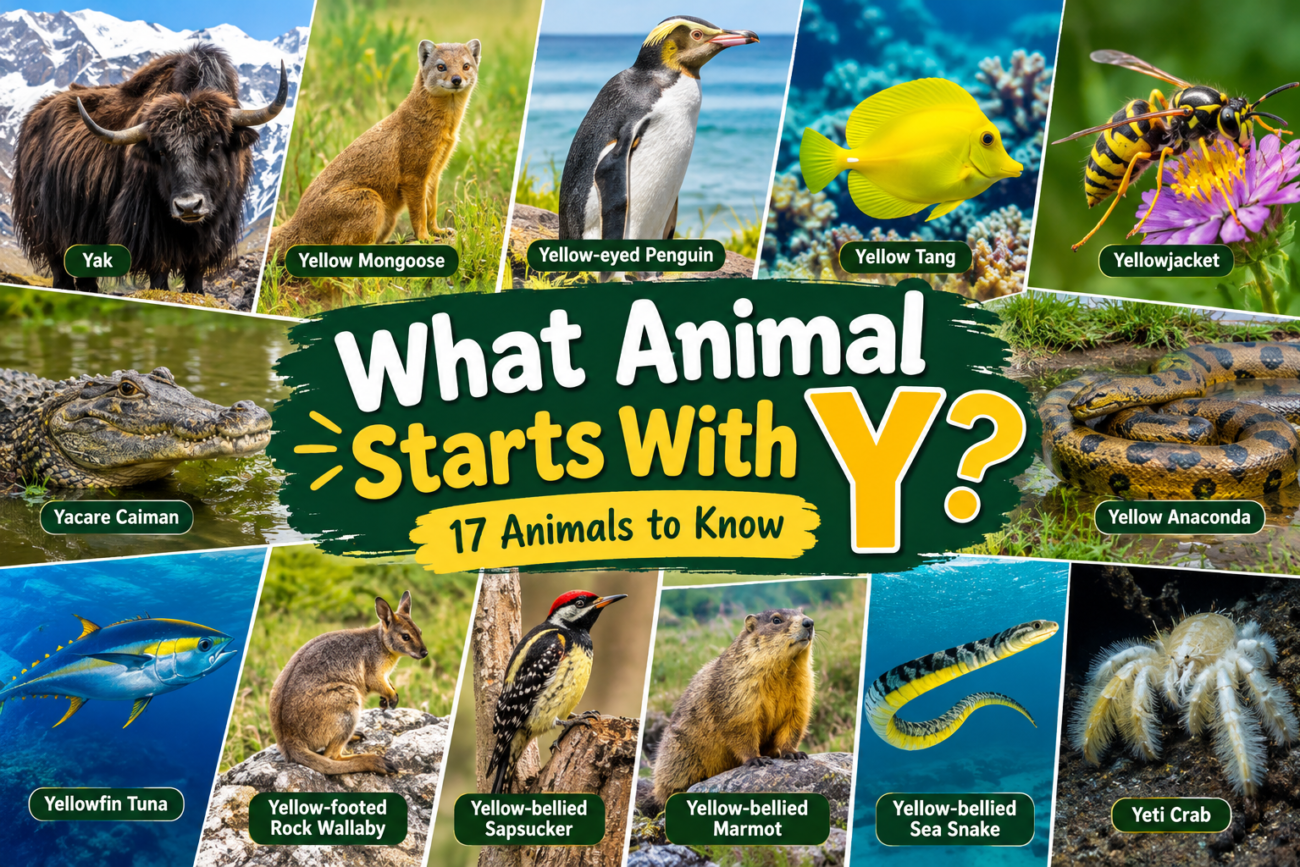
So, what animal starts with Y? Some of the best known examples include the Yak, Yabby, Yapok, Yacare Caiman, Yellow Mongoose, Yellow eyed Penguin, Yellowhammer, Yellowfin Tuna, Yellow Tang, Yellowjacket, and Yeti Crab. These animals live in very different environments, from Himalayan mountains and African grasslands to tropical oceans and deep sea vents.
In this guide, we explore 17 interesting animals that start with Y, including their scientific names, habitats, diets, behaviors, adaptations, and conservation information.
Quick Answer: What Animal Starts With Y?
Several animals start with the letter Y, including the Yak, Yabby, Yapok, Yacare Caiman, Yellow Mongoose, Yellow bellied Marmot, Yellow footed Rock Wallaby, Yellow throated Marten, Yellow eyed Penguin, Yellowhammer, Yellow bellied Sapsucker, Yellow bellied Sea Snake, Yellow Anaconda, Yellowfin Tuna, Yellow Tang, Yellowjacket, and Yeti Crab. Many Y animal names begin with “yellow,” while others, such as yak and yabby, start directly with Y. These animals belong to many different groups and live in habitats ranging from mountains and forests to oceans and freshwater wetlands.
1. Yak
Scientific Name: Bos grunniens (domestic yak); Bos mutus (wild yak)
Class: Mammal
Diet: Herbivore
Habitat: High altitude grasslands, plateaus, and mountain regions
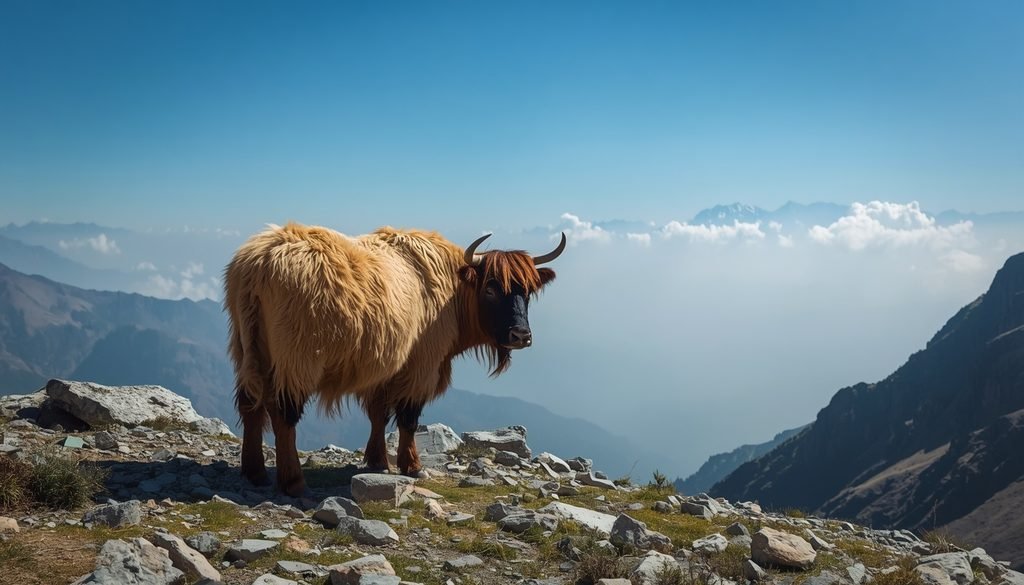
The yak is one of the most recognizable animals that starts with Y. Wild yaks are native to high altitude regions of Central Asia, especially around the Tibetan Plateau. Their thick coats, large lungs, and strong bodies help them survive cold, windy environments where oxygen levels are relatively low.
Yaks mainly eat grasses, sedges, herbs, and other low growing vegetation. Their long hair provides insulation against freezing temperatures, while their compact body and sturdy legs help them move across difficult mountain terrain.
Domestic yaks are important to many mountain communities because they provide milk, meat, fiber, and transportation. Wild yaks face pressures from habitat changes and interactions with livestock.
Interesting fact: Yaks are exceptionally well adapted to life at high elevations.
2. Yabby
Scientific Name: Cherax destructor
Class: Crustacean
Diet: Omnivore
Habitat: Freshwater streams, ponds, wetlands, and reservoirs
The yabby is a freshwater crayfish native to Australia and is one of the most distinctive animals beginning with Y. It spends much of its life in freshwater environments and can survive periods when water conditions become difficult.
Yabbies feed on a mixture of plant material, algae, small animals, and organic matter. They use their claws to handle food and defend themselves. Their ability to burrow is particularly useful when water levels fall or temperatures become unfavorable.
The name “yabby” can also be used for other Australian freshwater crayfish, so the exact animal intended by the name can depend on the region.
Interesting fact: Yabbies can survive in habitats that experience periods of drying by using burrows and moist refuges.
3. Yapok
Scientific Name: Chironectes minimus
Class: Mammal
Diet: Mainly carnivorous
Habitat: Freshwater streams, rivers, and tropical forests
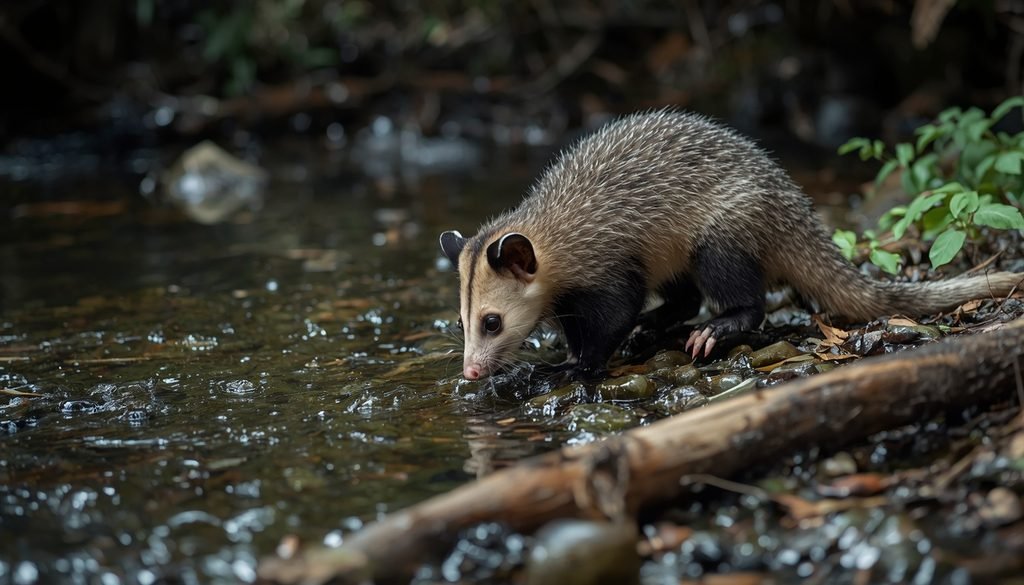
The yapok, also called the water opossum, is a remarkable semi aquatic marsupial found in Central and South America. It lives close to freshwater and is unusually well adapted to swimming.
Its hind feet are webbed, helping it move through water, while its water resistant fur provides additional protection. The animal feeds on aquatic prey such as crustaceans, fish, frogs, and insects. It is mainly active at night.
One of the yapok’s most unusual features is its pouch. Females can seal the pouch while swimming, helping protect their young from water. The species is currently classified as Least Concern, although habitat degradation and water pollution can affect local populations.
Interesting fact: The yapok is the only living marsupial specially adapted for an aquatic lifestyle.
4. Yacare Caiman
Scientific Name: Caiman yacare
Class: Reptile
Diet: Carnivore
Habitat: Rivers, marshes, swamps, and wetlands
The Yacare Caiman is a medium sized crocodilian native to parts of central South America. It is strongly associated with freshwater wetlands, including areas of the Pantanal.
Its powerful jaws allow it to capture fish and other aquatic or terrestrial prey. Young caimans generally eat smaller animals such as insects and other small aquatic creatures, while adults can take larger prey.
The species spends considerable time in water and uses its eyes and nostrils positioned high on the head to remain partly submerged while watching its surroundings.
Interesting fact: The Yacare Caiman is especially well associated with the vast wetlands of South America.
5. Yellow Mongoose
Scientific Name: Cynictis penicillata
Class: Mammal
Diet: Omnivore
Habitat: Grasslands, savannas, and dry open areas
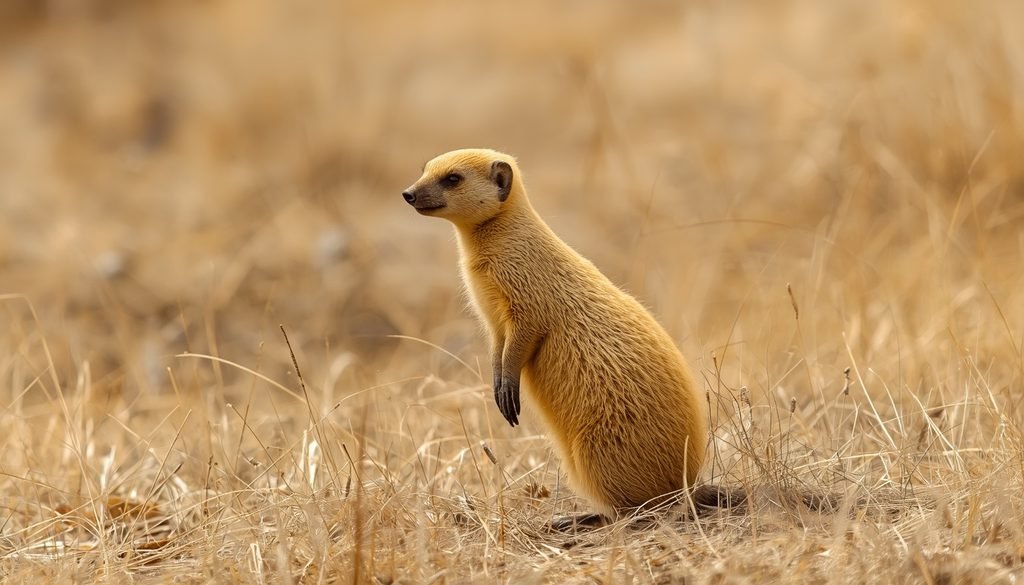
The Yellow Mongoose is a small African mammal known for its golden or yellowish coat and long, bushy tail. It occurs across parts of southern Africa, where it often lives in open habitats.
Its diet includes insects, small vertebrates, eggs, and other available foods. Yellow mongooses can use burrows for shelter and protection from predators and harsh weather.
They are agile, alert animals that can quickly retreat underground when danger approaches.
Interesting fact: Their burrowing lifestyle gives them a useful refuge in open landscapes where cover may be limited.
6. Yellow bellied Marmot
Scientific Name: Marmota flaviventris
Class: Mammal
Diet: Herbivore
Habitat: Mountain meadows, rocky slopes, and alpine areas
The Yellow bellied Marmot is a large ground squirrel found in western North America. Despite its name, its fur is mostly brownish, with a lighter yellow or buff colored belly.
It eats grasses, flowers, leaves, and other vegetation. These marmots spend much of the warmer season feeding and building energy reserves before entering a long period of hibernation.
Their burrows provide shelter from predators and extreme temperatures.
Interesting fact: Hibernation allows Yellow bellied Marmots to survive long mountain winters when food is scarce.
7. Yellow footed Rock Wallaby
Scientific Name: Petrogale xanthopus
Class: Mammal
Diet: Herbivore
Habitat: Rocky hills, cliffs, and dry woodland
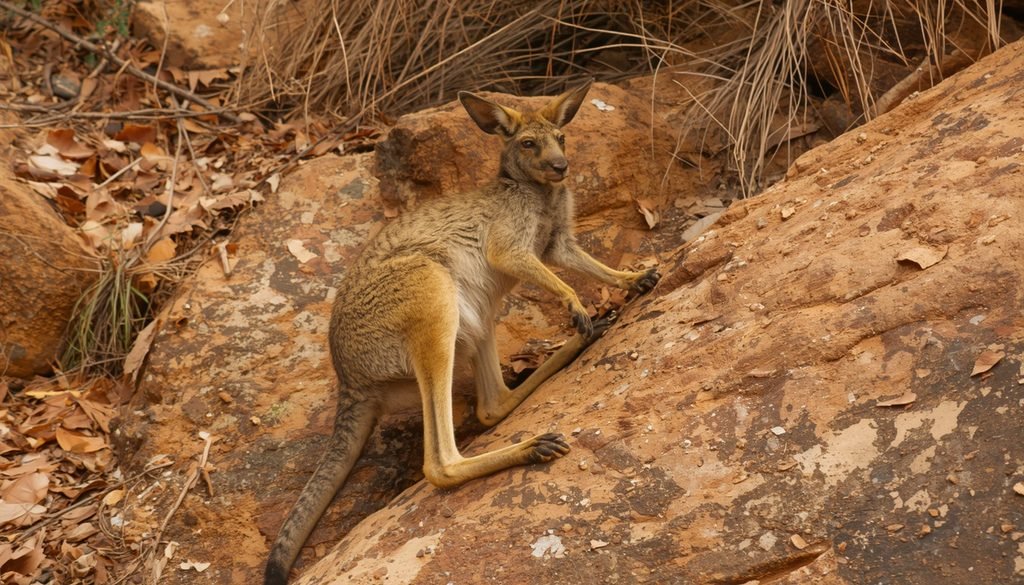
The Yellow footed Rock Wallaby is an Australian marsupial adapted to rugged rocky environments. Its strong hind legs allow it to climb and leap across steep surfaces.
It feeds mainly on grasses, leaves, herbs, and other vegetation. Its rocky habitat also provides important escape routes from predators.
Populations have been affected in some regions by habitat changes, introduced predators, competition, and other environmental pressures.
Interesting fact: Its powerful hind limbs and flexible movement make rocky terrain a major advantage rather than an obstacle.
8. Yellow throated Marten
Scientific Name: Martes flavigula
Class: Mammal
Diet: Omnivore
Habitat: Forests and mountainous woodland
The Yellow throated Marten is a colorful member of the weasel family found across parts of Asia. It has a dark body with a noticeable yellow or golden throat and chest.
This agile mammal can move through trees and across the forest floor. Its diet is varied and can include small mammals, birds, reptiles, insects, fruit, and other available foods.
Its flexible diet helps it survive in a wide range of forest environments.
Interesting fact: Unlike many specialized predators, the Yellow throated Marten can eat both animal and plant foods.
9. Yellow eyed Penguin
Scientific Name: Megadyptes antipodes
Class: Bird
Diet: Carnivore
Habitat: Coastal forests, beaches, and surrounding marine waters
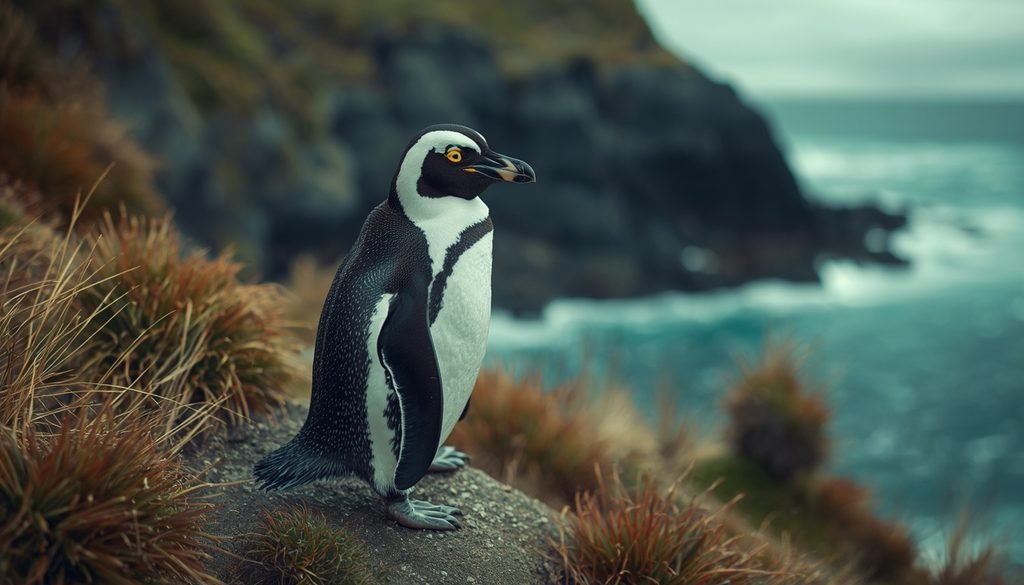
The Yellow eyed Penguin is one of New Zealand’s most distinctive birds. It has pale yellow eyes and a yellow band of feathers around the head, giving it its common name.
It feeds mainly at sea, where it catches fish and other marine prey. Unlike many penguins that breed in large colonies, Yellow eyed Penguins often nest in relatively secluded sites.
The species is classified as Endangered, and its population has declined because of habitat pressures, predators, disease, and changes affecting food availability.
Interesting fact: The Yellow eyed Penguin is considered one of the world’s most threatened penguin species.
10. Yellowhammer
Scientific Name: Emberiza citrinella
Class: Bird
Diet: Omnivore
Habitat: Farmland, hedgerows, grassland, and open woodland
The Yellowhammer is a small songbird recognized by its bright yellow head and breast, especially in males. It occurs across much of Europe and parts of Asia.
Its diet includes seeds and grains, while insects and other small invertebrates are especially important during breeding.
The bird is commonly associated with open countryside, hedgerows, and agricultural landscapes.
Interesting fact: The Yellowhammer’s bright yellow plumage makes it one of the easiest Y named birds to recognize.
11. Yellow bellied Sapsucker
Scientific Name: Sphyrapicus varius
Class: Bird
Diet: Omnivore
Habitat: Forests and woodland
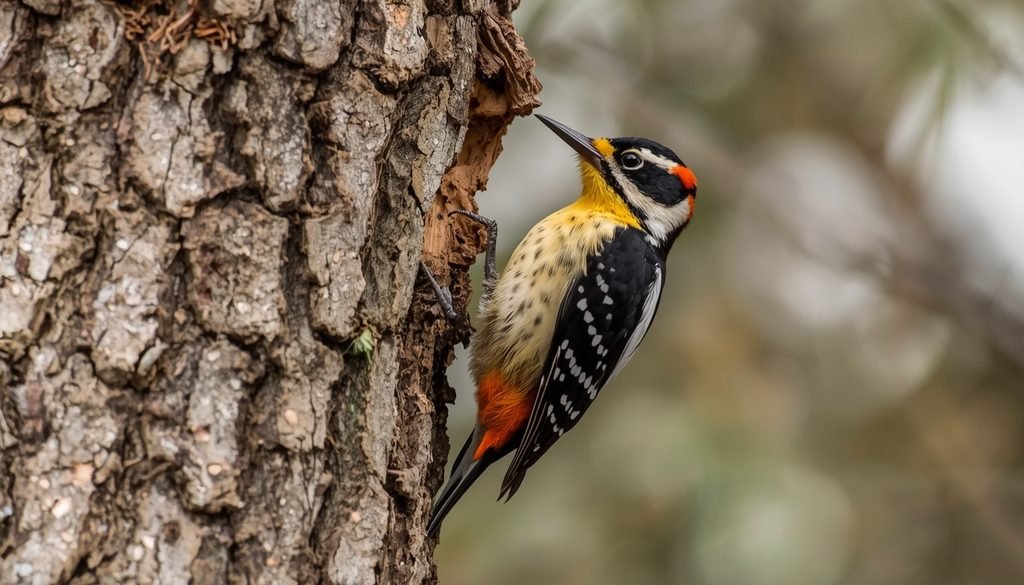
The Yellow bellied Sapsucker is a North American woodpecker named for its pale yellowish underside and feeding behavior.
Instead of simply searching for insects, it drills rows of holes into tree bark. Sap flowing from these holes attracts insects and provides a food source. The bird also catches insects and eats fruits when available.
Its specialized bill and feeding behavior demonstrate how woodpeckers can use trees as both food sources and shelter.
The species is currently assessed as Least Concern.
Interesting fact: Its name describes both its yellowish belly and its habit of feeding on tree sap.
12. Yellow bellied Sea Snake
Scientific Name: Hydrophis platurus
Class: Reptile
Diet: Carnivore
Habitat: Tropical marine waters
The Yellow bellied Sea Snake is a highly aquatic snake found across warm parts of the Indian and Pacific Oceans. Its flattened tail works like a paddle, allowing it to swim efficiently.
Its diet consists mainly of fish and other marine prey. Unlike many land snakes, it spends its life in the ocean and is highly specialized for marine conditions.
Its bright yellow underside contrasts with its darker upper body, making its name easy to understand.
Interesting fact: It is one of the most widely distributed sea snakes.
13. Yellow Anaconda
Scientific Name: Eunectes notaeus
Class: Reptile
Diet: Carnivore
Habitat: Swamps, marshes, flooded areas, and slow rivers
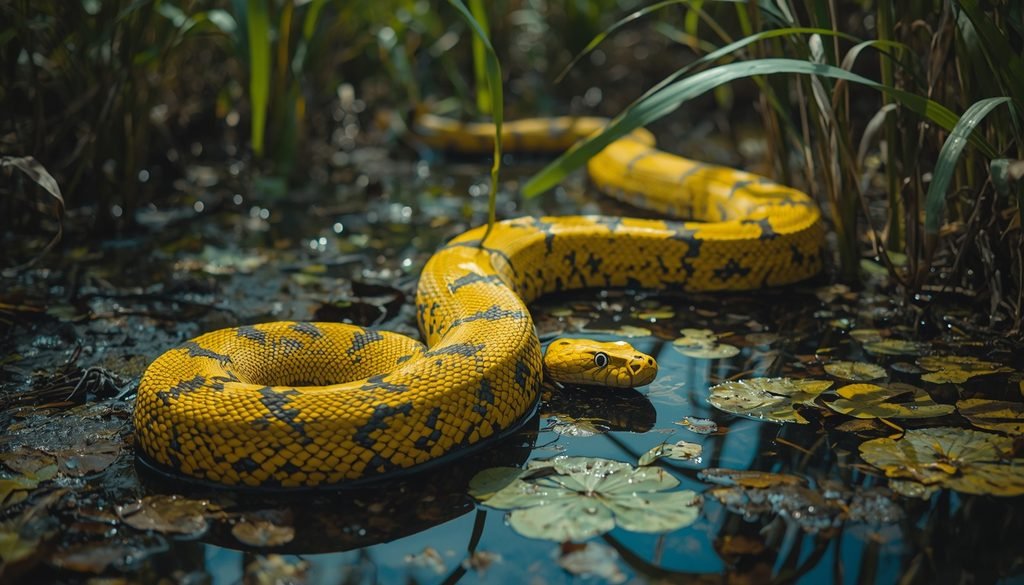
The Yellow Anaconda is a large South American constrictor that spends much of its time around water. It is found in wetlands and river systems across parts of Paraguay, Bolivia, Brazil, and Argentina.
Its yellowish body is covered with dark spots and bands, providing camouflage in muddy water and vegetation. The snake is an ambush predator that can eat fish, birds, reptiles, and mammals.
Like other constrictors, it captures prey with its jaws and coils around it before swallowing the meal.
Interesting fact: Yellow Anacondas are strongly associated with wetland habitats and are excellent swimmers.
14. Yellowfin Tuna
Scientific Name: Thunnus albacares
Class: Fish
Diet: Carnivore
Habitat: Tropical and subtropical oceans
Yellowfin Tuna are powerful, fast swimming ocean fish found throughout tropical and subtropical waters. Their streamlined bodies help them travel long distances through open water.
They feed on fish, squid, and crustaceans and occupy an important position in marine food webs. Their dorsal and anal fins are bright yellow, giving the species its familiar name. NOAA notes that Yellowfin Tuna can grow to around 6 feet and are highly migratory.
Interesting fact: Yellowfin Tuna are built for speed and long distance movement across the open ocean.
15. Yellow Tang
Scientific Name: Zebrasoma flavescens
Class: Fish
Diet: Herbivore
Habitat: Tropical coral reefs
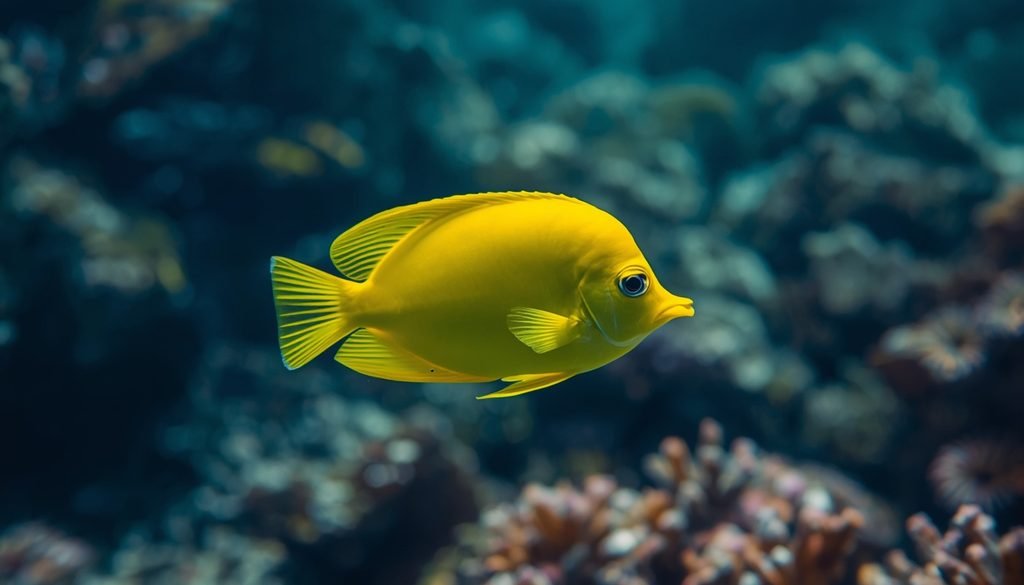
The Yellow Tang is a bright yellow reef fish best known for its striking color and laterally compressed body. It is associated with coral reefs and rocky marine habitats in the tropical Pacific.
Unlike Yellowfin Tuna, which are fast moving open ocean predators, Yellow Tangs mainly graze on algae. Their feeding behavior can help control algal growth on reef surfaces.
Their small, blade like teeth are well suited to scraping food from surfaces.
Interesting fact: Yellow Tangs are among the most recognizable brightly colored reef fish.
16. Yellowjacket
Scientific Name: Various species in the genera Vespula and Dolichovespula
Class: Insect
Diet: Omnivore
Habitat: Forests, grasslands, gardens, and urban areas
Yellowjacket is a common name used for several species of social wasps. They are usually recognized by their black and yellow patterns and slender bodies.
Adult yellowjackets can feed on sugary substances and nectar, while workers also collect protein rich food for developing larvae. Depending on the species, colonies may build nests underground, in cavities, or in other sheltered locations.
Yellowjackets can defend their nests aggressively, especially when they sense a threat.
Interesting fact: Unlike honey bees, yellowjackets can sting repeatedly because their stingers generally do not become stuck in the skin.
17. Yeti Crab
Scientific Name: Kiwa hirsuta and related Kiwa species
Class: Crustacean
Diet: Omnivore / microbial feeder
Habitat: Deep sea hydrothermal vent environments
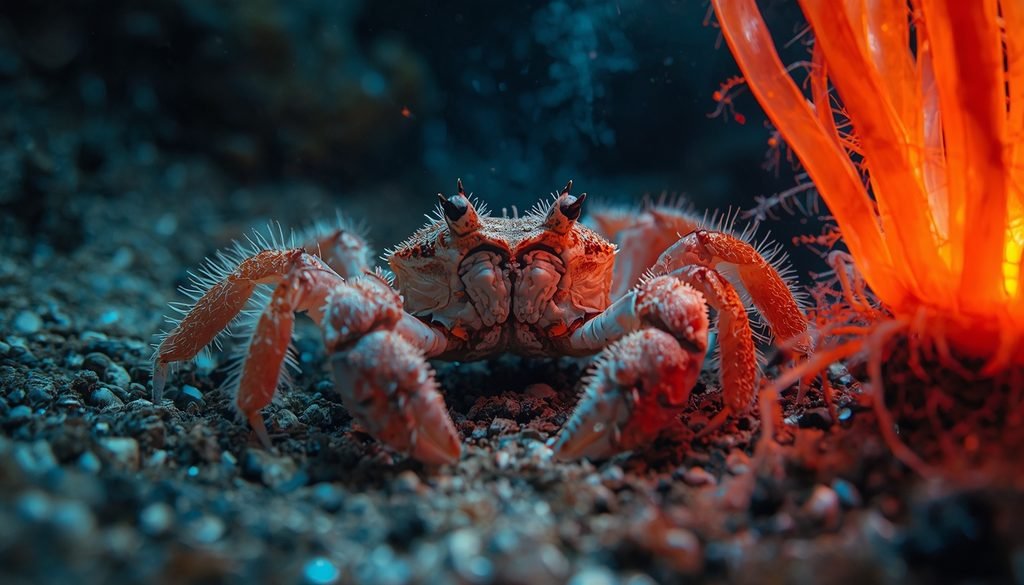
The Yeti Crab is one of the strangest animals that starts with Y. These deep sea crustaceans live around hydrothermal vents, where conditions are extremely different from those at the ocean surface.
Their most famous feature is their hairy looking claws and limbs. The hairs can host bacteria, and these microbes are thought to be important in the crab’s feeding strategy.
Yeti crabs live in complete darkness at great depths, relying on chemical rich environments around hydrothermal vents rather than sunlight driven ecosystems.
Interesting fact: The hairy appearance of the Yeti Crab inspired its memorable common name.
What Are Some Animals That Start With Y?
Some well known animals that start with Y include the Yak, Yabby, Yapok, Yacare Caiman, Yellow Mongoose, Yellow eyed Penguin, Yellowhammer, Yellow bellied Sapsucker, Yellow Anaconda, Yellowfin Tuna, Yellow Tang, Yellowjacket, and Yeti Crab. These examples show that the letter Y appears across many animal groups, including mammals, birds, reptiles, fish, insects, and crustaceans.
The large number of “yellow” animal names is one reason the list can become much longer than expected.
What Mammals Start With Y?
Mammals that start with Y include the Yak, Yapok, Yellow Mongoose, Yellow bellied Marmot, Yellow footed Rock Wallaby, and Yellow throated Marten. They represent very different lifestyles. Yaks survive in high mountains, yapoks specialize in freshwater habitats, while rock wallabies are adapted to rugged Australian landscapes.
This diversity shows that animals beginning with the same letter do not necessarily have any biological relationship.
What Birds Start With Y?
Some birds that start with Y include the Yellow eyed Penguin, Yellowhammer, and Yellow bellied Sapsucker. They occupy very different habitats. The Yellow eyed Penguin depends on coastal and marine environments in New Zealand, while Yellowhammers are associated with open countryside and Yellow bellied Sapsuckers use forest habitats.
What Reptiles Start With Y?
Examples of reptiles beginning with Y include the Yacare Caiman, Yellow bellied Sea Snake, and Yellow Anaconda. The Yacare Caiman lives in freshwater wetlands, the Yellow bellied Sea Snake is adapted to life in tropical oceans, and the Yellow Anaconda is strongly associated with South American marshes and slow moving waterways.
What Sea Animals Start With Y?
Several marine animals start with Y, including the Yellowfin Tuna, Yellow Tang, Yellow bellied Sea Snake, and Yeti Crab. They occupy very different marine environments. Yellow Tangs live around coral reefs, Yellowfin Tuna travel through open tropical oceans, Yellow bellied Sea Snakes swim in warm seas, and Yeti Crabs live around deep sea hydrothermal vents.
Read More: 12 Fastest Animals in the World
FAQs About Animals That Start With Y
What animal starts with Y?
Many animals start with Y, including the Yak, Yabby, Yapok, Yacare Caiman, Yellow Mongoose, Yellow eyed Penguin, Yellowhammer, Yellowfin Tuna, Yellow Tang, Yellowjacket, and Yeti Crab. The exact list can vary because common names differ by region and some names describe groups rather than a single species.
What are some animals that start with Y?
Some recognizable animals that start with Y are Yak, Yabby, Yapok, Yacare Caiman, Yellow Mongoose, Yellow bellied Marmot, Yellow eyed Penguin, Yellowhammer, Yellow Anaconda, Yellowfin Tuna, Yellow Tang, Yellowjacket, and Yeti Crab.
What mammals start with Y?
Mammals beginning with Y include the Yak, Yapok, Yellow Mongoose, Yellow bellied Marmot, Yellow footed Rock Wallaby, and Yellow throated Marten. These mammals live in habitats ranging from high mountains and forests to grasslands, rocky landscapes, and freshwater environments.
What bird starts with Y?
The Yellow eyed Penguin is one of the best known birds starting with Y. Other examples include the Yellowhammer and Yellow bellied Sapsucker. These birds belong to different families and occupy very different habitats.
What reptiles start with Y?
The Yacare Caiman, Yellow Anaconda, and Yellow bellied Sea Snake are three notable reptiles that start with Y. The caiman is a freshwater crocodilian, the Yellow Anaconda is a South American constrictor, and the Yellow bellied Sea Snake is highly adapted to marine life.
What sea animals start with Y?
Sea animals starting with Y include the Yellowfin Tuna, Yellow Tang, Yellow bellied Sea Snake, and Yeti Crab. They demonstrate the huge range of marine habitats, from shallow coral reefs and open oceans to deep sea hydrothermal vents.
Final Thoughts
There are more interesting animals that start with Y than you might expect. From the high altitude Yak and freshwater Yabby to the unusual Yapok and deep sea Yeti Crab, this group covers an impressive range of habitats and animal types. Many names also begin with “yellow,” giving us animals such as the Yellow Mongoose, Yellow eyed Penguin, Yellow Anaconda, Yellowfin Tuna, and Yellow Tang.
The most interesting part is that these animals are not related simply because their names share the same first letter. They have evolved independently to survive in mountains, forests, wetlands, oceans, and other environments. Whether you are building an animal alphabet list, researching wildlife, or looking for an answer to “what animal starts with Y?”, these 17 examples provide a useful place to begin.

One thought on “What Animal Starts With Y? 17 Animals That Start With Y”