
Introduction
Have you ever tried to name an animal that starts with the letter U? It can be surprisingly difficult. Most people can quickly think of a lion, tiger, elephant, or zebra, but animals beginning with U are much less familiar. However, the animal kingdom has plenty of unusual names worth discovering.
From a monkey with a bright red face to a butterfly with brilliant blue wings, these animals come in many shapes and sizes. Some live in tropical rainforests, while others survive in dry deserts, open grasslands, or cold mountain regions.
Learning about animals that start with U is a fun way to build your wildlife knowledge and discover creatures you may never have heard of before. This list includes 12 examples, along with their scientific names, habitats, diets, and interesting characteristics.
Quick Answer: What Animal Starts With U?
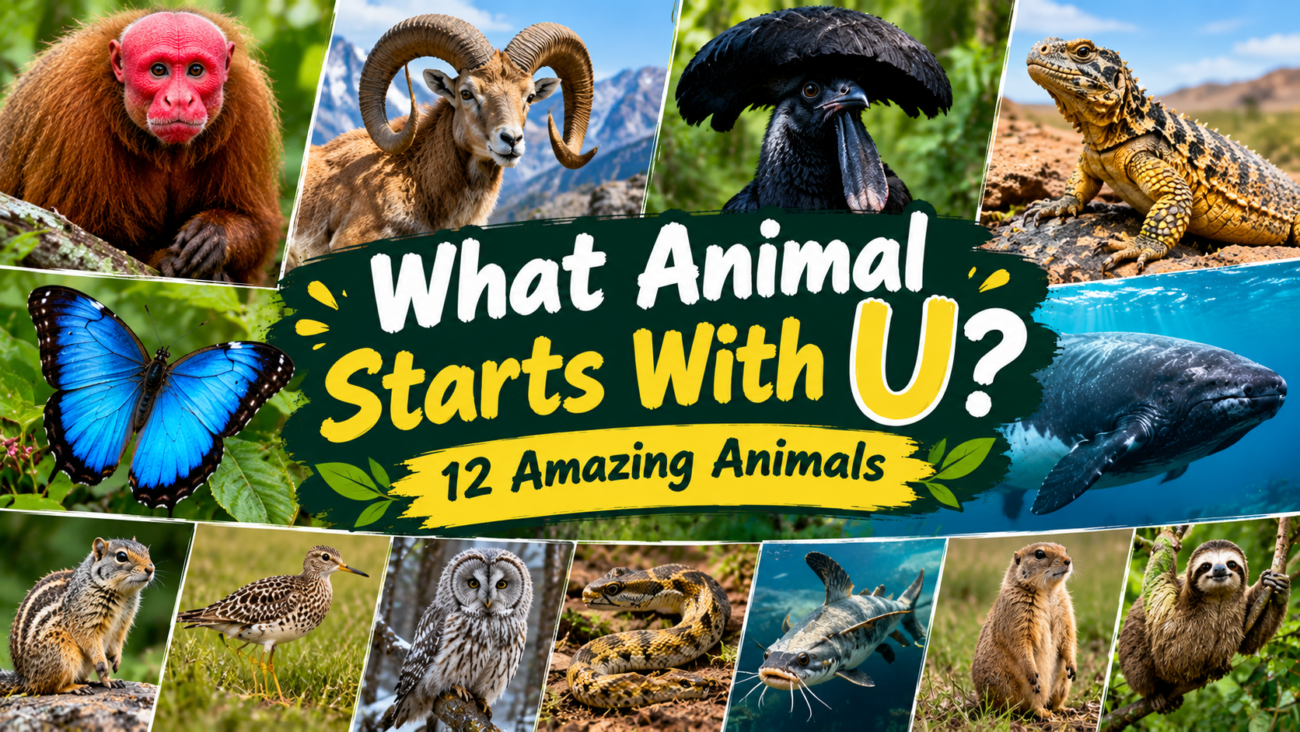
Several animals start with the letter U, including the uakari, urial, umbrellabird, uromastyx, Ulysses butterfly, Uinta ground squirrel, upland sandpiper, Ural owl, urutu snake, upside-down catfish, Utah prairie dog, and unau.
These animals belong to different groups, including mammals, birds, reptiles, fish, and insects. They also live in diverse environments, from South American rainforests to North American grasslands and African deserts.
1. Uakari
Scientific name: Cacajao species
Animal group: Mammal
Habitat: Amazon Basin, South America
Diet: Fruits, seeds, flowers, and other plant material
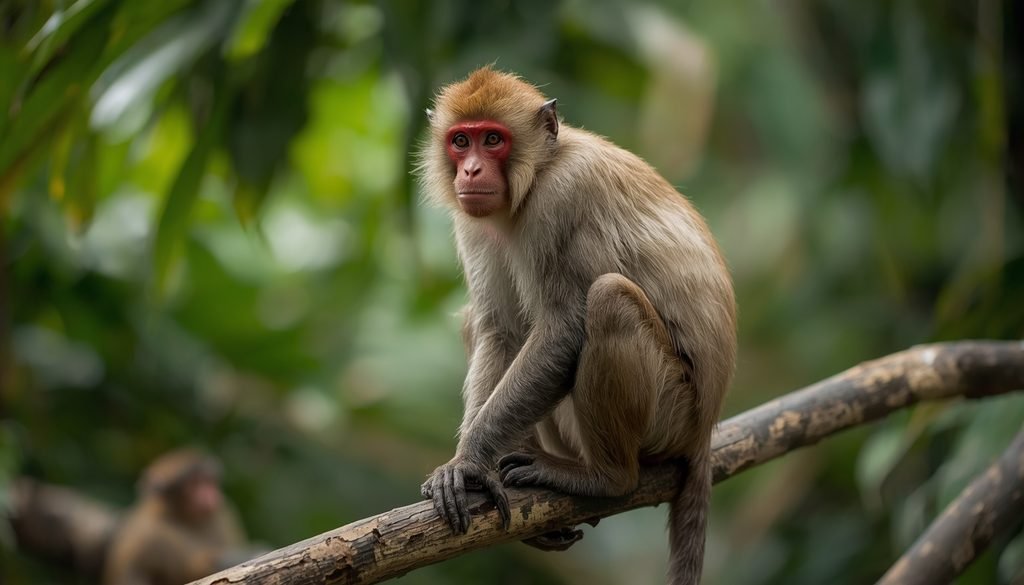
The uakari is a distinctive monkey that lives in the Amazon Basin. Its most recognizable feature is its short tail and, in some species, a striking red, largely hairless face. Unlike many monkeys with long tails, uakaris have tails that are too short to help them grip branches.
These primates spend much of their time in trees, moving through the forest canopy in search of food. Their strong limbs help them climb and travel between branches. Depending on the species and season, they eat fruits, seeds, buds, and other plant material.
Uakaris are social animals and often travel in groups. Their rainforest habitat provides food and shelter, but deforestation and hunting can threaten some populations.
Interesting fact: The bright red face of the bald uakari is especially noticeable against its thick coat of fur.
2. Urial
Scientific name: Ovis vignei
Animal group: Mammal
Habitat: Mountain slopes and open hills of Central and South Asia
Diet: Grasses, herbs, and other vegetation
The urial is a wild sheep known for the impressive curved horns of adult males. Its coat is generally brownish or reddish, with lighter areas underneath. Males are often larger and have more developed horns than females.
Urials inhabit rocky hills, open mountain slopes, and dry grasslands. These environments offer grazing areas as well as uneven terrain where the sheep can escape predators. Their sure-footed movements help them travel across steep and rocky ground.
They feed mainly on grasses and other vegetation. Like other wild sheep, urials must balance feeding with watching for danger. Their populations face pressures in some areas from hunting, habitat loss, and competition with domestic livestock.
Interesting fact: A male urial’s large, curved horns can make it easy to recognize among wild sheep.
3. Umbrellabird
Scientific name: Cephalopterus species
Animal group: Bird
Habitat: Tropical forests of Central and South America
Diet: Mainly fruit, with some animal prey
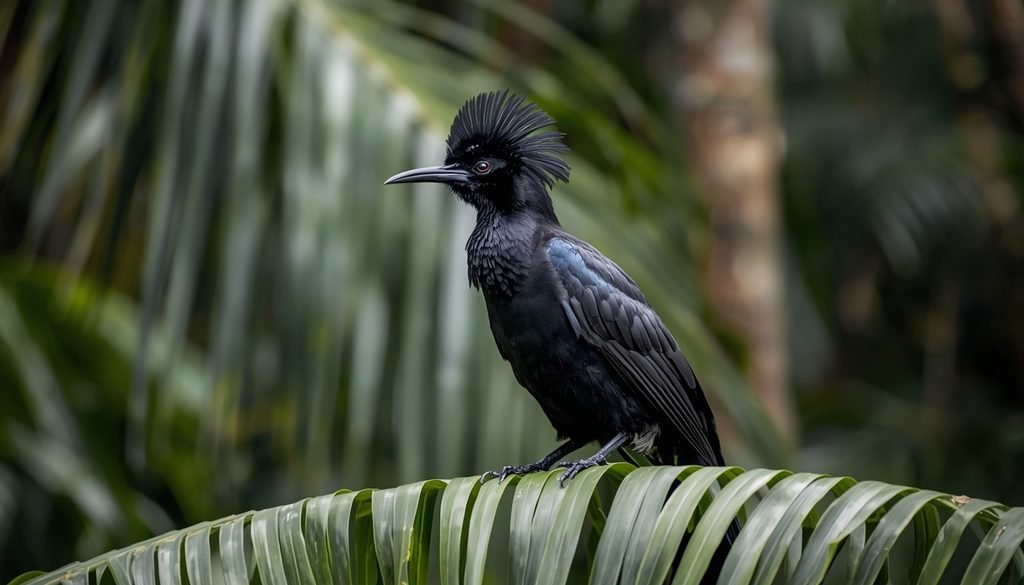
The umbrellabird gets its name from the umbrella-like crest of feathers on its head. These large, dark birds are found in tropical forests, where they spend much of their time in trees. Several species belong to the umbrellabird group, and their exact appearance varies.
Fruit is an important part of their diet. They may also eat insects and other small animals. By consuming fruit and later passing seeds through their droppings, umbrellabirds can help spread plants through their forest habitats.
Some male umbrellabirds have a long, hanging throat wattle that becomes especially noticeable during courtship displays. Their unusual appearance makes them among the most memorable birds beginning with U.
Interesting fact: The crest and throat wattle of a male umbrellabird can make its silhouette look quite different from that of many other forest birds.
4. Uromastyx
Scientific name: Uromastyx species
Animal group: Reptile
Habitat: Arid regions of North Africa and the Middle East
Diet: Mostly leaves, flowers, seeds, and other plant material
Uromastyx lizards are adapted to life in hot, dry environments. They have sturdy bodies, strong legs, and thick tails covered with spines. When threatened, they can use their powerful tails as a defensive tool.
These lizards spend time basking in the sun to warm their bodies. They also shelter in burrows or rocky crevices to escape extreme temperatures and avoid predators. Their ability to use protected hiding places is particularly important in deserts, where daytime heat can become intense.
Unlike many lizards that eat large amounts of insects, adult uromastyx generally feed mostly on plants. Their diet can include leaves, flowers, and seeds, depending on the species and what grows in their habitat.
Interesting fact: The spiny tail gives the uromastyx a strong defense against animals that try to grab it.
5. Ulysses Butterfly
Scientific name: Papilio ulysses
Animal group: Insect
Habitat: Northeastern Australia and nearby tropical regions
Diet: Nectar as an adult; host-plant leaves during the caterpillar stage
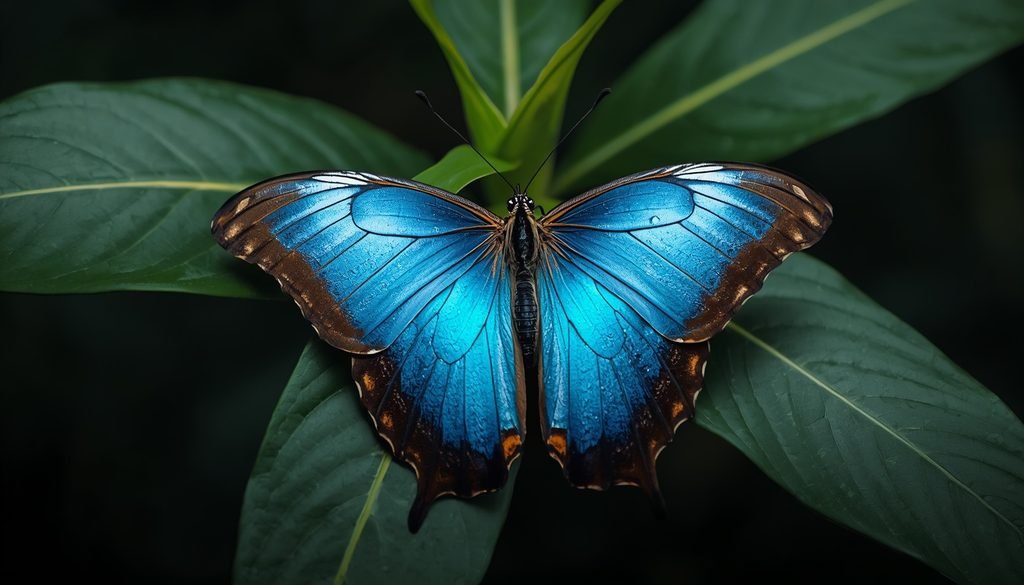
The Ulysses butterfly is famous for its brilliant blue wings, which contrast with dark borders. It is a large swallowtail butterfly found in tropical environments, particularly in parts of Australia and nearby islands.
When the butterfly flies through sunlight, its wings can appear intensely blue. This color comes largely from the way the tiny structures on its wings reflect light rather than simply from blue pigment.
Adult butterflies feed on nectar, using a long, tube-like mouthpart to reach into flowers. Before adulthood, the caterpillar feeds on suitable host plants and grows through several stages before forming a chrysalis.
Although its bright wings are easy to admire, the butterfly’s colors can also make it conspicuous to predators. Its survival depends on finding food, suitable plants, and places to complete its life cycle.
Interesting fact: The Ulysses butterfly’s blue appearance changes with the angle of the light.
6. Uinta Ground Squirrel
Scientific name: Urocitellus armatus
Animal group: Mammal
Habitat: Meadows and open grasslands in the western United States
Diet: Seeds, grasses, flowers, and other plant material
The Uinta ground squirrel is a small rodent native to parts of the western United States. It lives in open areas where it can dig burrows and search for food. Its brownish fur helps it blend into the soil and vegetation around its home.
Unlike tree squirrels, Uinta ground squirrels spend much of their time on the ground. They feed on seeds, grasses, and other plant material. Their burrows provide shelter from predators and harsh weather, and they can retreat underground when danger approaches.
These squirrels are also known for their seasonal activity. They hibernate during the colder part of the year, with the length of hibernation depending on conditions and life stage. Building up energy reserves before this period is essential to their survival.
Interesting fact: A Uinta ground squirrel may spend a large part of the year underground or inactive during hibernation.
7. Upland Sandpiper
Scientific name: Bartramia longicauda
Animal group: Bird
Habitat: North American grasslands and open fields
Diet: Insects, spiders, seeds, and other small food items
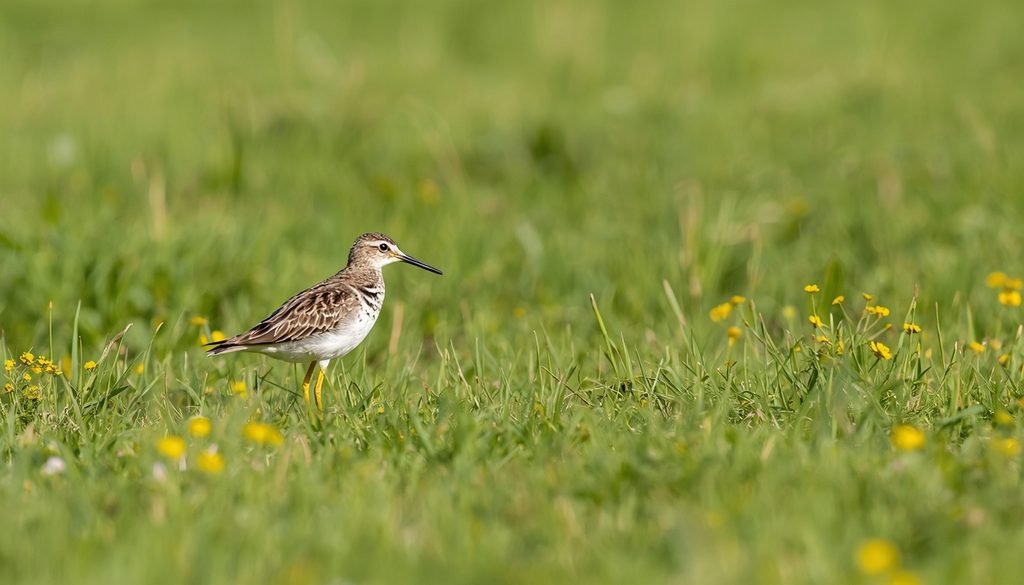
The upland sandpiper is a long-legged shorebird that spends much of its time away from shorelines. Unlike many sandpipers associated with mudflats and beaches, it is strongly linked to open grasslands and meadows.
Its slim body, long neck, and relatively large eyes give it a distinctive appearance. It walks through grass while searching for insects and other small prey. Seeds and other plant material may also be part of its diet.
During breeding season, upland sandpipers nest on the ground, where tall grass can provide some cover. This makes the condition of grassland habitats especially important. The species migrates to South America for the nonbreeding season, covering long distances between seasonal homes.
Interesting fact: Despite its name and family group, the upland sandpiper is more often found in grassy fields than along the water.
8. Ural Owl
Scientific name: Strix uralensis
Animal group: Bird
Habitat: Forests across parts of Europe and northern Asia
Diet: Small mammals and other animals
The Ural owl is a large owl with a rounded head, dark eyes, and a long tail. It lives in forested regions, including areas with mature trees that provide nesting and resting sites.
This owl hunts mainly at night or during low-light conditions, relying on keen hearing and vision to locate prey. Small mammals, such as voles and mice, form an important part of its diet. Depending on local conditions, it may also catch birds and other small animals.
Its broad wings help it fly through the forest while searching for food. Like many owls, it can approach prey quietly, reducing the chance of being detected before it strikes.
Interesting fact: The Ural owl’s long tail and rounded head help distinguish it from several other forest owl species.
9. Urutu Snake
Scientific name: Bothrops alternatus
Animal group: Reptile
Habitat: Parts of South America, including grasslands and wooded areas
Diet: Small mammals, birds, and other suitable prey
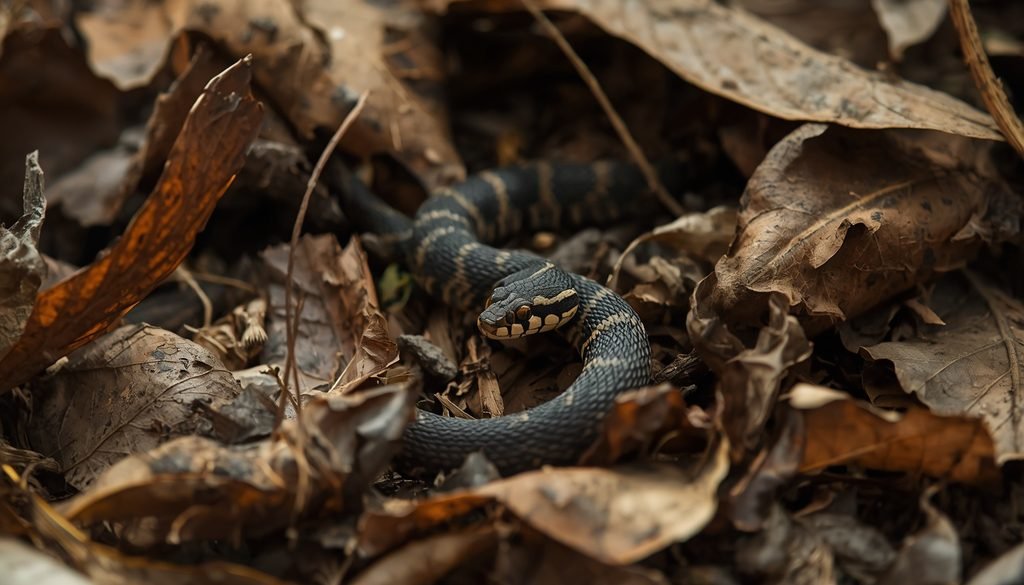
The urutu, also called the crossed pit viper, is a venomous snake found in parts of South America. Its body often has dark, rounded or cross-like markings against a lighter background. These patterns help it blend into leaf litter, soil, and surrounding vegetation.
Like other pit vipers, the urutu has heat-sensitive pits that help it detect warm-bodied prey. It generally relies on ambush rather than chasing animals over long distances. When prey comes within striking range, the snake can deliver a rapid bite.
Its venom can cause serious injury, so people should never try to handle or approach one. If encountered in the wild, the safest response is to give the snake plenty of space and allow it to move away.
Interesting fact: The urutu’s heat-sensing pits help it detect warm prey, even when visibility is limited.
10. Upside-Down Catfish
Scientific name: Synodontis nigriventris
Animal group: Freshwater fish
Habitat: Freshwater rivers and streams in Central Africa
Diet: Small invertebrates, algae, and other organic material
The upside-down catfish is a small freshwater fish known for swimming belly-up, particularly when feeding near the surface or exploring submerged objects. This unusual behavior is the reason behind its common name.
It belongs to the catfish family and has sensory barbels around its mouth. These whisker-like structures help it find food in water where visibility may be poor. Its diet includes small invertebrates and other edible material found on surfaces or in the water.
The fish’s unusual posture is not simply a sign of illness. It is a natural behavior that allows it to reach food in places that other fish may approach differently. Like other freshwater species, it depends on suitable water conditions and shelter.
Interesting fact: The upside-down catfish can feed in a position that would be unusual for most other fish.
11. Utah Prairie Dog
Scientific name: Cynomys parvidens
Animal group: Mammal
Habitat: Grasslands of southwestern Utah, United States
Diet: Grasses, flowers, seeds, and other vegetation
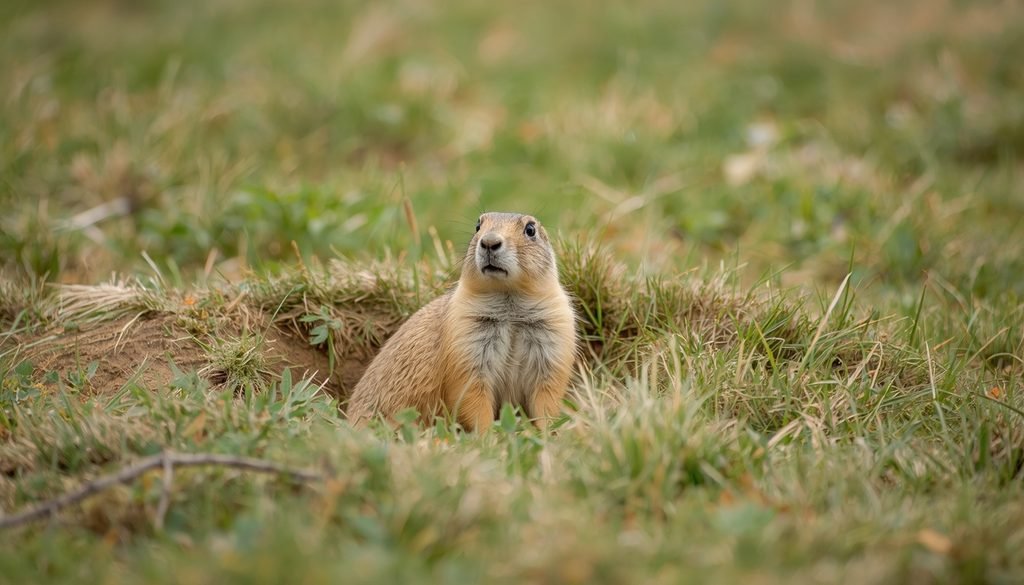
The Utah prairie dog is a burrowing rodent found in a limited area of southwestern Utah. It lives in underground tunnel systems that provide protection from predators and shelter from changing weather.
These prairie dogs are social animals. They live in colonies and use calls and alert behaviors to communicate when danger approaches. When one spots a potential threat, others may react by retreating into their burrows.
Their grazing can influence the plant communities around their colonies. They also provide food for predators and create burrows that may later be used by other wildlife. However, their restricted range and the loss or alteration of grassland habitat have made conservation an important issue for this species.
Interesting fact: Utah prairie dogs are among the most geographically restricted prairie dog species in North America.
12. Unau (Two-Toed Sloth)
Scientific name: Choloepus species
Animal group: Mammal
Habitat: Tropical forests of Central and South America
Diet: Leaves, fruits, and other plant material, depending on species and availability
The unau is a traditional name for a two-toed sloth. It is a slow-moving mammal that spends much of its life in trees. Its long limbs and curved claws help it hang from branches, while its slow movements conserve energy.
Two-toed sloths are adapted to a tree-dwelling lifestyle. They move slowly through the canopy and often rest for long periods. Their diet varies by species and availability, but includes leaves and other plant material; some may also eat fruit or animal matter on occasion.
Because sloths depend on forest habitats, the loss and fragmentation of tropical forests can make it harder for them to find food and move safely between trees. Their quiet lifestyle can also make them difficult to spot in dense vegetation.
Interesting fact: A sloth’s long, curved claws are well suited to hanging from branches, rather than walking quickly on the ground.
Types of Animals That Start With U
Animals beginning with U represent several major animal groups.
- Mammals: Uakari, urial, Uinta ground squirrel, Utah prairie dog, and unau.
- Birds: Umbrellabird, upland sandpiper, and Ural owl.
- Reptiles: Uromastyx and urutu snake.
- Insects: Ulysses butterfly.
- Fish: Upside-down catfish.
This variety shows that the letter U is not limited to one type of wildlife. It includes animals adapted to forests, grasslands, deserts, and freshwater habitats.
Where Do Animals That Start With U Live?
These animals live in different parts of the world. The uakari and unau inhabit tropical forests in the Americas, while the urial lives in mountainous and hilly parts of Central and South Asia. Uromastyx lizards are adapted to dry regions, and the Ulysses butterfly is associated with tropical areas around Australia and nearby islands.
North America is home to the Uinta ground squirrel, upland sandpiper, and Utah prairie dog. The Ural owl lives in forested parts of Europe and Asia, while the upside-down catfish comes from Central African freshwater habitats.
Their different environments influence how they find food, avoid predators, reproduce, and survive changing seasons.
Why Are Some Animal Names Starting With U Unusual?
The letter U is relatively uncommon at the beginning of familiar English animal names. As a result, many U animals are less widely known than animals whose names begin with letters such as L, B, or T.
Some names refer to a specific species, such as the Utah prairie dog. Others describe a broader group, such as uromastyx lizards or umbrellabirds. A few, including unau, are traditional or regional names rather than the most common name used in everyday wildlife writing.
When learning animal names, it is helpful to look at both the common name and the scientific name. Scientific names help distinguish animals that may share similar common names.
Read More: What Is the Largest Animal in the World
Frequently Asked Questions
1. What is the most popular animal that starts with U?
The uakari is one of the best-known animals beginning with U. This Amazonian monkey is famous for its short tail and, in some species, a bright red face. The Ulysses butterfly and umbrellabird are also recognizable examples.
2. What mammal starts with the letter U?
Several mammals start with U, including the uakari, urial, Uinta ground squirrel, Utah prairie dog, and unau. They differ greatly in appearance and habitat, ranging from tropical forests to open grasslands and mountain slopes.
3. What bird starts with U?
The umbrellabird, upland sandpiper, and Ural owl are three birds whose names begin with U. The umbrellabird lives in tropical forests, the upland sandpiper uses open grasslands, and the Ural owl inhabits forested regions.
4. What reptile starts with the letter U?
Uromastyx lizards and the urutu snake are two examples. Uromastyx lizards are adapted to arid habitats and mainly eat plant material. The urutu is a venomous South American pit viper that hunts small animals.
5. Is a unicorn a real animal that starts with U?
No. The unicorn is a mythical creature, not a scientifically recognized living animal. Real animals beginning with U include the uakari, urial, umbrellabird, and Ulysses butterfly.
6. What is a fun animal that starts with U for kids?
The Ulysses butterfly is a fun choice because of its brilliant blue wings. The upside-down catfish is another interesting example because it can naturally swim belly-up. Both are memorable animals for school projects and animal-name lists.
Conclusion
There are many fascinating animals that start with U, even though their names are not as familiar as those of lions, elephants, or bears. The uakari stands out for its distinctive face, the Ulysses butterfly catches attention with its blue wings, and the uromastyx shows how reptiles adapt to dry environments.
Other examples, such as the urial, umbrellabird, Ural owl, and Utah prairie dog, demonstrate the variety of wildlife found across different continents and habitats.
Whether you are completing a school assignment, building your animal vocabulary, or simply exploring nature, these 12 animals are a useful place to start. Keep discovering new species, and you may find that even an uncommon letter like U opens the door to a surprisingly diverse world of wildlife.

One thought on “What Animal Starts With U? 12 Amazing Animals”