
Introduction
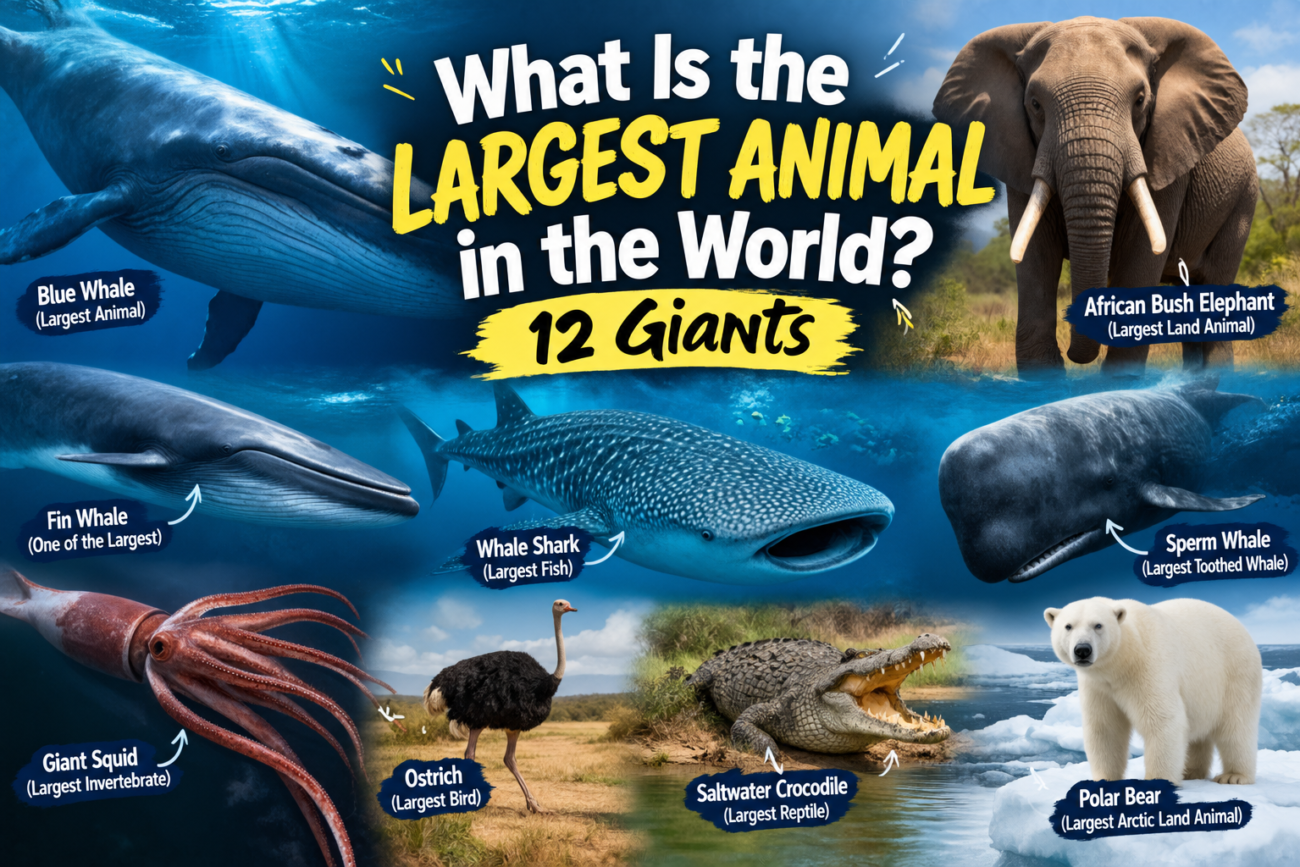
The blue whale is so enormous that its body can stretch longer than a basketball court. This remarkable marine mammal is the largest known animal ever to have lived on Earth, even bigger than the largest known dinosaurs. However, the animal kingdom has many other giants, from massive elephants roaming African landscapes to whale sharks swimming through tropical oceans.
If you are wondering what is the largest animal in the world, the answer depends partly on how size is measured. An animal may be the longest, tallest, heaviest, or largest member of a particular group. The biggest animal overall is not the same as the largest land animal or the largest fish. In this guide, we explore 12 incredible animals, their sizes, habitats, diets, and the special adaptations that help them survive.
What Is the Largest Animal in the World?
The blue whale (Balaenoptera musculus) is the largest known animal in the world and is also considered the largest animal ever to have lived. It can reach around 30 meters (98 feet) in length and weigh well over 100 metric tonnes, with exceptional individuals potentially weighing considerably more. The African bush elephant is the largest living land animal, while the whale shark is the largest living fish. These animals hold different records because their bodies and habitats vary greatly.
1. Blue Whale: The Largest Animal in the World
Scientific name: Balaenoptera musculus
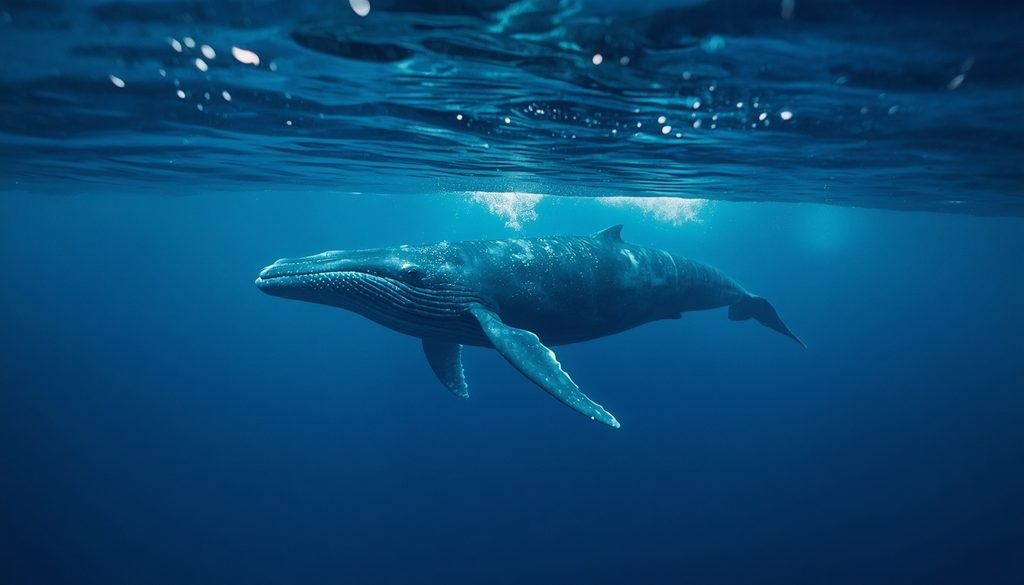
The blue whale can reach approximately 30 meters (98 feet) in length, with the largest individuals weighing over 150 metric tonnes. It lives in oceans worldwide, except the Arctic Ocean, and feeds mainly on tiny shrimp-like animals called krill. Its baleen plates filter food from seawater, allowing it to consume huge amounts during feeding seasons. Its enormous mass makes it the largest known animal ever to live on Earth.
2. African Bush Elephant: The Largest Land Animal
Scientific name: Loxodonta africana
The African bush elephant is the largest living land animal. Large adults can stand around 3–4 meters (10–13 feet) at the shoulder, with exceptional males weighing more than 6 metric tonnes. It inhabits African savannas, grasslands, and woodlands, eating grasses, leaves, bark, and fruit. Its trunk helps it gather food, drink water, and communicate, while its large ears help release body heat. Unlike the blue whale, this giant must support its entire weight on land.
3. Whale Shark: The Largest Living Fish
Scientific name: Rhincodon typus
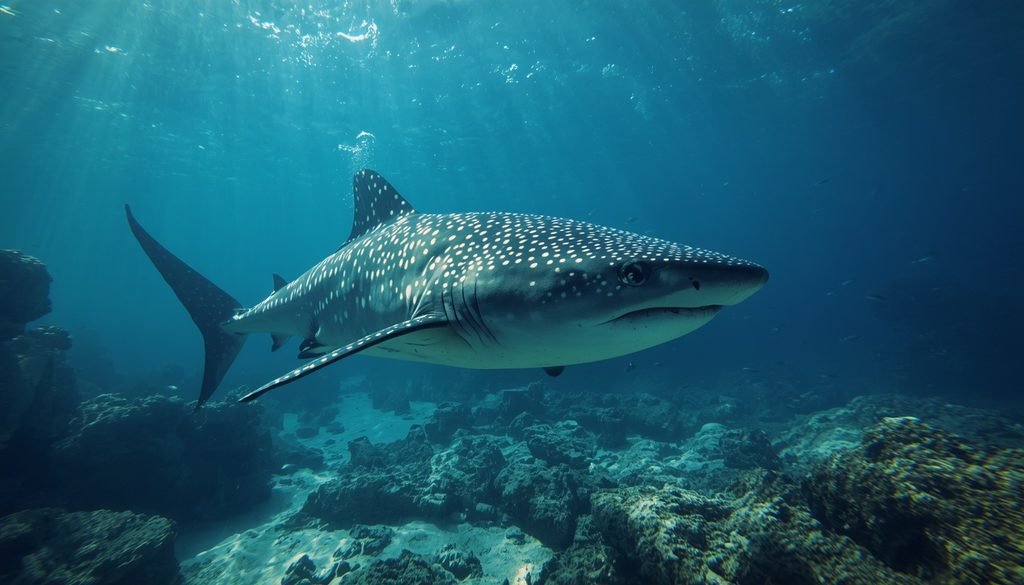
The whale shark is the largest living fish, with some individuals reaching around 12 meters (39 feet) or more. It inhabits tropical and warm-temperate seas and often visits areas where plankton is plentiful. Despite its huge body, this shark feeds mainly by filtering plankton, fish eggs, and small marine animals from the water. Its broad, flattened head and enormous mouth help it collect food efficiently. It is a fish, not a whale, and is generally harmless to people when left undisturbed.
4. Fin Whale: One of the Largest Animals on Earth
Scientific name: Balaenoptera physalus
The fin whale can grow to around 27 meters (89 feet) long, making it one of the largest animals alive. It occurs in oceans around the world and is known for its long, streamlined body. Fin whales eat krill, small fish, and other schooling prey, capturing food with baleen plates. Their powerful tails help them travel quickly through open water. Although they are extremely long, fin whales generally weigh less than the largest blue whales, showing why body length and body mass are different measurements.
5. Sperm Whale: The Largest Toothed Whale
Scientific name: Physeter macrocephalus
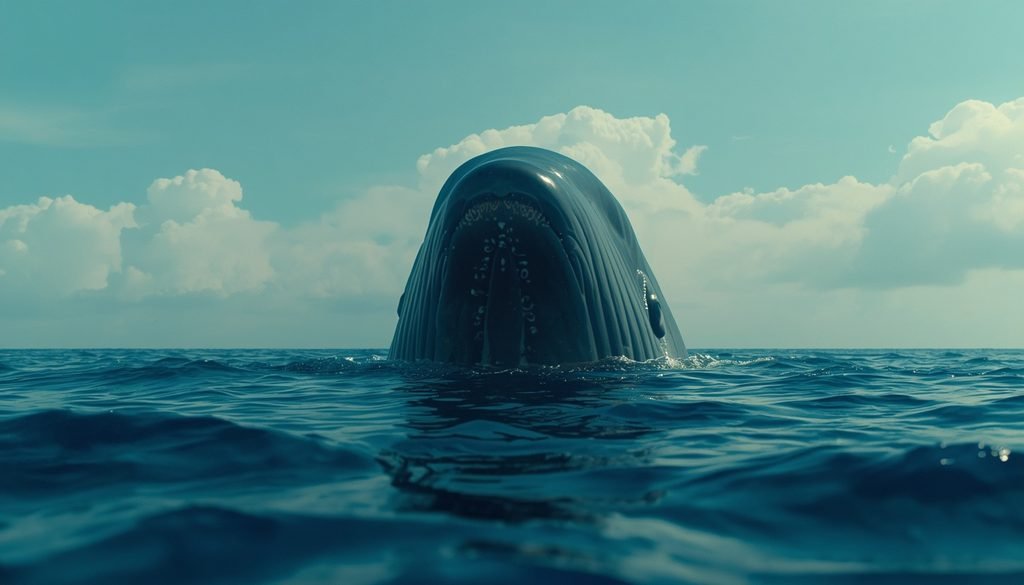
The sperm whale is the largest living toothed whale, with adult males sometimes reaching around 20 meters (66 feet) in length. It inhabits deep ocean waters worldwide and is famous for its enormous, square-shaped head. Sperm whales dive to hunt squid, including deep-sea species, as well as fish. Their ability to withstand pressure and hold their breath during deep dives helps them reach food far below the surface. Although impressive, they are not as heavy as blue whales.
6. Southern Elephant Seal: A Giant Marine Mammal
Scientific name: Mirounga leonina
Southern elephant seals are among the largest seals in the world. Exceptional adult males can reach approximately 4–5 meters (13–16 feet) and weigh several tonnes, while females are much smaller. They live around subantarctic islands and the Southern Ocean, feeding on fish and squid. Males have a distinctive enlarged nose and compete for access to females during breeding season. Their thick layer of fat helps conserve heat in cold water, while their large bodies support long ocean journeys.
7. Saltwater Crocodile: The Largest Living Reptile
Scientific name: Crocodylus porosus
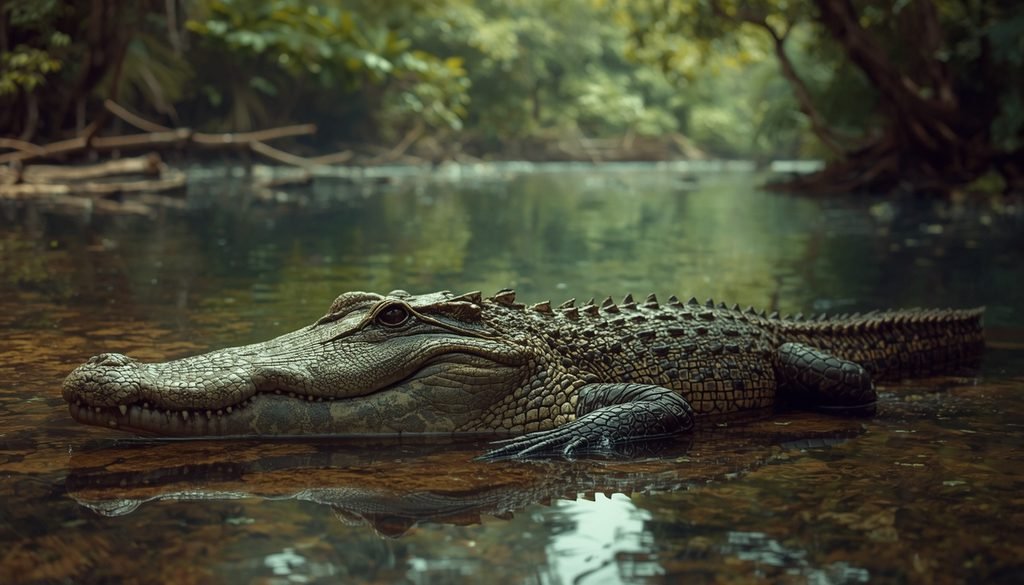
The saltwater crocodile is the largest living reptile by mass. Large males can exceed 6 meters (20 feet), although such individuals are uncommon. This powerful predator lives in coastal waters, estuaries, rivers, and wetlands across parts of South and Southeast Asia and northern Australia. Its diet includes fish, birds, reptiles, and mammals. Strong jaws and a muscular tail help it capture prey and move through water. It is an ambush hunter, so keeping a safe distance from its habitat is essential.
8. Ostrich: The Largest Living Bird
Scientific name: Struthio camelus
The ostrich is the tallest and heaviest living bird. Adults can reach approximately 2.7 meters (9 feet) in height and weigh around 150 kilograms (330 pounds), with variation between individuals. It lives in African grasslands and open, dry landscapes, feeding on plants, seeds, and small animals. Although it cannot fly, its long legs help it run rapidly and cover large distances. Its size, powerful legs, and ability to survive in open habitats make it a remarkable example of adaptation among birds.
9. Giant Squid: One of the Largest Invertebrates
Scientific name: Architeuthis dux
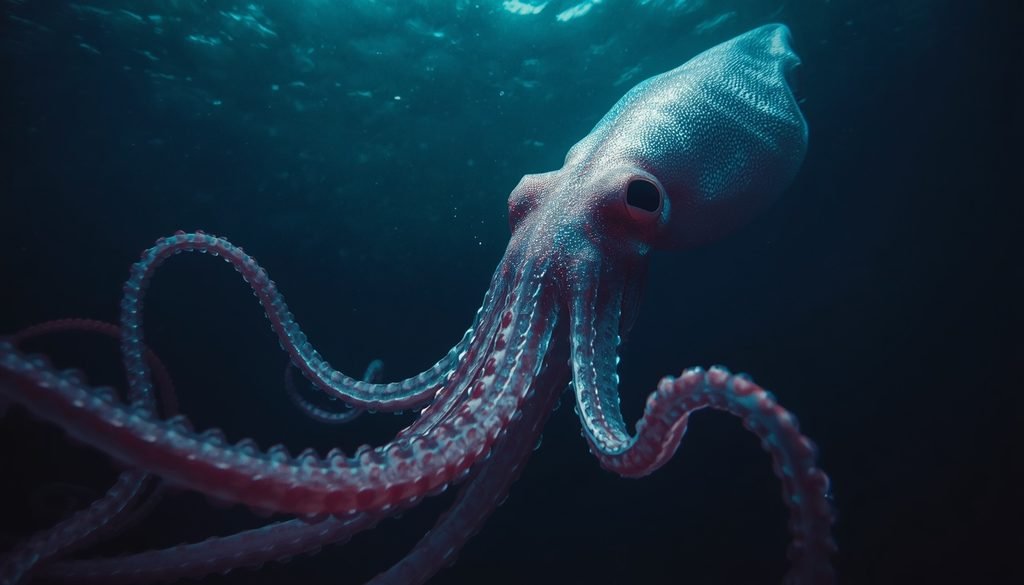
The giant squid is a mysterious deep-sea animal whose longest reliably documented specimens have measured around 13 meters (43 feet), including their long tentacles. It lives in deep ocean waters and feeds on fish and other squid. Its eight arms, two feeding tentacles, sharp beak, and enormous eyes help it catch prey in darkness. Scientists must interpret its size carefully because tentacles can stretch or become damaged. Reports of much greater lengths remain uncertain unless supported by reliable measurements.
10. Giant Pacific Octopus: A Giant Among Octopuses
Scientific name: Enteroctopus dofleini
The giant Pacific octopus is the largest octopus species by commonly reported body mass and arm span. Some individuals weigh over 50 kilograms (110 pounds), although sizes vary considerably. It inhabits the North Pacific, sheltering among rocky reefs and underwater crevices. Its diet includes crabs, shellfish, and fish. Flexible arms lined with suckers allow it to handle prey, explore narrow spaces, and grip surfaces. Its ability to solve problems and change skin color also makes it one of the ocean’s most fascinating invertebrates.
11. Giraffe: The Tallest Living Land Animal
Scientific name: Giraffa camelopardalis
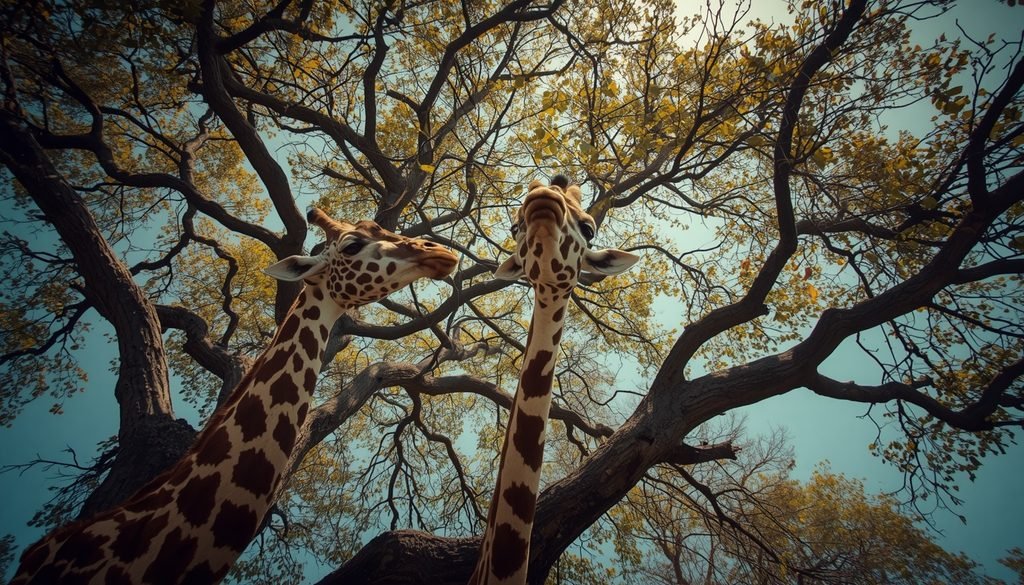
The giraffe is the tallest living land animal, with some adults reaching approximately 5.5–6 meters (18–20 feet). It inhabits African savannas and woodlands, where its long neck helps it reach leaves high in trees. Giraffes mainly browse on foliage, including acacia leaves. Their long legs allow them to take large strides, while their height can help them spot danger across open landscapes. However, being the tallest animal does not make a giraffe the heaviest land animal; elephants weigh much more.
12. Polar Bear: The Largest Living Bear
Scientific name: Ursus maritimus
The polar bear is the largest living bear species, with some adult males weighing around 350–700 kilograms (770–1,540 pounds), although individuals vary widely. It lives across Arctic regions and depends heavily on sea ice to hunt seals. Thick fur and a deep layer of body fat help conserve heat in freezing conditions. Its broad paws support movement across ice and swimming through cold water. As sea ice changes, polar bears face growing challenges in finding food and maintaining healthy populations.
What Is the Biggest Animal Ever to Live?
The blue whale is considered the largest known animal in Earth’s history. Exceptional individuals can reach around 30 meters in length and weigh well over 100 metric tonnes. Although some dinosaurs were enormous, no known dinosaur has been shown to exceed the blue whale’s mass. Fossil measurements involve estimates, so comparisons with extinct animals must be treated carefully.
What Is the Largest Land Animal?
The African bush elephant is the largest living land animal. Large males can weigh several tonnes and stand more than three meters tall at the shoulder. They live across parts of sub-Saharan Africa, feeding on grasses, leaves, bark, and fruit. Their size helps distinguish them from other land mammals, although extinct prehistoric mammals reached extraordinary dimensions too.
What Is the Largest Fish in the World?
The whale shark is the largest living fish. It can grow to around 12 meters or more and lives in warm ocean waters. Unlike many sharks that hunt large prey, whale sharks filter plankton and small marine animals from the water. Whales are mammals that breathe air, while whale sharks are fish with gills.
What Is the Largest Animal by Weight?
The blue whale is the heaviest known animal. Its mass can exceed 100 metric tonnes, with exceptional individuals weighing considerably more. Body length alone does not determine which animal is heaviest: a long, slender animal may weigh less than a shorter, bulkier one. Scientists therefore consider both length and mass when comparing the largest animals.
Why Do Some Animals Grow So Large?
Animal size develops through a mix of genetics, food supply, habitat, and evolutionary adaptations. The ocean supports enormous animals because buoyancy helps water support their weight. Blue whales also benefit from efficient filter feeding, which allows them to collect vast amounts of tiny prey. On land, gravity places greater demands on bones and muscles, so very large animals need strong supporting structures.
Read More: What Animal Has the Longest Lifespan
Frequently Asked Questions About the Largest Animals
What is the largest animal in the world?
The blue whale is the largest known animal in the world and the largest known to have lived on Earth. It can reach around 30 meters long and weigh well over 100 metric tonnes. Its exceptional size exceeds that of any other known living animal.
What is the largest land animal in the world?
The African bush elephant is the largest living land animal. Large adults can weigh more than six metric tonnes and stand around three to four meters tall at the shoulder. Its massive body, strong legs, and trunk help it survive in African habitats.
What is the largest fish in the world?
The whale shark is the largest living fish. It can reach around 12 meters or more and feeds mainly on plankton and small marine animals. Despite its name, it is a fish rather than a mammal like the blue whale.
What is the largest animal ever to live on Earth?
The blue whale is considered the largest animal ever to live on Earth. It can reach extraordinary lengths and masses that exceed those of known dinosaurs. Scientists continue to study fossil evidence, so comparisons with extinct animals depend on the accuracy of their size estimates.
What is the largest bird in the world?
The ostrich is the largest and heaviest living bird. It can reach approximately 2.7 meters tall and weigh more than 100 kilograms. Although it cannot fly, its powerful legs allow it to run quickly across African grasslands and savannas.
What is the largest reptile in the world?
The saltwater crocodile is the largest living reptile by mass. Large males can exceed six meters in length, although such individuals are uncommon. It lives in coastal waters, estuaries, rivers, and wetlands across parts of Asia and northern Australia.
Final Thoughts on the Largest Animals in the World
The animal kingdom contains giants of many kinds. The blue whale holds the record for the largest known animal, the African bush elephant dominates on land, and the whale shark is the largest living fish. The ostrich, saltwater crocodile, giant squid, and other remarkable species demonstrate that size takes many forms. Measurements can vary depending on the individual and the method used. If you enjoyed learning what is the largest animal in the world, explore more fascinating wildlife facts on AnimalFactHubz.com.

One thought on “What Is the Largest Animal in the World? 12 Giants”