

Introduction
Imagine hearing a tiny insect moving nearby, detecting a sound in complete darkness, or picking up a low rumble that travels across a vast landscape. Some animals can do things with sound that humans can barely imagine. Their ears and auditory systems have evolved to help them find food, avoid predators, communicate, and survive in challenging environments.
But what animal has the best hearing? The answer depends on what you mean by “best.” The greater wax moth can detect exceptionally high-frequency sounds, barn owls are experts at locating prey by sound, and elephants are remarkably sensitive to low-frequency sounds. Bats and dolphins use echolocation to understand their surroundings.
In this guide, we explore 15 animals with exceptional hearing abilities. You will learn how each animal detects sound, what makes its hearing special, and how these adaptations help it survive in the wild.
Quick Answer: What Animal Has the Best Hearing?
The greater wax moth (Galleria mellonella) is famous for having the highest documented frequency sensitivity of any known animal, detecting ultrasound approaching 300 kilohertz (kHz). However, it is not the best at every aspect of hearing. Barn owls excel at pinpointing sound sources, bats use echolocation to navigate and hunt, and elephants detect very low-frequency sounds. The best-hearing animal therefore depends on whether you measure high-frequency range, sensitivity, or sound localization.
1. Greater Wax Moth
Scientific name: Galleria mellonella
Habitat: Many regions worldwide, often associated with beehives
Special hearing ability: Detecting extremely high-frequency ultrasound

The greater wax moth is a surprising contender for the animal with the best hearing. This small insect can detect sound frequencies approaching 300 kHz, far beyond the typical upper limit of human hearing, which is around 20 kHz in young, healthy people.
Its exceptional hearing helps it detect ultrasonic calls produced by hunting bats. Once a moth detects these sounds, it may take evasive action to reduce the risk of being caught. This is an example of how predator-prey relationships can shape the evolution of hearing.
Interesting fact: The greater wax moth’s auditory sensitivity is among the highest documented in the animal kingdom.
2. Bats
Scientific name: Order Chiroptera
Habitat: Caves, forests, buildings, and other sheltered places worldwide
Special hearing ability: Echolocation and high-frequency sound detection
Many bat species use echolocation to find insects and navigate in darkness. They produce high-frequency calls and listen for the echoes that bounce back from objects. The timing and characteristics of these echoes help them estimate the location, distance, and movement of prey.
Bat hearing varies considerably by species. Some are especially well adapted to detecting tiny flying insects, while others use different strategies to locate food. Their large or specially shaped ears, together with highly developed auditory systems, help them interpret complex sound signals.
Interesting fact: Echolocation allows many bats to hunt successfully at night without relying on vision alone.
3. Barn Owl
Scientific name: Tyto alba
Habitat: Grasslands, farmland, open woodland, and areas near human settlements
Special hearing ability: Locating prey by sound

The barn owl is one of nature’s most impressive sound hunters. It can locate small animals, such as mice, using auditory information even when visibility is extremely poor. Its facial disc of feathers helps direct sound toward its ears.
In barn owls, the ears are positioned asymmetrically, allowing the brain to compare when a sound reaches each ear and how strongly it is heard. These tiny differences help the owl determine where a sound originates. Once the owl identifies its target, it can swoop down with remarkable accuracy.
Interesting fact: A barn owl can use sound to locate prey hidden beneath grass or other light cover.
4. Elephant
Scientific name: Loxodonta africana and Elephas maximus
Habitat: African savannas and forests, and parts of Asia
Special hearing ability: Detecting low-frequency sounds
Elephants have excellent hearing at the lower end of the sound spectrum. They can detect low-frequency calls, including some sounds below the range of normal human hearing. These sounds can travel long distances under suitable environmental conditions, helping elephants communicate when members of a group are far apart.
Elephants also use hearing to notice approaching animals and changes in their surroundings. Their large ears help with sound detection, although the shape and movement of the ears also play a major role in cooling the body.
Interesting fact: Some elephant calls contain infrasonic components, which are sound frequencies below about 20 Hz.
5. Dolphin
Scientific name: Family Delphinidae
Habitat: Oceans and some coastal or river environments, depending on species
Special hearing ability: Underwater sound detection and echolocation

Dolphins depend heavily on sound because visibility underwater can be limited. They communicate through clicks, whistles, and other vocalizations. Many species also use echolocation, producing clicks and interpreting the returning echoes to locate prey and understand nearby objects.
Unlike humans, dolphins do not rely on external ear flaps to collect sound. Sound travels through tissues, particularly specialized structures around the lower jaw, toward the inner ear. Their hearing is adapted to the underwater environment, where sound travels differently from how it does through air.
Interesting fact: Echolocation helps dolphins detect objects and prey even in murky water.
6. Dog
Scientific name: Canis lupus familiaris
Habitat: Homes and human environments worldwide
Special hearing ability: Detecting high-pitched sounds and locating their sources
Dogs can hear many higher-frequency sounds that are beyond the typical range of human hearing. This ability helped their ancestors detect small prey and notice sounds in their surroundings. Dogs can also turn their movable ears toward a sound, helping them gather information about its direction.
A dog’s hearing varies with age, breed, ear shape, and individual health. Although dogs can hear sounds humans cannot, this does not mean they are better at every kind of auditory task. Their hearing is particularly useful for responding to subtle noises and interpreting familiar sounds.
Interesting fact: A dog may react to a high-pitched whistle that a person cannot hear.
7. Cat
Scientific name: Felis catus
Habitat: Homes, farms, cities, and wild or semi-wild environments
Special hearing ability: Detecting high-pitched sounds

Cats have highly sensitive hearing, especially at high frequencies. This helps them detect the small squeaks and movements made by rodents and other potential prey. Their ears can rotate independently, allowing them to focus on sounds from different directions.
Hearing is particularly important for cats when hunting in low light. Although their eyesight is well suited to dim conditions, their ears provide another way to locate animals they cannot immediately see. Age and health can affect how well an individual cat hears.
Interesting fact: A cat’s movable ears help it pinpoint the direction of a faint sound before it turns its head.
8. Fox
Scientific name: Family Canidae; red fox is Vulpes vulpes
Habitat: Forests, grasslands, mountains, and suburban areas
Special hearing ability: Detecting small animals beneath vegetation or snow
Foxes rely on their hearing when searching for food. A fox may pause, tilt its head, and listen carefully before leaping toward a small animal hidden in grass or beneath snow. Hearing gives it clues about prey movement when visual information is limited.
The red fox is adaptable and hunts a variety of animals, including rodents and rabbits. Its pointed ears help collect sound, while its brain processes changes in sound direction and intensity. Fox hearing is not identical across all species, but it is a valuable tool for hunting.
Interesting fact: A fox may use sound to help position a hunting leap toward prey it cannot clearly see.
9. Horse
Scientific name: Equus caballus
Habitat: Domesticated environments and grasslands
Special hearing ability: Detecting sounds and turning toward their source

Horses have mobile ears that can rotate toward sounds around them. This helps them notice noises from different directions without having to move their entire bodies. In the wild, such awareness can be useful for detecting potential predators or other animals approaching.
A horse’s hearing works together with its vision and sense of smell. A sudden or unfamiliar noise may cause it to become alert, turn its head, or move away. Individual responses depend on experience, training, temperament, and the situation.
Interesting fact: A horse can point its ears in different directions to monitor more than one sound source.
10. Rabbit
Scientific name: Oryctolagus cuniculus
Habitat: Grasslands, scrubland, farmland, and other suitable habitats
Special hearing ability: Detecting approaching danger
Rabbits are prey animals, so noticing danger early is important. Their large ears help many species detect sounds and gather information about what is happening nearby. When a rabbit hears something unusual, it may freeze, raise its head, or move quickly toward shelter.
Rabbit ears also play a role in regulating body temperature, especially in species with large, exposed ears. Hearing ability varies among species and individuals, but sound awareness is a useful part of a rabbit’s overall survival strategy.
Interesting fact: Rabbits often combine hearing with a wide field of vision to stay alert for danger.
11. Rat
Scientific name: Rattus species
Habitat: Cities, farms, forests, and many human-modified environments
Special hearing ability: Detecting high-frequency sounds

Rats communicate using a variety of sounds, including ultrasonic vocalizations that are generally beyond human hearing. These sounds can play a role in social interactions, courtship, and communication between young rats and adults.
Their hearing also helps them respond to changes in their surroundings. Rats are adaptable animals that often live in environments where they must navigate around obstacles and detect potential threats. The exact frequencies they hear depend on the species, age, and testing conditions.
Interesting fact: Some rat vocalizations occur at ultrasonic frequencies, meaning people usually need specialized equipment to detect them.
12. Mouse
Scientific name: Mus musculus
Habitat: Grasslands, fields, buildings, and other environments worldwide
Special hearing ability: Detecting ultrasonic sounds
House mice can hear high-frequency sounds that people cannot hear. They also produce ultrasonic vocalizations, particularly in social and reproductive contexts. These calls can convey information to other mice, even though they are inaudible to most human listeners.
Their hearing is part of a larger sensory system that helps them explore their environment, communicate, and respond to danger. Small body size does not prevent a mouse from having a sophisticated sense of hearing. In fact, high-frequency hearing is especially useful for many small mammals.
Interesting fact: Researchers often use specialized microphones to record ultrasonic calls made by mice.
13. Greater Horseshoe Bat
Scientific name: Rhinolophus ferrumequinum
Habitat: Parts of Europe, North Africa, and Asia
Special hearing ability: Processing echoes from echolocation calls
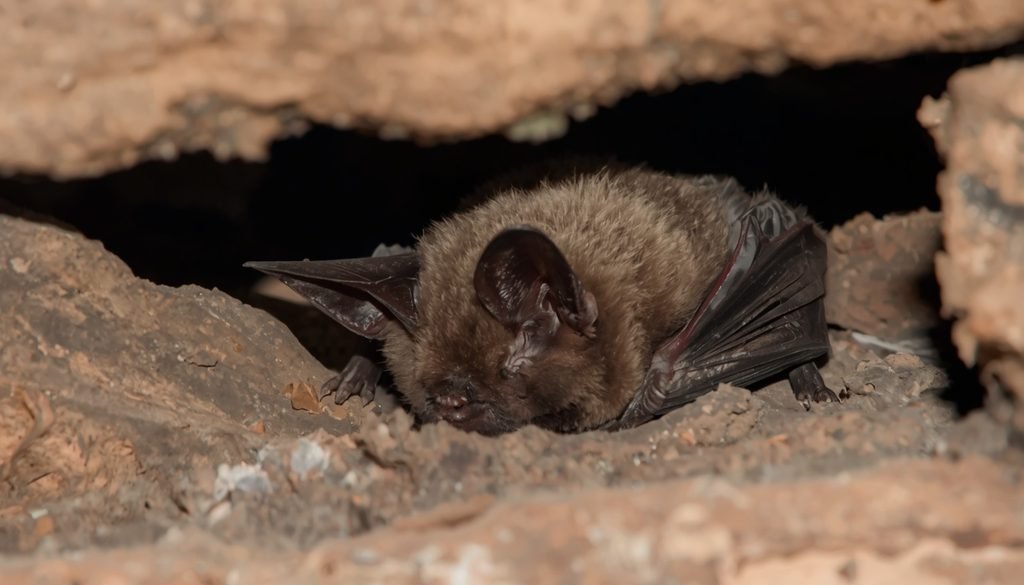
The greater horseshoe bat is an echolocating species known for its distinctive horseshoe-shaped noseleaf. It produces calls and listens for returning echoes to locate insects and navigate around obstacles. Its auditory system is tuned to important features of its own calls and the echoes they create.
This specialization allows the bat to gather information about prey movement in darkness. Like other echolocating bats, it must process sound quickly to react to changing surroundings. The species is different from the greater wax moth: the moth detects very high frequencies, while the bat actively produces sound and analyzes the echoes.
Interesting fact: Horseshoe bats can use consistent-frequency components in their calls to detect movement in flying insects.
14. Seal
Scientific name: Family Phocidae and related pinniped groups
Habitat: Coastal waters and oceans around the world
Special hearing ability: Hearing underwater and, in many species, in air
Seals have auditory systems adapted to life in water. Many can hear effectively underwater, where sound is an important source of information about nearby animals and their environment. Their hearing ranges differ by species, and the balance between underwater and airborne hearing also varies.
Some seals produce sounds to communicate with mates or defend territory. Others may use sound to stay aware of their surroundings. Their auditory adaptations help them function in an environment where visibility can be limited, especially in deep or murky water.
Interesting fact: Many seals hear underwater much more effectively than humans do without specialized equipment.
15. Pigeon
Scientific name: Columba livia
Habitat: Cliffs, cities, farms, and other open environments
Special hearing ability: Detecting sounds, including some very low-frequency signals

Pigeons are best known for their navigation abilities, but hearing also contributes to how they understand their surroundings. They detect ordinary environmental sounds and respond to calls from other birds. Research has also explored how pigeons and other birds respond to low-frequency sound, although claims about long-distance navigation through infrasound should be treated carefully.
Pigeon hearing differs from the highly specialized hearing of bats or the greater wax moth. Still, it is an important part of their sensory world and helps them communicate and react to environmental changes.
Interesting fact: Pigeons combine several senses, including vision and magnetic or other environmental cues, when navigating; hearing is only one part of that system.
How Do Animals Hear Better Than Humans?
1. Different Animals Hear Different Frequencies
Sound frequency is measured in hertz (Hz). Humans typically hear frequencies from around 20 Hz to 20,000 Hz, although hearing range changes with age and health. The greater wax moth can detect much higher frequencies, while elephants are particularly sensitive to very low-frequency sounds.
2. Some Animals Can Locate Sound Precisely
Hearing is not just about detecting a sound. It also helps an animal identify where the sound came from. Barn owls compare tiny differences in sound reaching each ear, while foxes use sound cues to locate prey. This ability is called sound localization.
3. Echolocation Gives Animals Extra Information
Bats and dolphins use echolocation by producing sounds and interpreting the echoes that return. The echoes provide information about distance, direction, and movement. This system is particularly valuable in darkness or underwater environments where vision alone may not be enough.
Read more: What Animal Starts With U
Frequently Asked Questions
1. What animal has the best hearing in the world?
The greater wax moth is known for detecting extremely high-frequency sounds, approaching 300 kHz. However, there is no single winner for every type of hearing. Barn owls excel at locating sounds, elephants detect low frequencies, and bats and dolphins use echolocation.
2. Can any animal hear better than humans?
Yes. Many animals can hear frequencies outside the human hearing range. Dogs and cats detect some higher-frequency sounds, elephants can detect very low frequencies, and some moths hear ultrasound at frequencies far beyond human perception.
3. Which animal has the most sensitive hearing?
The answer depends on how sensitivity is measured. The greater wax moth is remarkable for high-frequency sensitivity, while barn owls are exceptionally accurate at locating sounds. Different species have evolved auditory systems suited to their particular needs.
4. Do elephants hear sounds from miles away?
Elephants communicate using low-frequency calls that can travel long distances under suitable conditions. The distance depends on the sound, terrain, weather, and background noise, so it is not accurate to claim that every elephant call can always be heard over a fixed distance.
5. Why do bats have such good hearing?
Many bats use echolocation to navigate and find food. They produce high-frequency calls and interpret the echoes that return. Their ears and brains are adapted to process these signals quickly, helping them detect insects and avoid obstacles while flying at night.
6. Do dogs or cats have better hearing?
Dogs and cats both hear many sounds beyond the typical human range. Cats are especially capable of detecting high-pitched sounds associated with small prey, while dogs are also skilled at detecting and locating sounds. The winner depends on the frequency and the hearing task being compared.
Conclusion
So, what animal has the best hearing? The greater wax moth stands out for its extraordinary ability to detect very high-frequency ultrasound. Barn owls are exceptional at locating prey by sound, bats and dolphins use echolocation, and elephants are specialists in low-frequency hearing.
These examples show that hearing is not a single ability that can be ranked easily. Each animal has evolved a sound-detection system that supports its survival, whether it needs to hunt in darkness, communicate over distance, or escape a predator.
The next time you hear a bird call or a dog bark, remember that the world sounds very different to other animals. Some can hear signals beyond our perception, revealing just how remarkable the animal kingdom really is.
Explore more fascinating wildlife facts at AnimalFactHubz.com!

One thought on “What Animal Has the Best Hearing? 15 Amazing Animals”