
Introduction
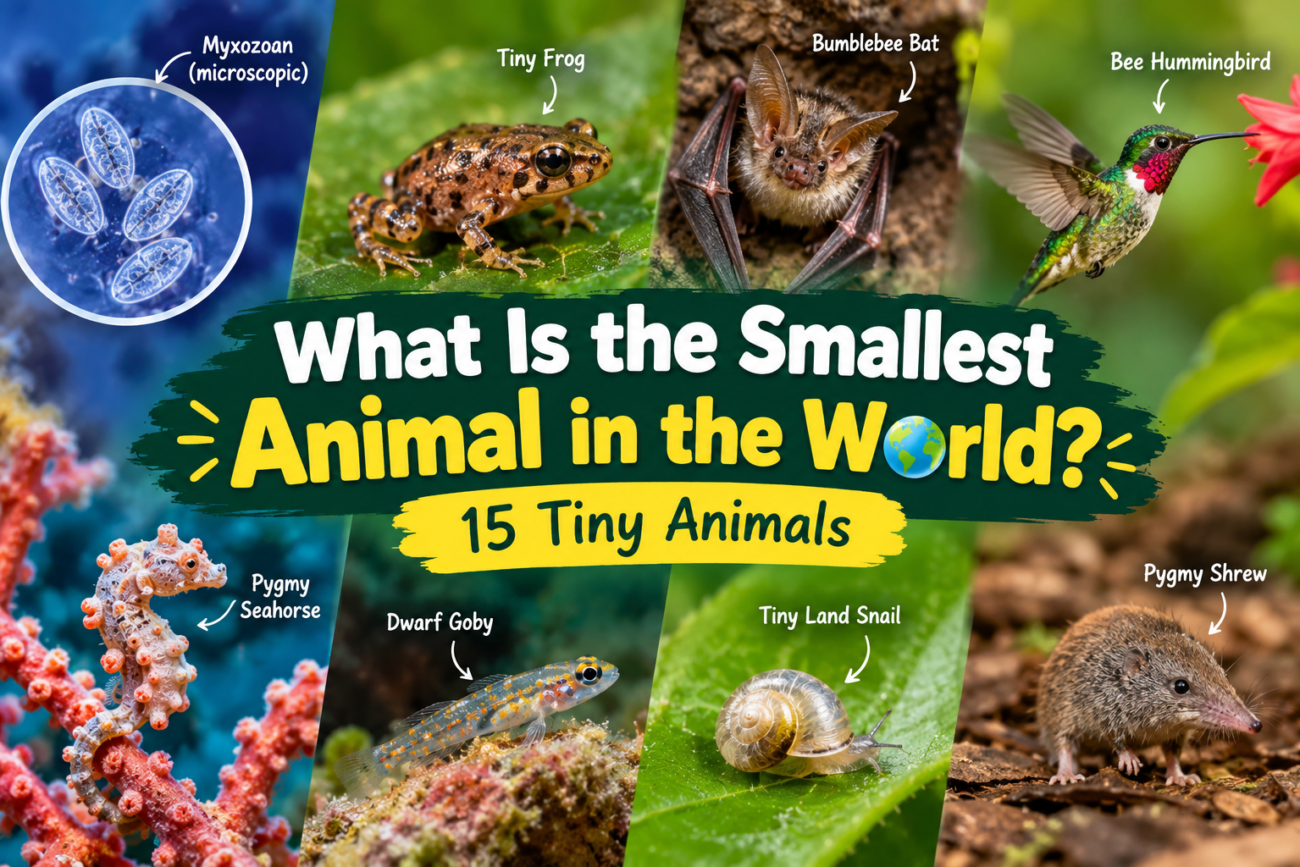
The animal kingdom is full of incredible creatures, but some are so small that you might never notice them without a microscope. From microscopic parasites to tiny frogs, fish, and mammals, these animals demonstrate how life can survive in remarkably small bodies.
If you have ever wondered, what is the smallest animal in the world, the answer depends on how scientists measure size. Some animals are only a few micrometers long, while others hold records as the smallest members of groups such as mammals, birds, and reptiles.
Although these creatures may be tiny, many have fascinating adaptations, unusual feeding habits, and specialized habitats. In this guide, you will discover 15 of the smallest animals in the world, learn where they live, what they eat, and understand what makes each one special.
Quick Answer: What Is the Smallest Animal in the World?
Some myxozoans are among the smallest known animals. These microscopic parasites have extremely simple bodies, and certain species measure only a few micrometers. Myxobolus shekel has been reported at approximately 8.5 micrometers in its mature form. However, the smallest animal overall is different from the smallest vertebrate, mammal, or bird. For example, Paedophryne amauensis is one of the smallest known vertebrates, Kitti’s hog nosed bat is the smallest mammal by body length, and the bee hummingbird is the smallest bird.
1. Myxozoans: Microscopic Animals Among the Smallest Known
Scientific group: Myxozoa
Approximate size: Some species measure only a few micrometers.
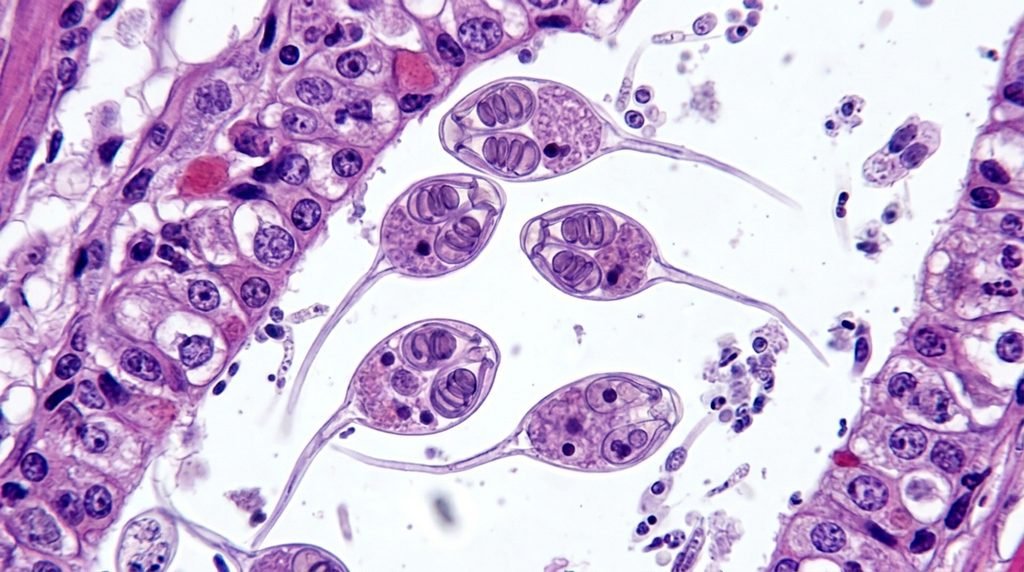
Myxozoans are microscopic parasitic animals that live inside other organisms. Many species infect fish, while others use invertebrates during parts of their life cycles. Their bodies are so simple that they look very different from familiar animals such as birds, reptiles, and mammals.
Despite their unusual appearance, myxozoans belong to the animal kingdom. Their highly specialized parasitic lifestyle helps them survive at an exceptionally small size. Scientists use microscopes to study their structures and life cycles. These tiny organisms demonstrate that animals do not need large or complex bodies to develop specialized ways of living.
2. Rotifers: Tiny Animals With Wheel Like Structures
Scientific group: Rotifera
Approximate size: Many species are less than one millimeter long.
Rotifers are tiny animals commonly found in freshwater ponds, lakes, and damp environments. They are sometimes called wheel animals because the moving cilia around their heads can create the appearance of spinning wheels. These cilia help draw food particles toward their mouths.
Most rotifers feed on microscopic algae, bacteria, and organic material. They are an important part of aquatic food webs because they transfer energy to larger organisms. Although many rotifers are almost invisible to the naked eye, their bodies contain specialized structures that help them move, feed, and reproduce.
3. Tardigrades: The Famous Water Bears
Scientific group: Tardigrada
Approximate size: Commonly around 0.1–1 millimeter.
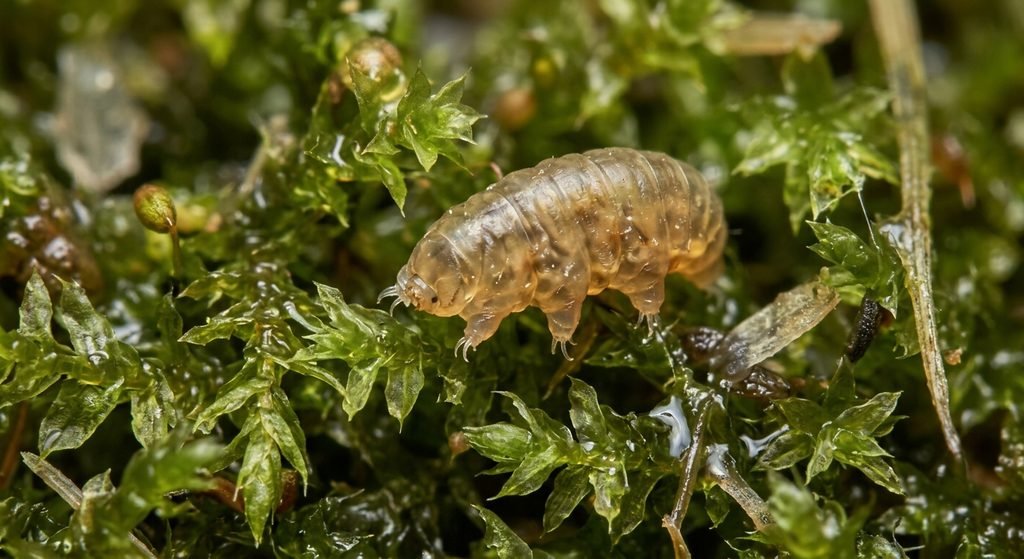
Tardigrades are microscopic animals with plump bodies and eight short legs. Their nickname, water bears, comes from their unusual appearance and slow movements. They live in moss, soil, freshwater, and marine environments, where different species feed on plant cells, algae, or tiny organisms.
Some tardigrades can enter a dormant state called cryptobiosis when their environment becomes unfavorable. During this state, their biological activity decreases dramatically. Certain species can survive extreme conditions while dormant, although they are not indestructible. Their remarkable survival abilities have made them popular subjects in scientific research.
4. Fairyflies: Among the Smallest Insects
Scientific group: Mymaridae
Approximate size: Some species measure around 0.2 millimeters.
Fairyflies are tiny parasitic wasps that belong to a group known for its extremely small members. Despite their name, they are not true flies. Their delicate wings and miniature bodies make them difficult to observe without magnification.
Female fairyflies lay their eggs inside the eggs of other insects. Their developing young use the host egg as a food source. This specialized reproductive strategy allows them to survive in a very small space. Fairyflies also play an ecological role by helping regulate populations of other insects.
5. Microscopic Mites: Tiny Members of the Arachnid Group
Scientific group: Acari
Approximate size: Many species are smaller than one millimeter.
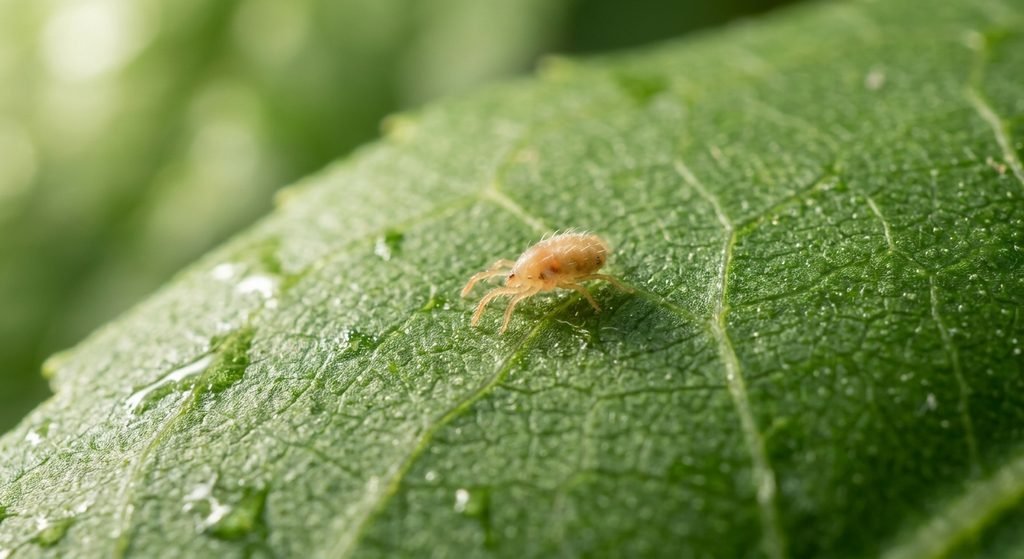
Mites belong to the arachnid group, which also includes spiders and ticks. Many mites are so small that their bodies are difficult to see clearly without a microscope. They inhabit soil, leaf litter, freshwater, vegetation, and even the bodies of plants or animals.
Their diets depend on the species. Some feed on fungi and decaying organic matter, while others hunt tiny organisms or live as parasites. Because mites include many different species, there is no single size that represents the entire group. Their small bodies allow them to explore narrow spaces and occupy specialized habitats.
6. Paedophryne amauensis: One of the Smallest Vertebrates
Scientific name: Paedophryne amauensis
Approximate adult body length: Around 7–8 millimeters.
Paedophryne amauensis is a miniature frog discovered in Papua New Guinea. It is recognized as one of the smallest known vertebrates. Its tiny body allows it to move through damp leaf litter on the tropical forest floor, where larger frogs may struggle to access narrow spaces.
This frog feeds on very small invertebrates. Because it is difficult to spot among fallen leaves, researchers may detect its calls before locating the animal itself. Its exceptionally small size makes it an important example of evolutionary miniaturization among vertebrates.
7. Paedocypris progenetica: A Tiny Fish
Scientific name: Paedocypris progenetica
Approximate size: Some mature individuals measure less than one centimeter.
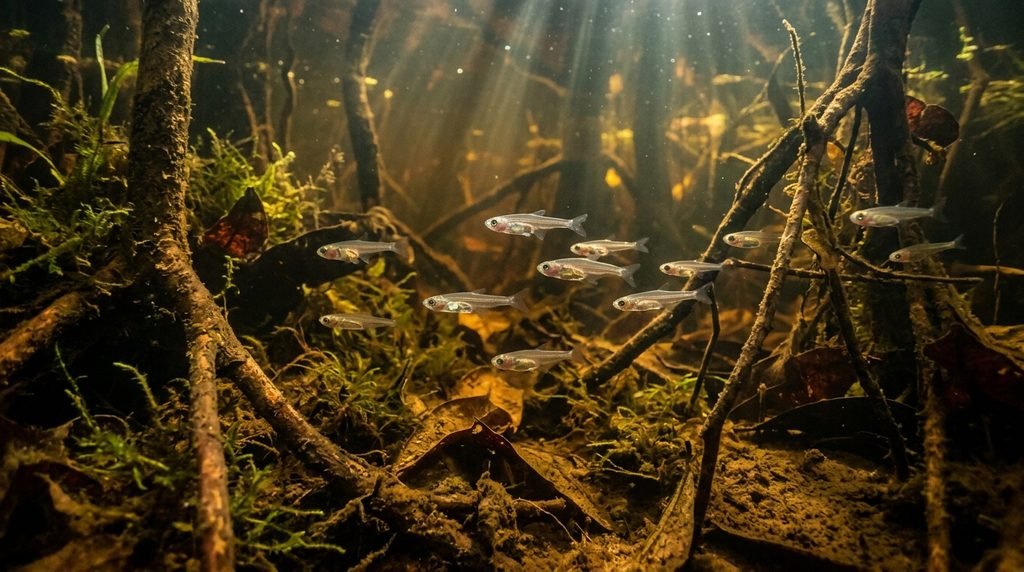
Paedocypris progenetica is a miniature fish associated with peat swamp habitats in Southeast Asia, particularly Sumatra. Its tiny body and unusual development have made it important in research on how vertebrates evolve exceptionally small sizes.
These fish live in dark, acidic water within forested wetland environments. Their specialized habitat can be threatened by peatland drainage, deforestation, and environmental changes. The species is frequently discussed among the smallest known fish and vertebrates, although exact rankings depend on the species and measurement being compared.
8. Kitti’s Hog-Nosed Bat: The Bumblebee Bat
Scientific name: Craseonycteris thonglongyai
Approximate body length: About 29–33 millimeters.
Kitti’s hog nosed bat is commonly called the bumblebee bat because of its extremely small body. It is widely recognized as the smallest living mammal by body length. Its distinctive nose, delicate wings, and tiny body make it one of the most unusual mammals in the world.
This bat lives in limestone caves in parts of Thailand and Myanmar. It feeds on small insects and generally forages near its roost. Despite its size, it can fly, navigate its surroundings, and locate prey. Its specialized anatomy demonstrates how mammals can adapt to life at a very small scale.
9. Etruscan Shrew: A Tiny Mammal
Scientific name: Suncus etruscus
Approximate weight: Often around 1.5–2.5 grams.
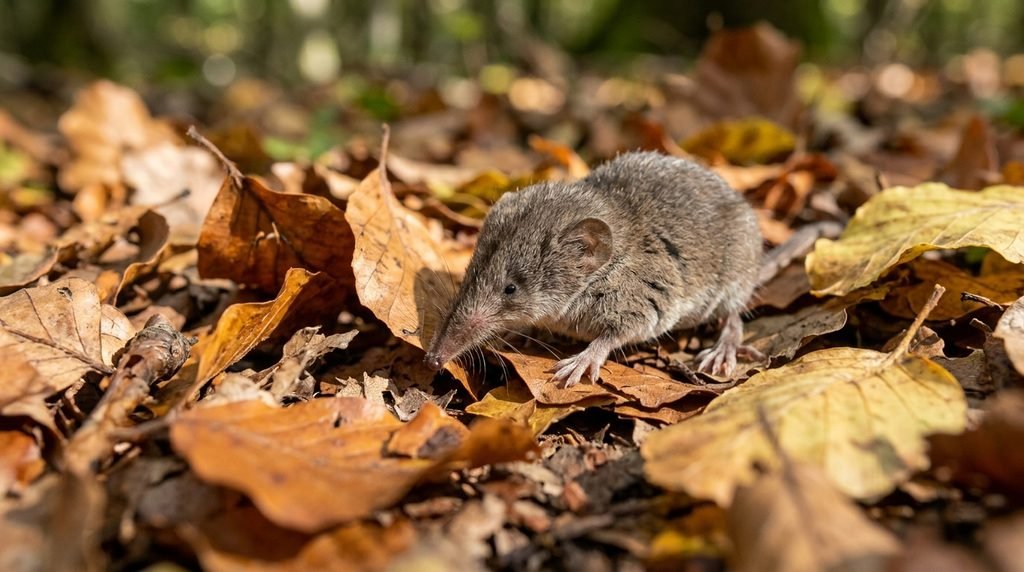
The Etruscan shrew is one of the lightest mammals in the world. It has a pointed snout, a small body, and a rapid metabolism. Because it uses energy quickly, it must feed frequently to maintain its activity.
This shrew occurs across parts of Europe, Africa, and Asia. It searches for insects and other tiny invertebrates in grass, leaf litter, and sheltered areas. Although the bumblebee bat is shorter in body length, the Etruscan shrew is famous for its extremely low body mass. It shows why scientists must specify the measurement when comparing the world’s smallest mammals.
10. Bee Hummingbird: The World’s Smallest Bird
Scientific name: Mellisuga helenae
Approximate length: Around 5–6 centimeters.
The bee hummingbird is native to Cuba and is widely recognized as the smallest living bird. It is so small that it can appear similar in size to a large insect from a distance. Despite its tiny body, it can hover in the air and move rapidly between flowers.
Its diet mainly consists of nectar, although it also eats tiny insects and spiders for protein. Like other hummingbirds, it has specialized feeding adaptations that allow it to reach nectar inside flowers. Its small size means it must manage its energy carefully and feed regularly.
11. Acmella nana: A Tiny Land Snail
Scientific name: Acmella nana
Approximate shell size: Around one millimeter.
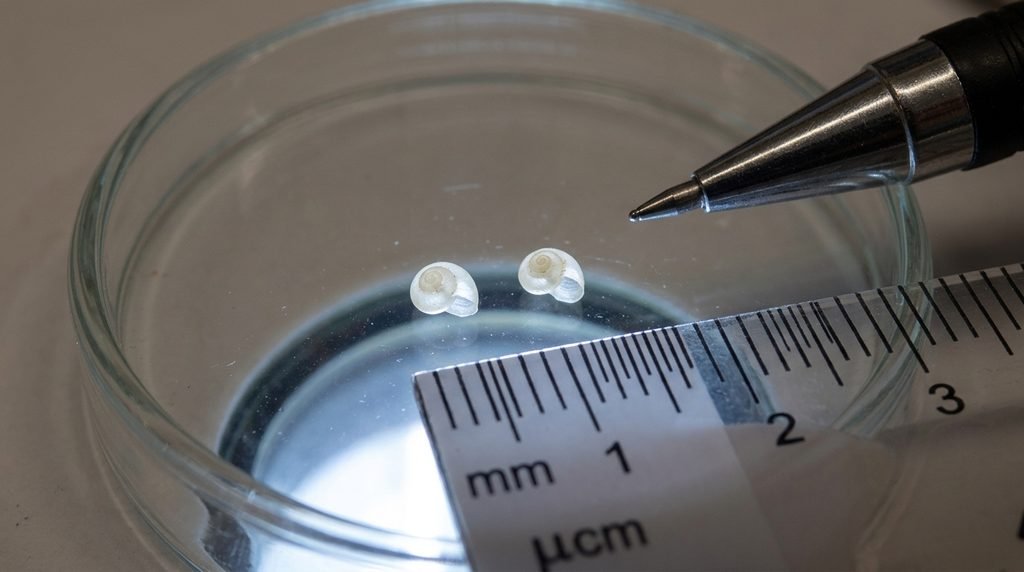
Acmella nana is a miniature land snail described from Southeast Asia. Its shell is exceptionally small and requires magnification for researchers to examine its detailed structure. Like other land snails, it belongs to the mollusk group.
Tiny snails may inhabit damp leaf litter, soil, and vegetation. Depending on the species, they can feed on microscopic films of algae, fungi, and organic material. Their small size allows them to occupy narrow spaces that larger snails cannot easily access. However, details about their diet and behavior may be limited when a species is rarely observed.
12. Brookesia nana: A Miniature Chameleon
Scientific name: Brookesia nana
Approximate total length: The described male measures about 21.6 millimeters.
Brookesia nana is a miniature chameleon described from northern Madagascar. It is among the leading candidates for the smallest reptile species. Its tiny body and camouflage help it blend into the forest floor, where it can hunt small invertebrates.
Like other chameleons, it has specialized eyes suited to spotting prey. However, its size is much smaller than that of most familiar chameleons. Scientists have described very few specimens, so its population, behavior, and conservation needs require further study. It is a striking example of how reptiles can evolve extremely small bodies.
13. Pygmy Seahorses: Tiny Marine Fish
Animal group: Pygmy seahorses
Approximate size: Many species measure only a few centimeters.
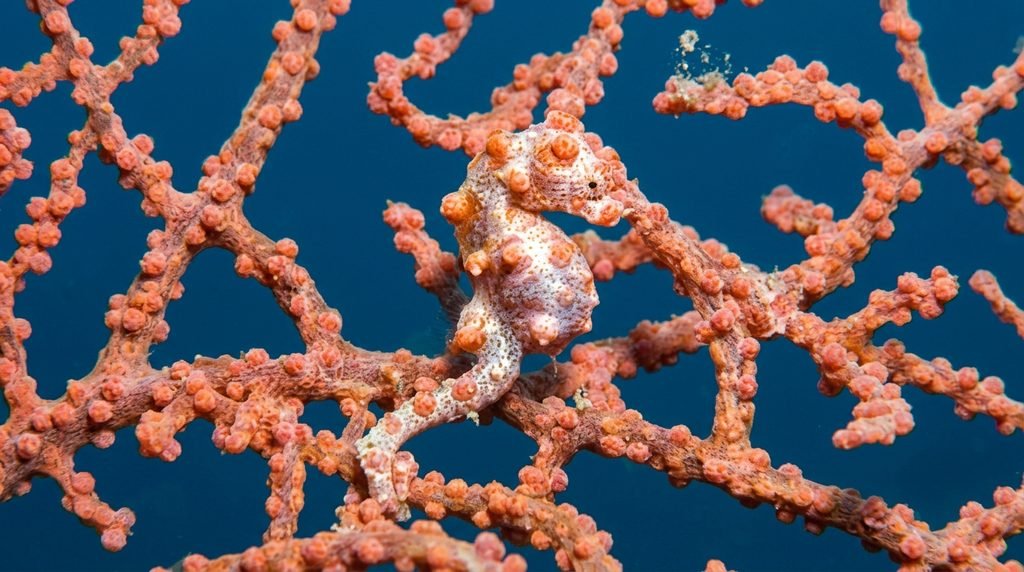
Pygmy seahorses are small marine fish famous for their camouflage. Several species live among sea fans and coral habitats, where their body colors and shapes help them blend into their surroundings. Their tiny size makes them difficult to spot, even for experienced divers.
They feed on tiny crustaceans and other small marine animals, sucking prey into their mouths. Different pygmy seahorse species vary in size and habitat, so the group should not be treated as one single record holder. Their dependence on coral associated environments also makes habitat protection important for their survival.
14. Dwarf Gobies: Some of the Smallest Fish
Animal group: Dwarf gobies
Approximate size: Some species measure around one to two centimeters or less.
Dwarf gobies include tiny fish found in marine and freshwater environments. Some species live among coral rubble, shallow reefs, or aquatic vegetation. Their small bodies help them hide in narrow spaces and avoid predators.
These fish generally feed on small crustaceans and other aquatic organisms. Their size demonstrates how fish can adapt to very specialized habitats. Because dwarf gobies include multiple species, their measurements differ. Scientists must compare mature individuals and verify the scientific name before identifying any species as a record holder for the smallest fish.
15. Pygmy Shrews: Small Mammals With Fast Metabolisms
Animal group: Pygmy shrews
Approximate size: Depends on the species; many are only a few centimeters long.
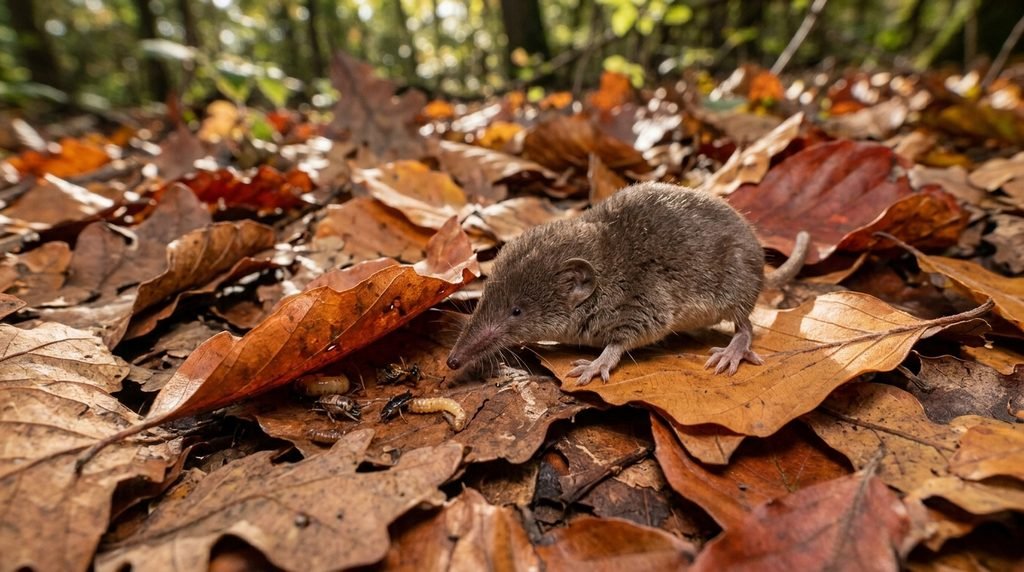
Pygmy shrews are tiny insect eating mammals found in habitats such as forests, grasslands, and areas with dense ground cover. Their pointed snouts help them search for insects, larvae, and other small invertebrates among soil and fallen leaves.
Like other shrews, they have high energy requirements and need regular access to food. Their small size allows them to explore narrow spaces, but it also limits the energy they can store. Since the term pygmy shrew can refer to different species, the exact body measurements and records should be checked for the particular species being discussed.
What Makes an Animal the Smallest in the World?
Scientists compare animals using measurements such as body length, body mass, and overall dimensions. A microscopic parasite may be much shorter than a frog, while a mammal may be considered the smallest because of its exceptionally low weight.
Age is also important. A newborn animal may be smaller than an adult of another species, but that does not make it the smallest adult animal. Reliable comparisons require clear measurements and information about whether the specimen is mature.
What Is the Smallest Vertebrate in the World?
Paedophryne amauensis is recognized as one of the smallest known vertebrates, with adults measuring around 7–8 millimeters in body length. The miniature fish Paedocypris progenetica is another major contender. Their exact ranking depends on the measurement used and the scientific records being compared.
What Is the Smallest Mammal in the World?
Kitti’s hog nosed bat is widely recognized as the smallest living mammal by body length. The Etruscan shrew is another leading candidate when body mass is considered. The difference highlights why scientists must specify whether they are comparing length, weight, or another measurement.
Why Are Some Animals So Small?
Small body size can help animals occupy narrow spaces, feed on tiny prey, or live inside a host. Evolutionary miniaturization has occurred in many groups, including insects, frogs, fish, and reptiles.
However, tiny animals also face challenges. They may lose water quickly, have limited energy reserves, or need to feed frequently. Their survival often depends on specialized adaptations, suitable habitats, and efficient ways of finding food and avoiding predators.
How Do Scientists Measure the Smallest Animals?
Scientists use microscopes, precise measuring tools, and carefully examined specimens to study tiny animals. Depending on the species, they may measure body length, shell dimensions, or body mass.
Researchers also check whether specimens are adults and compare multiple individuals whenever possible. This helps prevent a young animal from being incorrectly identified as a species’ smallest adult. New discoveries and updated classifications can change records, so scientific measurements must be interpreted carefully.
Read More: What Animal Starts With Y
Frequently Asked Questions About the Smallest Animals
What is the smallest animal in the world?
Some myxozoans are among the smallest known animals. Myxobolus shekel has been reported at approximately 8.5 micrometers in its mature form. The smallest animal overall is a different category from the smallest vertebrate, mammal, or bird.
What is the smallest animal visible to the naked eye?
There is no single universal answer because visibility depends on lighting, contrast, eyesight, and viewing distance. Some tiny insects and aquatic animals can be seen without a microscope, although magnification may be needed to observe their body details.
What is the smallest vertebrate in the world?
Paedophryne amauensis is recognized as one of the smallest known vertebrates, with adults measuring around 7–8 millimeters in body length. The miniature fish Paedocypris progenetica is another important contender.
What is the smallest mammal in the world?
Kitti’s hog nosed bat is widely recognized as the smallest living mammal by body length. The Etruscan shrew is often compared with it because of its exceptionally low body mass.
Are tardigrades the smallest animals in the world?
No. Tardigrades are famous microscopic animals, but they are not the smallest known animals overall. Certain myxozoans are much smaller, with some species measuring only a few micrometers.
Why are some animals smaller than a grain of sand?
Some animals have evolved extremely small bodies to occupy specialized habitats or live as parasites. Their biological structures are tiny, yet they remain adapted to feed, grow, and reproduce in their particular environments.
Final Thoughts on the Smallest Animals in the World
The smallest animals in the world reveal just how diverse life can be. Microscopic myxozoans, miniature frogs, tiny fish, small mammals, and the bee hummingbird each demonstrate a different form of biological miniaturization. There is no single measurement that answers every smallest animal question, so understanding the category is just as important as knowing the record. From microscopic habitats to tropical forests and coral reefs, these remarkable creatures play important roles in nature. Explore more fascinating wildlife facts on AnimalFactHubz.com.

One thought on “What Is the Smallest Animal in the World? 15 Tiny Animals”