
Introduction
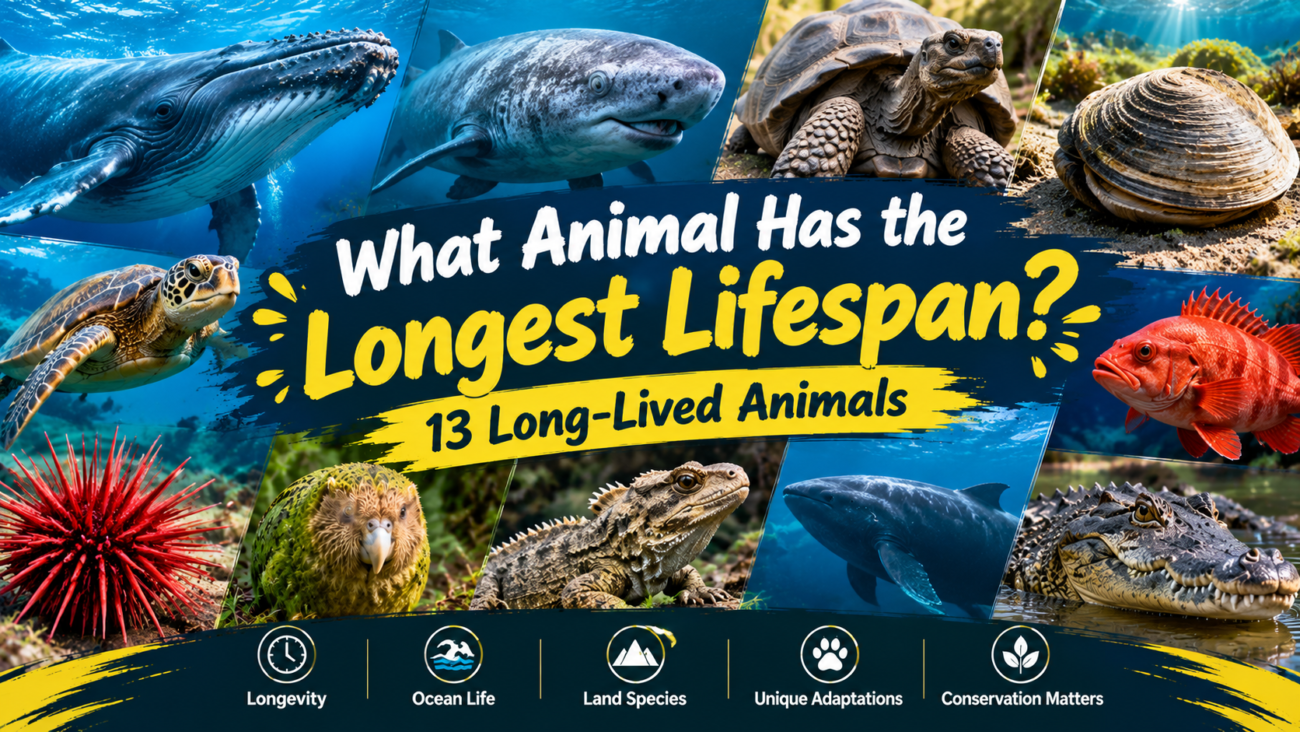
Some animals live for only a few days or years, while others can survive for decades or even centuries. The natural world contains creatures with remarkable longevity, including ancient tortoises, deep sea fish, long lived whales, and tiny marine animals that can outlive several human generations. But what animal has the longest lifespan?
The answer depends on how scientists measure age and what we mean by “longest lived.” The ocean quahog is famous for an individual that lived for more than 500 years, while Greenland sharks may survive for several centuries based on scientific age estimates. Bowhead whales can live for more than 200 years, and some red sea urchins and freshwater pearl mussels can also reach extraordinary ages.
In this guide, we explore 13 of the world’s longest lived animals and explain how old they can become, where they live, what they eat, and why their lifespans are so unusual.
Quick Answer: What Animal Has the Longest Lifespan?
The ocean quahog (Arctica islandica) is one of the strongest answers when discussing the longest lived individual animal. A famous specimen known as Ming was estimated to have lived for more than 500 years. Greenland sharks are another exceptional case, with scientific estimates suggesting some may live for several centuries. Bowhead whales can exceed 200 years, making them the longest lived mammals. However, the answer changes if colonial animals such as certain corals are included, because some coral colonies may persist for thousands of years.
1. Ocean Quahog
Scientific Name: Arctica islandica
Class: Mollusk
Diet: Filter feeder
Habitat: Cold marine seabeds
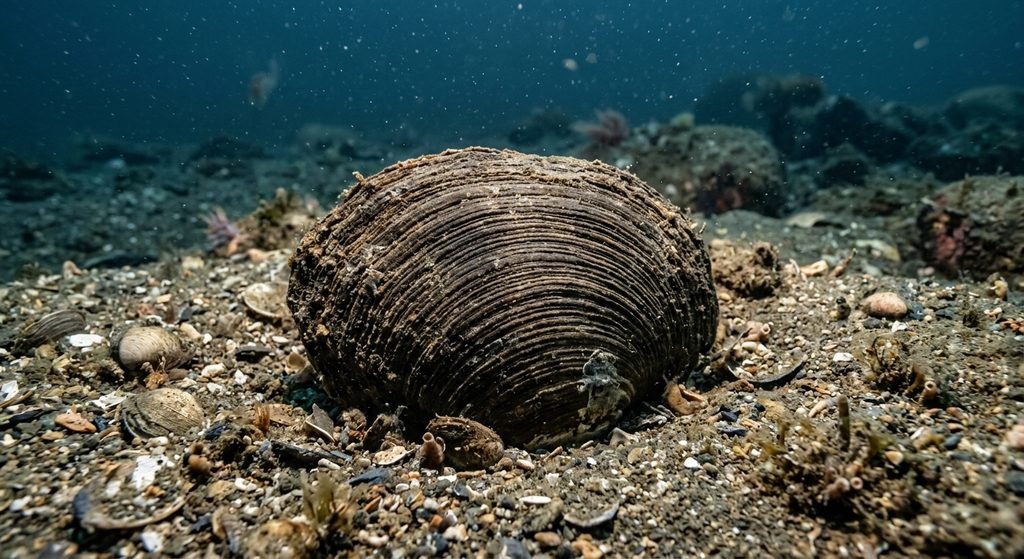
The ocean quahog is a small marine clam famous for its extraordinary longevity. Some individuals can live for centuries, and NOAA describes ocean quahogs as among the longest lived marine organisms. A famous specimen from Iceland was estimated to have reached more than 500 years old.
These clams live buried in ocean sediments and filter tiny food particles from seawater. Their slow growth and low energy lifestyle are thought to contribute to their exceptional lifespan.
Conservation Status: Not generally threatened throughout its range, although local fisheries can affect populations.
Interesting fact: An ocean quahog can potentially live for several human lifetimes.
2. Greenland Shark
Scientific Name: Somniosus microcephalus
Class: Fish
Diet: Carnivore
Habitat: Deep cold Arctic and North Atlantic waters
The Greenland shark is considered the longest lived vertebrate known to science. Scientists have used carbon dating of proteins in the shark’s eye lens to estimate its age. One large female was estimated to be between 272 and 512 years old, although these figures are estimates rather than directly observed ages.
Greenland sharks grow extremely slowly and live in cold, deep water. Their slow metabolism may help explain their remarkable longevity.
Conservation Status: Vulnerable.
Interesting fact: Greenland sharks may not reach sexual maturity until they are more than a century old.
3. Bowhead Whale
Scientific Name: Balaena mysticetus
Class: Mammal
Diet: Filter feeder
Habitat: Arctic and subarctic waters
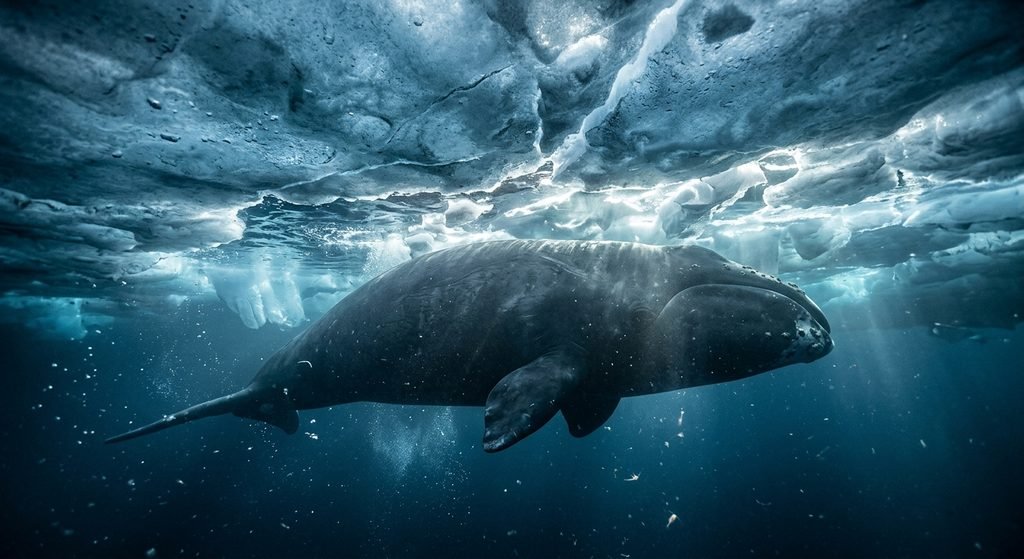
The bowhead whale is the longest lived mammal. Scientists have found evidence that these massive Arctic whales can live for more than 200 years. Historical harpoon fragments found in harvested whales helped provide early evidence of their extraordinary age, while modern techniques have improved age estimates.
Bowheads feed mainly on tiny marine organisms such as zooplankton. Their enormous heads and thick blubber help them survive beneath seasonal Arctic sea ice.
Conservation Status: Protected and conservation managed; some populations remain vulnerable to human pressures.
Interesting fact: Bowhead whales may live through several generations of humans.
4. Rougheye Rockfish
Scientific Name: Sebastes aleutianus
Class: Fish
Diet: Carnivore
Habitat: Deep rocky ocean habitats
Rougheye rockfish are among the longest lived fish species known. Fisheries research has documented individuals at more than 200 years old, with NOAA records including a projected age of 205 years.
They live in deep, cold marine environments and grow slowly. Like several other long lived fish, their slow growth and late maturity make them particularly sensitive to heavy fishing pressure.
Conservation Status: Conservation concerns vary by population and fishery.
Interesting fact: Some rougheye rockfish may spend more than two centuries in the ocean.
5. Aldabra Giant Tortoise
Scientific Name: Aldabrachelys gigantea
Class: Reptile
Diet: Herbivore
Habitat: Grasslands, scrub, mangroves, and coastal areas
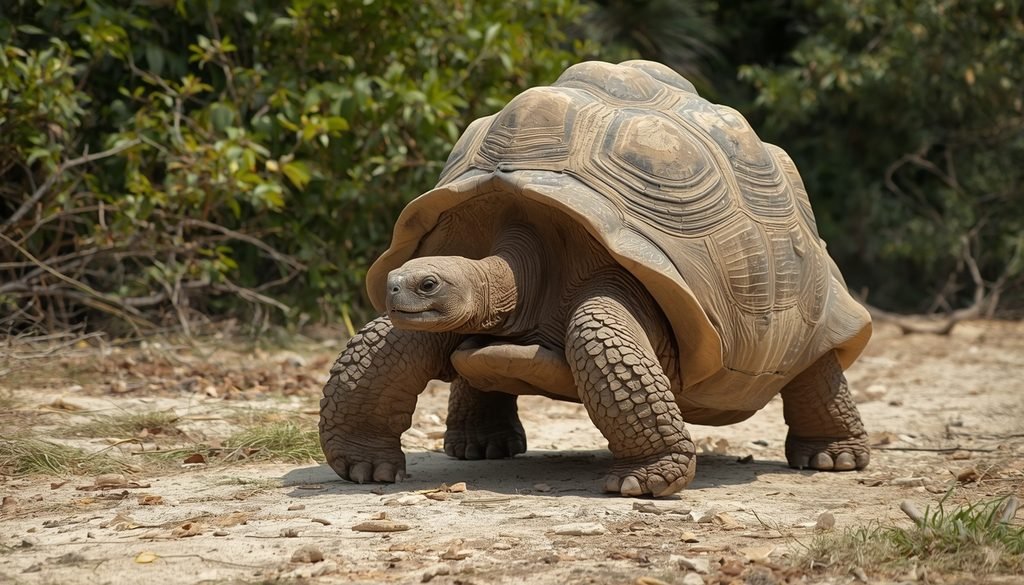
The Aldabra giant tortoise is one of the world’s most famous long lived land animals. These enormous reptiles can reach ages of more than 100 years, although exact maximum ages are difficult to establish because historical records were not always maintained.
They live on Aldabra Atoll in the Seychelles and feed mainly on grasses, leaves, herbs, and other vegetation. Their slow metabolism and protected island lifestyle are associated with their long lives.
Conservation Status: Vulnerable.
Interesting fact: Aldabra tortoises are among the largest living land tortoises.
6. Galápagos Giant Tortoise
Scientific Name: Chelonoidis species
Class: Reptile
Diet: Herbivore
Habitat: Galápagos grasslands, forests, and dry scrub
Galápagos giant tortoises are another group of animals known for extraordinary longevity. Many individuals can live for well over 100 years, although lifespan varies among species and populations.
Their slow metabolism, large bodies, herbivorous diet, and relatively stable island environments are among the traits associated with their long lives. Their shells also provide strong physical protection.
Conservation Status: Varies by species; several Galápagos giant tortoise species are threatened.
Interesting fact: Their exceptionally slow life history means they mature late and reproduce over many decades.
7. Orange Roughy
Scientific Name: Hoplostethus atlanticus
Class: Fish
Diet: Carnivore
Habitat: Deep cold ocean waters
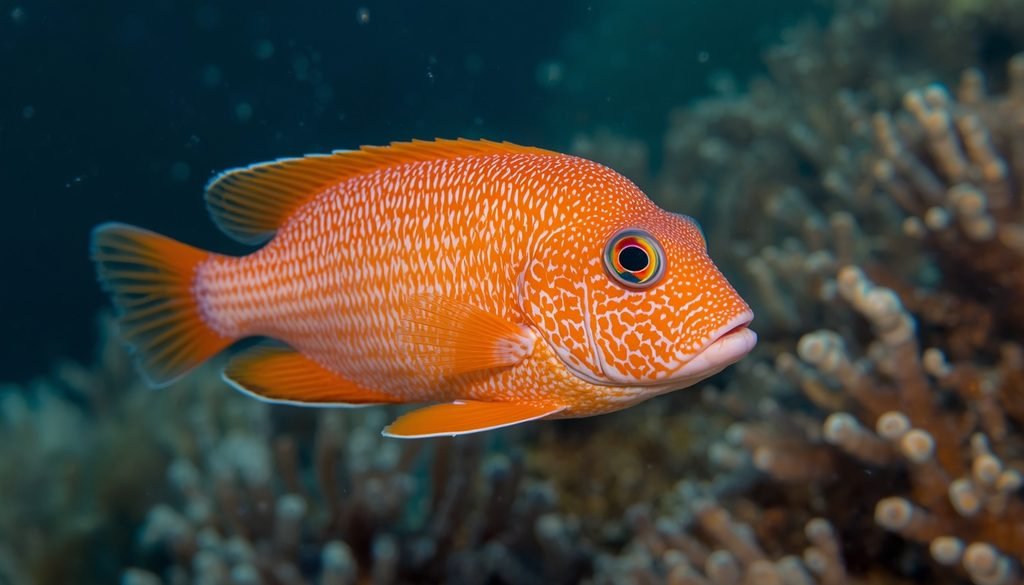
Orange roughy are deep sea fish with an unusually slow life history. FishBase reports a maximum age of about 149 years, making this species one of the longest lived commercial fish.
They live along deep continental slopes, ocean ridges, and seamounts. Their diet includes crustaceans, fish, squid, and other small marine organisms. Because they grow slowly and mature late, populations can take a long time to recover from heavy fishing.
Conservation Status: Conservation concerns are significant in areas affected by intensive fishing.
Interesting fact: Orange roughy can spend much of their lives in water hundreds of meters below the surface.
8. Red Sea Urchin
Scientific Name: Mesocentrotus franciscanus
Class: Echinoderm
Diet: Herbivore
Habitat: Rocky coastal waters and kelp forests
The red sea urchin is a spiny marine invertebrate found along the Pacific coast of North America. It feeds mainly on algae and kelp and uses its tube feet and spines for movement and protection.
Scientists have found evidence that some red sea urchins can reach around 200 years of age. Research into this species is especially interesting because it can show very little obvious age related decline.
Conservation Status: Managed regionally in areas where it is harvested.
Interesting fact: Some red sea urchins may continue growing and reproducing at remarkably old ages.
9. Freshwater Pearl Mussel
Scientific Name: Margaritifera margaritifera
Class: Mollusk
Diet: Filter feeder
Habitat: Clean, cool rivers and streams
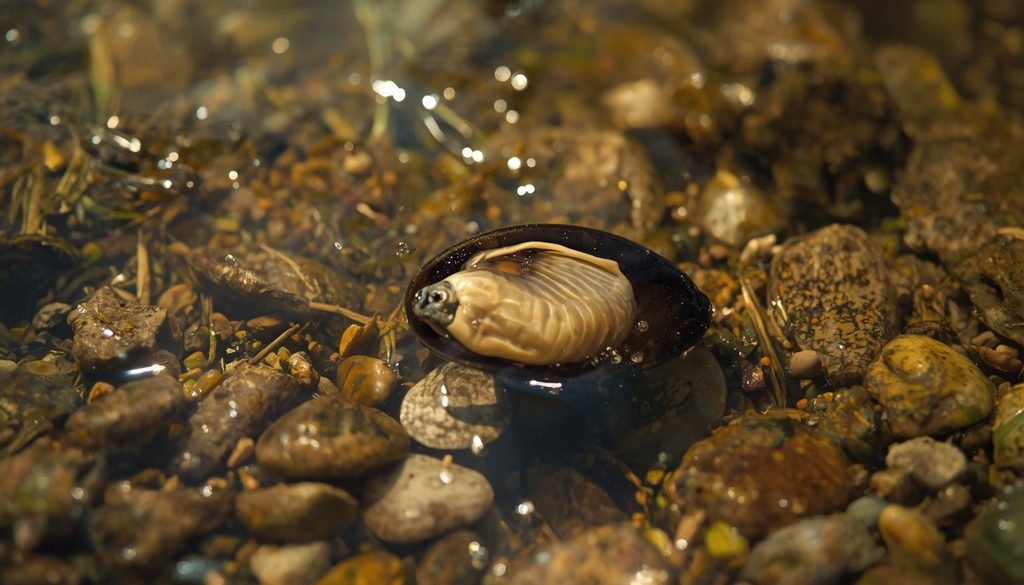
The freshwater pearl mussel is one of the longest lived freshwater invertebrates. Individuals commonly reach more than 100 years, while some northern populations have produced much older specimens. Research has reported maximum ages exceeding 200 years in some populations.
These mussels filter food particles from flowing water. They require clean, well functioning river systems, and their complicated life cycle makes them particularly vulnerable to pollution, sedimentation, and habitat changes.
Conservation Status: Endangered in many parts of its range.
Interesting fact: Some freshwater pearl mussels can live longer than most humans.
10. Lake Sturgeon
Scientific Name: Acipenser fulvescens
Class: Fish
Diet: Carnivore / bottom feeder
Habitat: Freshwater lakes and rivers
Lake sturgeon are ancient freshwater fish native to North America. The U.S. Fish and Wildlife Service reports that the largest and oldest individuals can reach about 150 years, while many adults live between 50 and 100 years.
They feed mainly on organisms living near the bottom, including invertebrates and other small aquatic prey. Their slow growth and late maturity make them vulnerable to overharvesting and habitat fragmentation.
Conservation Status: Conservation status varies by jurisdiction, with many populations requiring restoration.
Interesting fact: Lake sturgeon existed long before modern humans and have a fossil history stretching back millions of years.
11. Brandt’s Myotis
Scientific Name: Myotis brandtii
Class: Mammal
Diet: Insectivore
Habitat: Forests, caves, and woodland areas
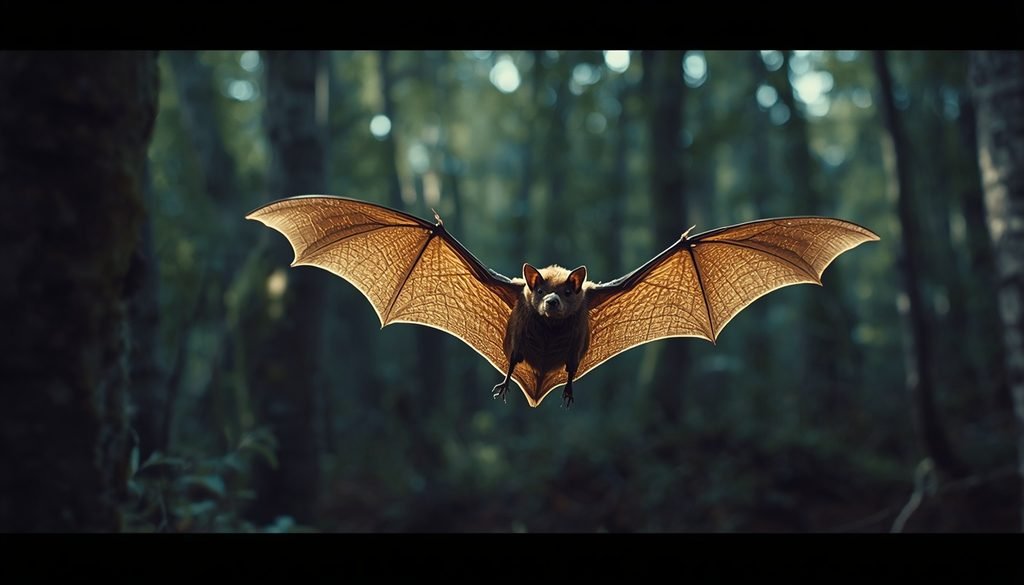
Brandt’s myotis is a tiny bat that demonstrates how body size does not always predict lifespan. A male associated with the Brandt’s bat longevity record was documented at more than 40 years old. Bat Conservation International notes that bats can live much longer than other mammals of similar size.
This small insect eating bat catches moths, flies, spiders, wasps, and other insects. Its long lifespan is especially remarkable because many small mammals normally have relatively short lives.
Conservation Status: Least Concern.
Interesting fact: A bat weighing only a few grams can survive for decades.
12. Kākāpō
Scientific Name: Strigops habroptilus
Class: Bird
Diet: Herbivore
Habitat: Predator free islands and protected forests in New Zealand
The kākāpō is a flightless, nocturnal parrot from New Zealand and one of the world’s most unusual birds. The Department of Conservation estimates that kākāpō can live for approximately 60–90 years, potentially making them one of the longest lived bird species.
Kākāpō eat leaves, fruit, seeds, and other plant material. Their slow breeding cycle means population recovery can take considerable time. Intensive conservation work has helped protect this critically endangered bird from introduced predators and other threats.
Conservation Status: Critically endangered / nationally critical.
Interesting fact: Kākāpō are the world’s only lek breeding parrots.
13. Tuatara
Scientific Name: Sphenodon punctatus
Class: Reptile
Diet: Carnivore / insectivore
Habitat: Predator free islands and coastal forest
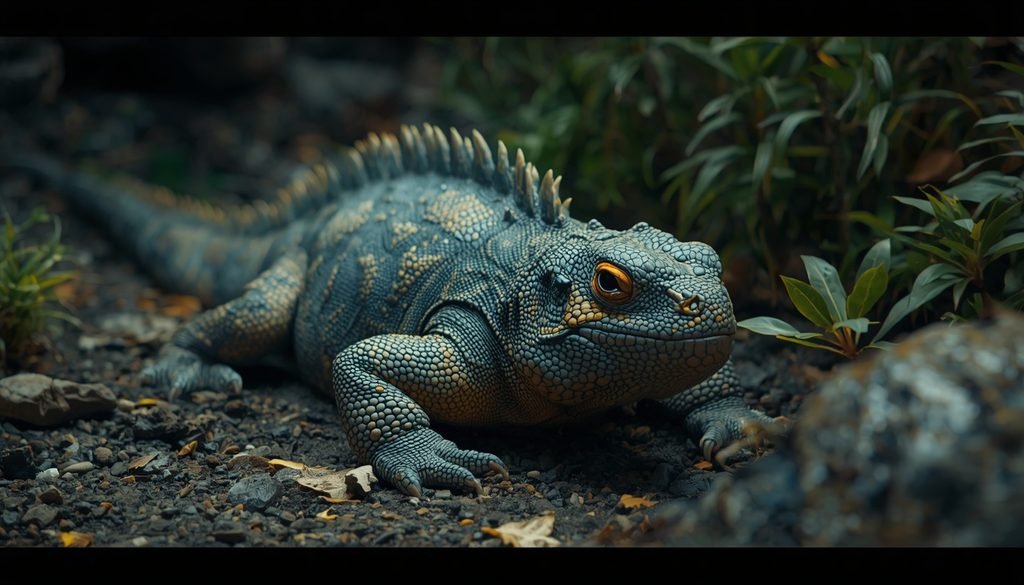
The tuatara is a remarkable reptile native to New Zealand. Although it resembles a lizard, it belongs to a separate ancient reptile lineage. New Zealand’s Department of Conservation states that tuatara have an average lifespan of around 60 years but can live up to approximately 100 years.
Tuatara grow very slowly and may continue growing for decades. Their ability to remain active in relatively cool temperatures is unusual among reptiles.
Conservation Status: Protected and conservation managed.
Interesting fact: Tuatara are the only surviving members of an ancient reptile order.
What Is the Longest Living Animal?
If we are talking about a single individual animal with a well known age record, the ocean quahog is one of the strongest answers. A specimen from Iceland was estimated to have lived for more than 500 years. Greenland sharks may also reach several centuries, but their ages are estimated through scientific dating methods rather than observed from birth to death.
The answer becomes more complicated if colonial animals are included. Some corals can persist for thousands of years because genetically connected colonies continually regenerate.
Why Do Some Animals Live So Long?
Scientists believe extreme longevity can result from several interacting biological and environmental factors. Slow growth, low metabolic rates, cold environments, delayed reproduction, efficient cellular maintenance, and relatively low predation can all play roles in different species.
There is no single “longevity formula.” A Greenland shark’s slow metabolism is very different from the biology of a bowhead whale or a freshwater pearl mussel. Researchers continue to study these animals because understanding how they resist aging may reveal important clues about cellular repair and longevity.
What Mammal Has the Longest Lifespan?
The bowhead whale is generally recognized as the longest lived mammal. Evidence indicates that these Arctic whales can live for more than 200 years. Their exceptionally long lives are associated with unusual physiological and genetic traits, including mechanisms involved in repairing damaged DNA.
Other long mlived mammals include certain bats, but none currently approach the bowhead whale’s known longevity.
What Fish Has the Longest Lifespan?
The Greenland shark is the best known answer for the longest lived fish and vertebrate. Scientific estimates have placed some individuals at several centuries old. A large female examined in one study was estimated to be between 272 and 512 years old, although carbon dating provides an age range rather than a precise birthday.
Read more: 12 Rarest Animals in the World
FAQs About the Longest Living Animals
What animal has the longest lifespan?
The ocean quahog is one of the best answers when considering individual animal age records. A famous specimen was estimated to have lived for more than 500 years. Greenland sharks may also survive for several centuries, while some colonial corals can persist for thousands of years.
What animal can live for 500 years?
The ocean quahog can reach extraordinary ages. One famous specimen was estimated to be more than 500 years old. This makes the species one of the most remarkable examples of animal longevity ever documented.
Is the Greenland shark the longest living animal?
The Greenland shark is considered the longest lived known vertebrate, but it is not necessarily the oldest animal overall. Age estimates for some individuals reach several centuries, while ocean quahogs have documented estimates above 500 years. Colonial corals create another category because their colonies can survive for thousands of years.
What mammal has the longest lifespan?
The bowhead whale has the longest known lifespan among mammals. Scientists believe bowhead whales can live for more than 200 years. Their ability to survive in Arctic waters and their unusual biological adaptations are important areas of longevity research.
What is the longest living fish?
The Greenland shark is considered the longest lived fish and vertebrate known. Scientists estimate that some individuals can live for several centuries. Because these ages are calculated using scientific dating techniques, they should be described as estimates rather than exact confirmed ages.
Why do some animals live so long?
Long lived animals often have unusual combinations of slow growth, low metabolism, delayed maturity, strong cellular maintenance, and environmental conditions that reduce threats. However, each species is different, and scientists are still investigating the biological mechanisms behind extreme animal longevity.
Final Thoughts
The natural world contains animals with astonishing lifespans, from the tiny ocean quahog and red sea urchin to enormous bowhead whales and Greenland sharks. The ocean quahog provides one of the strongest answers to the question of what animal has the longest lifespan, with a famous individual estimated to have lived for more than 500 years. Greenland sharks may survive for several centuries, while bowhead whales can exceed 200 years.
These animals also show why lifespan records must be interpreted carefully. Some ages are documented, while others are scientific estimates. Together, they give researchers valuable opportunities to study how different species grow, age, repair cellular damage, and survive for extraordinary lengths of time.

One thought on “What Animal Has the Longest Lifespan? 13 Long Lived Animals”