
Introduction
Some animals seem incredibly greedy when they find an easy source of food. A raccoon may explore a garbage bin, a squirrel may bury dozens of nuts, and a bear can spend much of autumn searching for calorie rich meals. But are these animals really greedy?
Not in the human sense. “Greedy” is a convenient word people use to describe certain animal feeding behaviors, but scientists usually explain those behaviors through food availability, competition, seasonal changes, energy needs, and survival. Some animals eat large amounts when food is abundant, while others store food for later or take advantage of almost any edible resource they can find.
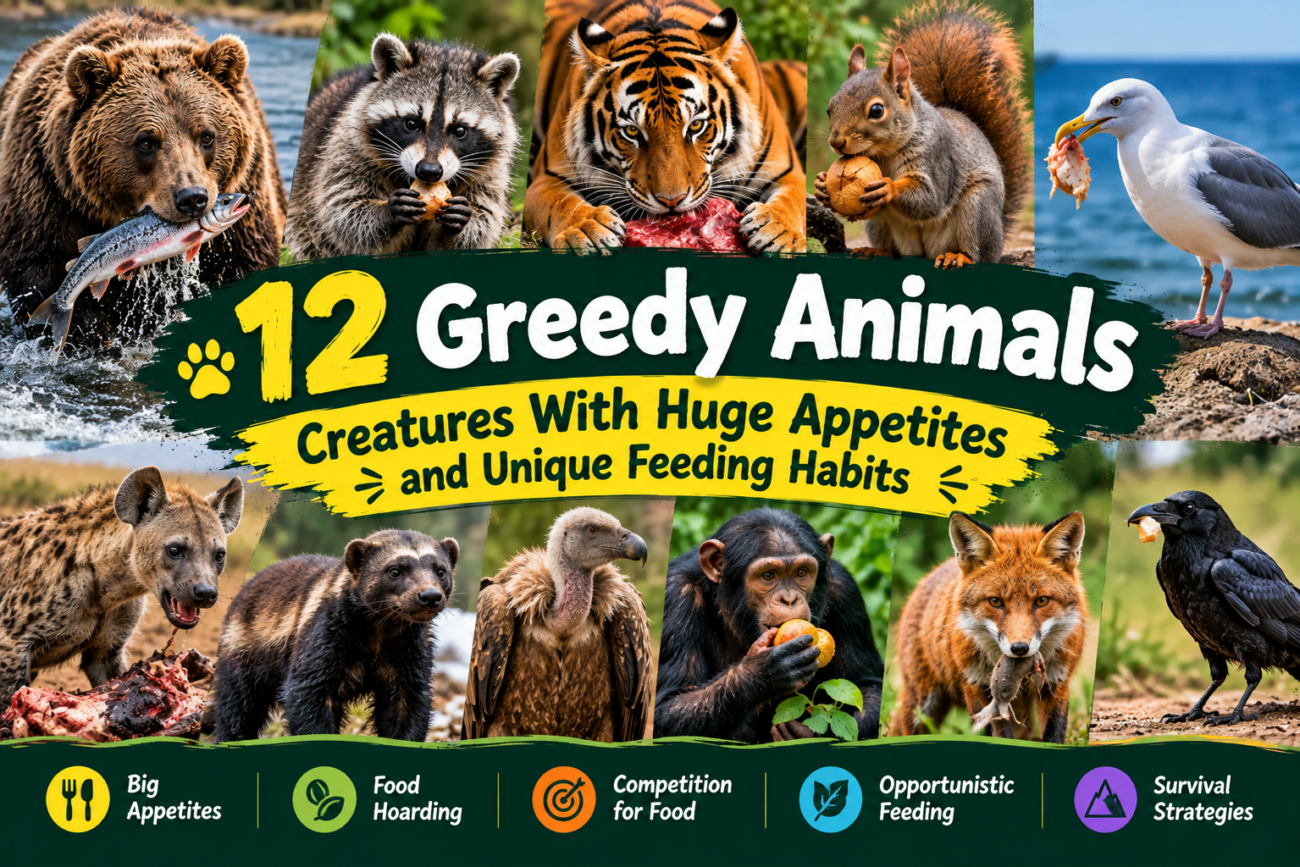
In this guide to greedy animals, we will look at 12 species with unusual or impressive feeding habits. From opportunistic raccoons and scavenging vultures to food caching squirrels and highly adaptable crows, each animal has a biological reason for the way it searches for, consumes, or stores food.
Quick Answer: What Are the Greediest Animals?
There is no scientifically recognized “greediest animal” because greed is a human concept rather than a biological classification. However, pigs, raccoons, bears, hyenas, squirrels, gulls, rats, wolverines, vultures, chimpanzees, foxes, and crows can all appear greedy because they show behaviors such as opportunistic feeding, food competition, large seasonal food intake, scavenging, or food caching.
1. Pig
Scientific Name: Sus scrofa
Class: Mammalia
Diet: Omnivore
Habitat: Forests, grasslands, wetlands, agricultural areas, and human modified landscapes
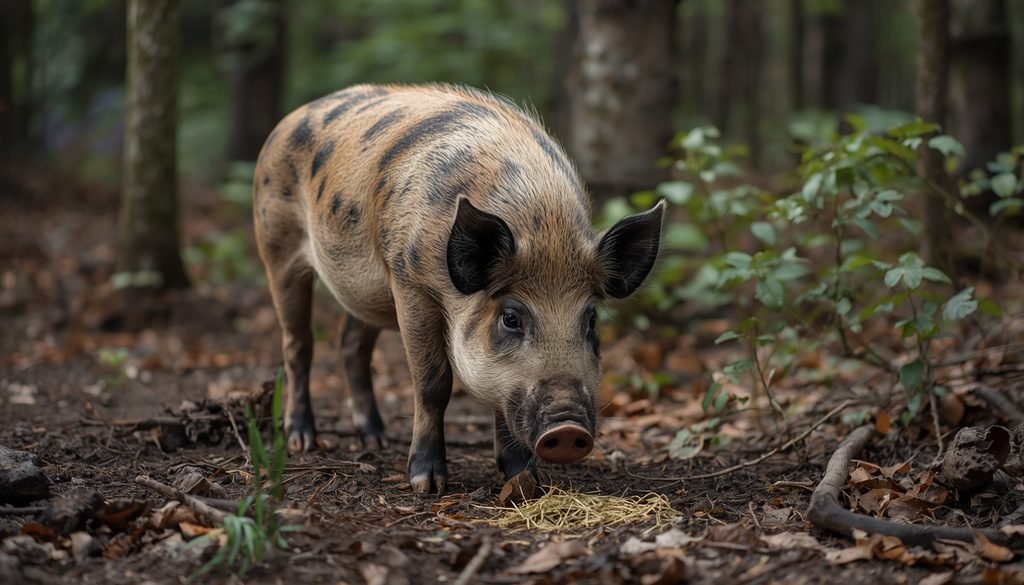
Pigs are often placed on lists of greedy animals because they have flexible appetites and can eat a remarkably wide variety of foods. Wild boars, for example, feed on roots, fruits, nuts, crops, insects, worms, eggs, carrion, and occasionally small animals. Their diet changes according to what is available.
Their strong snouts help them investigate soil and uncover food hidden underground. Although pigs are commonly portrayed as animals that constantly overeat, that stereotype is not necessarily accurate. Their broad diet is better understood as an adaptation that allows them to survive when preferred foods are unavailable.
2. Raccoon
Scientific Name: Procyon lotor
Class: Mammalia
Diet: Omnivore
Habitat: Forests, wetlands, farmland, suburbs, and cities
Raccoons have earned a reputation for being greedy because they are highly opportunistic feeders. Their menu can include fruits, nuts, insects, crayfish, fish, frogs, eggs, small vertebrates, carrion, and food found around human settlements.
Their sensitive front paws help them investigate and manipulate potential food. In cities, raccoons can also take advantage of garbage and other easily accessible food sources.
This behavior is not evidence that raccoons are selfish. Instead, their flexible diet allows them to survive in changing environments. When an easy meal appears, an adaptable omnivore has a strong survival reason to investigate it.
3. Bear
Scientific Name: Ursus arctos or other bear species
Class: Mammalia
Diet: Omnivore
Habitat: Forests, mountains, tundra, meadows, and coastal regions
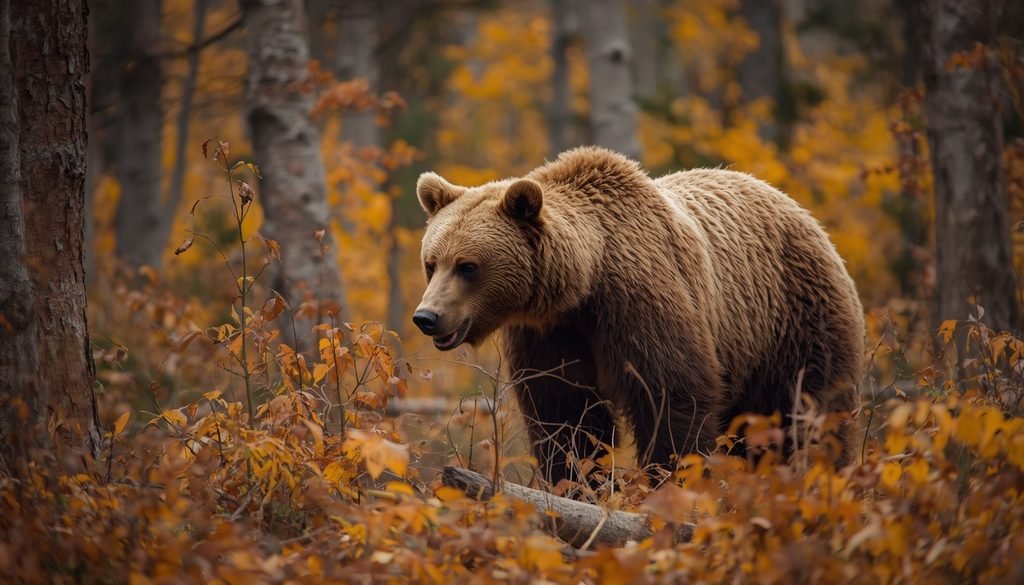
Few animals look more food focused than a bear preparing for winter. Many bears increase their food intake dramatically during autumn in a process known as hyperphagia. This allows them to build fat reserves before entering their winter den.
Depending on the species and location, bears may eat berries, grasses, roots, insects, fish, carrion, nuts, and other foods. Their diet can change considerably with the seasons.
So, although a bear may appear extremely greedy when feeding almost nonstop in fall, the behavior has a clear biological purpose. The animal is preparing its body for a period when food will be scarce or unavailable.
4. Hyena
Scientific Name: Crocuta crocuta
Class: Mammalia
Diet: Carnivore
Habitat: African savannas, grasslands, woodlands, and semi arid regions
The spotted hyena is sometimes described as greedy because several individuals may compete intensely around a carcass. Its powerful jaws allow it to consume parts of prey that many other predators leave behind.
However, calling hyenas simple scavengers is misleading. Spotted hyenas are highly capable hunters, and studies have found that direct kills can make up a substantial portion of their diet. They may hunt prey such as wildebeest, zebra, and antelope.
Their feeding behavior reflects competition in environments where food can be unpredictable. Eating efficiently when a carcass is available can mean surviving until the next successful hunt.
5. Squirrel
Scientific Name: Sciurus species
Class: Mammalia
Diet: Mainly seeds, nuts, fruits, fungi, and other available foods
Habitat: Forests, woodlands, parks, and urban green spaces
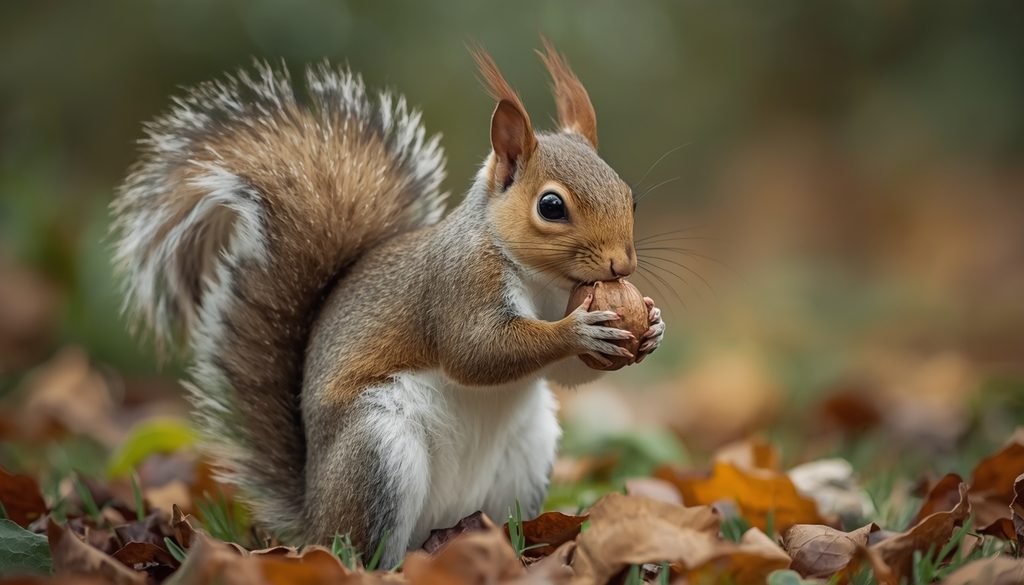
Squirrels may look greedy when they collect nut after nut and disappear into the ground to bury them. But this behavior is actually called food caching, and it is a valuable survival strategy.
Many tree squirrels depend heavily on nuts and seeds. As winter approaches and food becomes harder to find, they bury or hide supplies for later use.
The squirrel is therefore not simply collecting more food than it needs. It is spreading its food supply across multiple locations so that some remains available during lean periods. In ecological terms, caching is a clever response to seasonal food shortages.
6. Seagull
Scientific Name: Larus species
Class: Aves
Diet: Omnivorous and opportunistic
Habitat: Coasts, islands, wetlands, lakes, cities, and agricultural areas
Gulls, often casually called seagulls, are famous for grabbing food from beaches, fishing areas, parks, and even human hands. Their reputation comes partly from their extremely flexible feeding habits.
Different gull species may eat fish, insects, worms, mollusks, eggs, small animals, carrion, fruits, grains, and discarded human food. Some are also capable of stealing food from other birds.
This makes gulls excellent opportunistic feeders. Instead of depending on a single food source, they can switch between whatever resources are available. What looks like greed is often simply flexibility in action.
7. Rat
Scientific Name: Rattus norvegicus
Class: Mammalia
Diet: Omnivore
Habitat: Cities, farms, wetlands, sewers, buildings, and disturbed habitats
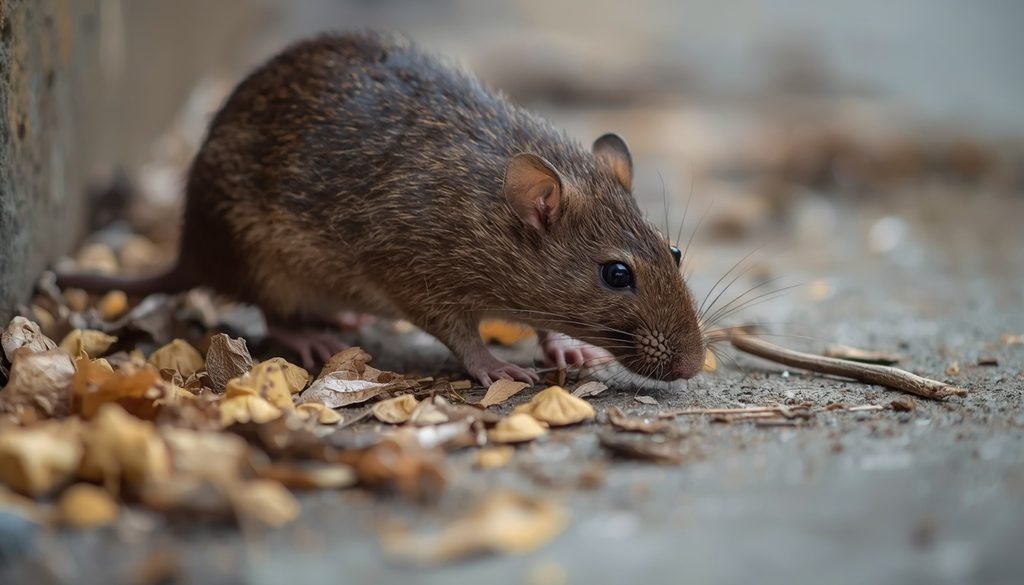
Rats are extremely adaptable feeders, which helps explain why they can live successfully in so many environments. Brown rats can eat a broad range of foods and readily exploit food discarded by humans. They may also consume insects, eggs, fish, small vertebrates, grains, and other available resources.
Their strong senses of smell and touch help them locate food in dark or cluttered environments. When a reliable food supply is nearby, rats can repeatedly return to it.
Rather than being genuinely greedy, rats are opportunistic survivors. Their flexible feeding behavior allows them to make use of resources that many other animals would ignore.
8. Wolverine
Scientific Name: Gulo gulo
Class: Mammalia
Diet: Carnivore and opportunistic scavenger
Habitat: Boreal forests, tundra, mountains, and snowy northern regions
The wolverine has one of the most intense reputations among mammals. It is an opportunistic feeder that can hunt smaller animals, scavenge carcasses, and take advantage of larger prey when conditions allow.
Wolverines also cache food, which can be particularly important in cold environments where reliable meals may be difficult to find. Their food can range from eggs and small mammals to large ungulates and carrion.
This explains why the wolverine may appear unusually aggressive around food. When resources are limited, defending or taking advantage of a valuable meal can be essential for survival.
9. Vulture
Scientific Name: Various species
Class: Aves
Diet: Mainly carrion
Habitat: Grasslands, savannas, deserts, mountains, and open landscapes
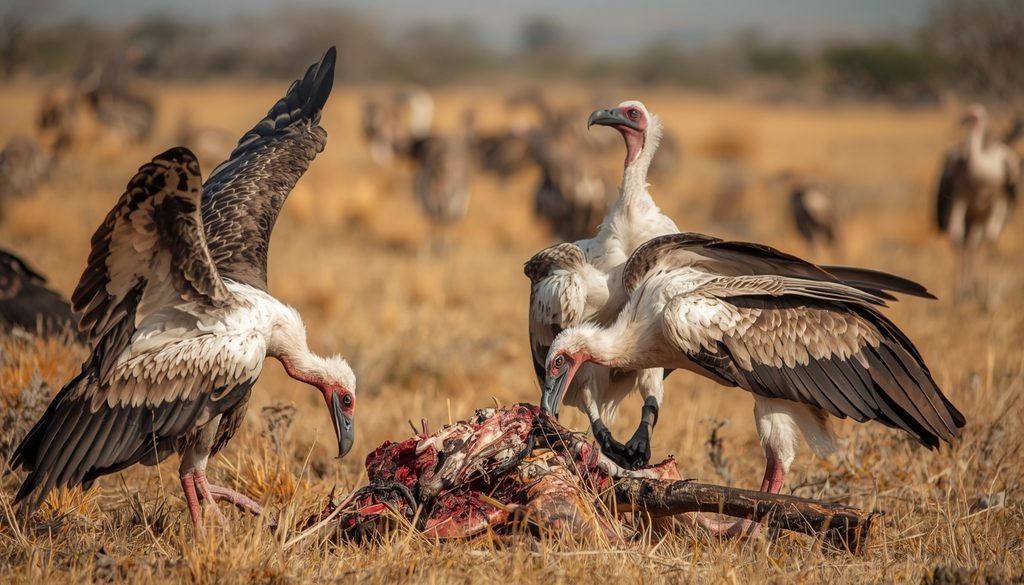
Vultures may seem greedy when several birds gather around a carcass and begin feeding rapidly. However, this behavior makes sense because carrion is an unpredictable resource that can disappear quickly.
Vultures specialize in locating and consuming dead animals. Some species use excellent vision, while others also rely heavily on smell. Their strong bills allow them to tear flesh from carcasses.
Rapid feeding reduces the chance of losing a meal to competing scavengers. Their behavior also provides an important ecological service by removing animal remains from the environment.
10. Chimpanzee
Scientific Name: Pan troglodytes
Class: Mammalia
Diet: Omnivore
Habitat: Tropical forests and woodland savanna mosaics of Africa
Chimpanzees have complex feeding behavior and spend substantial amounts of time searching for food. Their diet includes fruits, young leaves, seeds, stems, insects, eggs, and occasionally small vertebrates. Their diet changes with location and season.
Competition can become noticeable when several chimpanzees gather around a valuable food source. However, chimpanzee societies also involve cooperation and food related social interactions.
Calling chimpanzees greedy oversimplifies this behavior. Their feeding decisions are influenced by food quality, availability, social relationships, and the effort needed to reach different resources.
11. Fox
Scientific Name: Vulpes vulpes
Class: Mammalia
Diet: Omnivore
Habitat: Forests, grasslands, farmland, deserts, suburbs, and cities
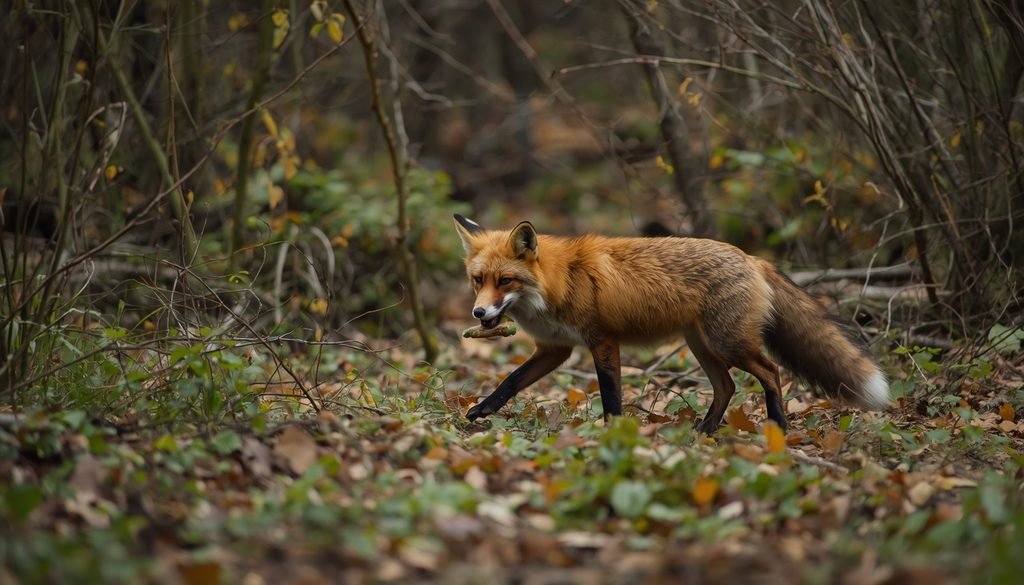
Red foxes are classic opportunistic feeders. They commonly eat rodents, rabbits, insects, fruits, and carrion, but their diet can change according to local food availability.
Foxes also store food for later, creating small caches that they can return to when necessary. Their ability to relocate stored food makes this strategy especially useful when prey becomes temporarily scarce.
This behavior can make a fox appear as though it is collecting more food than it needs. In reality, storing surplus food gives the animal a backup supply. It is another example of how apparent greed can actually be a practical survival strategy.
12. Crow
Scientific Name: Corvus brachyrhynchos
Class: Aves
Diet: Omnivore
Habitat: Forests, farmland, grasslands, suburbs, and cities
American crows are highly flexible feeders that can consume insects, worms, fruits, grains, nuts, carrion, eggs, and small animals. They also readily exploit food associated with human environments.
One behavior that can make crows appear especially greedy is food caching. They may hide meat, nuts, and other foods in scattered locations instead of consuming everything immediately.
Caching allows a crow to preserve food for later. It is therefore more accurate to describe this as resource management than greed. Their ability to adapt to different foods is one reason crows have become successful across a wide range of habitats.
Why Do Animals Seem Greedy?
Animals can appear greedy for several biological reasons. Food uncertainty is one of the biggest. An animal cannot assume that another meal will always be available, so taking advantage of a good feeding opportunity can improve its chances of survival.
Seasonal shortages also matter. Bears increase feeding during hyperphagia to build energy reserves before winter, while squirrels store nuts because food availability can decline during colder months.
Competition creates another reason. If several animals depend on the same carcass or food patch, feeding quickly or defending access can be advantageous. Opportunistic feeders such as raccoons, rats, gulls, foxes, and crows take this strategy even further by using many different food sources.
So, what humans call greed is often simply adaptation, competition, energy management, or preparation for future scarcity.
What Is the Greediest Animal?
There is no scientifically recognized greediest animal. Greed describes a human judgment about wanting more than one needs, while animal feeding is generally studied through measurable behaviors such as foraging, food intake, competition, caching, and resource defense.
If the term is being used casually, bears can appear extremely greedy during autumn because they may spend much of the season feeding and building fat reserves before winter. Raccoons and gulls also look greedy because they readily exploit convenient food, while squirrels and crows may collect and hide food for later. Each example represents a different survival strategy rather than one universal form of greed.
What Animals Hoard Food?
Several animals hoard or cache food, including squirrels, foxes, crows, and wolverines. Squirrels commonly bury nuts for later use, while red foxes create food caches and return to them when needed. Crows can scatter caches containing items such as meat and nuts. Wolverines also cache food in environments where future meals may be uncertain.
Food hoarding is especially useful when resources are seasonal, unpredictable, or difficult to find. The stored food acts like a natural emergency supply. Therefore, an animal collecting large amounts of food does not necessarily indicate greed; it may indicate preparation.
Greedy Animals vs. Opportunistic Feeders
A greedy animal is an informal human description, while an opportunistic feeder is a more useful biological term. Opportunistic feeders eat whatever suitable food becomes available instead of relying on one narrow food source.
Raccoons can switch between fruits, insects, fish, eggs, and human associated food. Gulls may take fish, insects, carrion, or discarded food. Foxes change their diet according to availability, while crows combine plant foods, insects, carrion, and other resources.
Understanding this difference makes animal behavior much more interesting. What looks like selfishness may actually be a highly effective adaptation to an unpredictable world.
Read more: Thickest Skin Animals
Final Thoughts
The animals on this list may look greedy, but their feeding behaviors reveal something much more interesting: survival strategies shaped by evolution. Bears eat heavily before winter because they need energy reserves. Squirrels, foxes, crows, and wolverines store food because future meals are not guaranteed. Raccoons, rats, and gulls succeed by taking advantage of whatever edible resources they encounter.
Even hyenas and vultures, which may appear especially aggressive around food, are responding to competition and the unpredictable nature of feeding opportunities.
So, there is no single “greediest” animal. Greedy animals is simply a catchy way to describe species with remarkable appetites, opportunistic feeding habits, or impressive food storage behaviors.
Frequently Asked Questions
1. What is the greediest animal in the world?
There is no scientifically recognized greediest animal because greed is a human concept. Bears may appear extremely food focused during seasonal hyperphagia, while raccoons, gulls, pigs, and other opportunistic feeders can also seem greedy because they readily exploit available food.
2. Are animals actually greedy?
Animals are not generally described scientifically as greedy. Researchers instead study behaviors such as food intake, competition, foraging, food caching, and resource defense. A squirrel storing nuts or a bear eating heavily before winter is responding to biological needs rather than human style greed.
3. What animals hoard food?
Squirrels, foxes, crows, and wolverines are well known examples of animals that store or cache food. Caching helps animals maintain access to resources when food becomes scarce or unpredictable. The behavior is particularly useful in habitats with strong seasonal changes.
4. Why do bears eat so much?
Many bears enter a period called hyperphagia before winter. During this time, they increase food consumption and build fat reserves that help support them during winter denning. The behavior is therefore linked to seasonal survival rather than simple overeating.
5. Why do squirrels store so much food?
Squirrels cache food because nuts and seeds may become difficult to find during winter or other periods of scarcity. By hiding food in many locations, they create reserves that can be recovered later. Food caching is a survival adaptation, not evidence of greed.
6. Which animals are opportunistic feeders?
Raccoons, rats, gulls, foxes, crows, bears, and many other species can behave opportunistically when feeding. They take advantage of suitable food whenever it is available instead of depending entirely on one resource. This flexibility can be particularly valuable when environmental conditions change.

One thought on “12 Greedy Animals: Creatures With Huge Appetites and Unique Feeding Habits”