
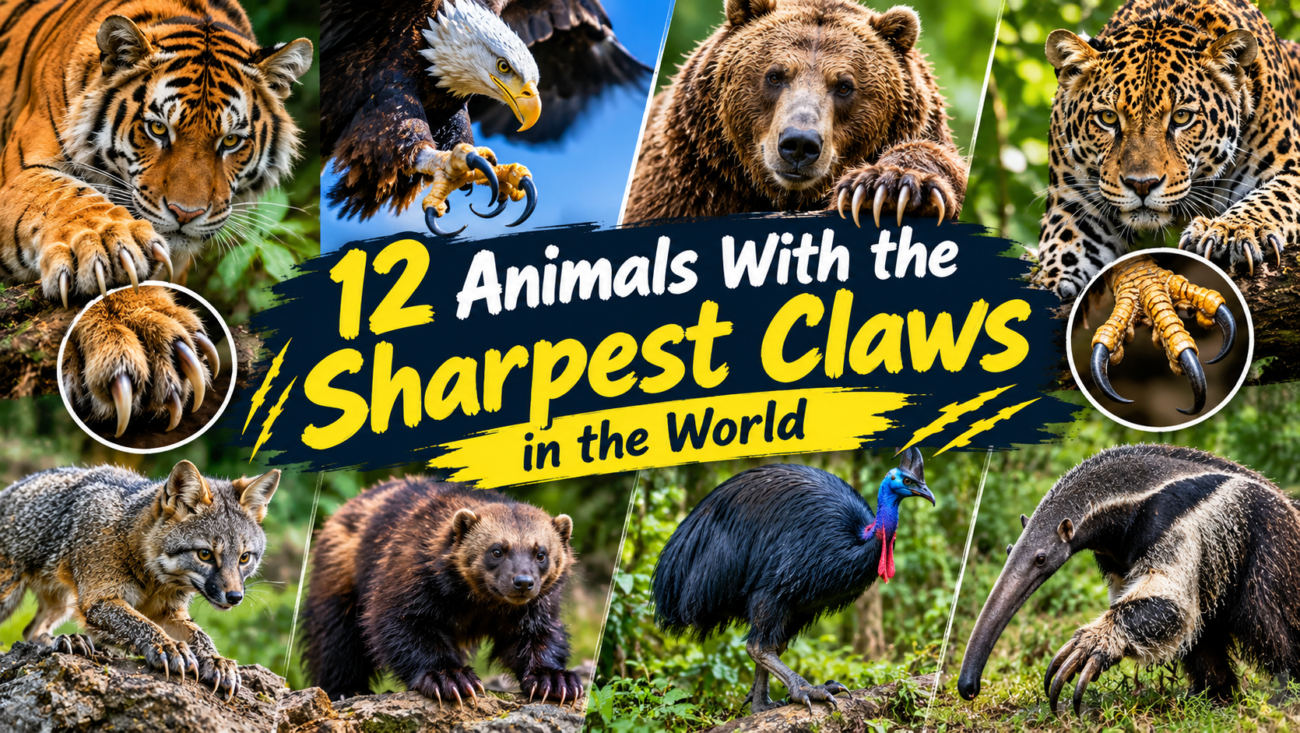
Sharp claws are among the most useful natural adaptations found in the animal kingdom. They can help predators grip prey, help climbing animals hold onto surfaces, allow digging through soil, provide traction, and serve as powerful defensive tools. From the retractable claws of big cats to the long digging claws of giant anteaters, different species have evolved specialized structures for very different jobs.
The sharpest claws are not necessarily the longest claws. Sharpness, curvature, thickness, strength, and placement can all affect how effective a claw is. A tiger needs claws that can grip moving prey, while a giant anteater needs long front claws for breaking into insect nests. Birds of prey use specialized claws called talons to seize and hold prey.
There is also no universally accepted scientific test that ranks every animal’s claw sharpness from first to last. Comparing a tiger’s retractable claws with an eagle’s talons or a bear’s digging claws is difficult because they evolved for different purposes. This guide explores 12 animals with exceptionally effective claws and explains how those adaptations help them survive.
Quick Answer: What Animal Has the Sharpest Claws?
There is no scientifically standardized winner for the title of animal with the sharpest claws. Tigers, harpy eagles, grizzly bears, lions, leopards, and jaguars all have highly specialized claws or talons. Their effectiveness depends on shape, curvature, strength, control, and function not simply how sharp or long the tips appear.
1. Tiger
Scientific Name: Panthera tigris
Class: Mammalia
Diet: Carnivore
Habitat: Forests, grasslands, wetlands, and other habitats across parts of Asia
Claw Type: Large, curved, retractable claws
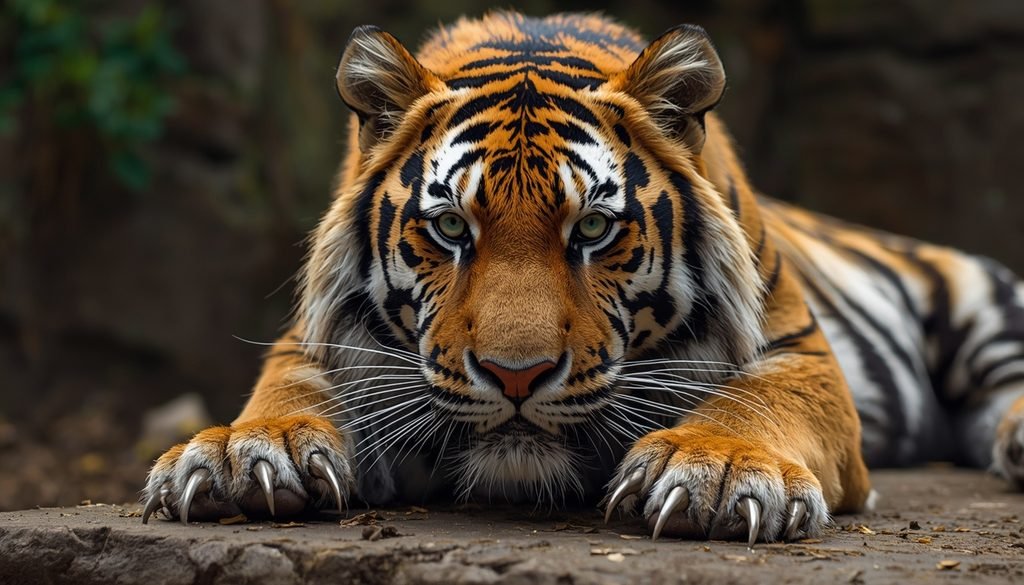
The tiger has some of the most impressive claws among large terrestrial predators. Its curved claws can help grip prey, provide traction, assist with climbing, and offer protection when necessary. Because the claws can retract, their tips are protected when they are not being used. Strong forelimbs work together with the claws and jaws during close range hunting.
2. Harpy Eagle
Scientific Name: Harpia harpyja
Class: Aves
Diet: Carnivore
Habitat: Tropical forests of Central and South America
Claw Type: Powerful curved talons
The harpy eagle has exceptionally powerful feet and curved talons adapted for gripping prey in forest environments. These specialized claws are an important part of its hunting system, allowing the bird to seize and hold animals among the branches. Its strength comes from the combination of powerful legs, feet, talons, and precise control. Rather than simply calling them the world’s sharpest claws, it is more accurate to describe them as highly specialized predatory talons.
3. Grizzly Bear
Scientific Name: Ursus arctos horribilis
Class: Mammalia
Diet: Omnivore
Habitat: Forests, mountains, meadows, and tundra of North America
Claw Type: Long, strong, non retractable claws
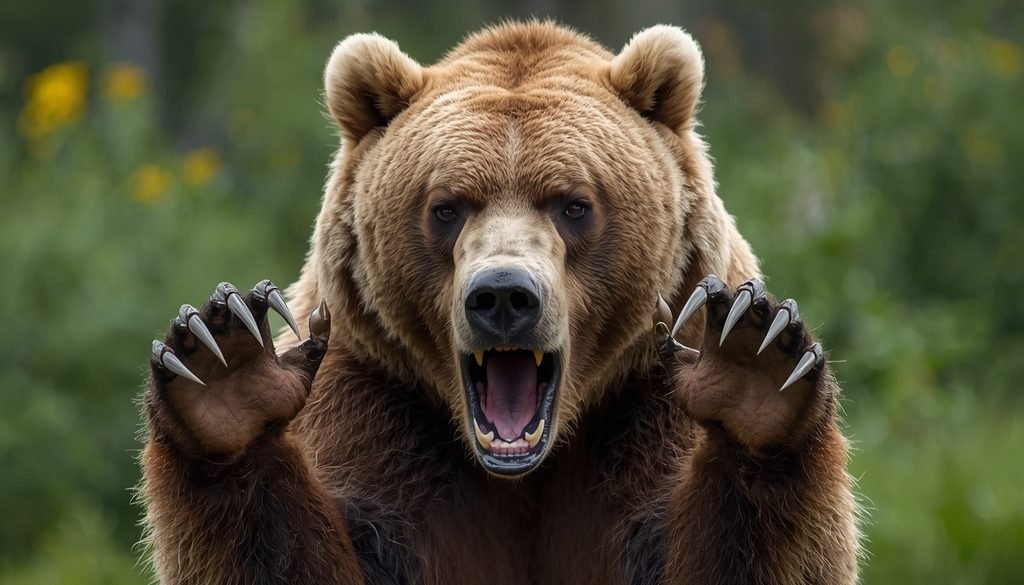
Grizzly bears have long front claws that are particularly useful for digging and foraging. Unlike big cats, their claws are not primarily specialized for grabbing and killing prey. They can help excavate soil, search for food, and provide defense. Young bears may also climb more readily than adults. Their powerful limbs and prominent claws demonstrate that claw adaptations can be valuable for many survival tasks beyond hunting.
4. Lion
Scientific Name: Panthera leo
Class: Mammalia
Diet: Carnivore
Habitat: African savannas, grasslands, and some woodland habitats
Claw Type: Retractable claws
A lion’s claws are important tools during close range hunting. Its retractable claws can help the animal grip and hold prey while its powerful forelimbs and jaws do much of the work. Retraction also helps protect the claws when they are not actively being used. The effectiveness of lion claws comes from their integration with the animal’s muscular body and hunting strategy rather than sharpness alone.
5. Leopard
Scientific Name: Panthera pardus
Class: Mammalia
Diet: Carnivore
Habitat: Forests, grasslands, savannas, and rocky areas across Africa and Asia
Claw Type: Retractable claws
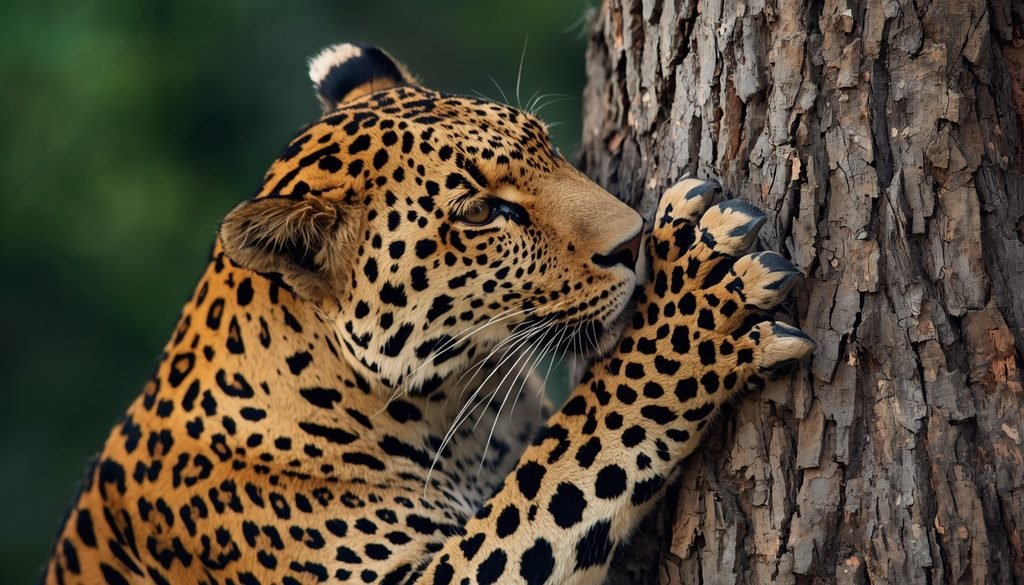
The leopard’s claws are especially valuable because this big cat is an excellent climber. Strong, curved claws help it grip tree bark and maintain control while climbing. They can also assist in securing prey. Leopards are known for dragging prey into trees, where their climbing ability gives them an advantage. Their claws therefore support both hunting and movement through complex environments.
6. Jaguar
Scientific Name: Panthera onca
Class: Mammalia
Diet: Carnivore
Habitat: Tropical forests, wetlands, grasslands, and other habitats of the Americas
Claw Type: Retractable claws
The jaguar has powerful forelimbs and retractable claws that help it grip prey and climb. As an ambush predator, it depends on close range control rather than simply chasing animals over long distances. Its claws are one part of a larger hunting system that also includes exceptional muscular strength and remarkably powerful jaws. This combination makes the jaguar one of the most formidable predators in its range.
7. Bald Eagle
Scientific Name: Haliaeetus leucocephalus
Class: Aves
Diet: Carnivore
Habitat: Lakes, rivers, coastal areas, and forests of North America
Claw Type: Powerful hooked talons
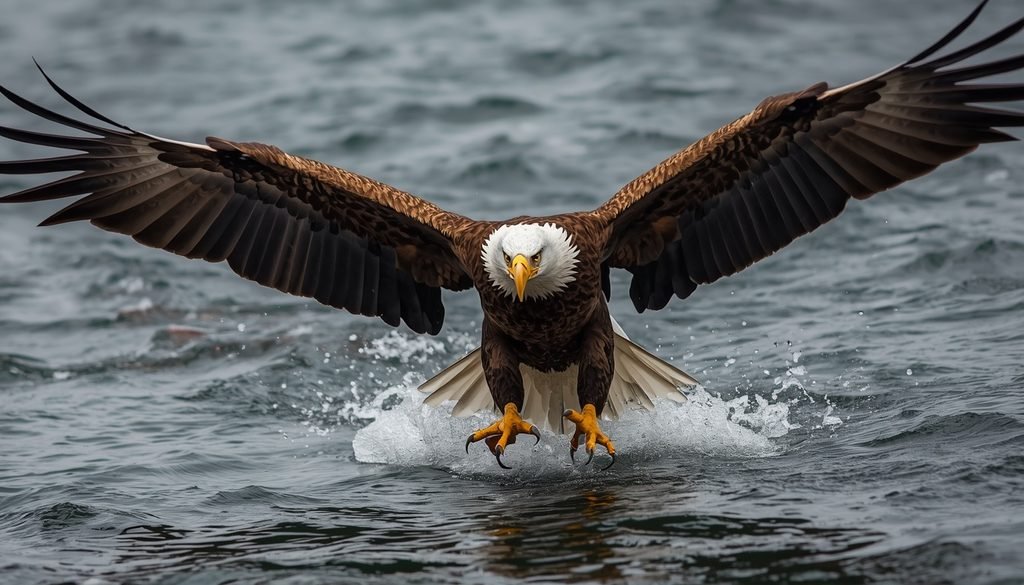
The bald eagle uses powerful hooked talons to seize fish and other prey. Its feet are designed for gripping, and the curved tips help maintain a strong hold. When an eagle captures prey, its feet and talons become critical parts of the hunting process. Calling these structures “talons” is common because the term specifically describes the powerful claws of birds of prey.
8. Wolverine
Scientific Name: Gulo gulo
Class: Mammalia
Diet: Carnivore/Omnivore
Habitat: Boreal forests, tundra, mountains, and cold northern regions
Claw Type: Strong, non retractable claws
The wolverine has a compact but powerful body and strong non retractable claws. These claws are useful for digging through snow and soil, accessing food, climbing, and defense. Its claws are not simply specialized for attacking larger animals. Instead, they form part of a versatile set of adaptations that helps the wolverine survive in difficult northern environments.
9. Sloth Bear
Scientific Name: Melursus ursinus
Class: Mammalia
Diet: Omnivore
Habitat: Forests, grasslands, and scrublands of the Indian subcontinent
Claw Type: Long, curved claws
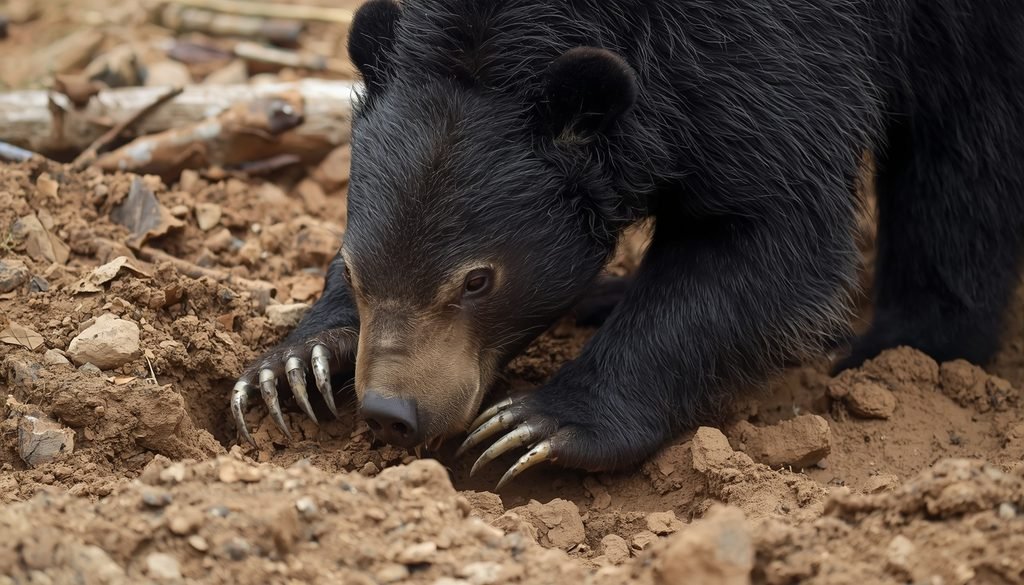
The sloth bear has unusually long, curved claws that are closely connected to its specialized feeding behavior. It uses its strong claws to dig and break into termite mounds and other insect rich sources. These claws can also provide protection when the bear feels threatened. Their impressive length is a good reminder that long claws are not automatically the sharpest claws; their real value depends on what the animal needs them to do.
10. Cougar
Scientific Name: Puma concolor
Class: Mammalia
Diet: Carnivore
Habitat: Mountains, forests, deserts, grasslands, and other habitats across the Americas
Claw Type: Retractable claws
The cougar, also called the puma or mountain lion, has retractable claws used for gripping prey, climbing, and gaining traction. Its powerful hind limbs provide exceptional jumping ability, while the forelimbs and claws help control prey at close range. This combination of muscular power, balance, and retractable claws makes the cougar an effective and adaptable predator.
11. Cassowary
Scientific Name: Casuarius casuarius
Class: Aves
Diet: Omnivore
Habitat: Tropical forests and surrounding habitats of northern Australia and New Guinea
Claw Type: Large claw on the inner toe
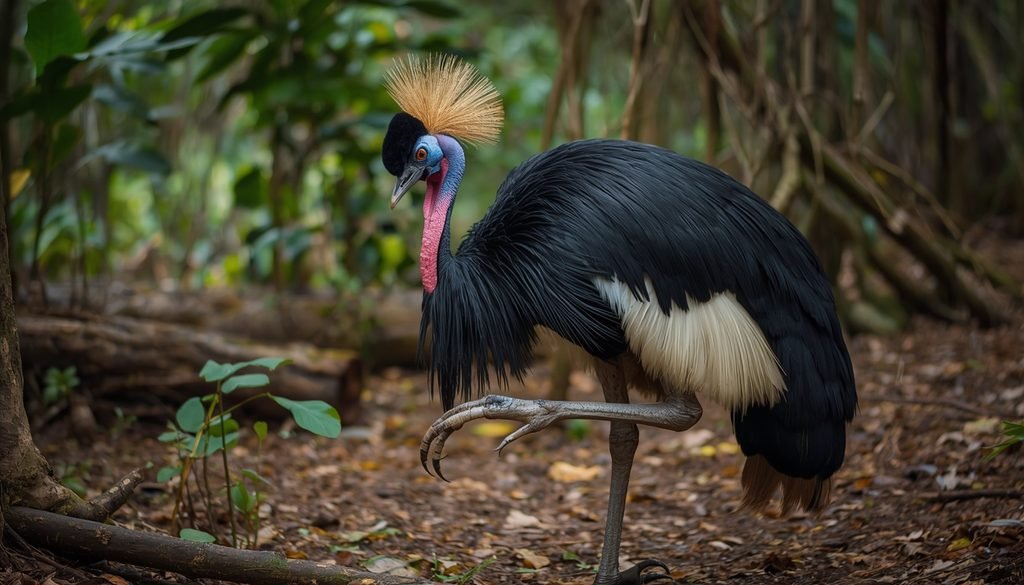
The cassowary is a powerful flightless bird with three toed feet. Its inner toe carries a large, dagger like claw that is primarily important for defense. Cassowaries do not use these specialized claws as hunting tools for pursuing large prey. Instead, their powerful legs and foot structure provide an important defensive adaptation when the bird feels threatened.
12. Giant Anteater
Scientific Name: Myrmecophaga tridactyla
Class: Mammalia
Diet: Insectivore
Habitat: Grasslands, savannas, forests, and wetlands of Central and South America
Claw Type: Very long front claws
The giant anteater has some of the most conspicuous claws among mammals. Its long front claws are specialized for opening ant and termite nests and accessing insects. When walking, it often keeps its forefeet partly curled so the claws are protected. The claws can also serve as an important defensive tool. Their length and strength are impressive, but length alone does not prove that they are the sharpest.
Why Do Animals Have Sharp Claws?
Animals evolve claws because these structures can solve important survival problems. Hunting is one major function. Predators may use claws to grab, hold, pin, or restrain prey before delivering a bite.
Climbing is another important use. Big cats such as leopards rely on curved claws for traction on tree bark, while other animals can use claws to maintain their grip on difficult surfaces.
Digging is equally important. Bears, wolverines, and giant anteaters have claws adapted for excavating soil, snow, termite mounds, or insect nests. For some species, digging claws are more important to survival than hunting.
Claws can also provide defense. When threatened, animals may use their feet and claws to discourage predators or other threats. Some claws assist with feeding by helping animals reach food that would otherwise be difficult to access.
Ultimately, claws evolve according to an animal’s lifestyle. Their shape, curvature, strength, placement, and control reflect the ecological problems each species needs to solve.
What Is the Difference Between Claws and Talons?
A claw is the general term for the hard, pointed structure found at the end of a digit. Mammals such as tigers, lions, leopards, bears, and cougars are commonly described as having claws.
The word talon is commonly used for the powerful, hooked claws of birds of prey. Harpy eagles and bald eagles, for example, have strong talons designed for gripping prey.
Both claws and talons are made largely from keratin and are specialized according to the animal’s lifestyle. The terminology differs mainly because birds of prey have highly specialized gripping structures associated with their hunting behavior.
What Animal Has the Longest Claws?
Claw length and claw sharpness are not the same measurement. Giant anteaters, sloth bears, and grizzly bears are notable for conspicuously long claws. These structures can help with digging, opening insect nests, defense, climbing, or gripping.
A long claw may be extremely effective without having the sharpest tip. Shape, curvature, strength, and function all matter. Therefore, an animal with very long claws should not automatically be described as having the sharpest claws in the world.
Read More: 12 Most Agile Animals in the World
Final Thoughts
The sharpest claws cannot be assigned to one universal winner because animals use their claws for very different purposes. Big cats rely on retractable claws for gripping and hunting, while birds of prey use powerful talons to seize prey. Bears and giant anteaters have long claws that are particularly useful for digging and feeding, while cassowaries have specialized foot claws that support defense.
The most impressive claws are therefore not necessarily the longest or visibly sharpest. Their effectiveness comes from how well their shape, strength, movement, and placement match the animal’s lifestyle. Looking at claws as evolutionary adaptations gives us a much better understanding of why these structures are so important in the wild.
Frequently Asked Questions
1. What animal has the sharpest claws?
There is no scientifically standardized winner. Tigers, other big cats, and raptors such as harpy eagles have exceptionally specialized claws or talons. Their effectiveness depends on factors including curvature, strength, shape, control, and function rather than sharpness alone.
2. Which animal has the longest claws?
Giant anteaters, sloth bears, and grizzly bears are known for conspicuously long claws. However, the longest claws are not automatically the sharpest. Claw length, curvature, thickness, strength, and purpose all influence how useful a claw is.
3. Why are tiger claws so sharp?
Tiger claws are curved, retractable structures made largely of keratin. Retraction helps protect the claws when they are not being used, while their shape allows the tiger to grip prey and gain traction. Their effectiveness comes from their overall design and hunting function.
4. Are eagle talons sharper than cat claws?
It is difficult to make a direct comparison because eagle talons and cat claws evolved for different purposes. Raptors use powerful hooked talons to seize prey, while big cats use curved claws for gripping and traction. Both are highly specialized structures.
5. What animals use claws for digging?
Bears, wolverines, giant anteaters, and several other animals use claws for digging. The purpose varies by species. Giant anteaters use their long front claws to open insect nests, while bears and wolverines can dig through soil or other material while foraging.
6. Are claws stronger than teeth?
Claws and teeth have different structures and jobs, so neither is universally stronger. Teeth are specialized for biting, cutting, crushing, or processing food, while claws can be adapted for gripping, digging, climbing, or defense. Their effectiveness should be evaluated according to their biological function.

One thought on “12 Animals With the Sharpest Claws in the World”