
Introduction
Some animals have earned a messy reputation because they roll in mud, eat decaying food, visit garbage bins, or spend time around dung. These habits may look unpleasant to people, but they usually have a purpose. Mud can help an animal cool down, scavenging helps remove carcasses, and feeding on waste can return nutrients to the environment.
The phrase dirtiest animals in the world is popular, but it is not a scientific classification. There is no universal test that measures which animal is the dirtiest. An animal’s reputation often depends on where it lives, what it eats, and how humans view its natural behavior. A pig covered in mud, for example, may be keeping cool rather than neglecting its body.
In this guide, we explore 15 animals commonly associated with dirt, waste, scavenging, or messy habits. We’ll look at their scientific names, diets, habitats, and the real reasons behind their behavior while separating interesting facts from common misconceptions.
Quick Answer: What Are the Dirtiest Animals in the World?
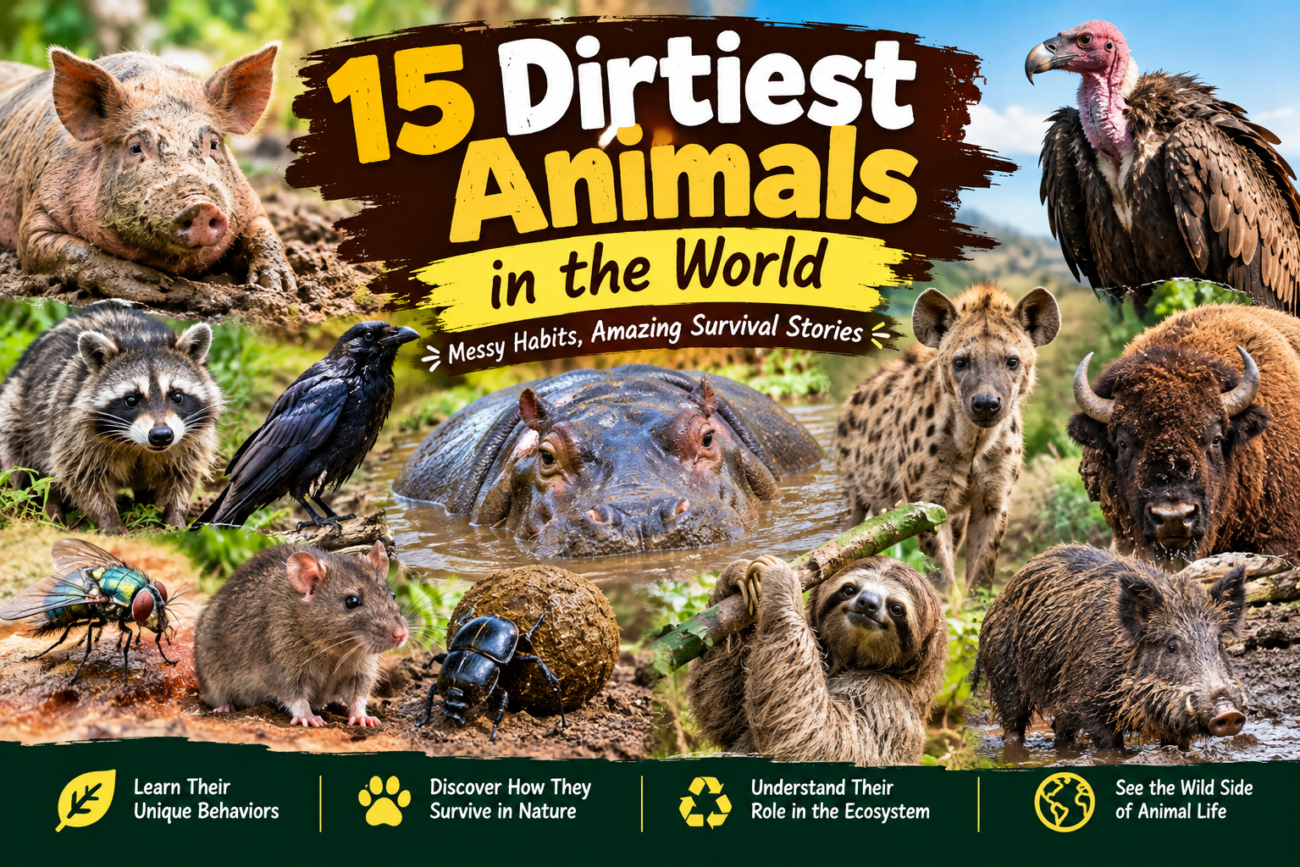
Animals often described as the dirtiest include pigs, pigeons, cockroaches, crows, vultures, rats, houseflies, American bison, raccoons, spotted hyenas, dung beetles, sloths, hippopotamuses, Cape buffalo, and wild boars. They may be associated with mud, garbage, carrion, or animal waste, but these behaviors are often natural adaptations. “Dirtiest” is a subjective label, not a scientific ranking.
1. Pig
Scientific Name: Sus scrofa domesticus
Class: Mammalia
Diet: Omnivorous
Habitat: Farms, grasslands, forests, and managed agricultural environments
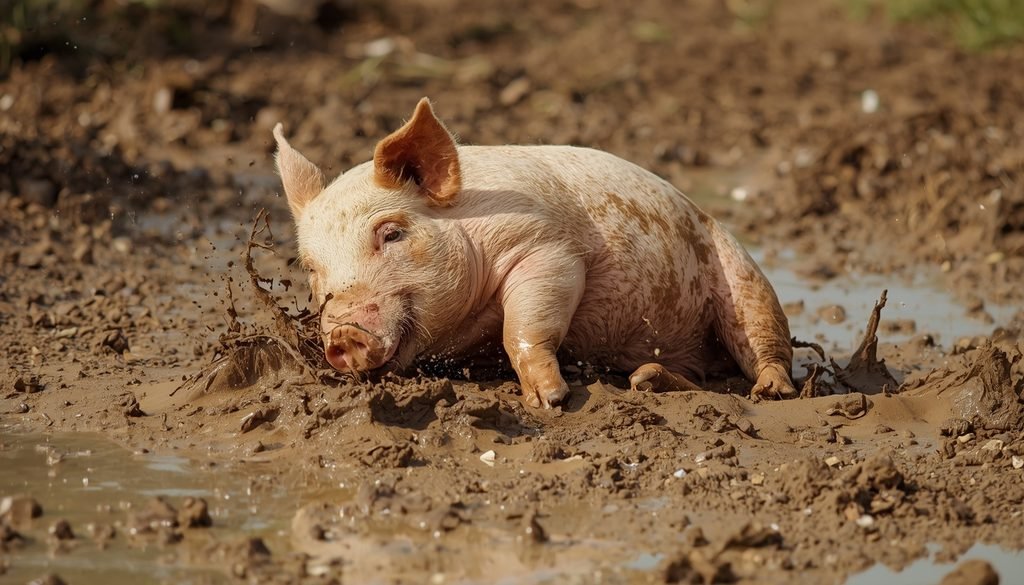
Pigs are often pictured rolling in mud, which has helped create their reputation as dirty animals. However, wallowing is a natural behavior that helps pigs manage their body temperature. Pigs have limited ability to cool themselves through sweating, so wet mud can help them avoid overheating. It may also provide some protection from sun exposure and biting insects.
Pigs are intelligent, social mammals that use their snouts to investigate soil and search for food. Their diet can include roots, plants, insects, and other available food. When kept in suitable conditions, pigs also groom and rest like other mammals.
Why people call them dirty: Mud covered bodies, rooting in soil, and their association with farm waste.
The reality: A pig’s mud bath is often a practical cooling behavior, not evidence that the animal is naturally unclean.
2. Pigeon
Scientific Name: Columba livia
Class: Aves
Diet: Seeds, grains, and other available food
Habitat: Cliffs, cities, parks, farms, and urban buildings
Pigeons are common in busy cities, where they gather around sidewalks, rooftops, parks, and places where people leave food. Their droppings can accumulate on buildings and public surfaces, making them seem dirty to city residents. Pigeons may also feed on discarded food, especially in places where natural food is limited.
Yet pigeons are not simply careless birds. Like many birds, they maintain their feathers through preening and bathing. Preening helps keep feathers aligned and in good condition, while water or dust bathing can help remove debris.
Why people call them dirty: Droppings on buildings, large urban flocks, and feeding around litter.
The reality: Their visible mess is often connected to high population density and human food sources. Their feather care routines are part of normal bird behavior.
3. Cockroach
Scientific Name: Periplaneta americana (American cockroach; one familiar example)
Class: Insecta
Diet: Omnivorous scavenger
Habitat: Warm buildings, drains, basements, sewers, and outdoor sheltered areas
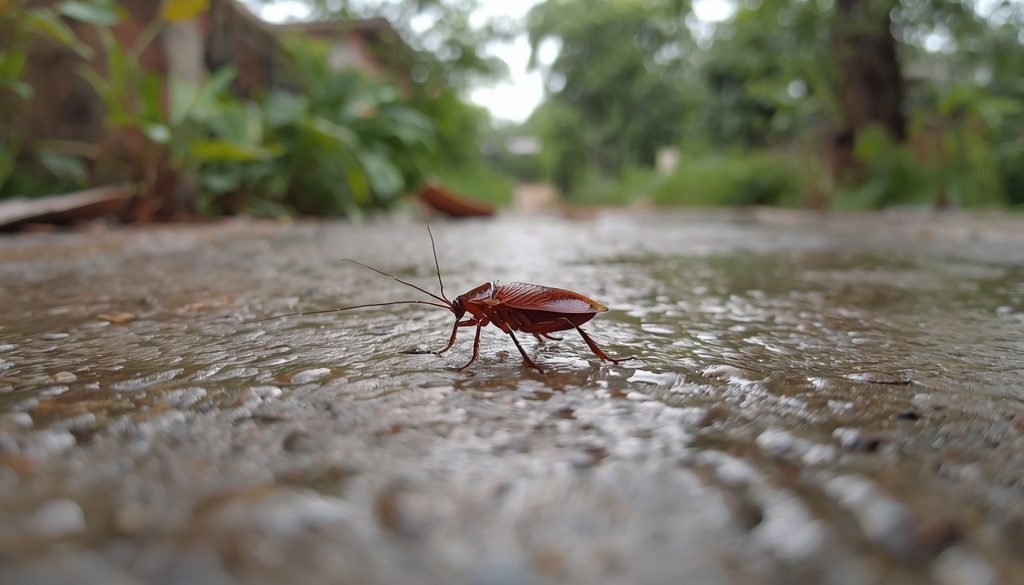
Cockroaches are strongly associated with unsanitary places because some species can live near drains, garbage, food scraps, and damp hiding spots. Their flexible diet allows them to consume a variety of organic material. This ability helps them survive in many environments, including places where people would not want insects.
Cockroaches are not all identical, and not every species lives in homes or sewers. Many species live outdoors, where they contribute to the breakdown of decaying plant material and other organic matter.
Why people call them dirty: They may enter kitchens, hide in damp areas, and feed on discarded food or organic waste.
The reality: Their scavenging behavior is useful in natural ecosystems, but cockroaches inside food preparation areas should be managed because they can contaminate surfaces.
4. Crow
Scientific Name: Corvus species
Class: Aves
Diet: Omnivorous
Habitat: Forests, grasslands, farmland, towns, and cities
Crows are adaptable birds that eat a wide range of foods. Depending on the species and location, their diet may include insects, seeds, fruit, small animals, carrion, and discarded human food. Their willingness to investigate garbage or feed on dead animals can make them appear messy.
However, this flexible feeding strategy is part of what allows crows to live in different habitats. Crows are also known for problem solving abilities and complex social behavior. Their scavenging can help remove organic material from the environment.
Why people call them dirty: They may search through trash, gather around roadkill, or leave droppings in places where they roost.
The reality: Crows are opportunistic feeders, and their diet changes with what is available. Scavenging is one part of their ecological role.
5. Vulture
Scientific Name: Various species, including Gyps and Cathartes
Class: Aves
Diet: Primarily carrion
Habitat: Grasslands, savannas, mountains, forests, and open country
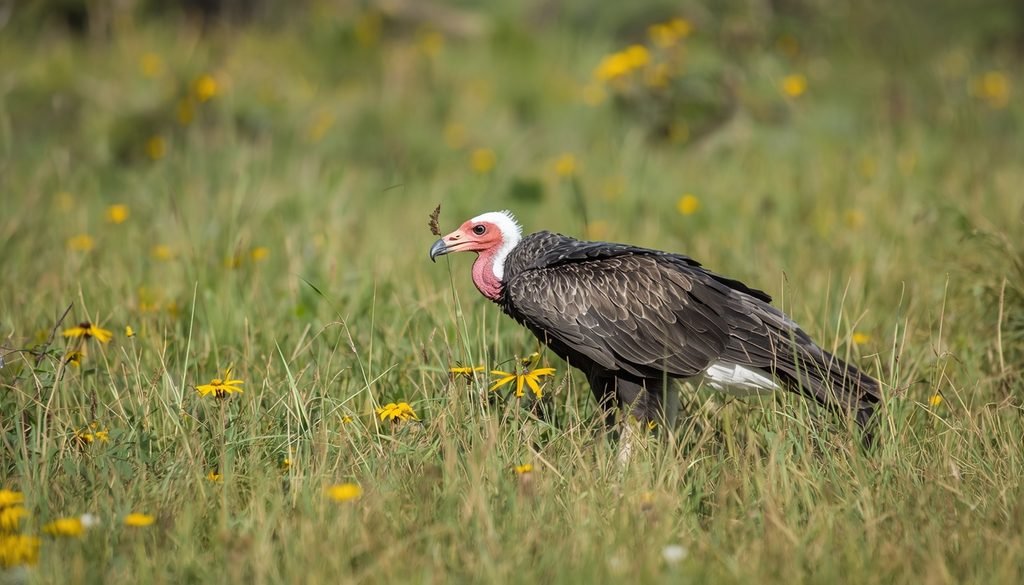
Vultures are among the animals most closely associated with decay because they feed on dead animals. Their bald or sparsely feathered heads can also contribute to their unusual appearance. But vultures perform an important ecological service by consuming carcasses that might otherwise remain in the environment.
Their digestive systems are adapted to a carrion based diet, and their feeding behavior helps recycle nutrients. The Smithsonian’s National Zoo describes vultures as important components of ecosystems because they remove carcasses and can help limit opportunities for other scavengers associated with disease transmission.
Why people call them dirty: They feed on dead animals and may gather at carcasses.
The reality: Vultures are specialized scavengers that help clean up ecosystems. Their appearance and diet should not be confused with poor health or a lack of ecological value.
6. Rat
Scientific Name: Rattus norvegicus (brown rat; one common species)
Class: Mammalia
Diet: Omnivorous
Habitat: Cities, farms, fields, sewers, and areas near human settlements
Rats are often considered dirty because some live near garbage, drains, stored food, and other places where waste collects. Brown rats are adaptable animals that can eat many types of food, including grains, scraps, and small invertebrates. Their ability to live close to people has made them familiar—and often unwelcome—in urban environments.
However, rats are not naturally restricted to dirty locations. Wild populations can live in fields, wetlands, and other habitats. Their reputation is strongly influenced by their presence in human buildings and waste systems.
Why people call them dirty: They may forage in garbage and occupy areas contaminated by human waste.
The reality: Rats are opportunistic mammals. Good waste management and sealed food storage help reduce unwanted encounters without treating every rat as a symbol of dirt.
7. Housefly
Scientific Name: Musca domestica
Class: Insecta
Diet: Liquid or softened organic material
Habitat: Human settlements, farms, animal shelters, and areas with decomposing organic matter
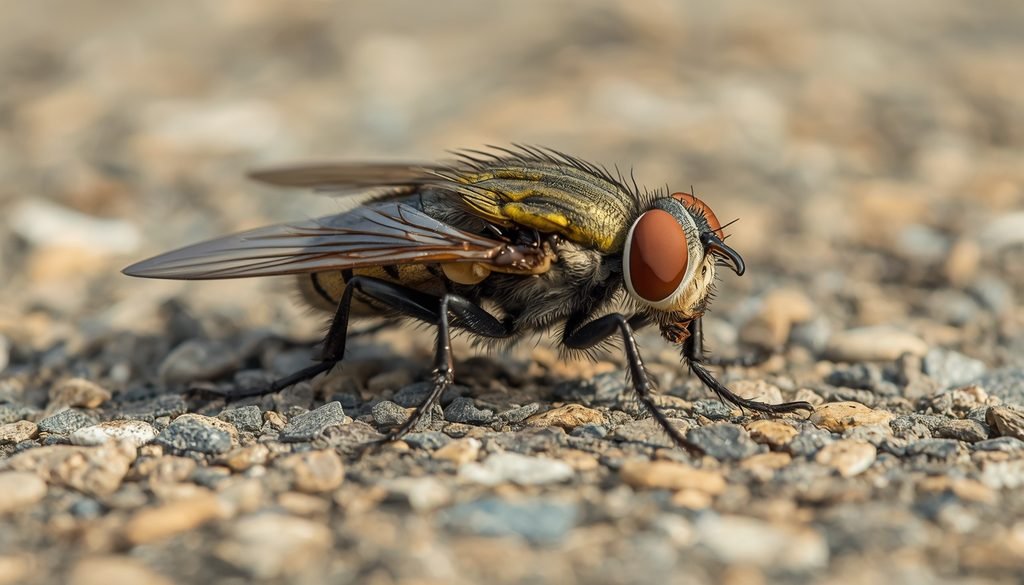
Houseflies are frequently seen around food, garbage, animal waste, and decaying material. They can feed on substances that people find unpleasant, making them especially unwelcome in kitchens and dining areas. Their feeding habits and movement between different surfaces mean they can mechanically transfer microbes.
That is why food hygiene matters: keep food covered, clean preparation surfaces, and manage waste properly. The CDC advises basic food safety practices such as keeping hands and surfaces clean and preventing cross contamination.
Why people call them dirty: They may visit waste and then land on food or household surfaces.
The reality: Houseflies are part of nature’s decomposition processes, but their presence around food calls for sensible sanitation.
8. American Bison
Scientific Name: Bison bison
Class: Mammalia
Diet: Grasses and other vegetation
Habitat: Prairies, grasslands, and open plains of North America
American bison are large grazing mammals known for rolling in dusty patches of ground. This behavior, called wallowing, may help them deal with insects, skin irritation, and seasonal changes in their coat. During warm weather, lying in cooler soil can also help bison manage heat. The National Park Service notes that wallowing can create shallow depressions that provide habitat or temporary water for other organisms.
A bison covered in dust may look muddy or unkempt, but its behavior is closely connected to comfort and survival.
Why people call them dirty: They roll in dirt and may coat their thick fur with dust.
The reality: Wallowing is a normal behavior with several possible functions, and the resulting wallows can affect prairie habitats.
9. Raccoon
Scientific Name: Procyon lotor
Class: Mammalia
Diet: Omnivorous
Habitat: Woodlands, wetlands, farms, suburbs, and cities
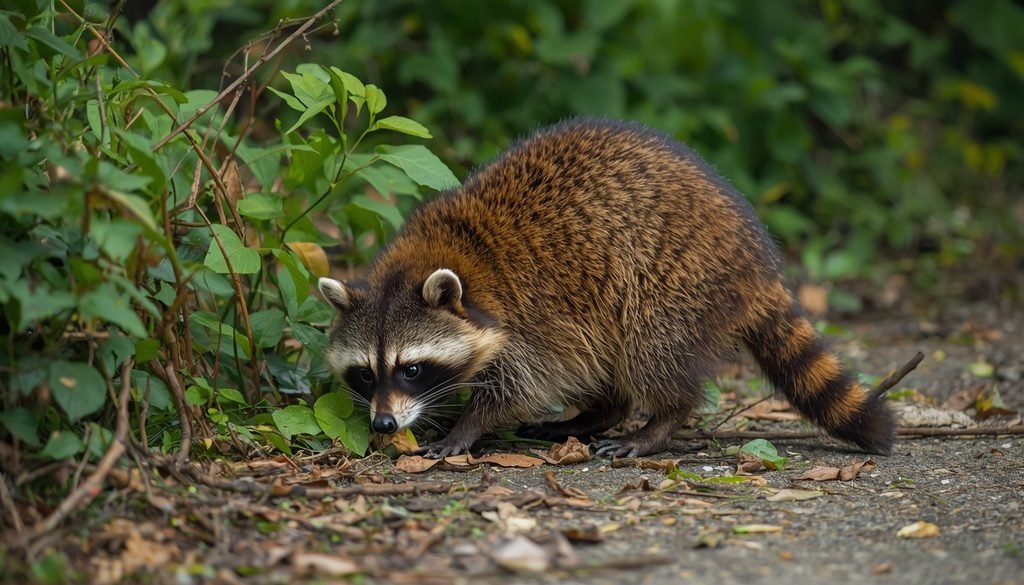
Raccoons are famous for searching through garbage cans, but their natural diet is much broader. They eat fruits, nuts, insects, aquatic animals, small vertebrates, and carrion. In places where people leave food waste outdoors, raccoons may take advantage of easy meals. The U.S. Forest Service describes them as omnivores that consume both natural foods and garbage, depending on availability.
Their dexterous front paws help them investigate objects and handle food. This behavior can make overturned bins and scattered rubbish a familiar sign of raccoon activity.
Why people call them dirty: They may rummage through trash and feed on carrion or discarded food.
The reality: Raccoons are adaptable foragers. Securing garbage and avoiding direct contact with wild animals can reduce conflict.
10. Spotted Hyena
Scientific Name: Crocuta crocuta
Class: Mammalia
Diet: Carnivorous; hunts and scavenges
Habitat: African savannas, grasslands, and open woodland
Spotted hyenas have a reputation for feeding on carcasses and scraps, but they are also capable hunters. Their strong jaws and digestive systems help them process parts of prey that many other animals leave behind. By consuming remains, hyenas can contribute to the removal of organic material from their habitats.
Their social groups, called clans, are complex, and their behavior is more varied than the familiar image of an animal waiting beside a carcass.
Why people call them dirty: They are associated with carrion, bones, and feeding remains.
The reality: Scavenging is only one part of their feeding strategy. Hyenas are important predators and scavengers in African ecosystems.
11. Dung Beetle
Scientific Name: Scarabaeinae and related dung feeding beetles
Class: Insecta
Diet: Animal dung, especially from herbivores
Habitat: Grasslands, forests, savannas, and agricultural landscapes
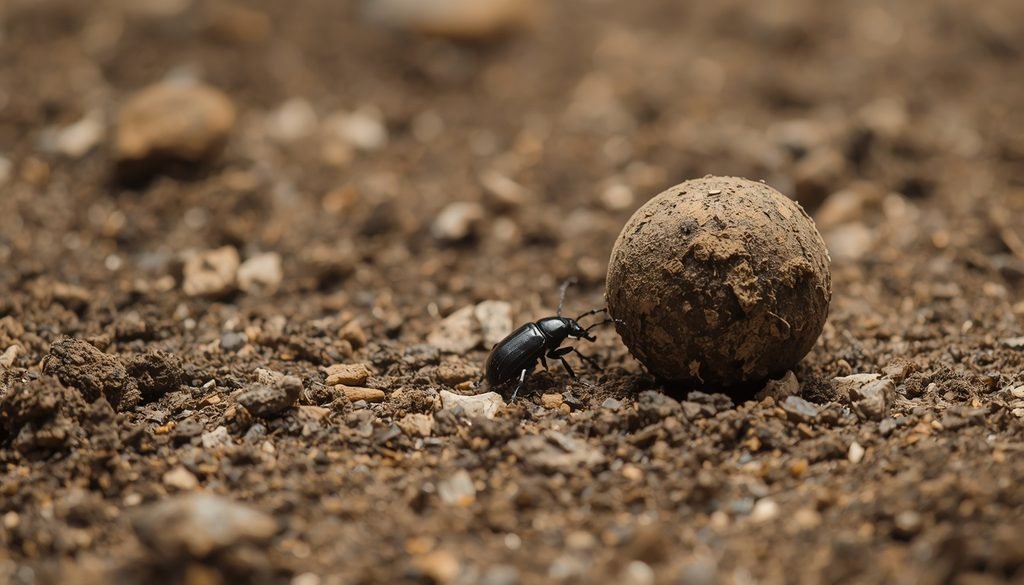
Dung beetles may seem like an obvious choice for a list of messy animals because many species feed on or bury animal dung. Some roll dung into balls, while others tunnel beneath it or live within the material. Their work is important: burying dung can move organic matter and nutrients into the soil.
Research has documented dung beetles’ roles in nutrient cycling, soil processes, seed dispersal, and other ecological functions.
Why people call them dirty: They spend much of their lives handling animal waste.
The reality: Dung beetles are valuable recyclers. Their feeding and nesting behaviors help return nutrients to ecosystems.
12. Sloth
Scientific Name: Bradypus species and Choloepus species
Class: Mammalia
Diet: Mainly leaves, with variation by species
Habitat: Tropical forests of Central and South America
Sloths move slowly and spend much of their lives in trees. Their fur can host algae and other small organisms, giving some individuals a greenish appearance. Scientific research has described relationships between sloths and algae living in their fur, including the possibility that algae may provide nutritional benefits in some circumstances.
Sloths also have an unusual routine of descending to the ground to defecate. This behavior has been studied in connection with interactions among sloths, moths, and algae, although the exact benefits and mechanisms should not be oversimplified.
Why people call them dirty: Their fur may look green or weathered, and they are associated with slow movement and infrequent trips to the ground.
The reality: Their fur supports a small community of organisms, and their habits are part of a specialized rainforest lifestyle.
13. Hippopotamus
Scientific Name: Hippopotamus amphibius
Class: Mammalia
Diet: Primarily grasses
Habitat: Rivers, lakes, wetlands, and nearby grasslands in sub Saharan Africa
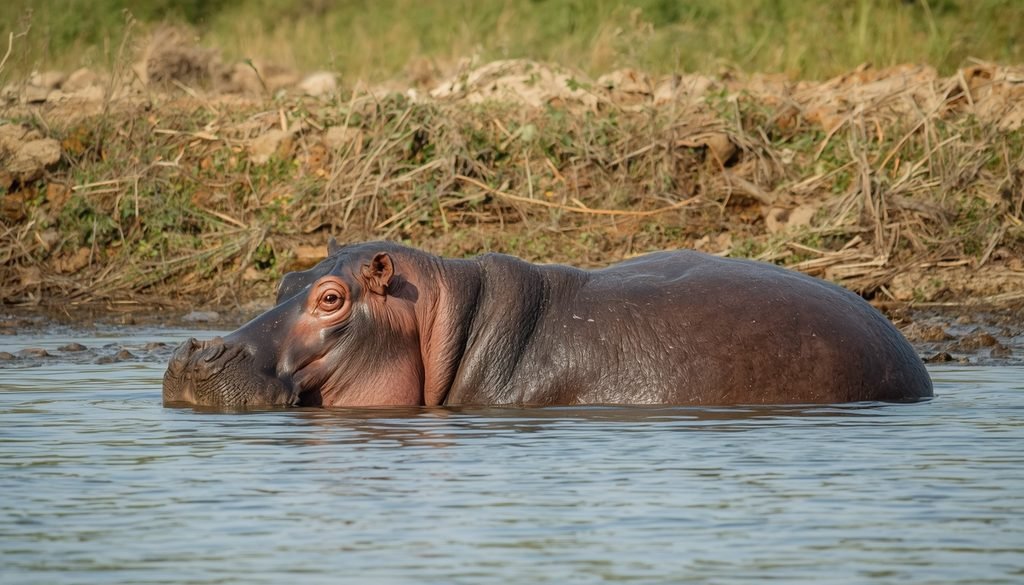
Hippos spend much of the day in water and often gather in groups. They are also known for spreading dung in aquatic environments. Their waste can transfer organic matter and nutrients into rivers, where it may influence aquatic ecosystems. Research in Kenya’s Mara River has examined how hippo dung contributes to resource inputs and affects river processes.
Their behavior can look messy, especially when groups defecate in water. However, the ecological effects depend on the habitat, the number of animals, and the amount of material entering the water.
Why people call them dirty: They spend long periods in water and can add substantial amounts of dung to aquatic habitats.
The reality: Their waste is part of natural nutrient movement, although large concentrations can affect water systems in different ways.
14. Cape Buffalo
Scientific Name: Syncerus caffer
Class: Mammalia
Diet: Grasses and other vegetation
Habitat: African savannas, grasslands, and woodland edges
Cape buffalo often gather in herds and use muddy or dusty areas for wallowing. Like other large mammals, they may roll or rub against the ground to deal with insects, skin irritation, or heat. Their large bodies and outdoor lifestyle mean they can become covered in mud, dust, or vegetation.
Their appearance should not be mistaken for a lack of self maintenance. Wallowing and rubbing are common behaviors among several large herbivores.
Why people call them dirty: They may have mud covered coats and spend time in muddy watering areas.
The reality: Their behavior is linked to comfort and environmental conditions, not a human idea of cleanliness.
15. Wild Boar
Scientific Name: Sus scrofa
Class: Mammalia
Diet: Omnivorous
Habitat: Forests, grasslands, wetlands, scrub, and agricultural landscapes
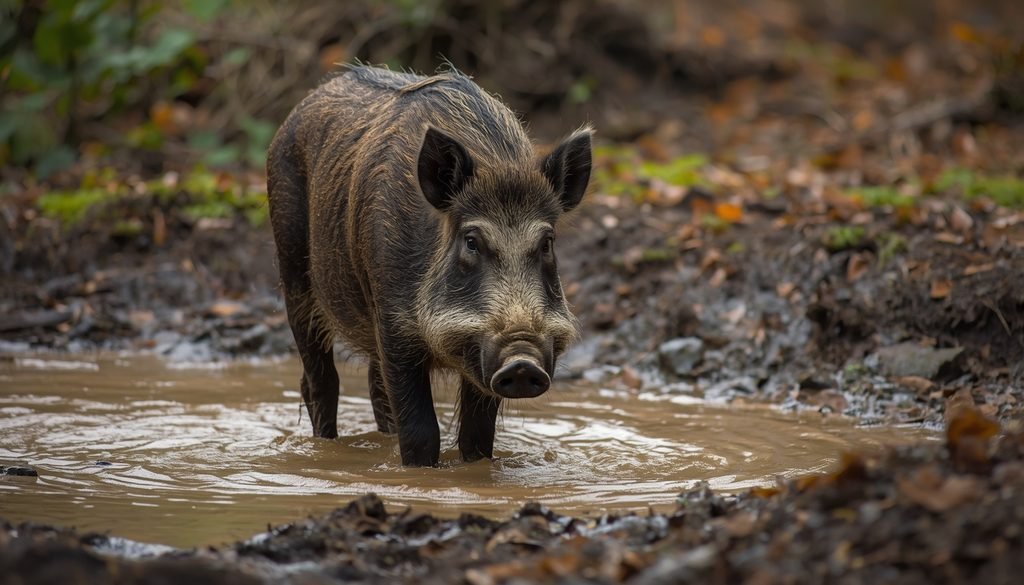
Wild boars use their strong snouts to root through soil in search of roots, bulbs, insects, and other food. They also wallow in mud or wet ground, especially in warm conditions. Research on wild boar thermoregulation describes wallowing as a behavior that helps them cool themselves and avoid overheating.
Rooting can disturb soil and vegetation, while wallowing leaves visible muddy patches. These behaviors may look destructive or untidy, particularly near farms, but they are part of the animal’s natural feeding and temperature management strategies.
Why people call them dirty: They root through soil, wallow in mud, and may forage around crops or human settlements.
The reality: Wild boars are adaptable omnivores whose behaviors help them find food and cope with environmental conditions.
Why Are Some Animals Considered Dirty?
People often use “dirty” to describe animals that behave differently from humans or live in places we prefer to keep clean. Several natural behaviors can create this impression:
- Wallowing in mud or dust: Pigs, bison, and wild boars may use wallowing to manage heat or irritation.
- Scavenging: Vultures, crows, and hyenas consume carrion, helping recycle organic material.
- Feeding around waste: Rats, raccoons, cockroaches, and houseflies may exploit food scraps or decomposing material.
- Living close to people: Urban animals are more visible around garbage, sidewalks, buildings, and food waste.
- Handling animal dung: Dung beetles use waste as food or nesting material and help move nutrients into soil.
These behaviors are not the same as being unhealthy. An animal can be adapted to a muddy, wet, or waste rich environment and still maintain its body in ways suited to its species.
How Messy Animals Help the Environment
Several animals on this list perform ecological jobs that people may overlook. Vultures remove carcasses, dung beetles bury organic matter and contribute to nutrient cycling, and scavenging birds consume food resources that would otherwise remain unused. Hippos transfer nutrients between land and water through their feeding and waste, although the effects vary by ecosystem.
Even animals that cause problems around homes can have roles in natural habitats. The key distinction is context: an insect or mammal may be beneficial in an ecosystem but unwelcome where it contaminates food, damages property, or creates a safety concern. Human waste management, habitat protection, and responsible wildlife practices help reduce conflicts.
Read More: 18 Most Docile Animals in the World
Final Thoughts
The animals commonly called the dirtiest animals in the world are often misunderstood. Pigs and wild boars wallow to manage heat, bison use dust baths for several purposes, vultures feed on carcasses, and dung beetles recycle nutrients from animal waste. These behaviors may look unpleasant to people, but they are connected to survival and ecosystem processes.
There is no scientific leaderboard for the world’s dirtiest animal. Instead of judging wildlife by human standards of cleanliness, it is more useful to understand what each species eats, where it lives, and how it interacts with its environment. Nature’s messiest looking behaviors can sometimes be among its most useful.
Frequently Asked Questions
1. What is the dirtiest animal in the world?
There is no scientifically established “dirtiest animal.” Pigs, cockroaches, rats, houseflies, and vultures are often given that label because of their association with mud, waste, or decaying material. However, the label is subjective and does not measure an animal’s health or ecological value.
2. Are pigs naturally dirty animals?
No. Pigs are often covered in mud because wallowing helps them regulate body temperature. They have limited ability to cool themselves through sweating, so mud and wet surfaces can be useful in warm conditions.
3. Why do vultures eat dead animals?
Vultures are scavengers adapted to feeding on carrion. By consuming carcasses, they help remove dead organic material from the environment and contribute to ecosystem processes.
4. Do dung beetles really clean the environment?
Dung beetles process animal dung by feeding on it, rolling it, or burying it. These activities can help move nutrients into soil and support decomposition and other ecological functions.
5. Are houseflies dangerous?
Houseflies can move between waste and food contact surfaces, so good food hygiene is important. Keep food covered, clean surfaces, and dispose of waste properly. The risk depends on the setting and exposure; it is not accurate to assume every fly carries a specific disease.
6. Why do bison roll in dirt?
Bison wallow for several possible reasons, including dealing with insects or skin irritation, seasonal coat changes, social behavior, and cooling. Their wallows can also create small habitat features in grasslands.
7. Are sloths dirty because algae grow in their fur?
Not necessarily. Some sloths have algae and other organisms living in their fur. Research has explored possible relationships between sloths and these algae, including potential nutritional benefits.
8. Does “dirty animal” mean an animal spreads disease?
No. “Dirty animal” is not a scientific health category. Some species can carry pathogens or contaminate food in particular circumstances, but disease risk depends on the species, environment, contact, and specific organism involved. Avoid touching wildlife, keep food and waste secured, and follow local public health guidance.

One thought on “15 Dirtiest Animals in the World: Surprising Facts About Nature’s Messiest Creatures”