
Introduction
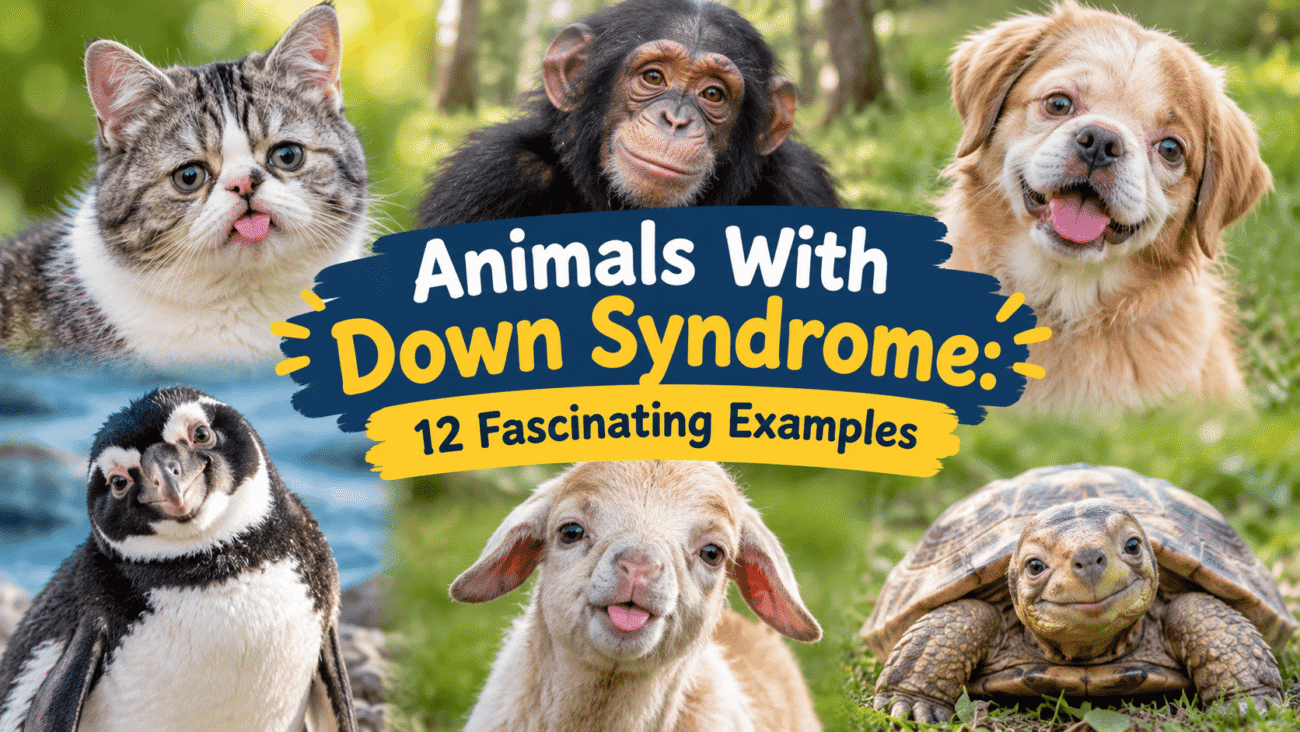
Searches for animals with Down syndrome often come from photos and stories about animals with unusual facial features, developmental differences, or distinctive behavior. However, there is an important scientific distinction to understand: human Down syndrome is specifically associated with an extra copy of chromosome 21, while animals have different chromosome systems and species-specific genetic conditions.
That does not mean animals cannot have genetic or chromosomal abnormalities. Veterinary medicine documents many inherited and congenital disorders across domestic species, and researchers have also developed animal models that reproduce aspects of human genetic conditions.
In this article, we explore 12 animals commonly associated with Down syndrome-like traits or genetic abnormalities, while separating documented science from internet claims.
Can Animals Have Down Syndrome?
Short answer: Animals can have chromosomal abnormalities, genetic disorders, and developmental conditions that may produce traits resembling those associated with human Down syndrome. However, this does not mean that an animal automatically has human trisomy 21. Different species have different chromosomes and genetic structures, so an unusual appearance alone cannot establish a Down syndrome diagnosis.
List of Animals With Down Syndrome
- Tiger
- Cat
- Monkey
- Elephant
- Koala
- Giraffe
- Goat
- Mouse
- Hyena
- Cow
- Dog
- Horse
1. Tiger
Scientific Name: Panthera tigris
Class: Mammalia
Diet: Carnivore
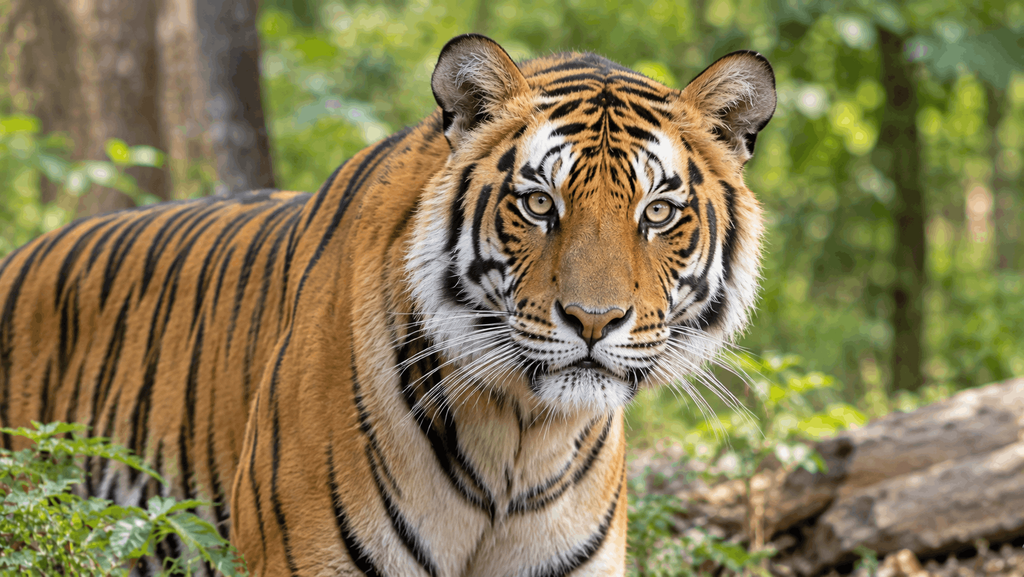
Tigers are sometimes included in online lists of animals with Down syndrome because individual animals may have unusual facial structures, body proportions, or developmental abnormalities. The best-known internet example is Kenny, a white tiger whose unusual appearance became widely discussed online.
However, an unusual facial structure does not establish human Down syndrome. Congenital abnormalities can have many possible causes, and veterinary medicine recognizes numerous inherited and developmental conditions in animals.
The important lesson is that unusual physical characteristics should be described accurately rather than automatically labeled as a human genetic condition.
2. Cat
Scientific Name: Felis catus
Class: Mammalia
Diet: Carnivore
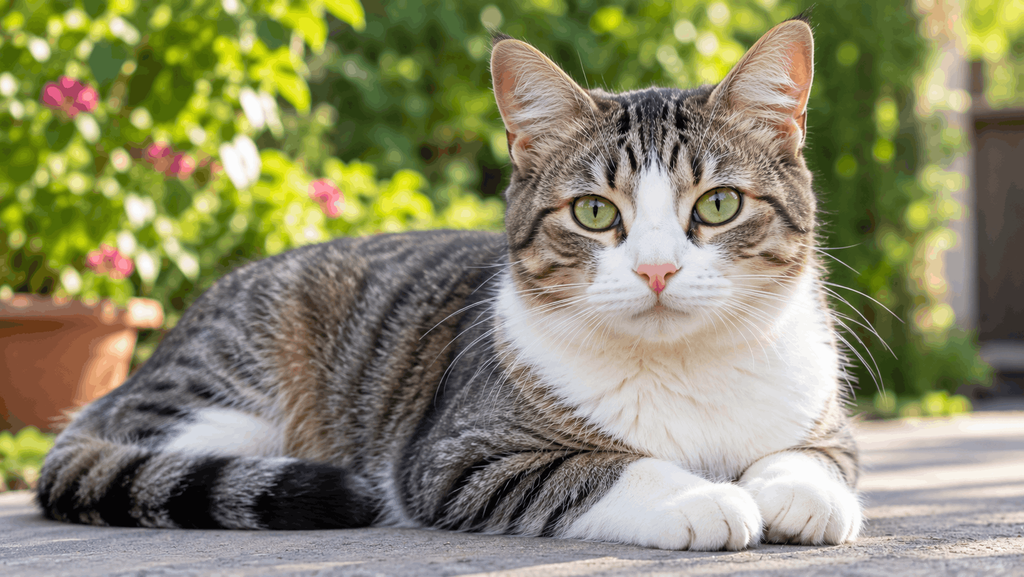
“Cats with Down syndrome” is a popular search phrase, especially when a kitten has widely spaced eyes, an unusual facial shape, poor coordination, or developmental differences. Social media has also helped spread stories about cats being diagnosed with Down syndrome.
Scientifically, however, cats are not simply diagnosed with human trisomy 21 based on appearance. Cats can develop numerous inherited and congenital disorders, including several conditions with known molecular causes.
If a cat has unusual physical or neurological characteristics, veterinary evaluation is more appropriate than relying on an internet label.
3. Monkey
Class: Mammalia
Diet: Omnivore
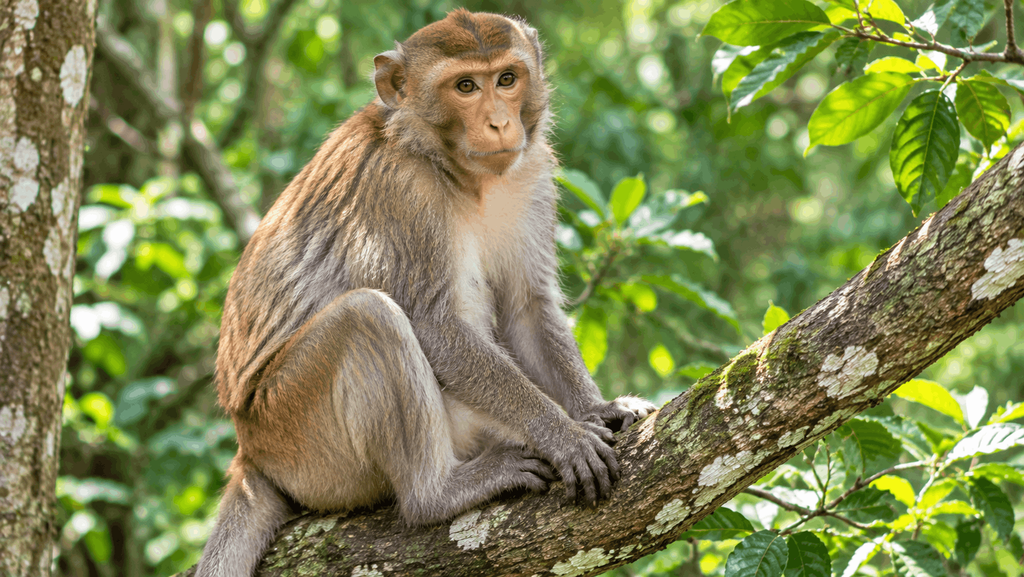
Monkeys and other primates are particularly interesting when discussing genetic conditions because they share many biological similarities with humans. Some primates can develop congenital abnormalities or genetic disorders, but that does not mean they naturally develop human Down syndrome in exactly the same form.
Researchers study primate genetics to understand development, chromosomes, and inherited conditions. When an animal has unusual facial or developmental characteristics, scientists need genetic and clinical evidence before identifying the underlying cause.
This distinction is important because physical resemblance is not the same as a genetic diagnosis.
4. Elephant
Scientific Name: Loxodonta africana / Elephas maximus
Class: Mammalia
Diet: Herbivore
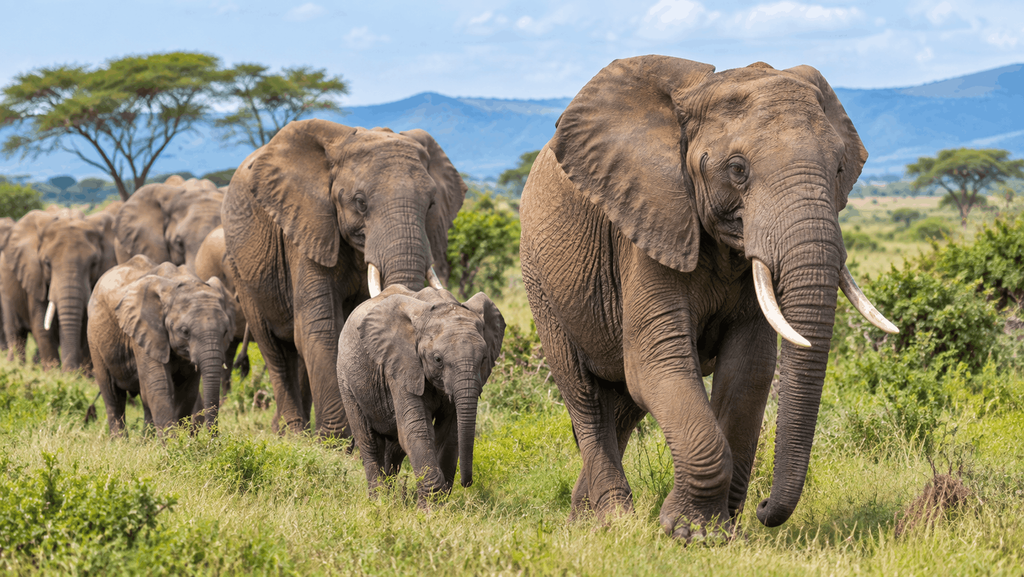
Elephants are sometimes included in internet discussions about animals with Down syndrome because individual elephants can have unusual physical characteristics or developmental abnormalities. However, ordinary differences in appearance or behavior should not be described as Down syndrome.
Elephants have their own species-specific genetic and developmental biology. Like other mammals, they can potentially experience congenital or inherited abnormalities, but a specific diagnosis requires appropriate evidence.
Rather than assuming a diagnosis from appearance, it is better to describe a documented physical or developmental condition when reliable evidence exists.
5. Koala
Scientific Name: Phascolarctos cinereus
Class: Mammalia
Diet: Herbivore
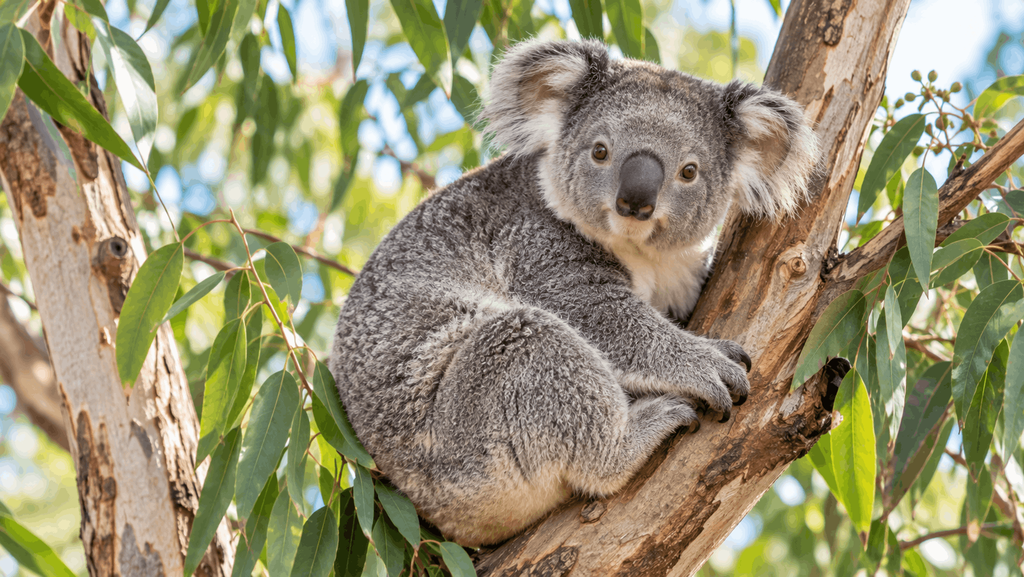
Koalas sometimes appear in online discussions because their distinctive faces can look unusual compared with other mammals. Their large noses, round faces, small eyes, and body proportions are normal characteristics of the species, however.
A koala’s appearance should not be interpreted as evidence of Down syndrome. Like other animals, koalas can experience health and developmental problems, but those conditions require species-specific scientific or veterinary explanations.
Normal species characteristics should always be separated from genuine congenital or genetic abnormalities.
6. Giraffe
Scientific Name: Giraffa camelopardalis
Class: Mammalia
Diet: Herbivore
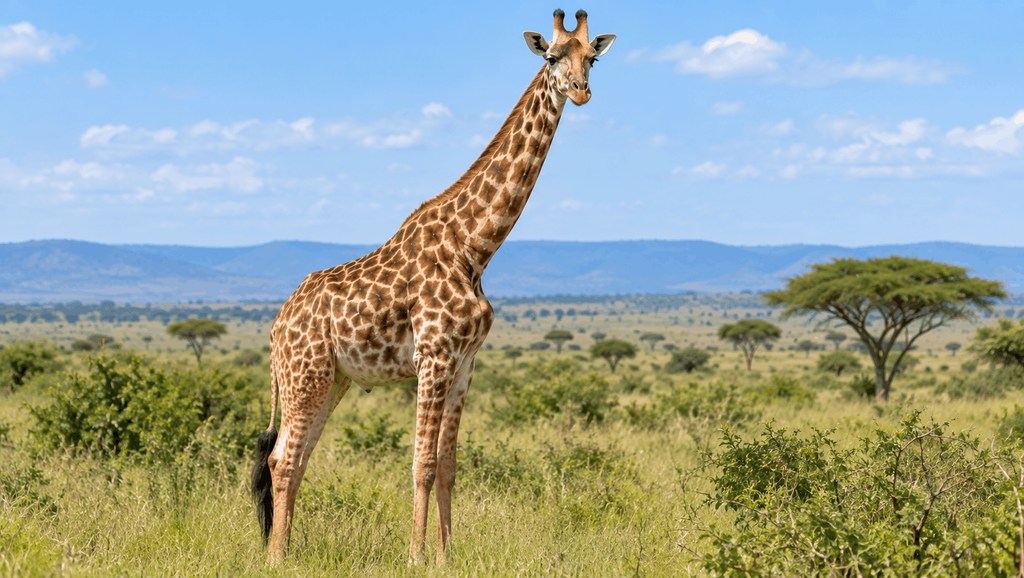
Giraffes have highly unusual anatomy, including extremely long necks, long legs, distinctive facial structures, and patterned coats. Because of these unusual features, they may occasionally appear in generalized online lists about animals with unusual appearances.
These traits are normal giraffe adaptations rather than evidence of Down syndrome. If a giraffe is born with a genuine congenital abnormality, that condition should be described specifically rather than being assigned a human diagnosis without evidence.
This is a useful reminder that “unusual-looking” does not necessarily mean “genetically abnormal.”
7. Goat
Scientific Name: Capra aegagrus hircus
Class: Mammalia
Diet: Herbivore
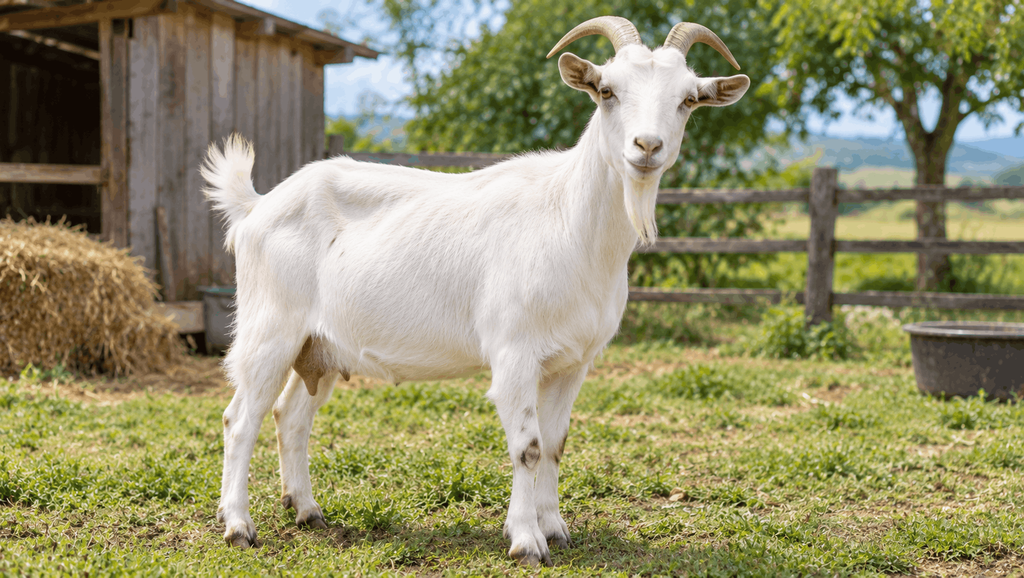
Goats can be born with congenital abnormalities or develop inherited disorders. Some abnormalities may affect body shape, movement, facial structure, or neurological function.
Veterinary references document several molecularly characterized congenital disorders in goats, including beta-mannosidosis and mucopolysaccharidosis III.
These conditions demonstrate why it is more accurate to discuss specific genetic or congenital disorders rather than simply calling an unusual goat a “Down syndrome goat.”
8. Mouse
Scientific Name: Mus musculus
Class: Mammalia
Diet: Omnivore
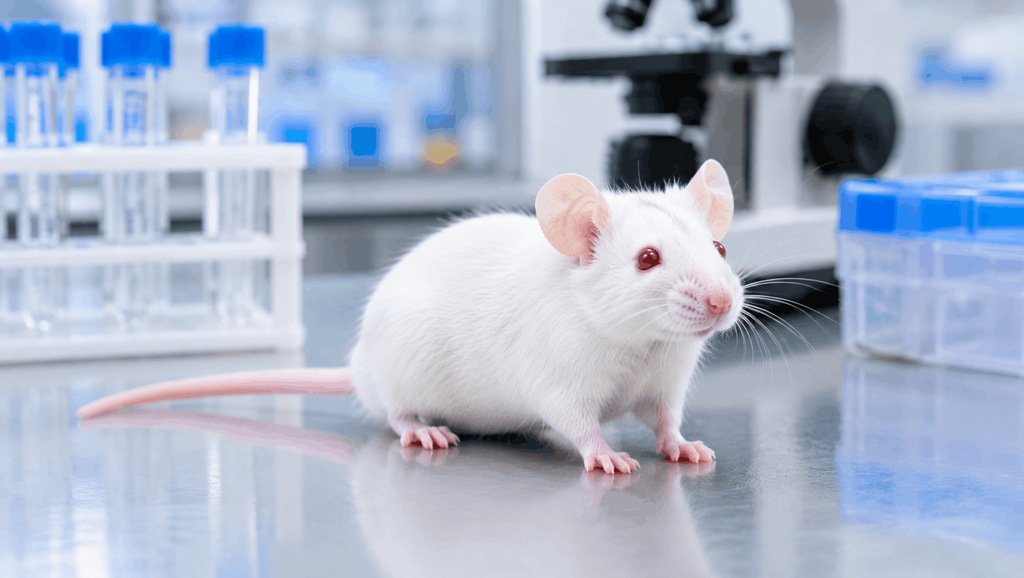
Mice are the strongest scientific example in this list because researchers have deliberately developed mouse models of Down syndrome. Human chromosome 21 genes correspond to regions spread across several mouse chromosomes, so scientists can create mice with additional copies of relevant genetic regions.
These laboratory models can reproduce certain Down syndrome-related biological and behavioral features and are used to study genetics and potential treatments.
This does not mean ordinary pet or wild mice naturally have human Down syndrome. The research models are specifically engineered for scientific study.
9. Hyena
Scientific Name: Crocuta crocuta
Class: Mammalia
Diet: Carnivore
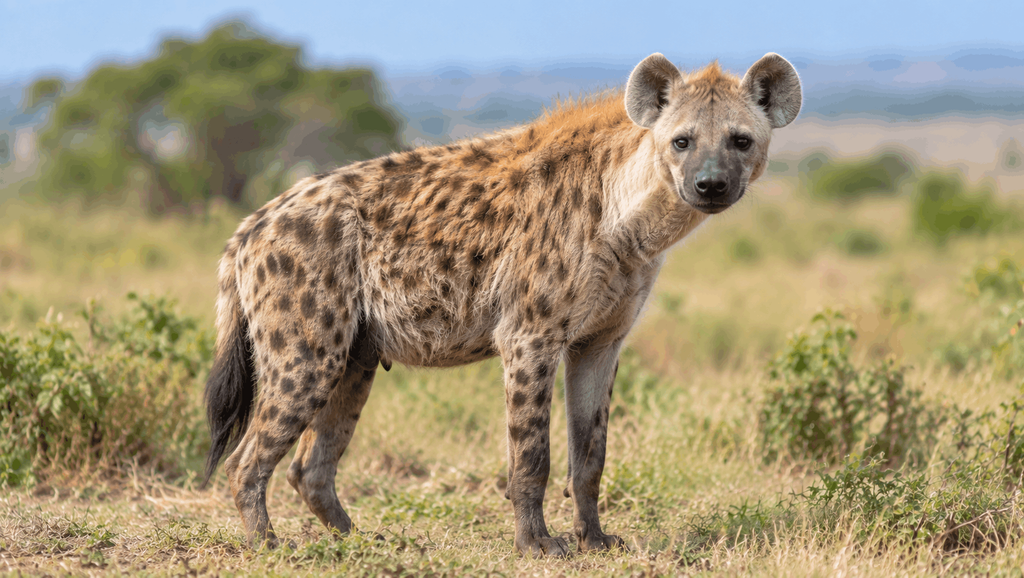
Hyenas are sometimes included in unusual-animal discussions because their anatomy and behavior differ greatly from those of many familiar mammals. Their sloping backs, powerful jaws, rounded ears, and unusual body proportions are natural characteristics of the species.
There is no reason to interpret normal hyena anatomy as evidence of Down syndrome. Genetic variation can occur in animals, but unusual social behavior or physical appearance alone does not establish a chromosomal diagnosis.
10. Cow
Scientific Name: Bos taurus
Class: Mammalia
Diet: Herbivore
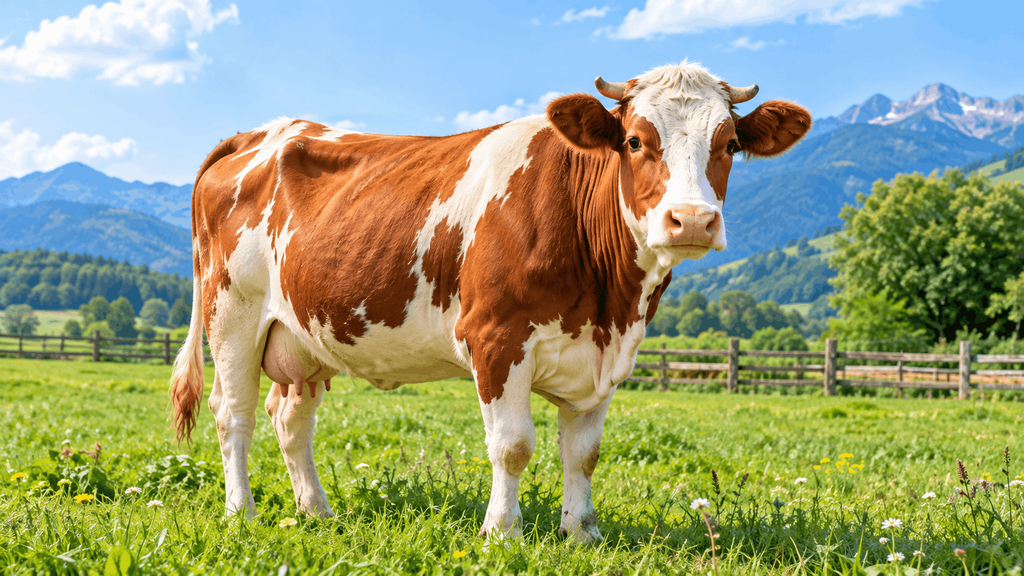
Cattle can experience numerous inherited and congenital abnormalities. Veterinary literature documents conditions affecting the skeleton, nervous system, metabolism, and other parts of the body. Some are linked to specific genetic variants.
A cow with an unusual face, body structure, or movement may attract attention online, but these characteristics should not automatically be called Down syndrome. A specific veterinary diagnosis is needed to determine the actual condition.
11. Dog
Scientific Name: Canis lupus familiaris
Class: Mammalia
Diet: Omnivore
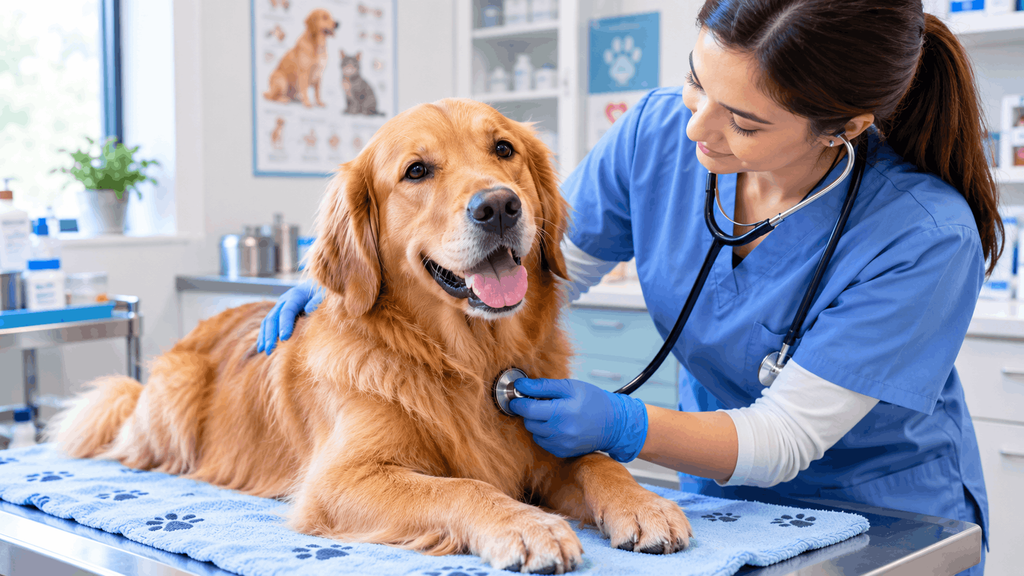
Dogs are among the animals most frequently described online as having Down syndrome. Photos of dogs with unusual facial features, developmental delays, poor coordination, or unusual behavior can quickly become viral.
However, dogs do not simply receive a human Down syndrome diagnosis because they look different. Veterinary medicine recognizes many inherited conditions in dogs, including metabolic, neurological, muscular, immune, and eye disorders.
If a dog shows developmental or neurological problems, a veterinarian can investigate possible congenital, inherited, nutritional, infectious, or other causes.
12. Horse
Scientific Name: Equus ferus caballus
Class: Mammalia
Diet: Herbivore
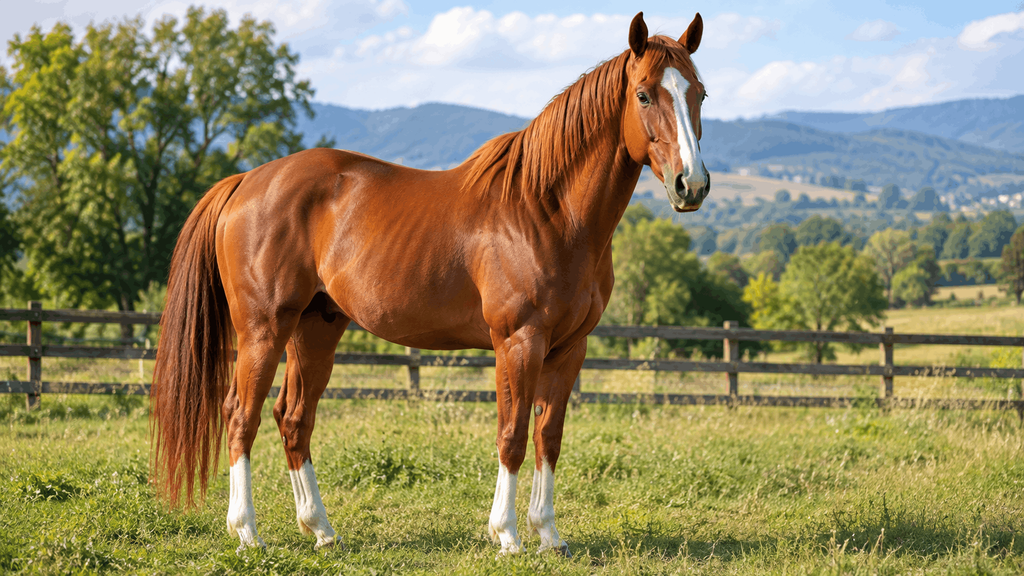
Horses can also be affected by inherited and congenital conditions. Some genetic disorders affect movement, muscles, metabolism, or development. Veterinary references identify several known molecular disorders in horses, including hyperkalemic periodic paralysis and severe combined immunodeficiency.
An unusual facial expression or body shape should not automatically be interpreted as Down syndrome. A horse’s actual condition should be determined through veterinary examination and, when appropriate, genetic testing.
Why Do Some Animals Look Like They Have Down Syndrome?
Animals can develop unusual physical or developmental characteristics for many different reasons. Congenital abnormalities may result from inherited genetic variants, chromosome errors, environmental influences during fetal development, nutritional problems, infections, or other developmental disruptions.
Veterinary medicine also recognizes that similar-looking abnormalities can sometimes have completely different causes. For example, a facial difference could result from a genetic disorder, developmental problem, injury, or another medical condition.
That is why photographs are not enough to diagnose a genetic disorder. A qualified veterinarian may need physical examination, medical history, imaging, laboratory tests, or genetic testing to determine the cause.
Genetic Disorders in Animals
Genetic disorders occur across many animal species. They can result from mutations in individual genes, inherited variants, or abnormalities involving chromosomes.
Veterinary references list known genetic disorders in cats, dogs, cattle, goats, horses, sheep, pigs, and other domestic animals. Chromosomal abnormalities, including trisomy, have also been documented in veterinary medicine.
Mouse models provide another important example. Scientists have created genetically engineered mice containing additional copies of chromosome regions corresponding to human chromosome 21. These models help researchers investigate the biology of Down syndrome.
So, while the phrase “animals with Down syndrome” is common in searches, the scientifically accurate discussion is usually about species-specific genetic, chromosomal, congenital, or developmental conditions.
Read More: Animals That Walk On Two Legs
FAQs
What animals can have Down syndrome?
Animals can experience genetic and chromosomal abnormalities, but human Down syndrome is not simply transferable to other species. Different animals have different chromosome systems. Some animals, especially specially developed laboratory mice, are used as models of human Down syndrome research. Other animals may have genetic or developmental conditions that produce superficially similar characteristics.
Is there Down syndrome in dogs?
Dogs can have inherited and congenital disorders that affect development, movement, behavior, or appearance. However, an unusual-looking dog should not automatically be diagnosed with human Down syndrome. Veterinary examination is needed to determine whether a dog has a genetic, neurological, congenital, or another medical condition.
Can cats have Down syndrome?
Cats can have congenital and inherited disorders that affect their physical appearance or development. However, calling a cat a “Down syndrome cat” based only on facial features or behavior is scientifically unreliable. A veterinarian should investigate unusual characteristics to determine their actual cause.
Why do some animals look like they have Down syndrome?
Several conditions can cause unusual physical or behavioral characteristics in animals. These include genetic mutations, chromosomal abnormalities, congenital defects, developmental disorders, illness, injury, and natural variation. Similar appearance does not necessarily mean the same underlying genetic condition.
Do animals have chromosomal disorders?
Yes. Chromosomal abnormalities have been documented in veterinary medicine, including trisomy and other chromosome errors. Some may affect fetal development or produce viable offspring with abnormalities. The exact effects depend on the species and chromosome involved.
How are genetic disorders diagnosed in animals?
Diagnosis can involve a physical examination, medical history, imaging, laboratory testing, pedigree information, chromosome analysis, and DNA-based genetic testing. The appropriate approach depends on the species and suspected condition. Veterinary specialists may be involved when a rare inherited or congenital disorder is suspected.
Final Thoughts
The phrase animals with Down syndrome is widely searched, but it needs careful interpretation. Human Down syndrome is a specific chromosomal condition involving an extra copy of chromosome 21, while animals have their own chromosome systems and genetic disorders.
Some animals may develop congenital, developmental, or genetic conditions that produce unusual characteristics. Mice have also been deliberately developed as research models of human Down syndrome, providing valuable scientific information.
The most responsible approach is to avoid diagnosing an animal from a photograph or viral story. When an animal has unusual physical or behavioral characteristics, the underlying cause should be investigated through appropriate veterinary or genetic evaluation.

One thought on “Animals With Down Syndrome: 12 Fascinating Examples”