
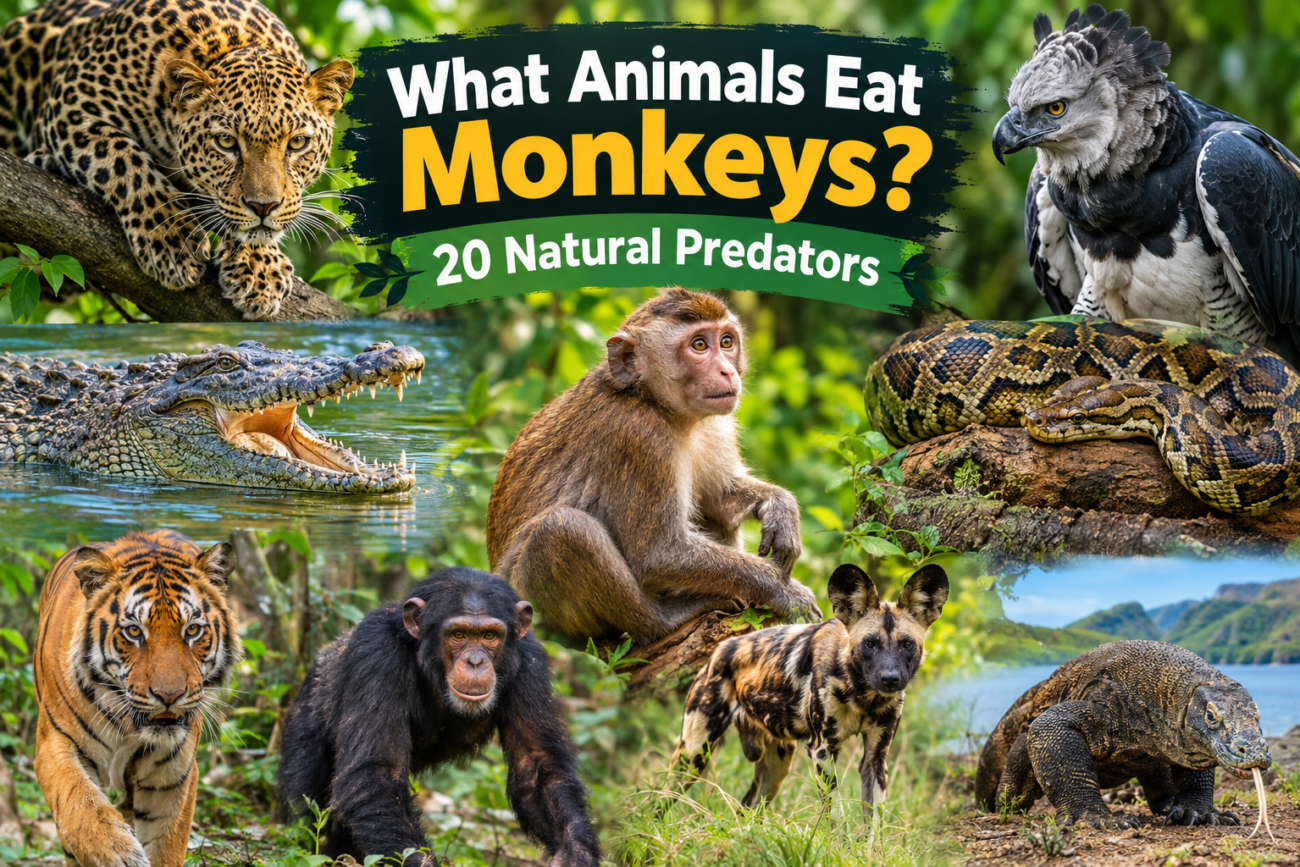
Monkeys are intelligent, social, and agile primates, but life in the wild comes with many dangers. From dense tropical rainforests to African woodlands and riverbanks, monkeys share their habitats with predators that hunt from the ground, climb trees, fly above the canopy, or wait quietly near water. Their speed and intelligence help them survive, yet even experienced adults can become prey.
Understanding what animals eat monkeys reveals how predator-prey relationships shape wildlife behavior and maintain the balance of natural ecosystems. However, not every predator hunts monkeys regularly. Some species target young or isolated individuals, while others may catch a monkey only when the opportunity arises. The risk depends on the monkey species, its size, its habitat, and the predators living nearby.
Quick Answer: What Animals Eat Monkeys?
Animals that prey on monkeys include leopards, jaguars, clouded leopards, tigers, ocelots, harpy eagles, crowned eagles, Philippine eagles, martial eagles, crested serpent eagles, chimpanzees, baboons, dholes, African wild dogs, Nile crocodiles, saltwater crocodiles, green anacondas, reticulated pythons, boa constrictors, and Komodo dragons. Large cats and eagles can capture monkeys in forest habitats, while crocodiles and large snakes may attack near water or along travel routes. Some primates, including chimpanzees, also hunt other primates. These predators do not all hunt monkeys equally often, and some encounters are opportunistic rather than routine.
1. Leopard (Panthera pardus)
Class: Mammalia
Diet: Carnivore
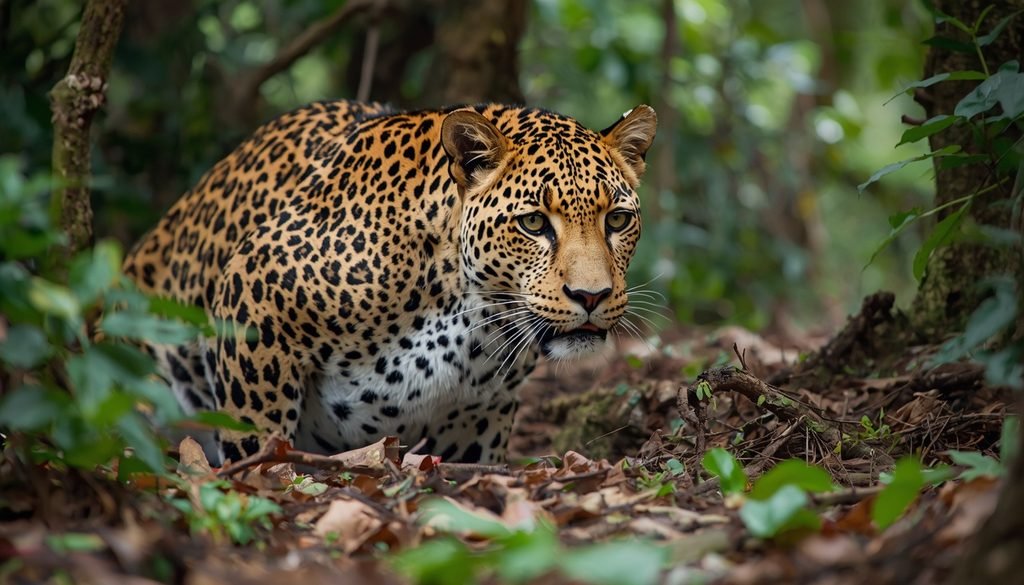
Leopards are among the most important natural predators of monkeys in parts of Africa and Asia. Their powerful bodies, sharp claws, and excellent climbing ability allow them to hunt in trees as well as on the ground. Depending on the region, leopards may prey on monkeys, baboons, and other primates.
Their spotted coats provide camouflage in forests and woodland vegetation. A leopard can wait quietly, then launch a sudden attack when a monkey comes within reach. Monkeys often respond to a leopard’s presence with loud alarm calls that warn nearby group members.
2. Jaguar (Panthera onca)
Class: Mammalia
Diet: Carnivore
The jaguar is a powerful big cat native to the Americas. It lives in habitats that include tropical rainforests, wetlands, and riverine forests, where several monkey species also occur. Jaguars are capable climbers and may capture monkeys when they encounter them in suitable habitat.
Jaguars usually hunt by stalking or ambushing prey rather than chasing it over long distances. Their strength and stealth make them dangerous to monkeys that descend to the forest floor or move through low branches. However, monkeys are only one possible food source among the many animals jaguars hunt.
3. Clouded Leopard (Neofelis nebulosa)
Class: Mammalia
Diet: Carnivore
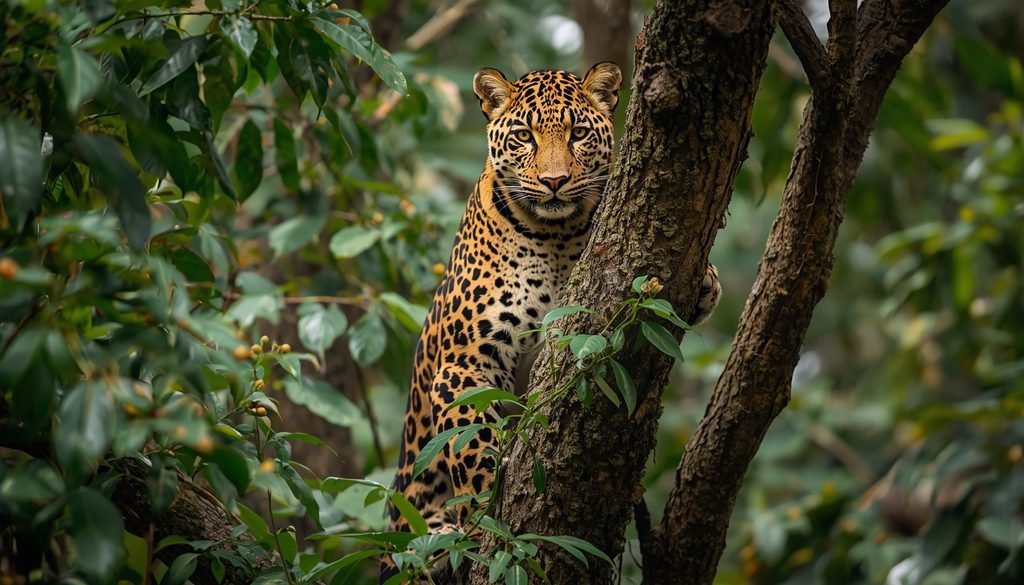
Clouded leopards inhabit forests of Southeast Asia and are especially well adapted to moving through trees. Their large paws, strong limbs, and long tails help them balance on branches and climb steep trunks. These adaptations give them access to some animals that ground-dwelling predators may struggle to reach.
Monkeys can be potential prey where their ranges overlap, although clouded leopards also hunt other mammals and birds. Their cloud-like coat markings break up their outline in shaded forest vegetation. This camouflage can help them approach prey without being noticed.
4. Tiger (Panthera tigris)
Class: Mammalia
Diet: Carnivore
Tigers are large predators of Asian forests, grasslands, and wetlands. Their diets mainly consist of larger mammals, but they may also kill monkeys when circumstances allow. The likelihood depends on the local tiger population and which primate species share its habitat.
A tiger’s striped coat provides camouflage among grasses, shadows, and vegetation. It generally relies on stealth and a short, powerful attack. Monkeys may avoid areas where they detect a tiger, using alarm calls and movement through trees to reduce their risk.
5. Ocelot (Leopardus pardalis)
Class: Mammalia
Diet: Carnivore
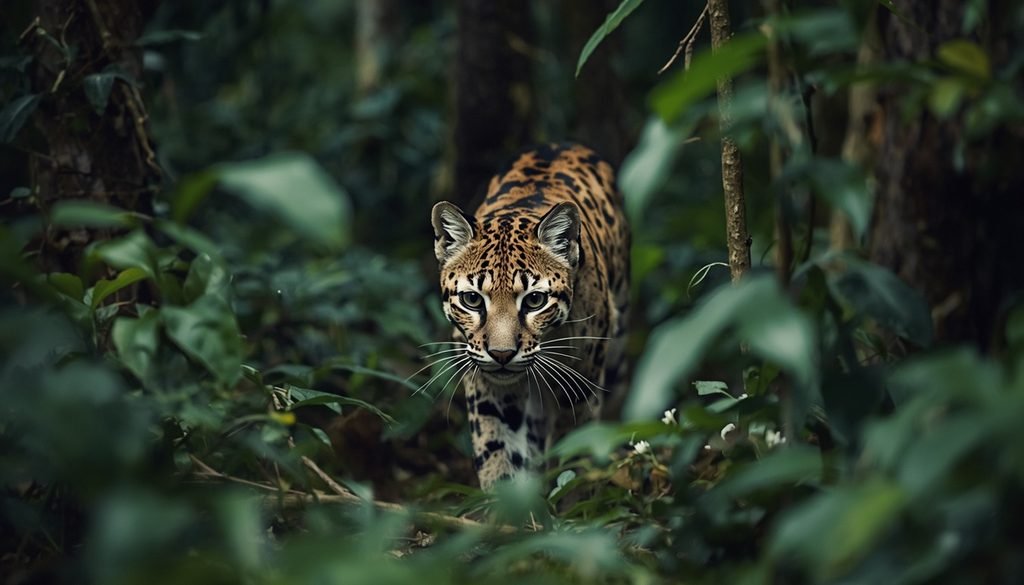
The ocelot is a medium-sized wild cat found in parts of Central and South America. It hunts mainly at night and feeds on small mammals, birds, reptiles, and other available prey. Small monkeys may occasionally be vulnerable to ocelots, especially young individuals or animals moving close to the ground.
Ocelots have spotted coats that blend into forest shadows. They are skilled at moving quietly through dense vegetation, where they can approach prey at close range. Because of their smaller size, they are more likely to target smaller or vulnerable primates than large adult monkeys.
6. Harpy Eagle (Harpia harpyja)
Class: Aves
Diet: Carnivore
The harpy eagle is one of the most powerful birds of prey in the tropical forests of Central and South America. Its strong feet, long talons, and broad wings help it capture animals living in the canopy. Monkeys, sloths, and other tree-dwelling mammals can form part of its diet.
Unlike predators that chase prey along the ground, a harpy eagle can attack from above or approach through the forest canopy. Its sharp eyesight helps it detect movement among leaves and branches. Even monkeys that spend most of their time in trees must remain alert to aerial hunters.
7. African Crowned Eagle (Stephanoaetus coronatus)
Class: Aves
Diet: Carnivore
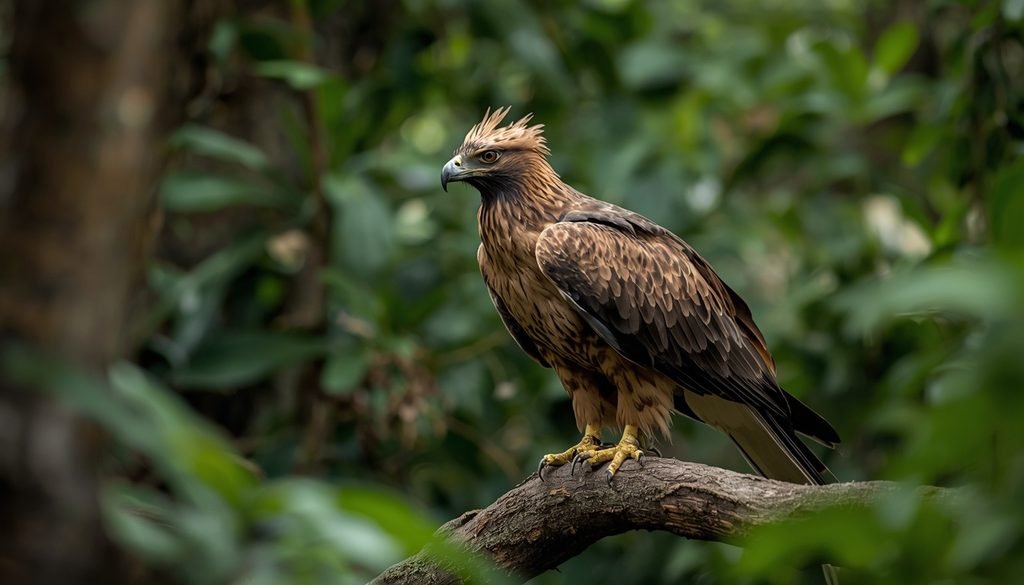
The African crowned eagle is a powerful forest raptor known for hunting mammals, including monkeys. It lives in wooded habitats across parts of sub-Saharan Africa, where several primate species provide potential prey. Its strong legs and sharp talons help it seize animals during fast attacks.
Crowned eagles may hunt from a perch or move through the forest before striking. Monkeys often rely on group vigilance to detect threats, but thick foliage can make an approaching eagle difficult to see. The eagle’s diet varies by location and may include other mammals as well as primates.
8. Philippine Eagle (Pithecophaga jefferyi)
Class: Aves
Diet: Carnivore
The Philippine eagle is a rare, large forest eagle native to the Philippines. It hunts in forest habitats and can prey on tree-dwelling mammals, including monkeys where available. Its powerful feet, curved talons, and strong beak make it capable of capturing substantial prey.
This eagle depends on extensive forest habitat, which has been reduced by deforestation and other human activities. It is classified as Critically Endangered, making conservation especially important. Protecting the eagle’s forest also helps preserve the many species that share its ecosystem.
9. Martial Eagle (Polemaetus bellicosus)
Class: Aves
Diet: Carnivore
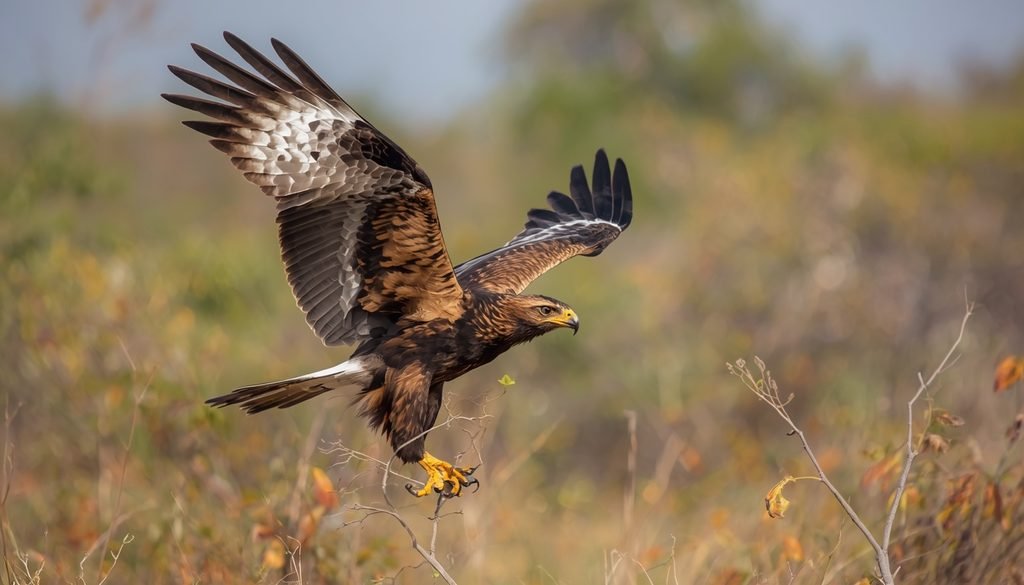
The martial eagle is a large African raptor that hunts in open woodland, savanna, and other landscapes. Its prey includes birds and mammals, and it may take monkeys when suitable opportunities arise. Its excellent eyesight allows it to detect animals from a considerable distance.
Martial eagles use powerful dives and sharp talons to catch prey. Monkeys living near open woodland edges may face greater exposure than those hidden deep within dense forest. Nevertheless, the eagle’s diet is broad, and monkeys are not necessarily a major food source in every area.
10. Crested Serpent Eagle (Spilornis cheela)
Class: Aves
Diet: Carnivore
The crested serpent eagle lives in forests and wooded landscapes across parts of South and Southeast Asia. As its name suggests, snakes are a major part of its diet, but it also takes other small animals. Small monkeys or young primates may be vulnerable in some circumstances, although they are not its primary prey.
This eagle uses keen vision to search for prey from trees or while flying above forest vegetation. Its varied diet helps it exploit different food sources, but the exact importance of monkeys depends on local prey availability.
11. Chimpanzee (Pan troglodytes)
Class: Mammalia
Diet: Omnivore
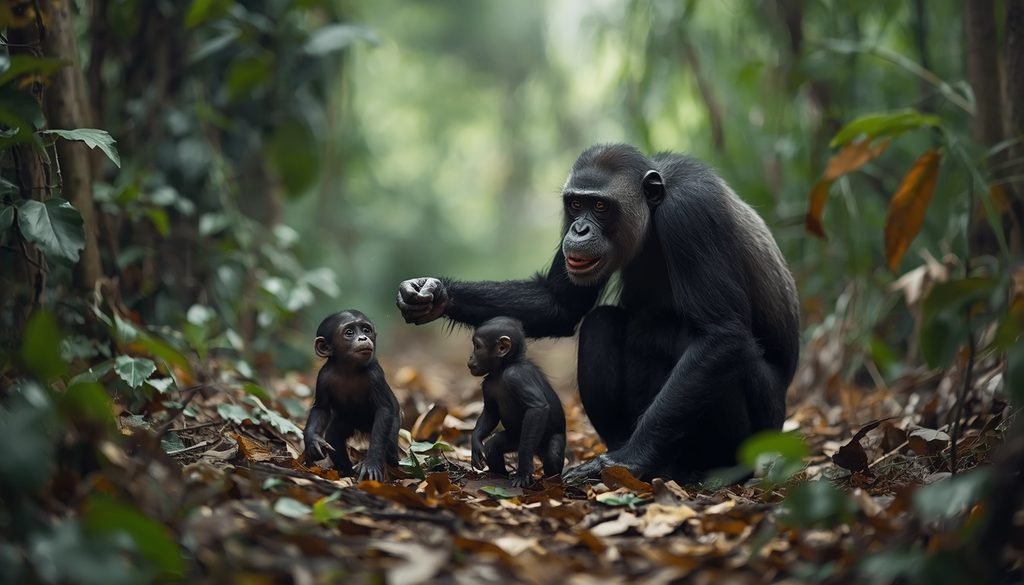
Chimpanzees are among the best-known primates that hunt other primates. In some African forests, chimpanzees hunt smaller monkeys, including red colobus monkeys. Hunting may involve several group members working together, although participation and success vary.
Chimpanzees use intelligence, communication, and social relationships during these hunts. Meat is only one part of their varied diet, which also includes fruit, leaves, seeds, and insects. Their predatory behavior demonstrates that a primate’s diet can be more varied than a simple classification as a plant-eater might suggest.
12. Baboon (Papio species)
Class: Mammalia
Diet: Omnivore
Baboons are adaptable African primates that eat fruit, seeds, roots, insects, and small animals. Some species and populations may attack or eat young primates when an opportunity occurs. However, monkeys are not the main food source for baboons, and such behavior should not be treated as universal.
Baboons often live in social groups, which can help them find food and defend themselves. Their strong jaws and ability to forage on the ground make them successful generalists. Their impact on other primates depends on local species and circumstances.
13. Dhole (Cuon alpinus)
Class: Mammalia
Diet: Carnivore
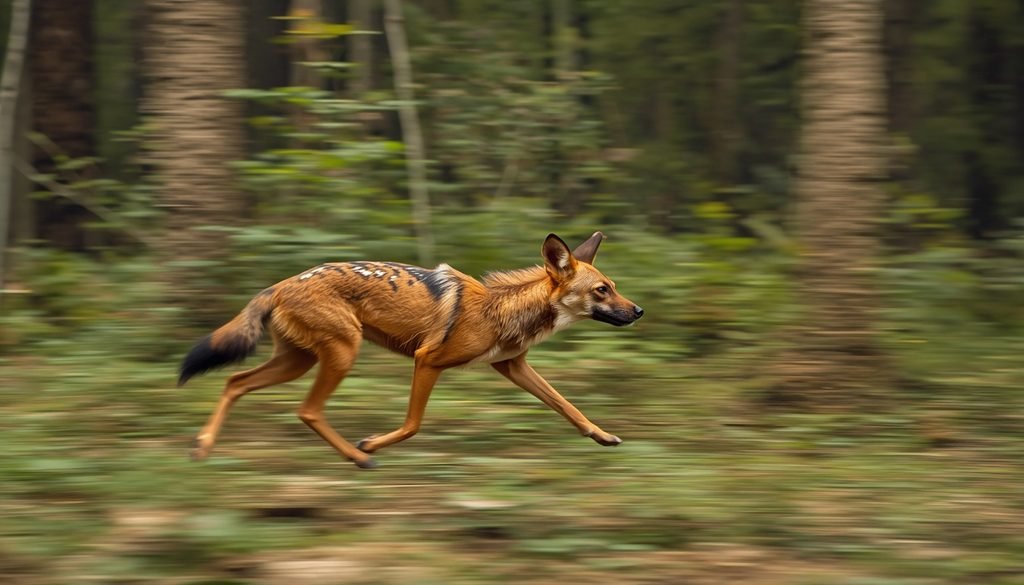
The dhole, also called the Asiatic wild dog, is a social carnivore found in parts of South and Southeast Asia. Its diet mainly includes hoofed mammals, but dholes may take smaller animals when available. In some settings, monkeys on the ground or near forest edges may face a threat from these pack hunters.
Dholes coordinate through social signals and can pursue prey over considerable distances. Their success depends on terrain, group size, and the animal being hunted. Monkeys may escape by climbing, but they are more exposed when traveling on the ground.
14. African Wild Dog (Lycaon pictus)
Class: Mammalia
Diet: Carnivore
African wild dogs are cooperative hunters that usually pursue medium-sized ungulates such as antelope. They may opportunistically kill smaller mammals, and young or ground-level primates could be vulnerable in certain situations. However, monkeys are not a typical primary prey item for this species.
Wild dogs rely on teamwork, endurance, and communication. Their hunting style is different from the stealthy ambush used by leopards. This distinction matters because a predator’s general ability to kill an animal does not necessarily mean that animal is a regular part of its diet.
15. Nile Crocodile (Crocodylus niloticus)
Class: Reptilia
Diet: Carnivore
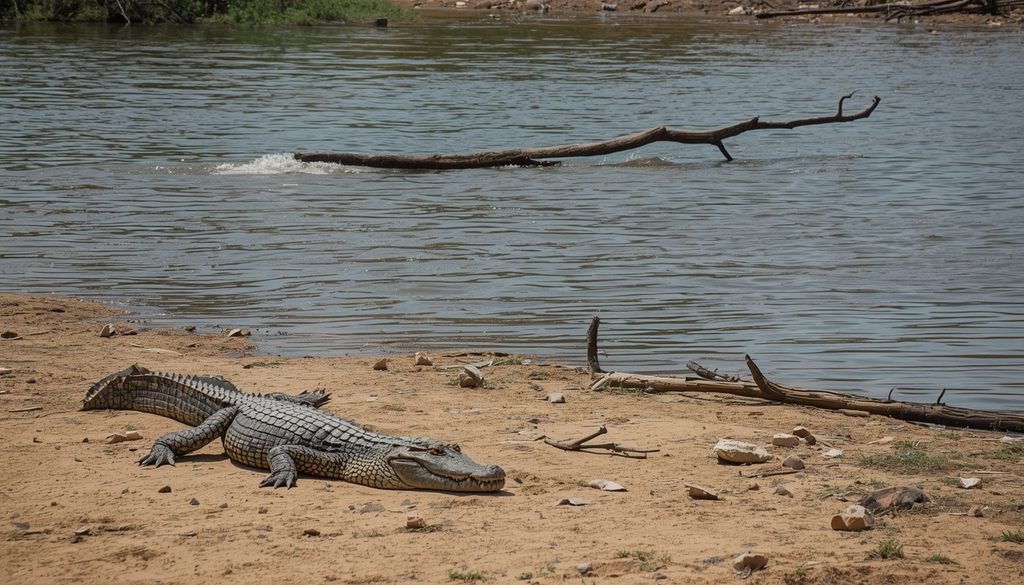
Nile crocodiles inhabit African rivers, lakes, and wetlands. They are ambush predators that wait near water before attacking animals that come within range. Monkeys may be at risk when they approach riverbanks to drink, cross water, or feed on vegetation beside the shore.
A crocodile’s camouflage and ability to remain mostly submerged make it difficult to detect. Its powerful jaws can seize prey quickly, leaving little time to escape. Not every monkey population encounters crocodiles, but where their habitats overlap, water access can be a dangerous part of daily life.
16. Saltwater Crocodile (Crocodylus porosus)
Class: Reptilia
Diet: Carnivore
Saltwater crocodiles occur in coastal habitats, estuaries, mangroves, and rivers across parts of South and Southeast Asia and Australasia. They consume a wide range of animals, from fish to large mammals. Monkeys that inhabit mangrove forests or visit water edges may occasionally be exposed to these reptiles.
Their hunting strategy depends on patience and a sudden strike. Because crocodiles can remain concealed near the water, a monkey may not recognize the danger until it is close. The actual risk varies with local geography and whether monkeys regularly use crocodile-inhabited waterways.
17. Green Anaconda (Eunectes murinus)
Class: Reptilia
Diet: Carnivore
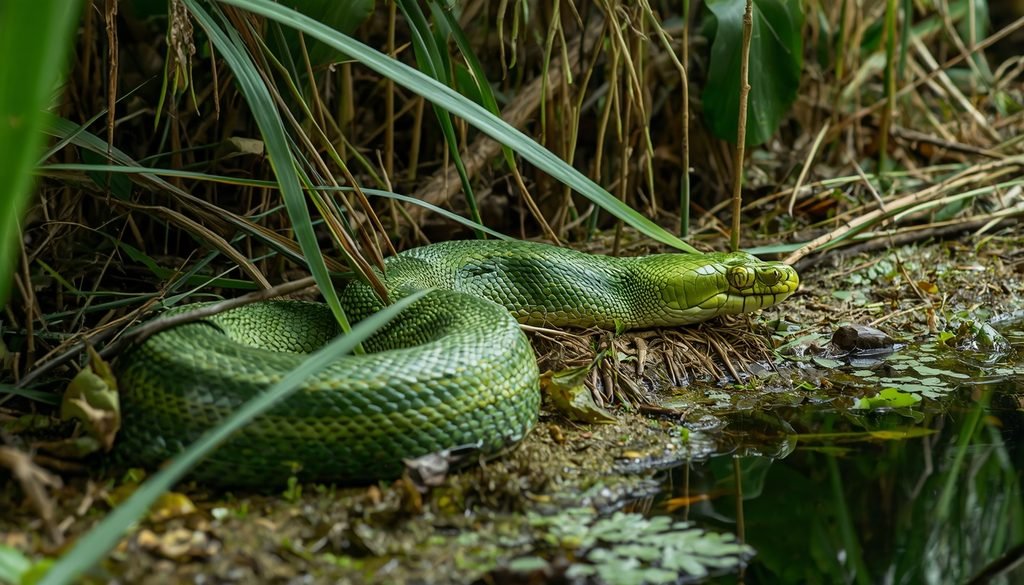
The green anaconda is a large, heavy-bodied snake native to tropical South America. It inhabits swamps, marshes, slow-moving rivers, and flooded forests. Its diet includes fish, birds, and mammals, and it may take monkeys that come close enough to its ambush range.
Anacondas use camouflage and muscular constriction to overpower prey. Their aquatic lifestyle allows them to remain concealed in vegetation or murky water. Monkeys are not a routine target in every location, but individuals moving near water may face a risk where the species overlap.
18. Reticulated Python (Malayopython reticulatus)
Class: Reptilia
Diet: Carnivore
The reticulated python is native to South and Southeast Asia and is known for its impressive length. It lives in forests and other habitats where mammals and birds are available. Depending on its size and local prey, a reticulated python can capture monkeys.
Like other large constrictors, it typically relies on ambush rather than a prolonged chase. Its patterned skin helps it blend into leaf litter and vegetation. A python may be difficult for a monkey to detect when it remains motionless, especially in thick forest cover.
19. Boa Constrictor (Boa constrictor)
Class: Reptilia
Diet: Carnivore
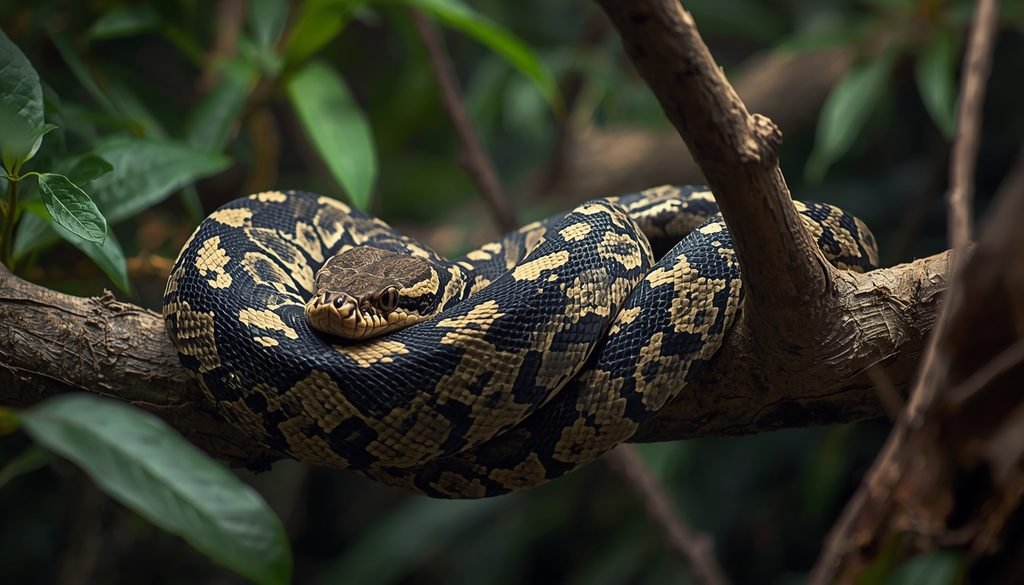
Boa constrictors are large snakes native to the Americas. They occupy a variety of habitats, including forests and woodland areas, where they hunt birds and mammals. Small monkeys may occasionally be vulnerable to a large boa when they move within striking distance.
The snake grips its prey and uses muscular constriction to subdue it before swallowing it whole. Boas do not need to chase animals over long distances; remaining concealed can be a more effective strategy. Whether monkeys are part of the local diet depends on the boa’s size and the available prey.
20. Komodo Dragon (Varanus komodoensis)
Class: Reptilia
Diet: Carnivore
The Komodo dragon is a large monitor lizard native to several Indonesian islands. It primarily feeds on animals such as deer, pigs, and other available prey. Long-tailed macaques also occur on some islands within the Komodo dragon’s range, so monkeys may potentially be vulnerable to these powerful reptiles.
Komodo dragons rely on stealth, strong limbs, sharp claws, and a powerful bite when hunting. They often search along the ground rather than pursuing prey through trees. A monkey’s ability to climb may offer protection, but animals that descend to the ground face different risks.
How Do Monkeys Avoid Predators?
Monkeys have evolved several behaviors and physical adaptations that help them survive. Their defenses differ by species, but social awareness and quick movement are important in many environments.
- Alarm calls: A monkey that spots a predator may vocalize to warn other group members.
- Group vigilance: Living in groups gives animals more opportunities to detect danger.
- Tree climbing: Arboreal monkeys can escape some ground-based predators by moving into branches.
- Speed and agility: Quick movement through branches can make capture difficult.
- Choosing safe resting places: Some monkeys sleep in trees or locations that reduce access for certain predators.
- Staying alert near water: Riverbanks and watering areas can expose monkeys to crocodiles and other ambush hunters.
These defenses do not make monkeys invulnerable. Predators also adapt, and young, injured, isolated, or distracted individuals may face greater risks.
Which Predators Eat Monkeys in Different Habitats?
The animals that prey on monkeys depend strongly on where the monkeys live.
Rainforest predators
In tropical forests of the Americas, harpy eagles, jaguars, and occasionally other wild cats may hunt monkeys. In African forests, leopards, crowned eagles, and chimpanzees can pose threats. Asian forests are home to predators such as clouded leopards and tigers, although their diets vary by region.
Predators near rivers and wetlands
Crocodiles and large snakes may threaten monkeys that travel close to water. The danger is greatest where a monkey’s regular feeding or drinking areas overlap with the predator’s hunting grounds.
Ground-based predators
Dholes and other carnivores may threaten primates that descend to the forest floor. However, monkeys are not the main prey of every predator listed here. Habitat overlap and observed feeding behavior are essential when describing a real predator-prey relationship.
Read More: What Eats Squirrels
Frequently Asked Questions
What is the biggest predator of monkeys?
There is no single biggest predator of all monkeys. Leopards, jaguars, large eagles, tigers, and crocodiles can pose serious threats in different regions. The most important predator depends on the monkey species and its habitat.
Do eagles eat monkeys?
Yes. Certain large eagles, including harpy eagles and African crowned eagles, are known to hunt monkeys. Their strong feet and talons help them capture prey in trees. Other eagles may eat monkeys only occasionally or where local conditions make them accessible.
Do snakes eat monkeys?
Some large snakes, including reticulated pythons, green anacondas, and boa constrictors, can prey on monkeys. Such events depend on the snake’s size, the monkey’s size, and whether they share the same habitat.
Do chimpanzees eat other monkeys?
Yes. Chimpanzees in some African populations hunt smaller primates, including red colobus monkeys. Meat-eating behavior varies among communities and is only one part of their otherwise varied diet.
Are baby monkeys more vulnerable to predators?
Young monkeys are often more vulnerable because they are smaller and may have less experience recognizing danger. Adults in a troop can sometimes help protect them, but group vigilance cannot prevent every attack.
Conclusion
The answer to what animals eat monkeys includes a diverse group of mammals, birds, and reptiles. Leopards, jaguars, and other cats can ambush primates, while large eagles hunt from above. Chimpanzees sometimes hunt smaller monkeys, and crocodiles or large snakes may attack where habitats overlap.
It is important to distinguish regular prey from occasional prey: not every animal on this list commonly hunts monkeys, and the relationship differs across regions. These interactions show how food webs connect species and why protecting healthy forests, wetlands, and wildlife populations matters. By understanding natural predators, we can better appreciate the adaptations that help monkeys survive in the wild.

One thought on “What Animals Eat Monkeys? Top 20 Natural Predators of Monkeys”