
Introduction
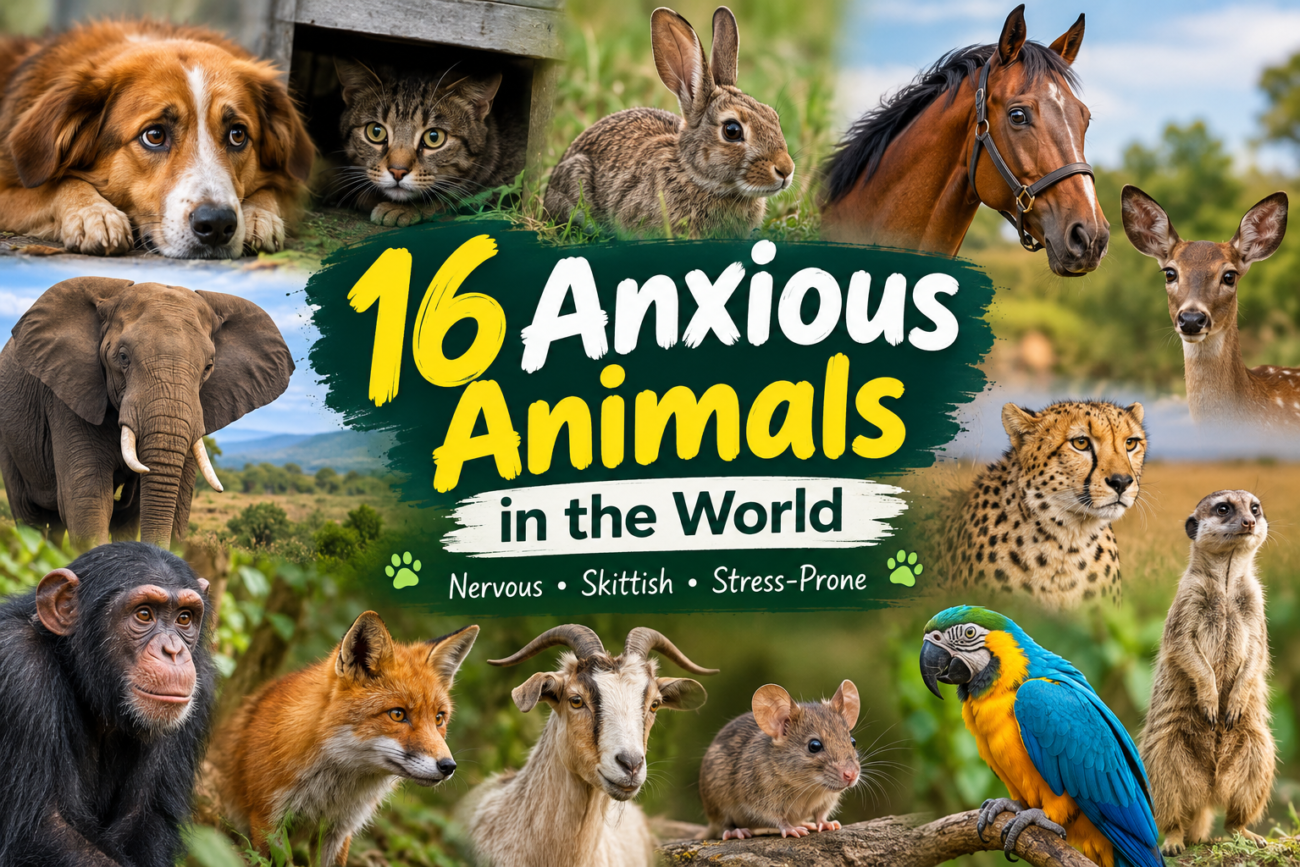
Animals respond to danger in many different ways. Some run, some hide, some freeze, while others become highly alert to every movement around them. These behaviors are especially noticeable in animals that live with frequent predator threats, social pressure, environmental changes, or unfamiliar surroundings.
The term anxious animals is useful for describing creatures that display nervous, fearful, skittish, or stress-related behavior. However, animals should not automatically be diagnosed with a human anxiety disorder simply because they appear nervous. Animal behavior varies greatly between species, and veterinarians distinguish normal fear responses from behavior problems by considering the animal’s species, environment, health, and individual history.
In this guide, we explore 16 animals that can display noticeable anxiety-like or stress-related behaviors and explain what may trigger these reactions.
Quick Answer: What Are Anxious Animals?
Anxious animals are animals that show noticeable nervous, fearful, avoidant, vigilant, or stress-related behaviors when they encounter threats or environmental changes. These reactions may include hiding, freezing, pacing, fleeing, alarm calls, or changes in social behavior. The causes and signs vary considerably between species.
List of 16 Anxious Animals in the World
The animals below are not presented as a scientific ranking from “most anxious” to least anxious. Instead, they represent different examples of nervous, fearful, vigilant, or stress-related behavior found among pets, livestock, and wildlife.
1. Dogs
Scientific Name: Canis lupus familiaris
Class: Mammalia
Diet: Omnivore

Dogs can experience stress when their surroundings or routines change. Separation from their owners, thunderstorms, fireworks, unfamiliar people, travel, and strange environments can all trigger fear or anxiety-like behavior in some dogs.
An anxious dog may pace, whine, bark excessively, hide, tremble, lick itself repeatedly, or become destructive. However, these behaviors can have different causes, so persistent changes in behavior should not automatically be assumed to be anxiety. Veterinary guidance can help distinguish behavioral problems from medical issues.
Interesting Fact: Dogs often rely heavily on familiar routines and social relationships for security.
2. Cats
Scientific Name: Felis catus
Class: Mammalia
Diet: Carnivore
Cats are sensitive to changes in their environment. Moving to a new home, introducing another animal, unfamiliar visitors, loud noises, or changes in daily routines may cause some cats to become stressed.
Hiding is one of the most recognizable signs of nervous behavior in cats. Other possible signs include avoiding interaction, changes in eating habits, excessive grooming, or unusual aggression. Providing predictable routines and safe places where a cat can retreat may help create a more secure environment.
Interesting Fact: A cat’s hiding behavior can be an important way of coping with unfamiliar situations.
3. Rabbits
Scientific Name: Oryctolagus cuniculus
Class: Mammalia
Diet: Herbivore
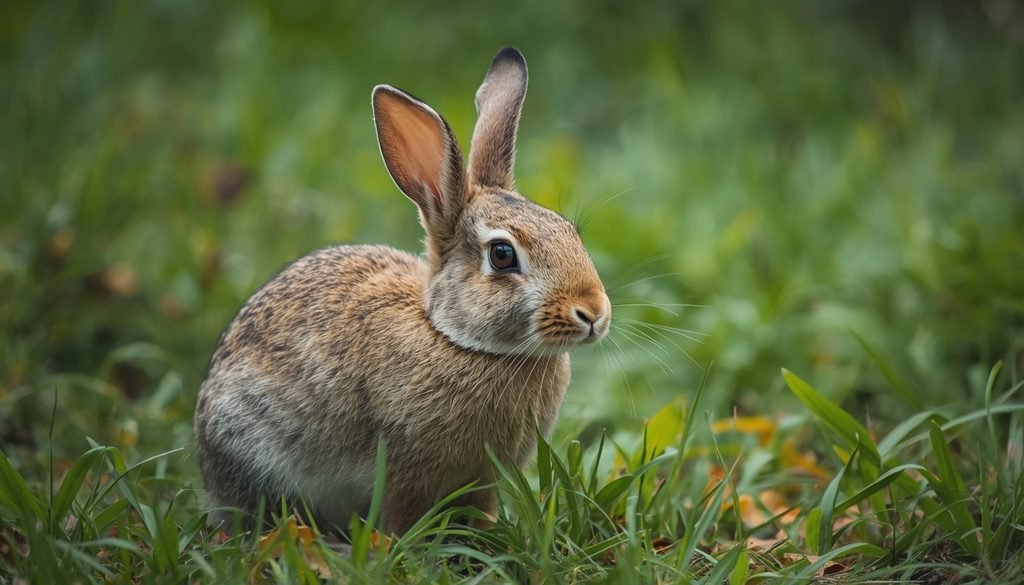
Rabbits are prey animals, so detecting potential danger is an important part of their survival strategy. Sudden sounds, unfamiliar movements, predators, rough handling, and changes in their surroundings can make them nervous.
A frightened rabbit may freeze, hide, remain unusually alert, or rapidly escape. Some rabbits also thump their hind feet when they detect something they perceive as threatening. Their cautious nature makes secure hiding areas and predictable surroundings especially important.
Interesting Fact: Freezing can help a rabbit avoid attracting the attention of a predator.
4. Horses
Scientific Name: Equus caballus
Class: Mammalia
Diet: Herbivore
Horses are highly responsive prey animals with a strong flight response. Sudden noises, unfamiliar objects, separation from companions, transportation, and unfamiliar locations can trigger nervous behavior.
An anxious horse may become restless, pace, move away from a stimulus, or attempt to flee. Because horses depend strongly on predictable surroundings and social relationships, sudden changes can be particularly challenging.
Interesting Fact: A horse’s rapid reaction to unexpected stimuli is closely connected with its evolutionary history as a prey animal.
5. Deer
Scientific Name: Odocoileus virginianus
Class: Mammalia
Diet: Herbivore
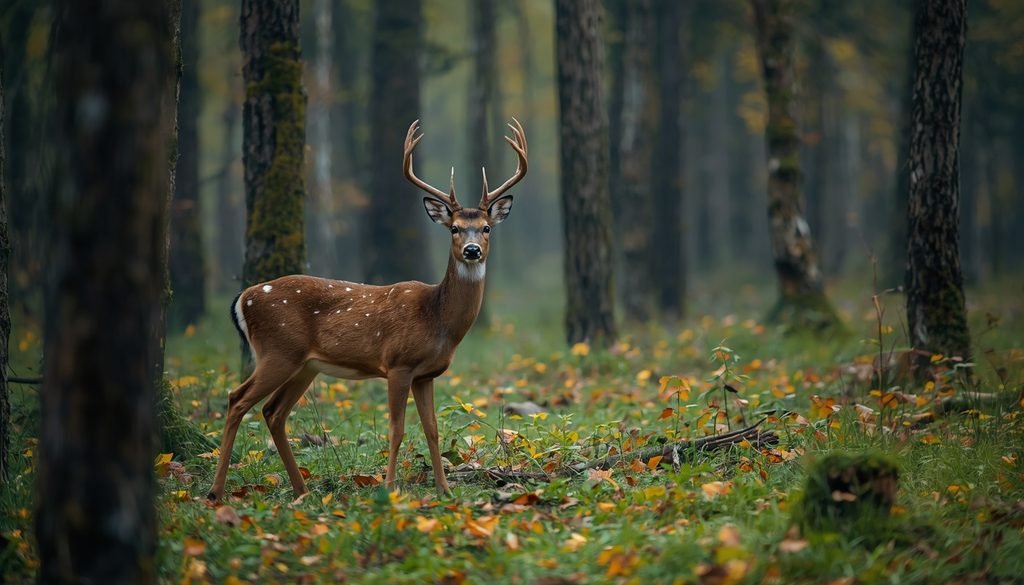
Deer are naturally vigilant because they must watch for predators while searching for food. Sudden sounds, unfamiliar movement, dogs, vehicles, and human activity can cause a deer to become highly alert.
A nervous deer may freeze briefly, raise its head, point its ears toward a sound, and then flee when it determines that a threat is present. This cautious behavior is an important part of predator avoidance.
Interesting Fact: Deer use multiple senses, including hearing and smell, to detect possible threats.
6. Cheetahs
Scientific Name: Acinonyx jubatus
Class: Mammalia
Diet: Carnivore
Cheetahs face unusual pressures compared with many other large carnivores. They can be vulnerable to competition from larger predators, while habitat loss and human disturbance can also affect their behavior.
In managed environments, stress-related behaviors may include pacing, repetitive movements, or excessive grooming. Providing appropriate space, hiding areas, environmental variety, and opportunities for natural behaviors can support animal welfare.
Interesting Fact: Cheetahs are specialized for speed and rely heavily on avoiding unnecessary conflict with larger competitors.
7. Elephants
Scientific Name: Loxodonta africana
Class: Mammalia
Diet: Herbivore
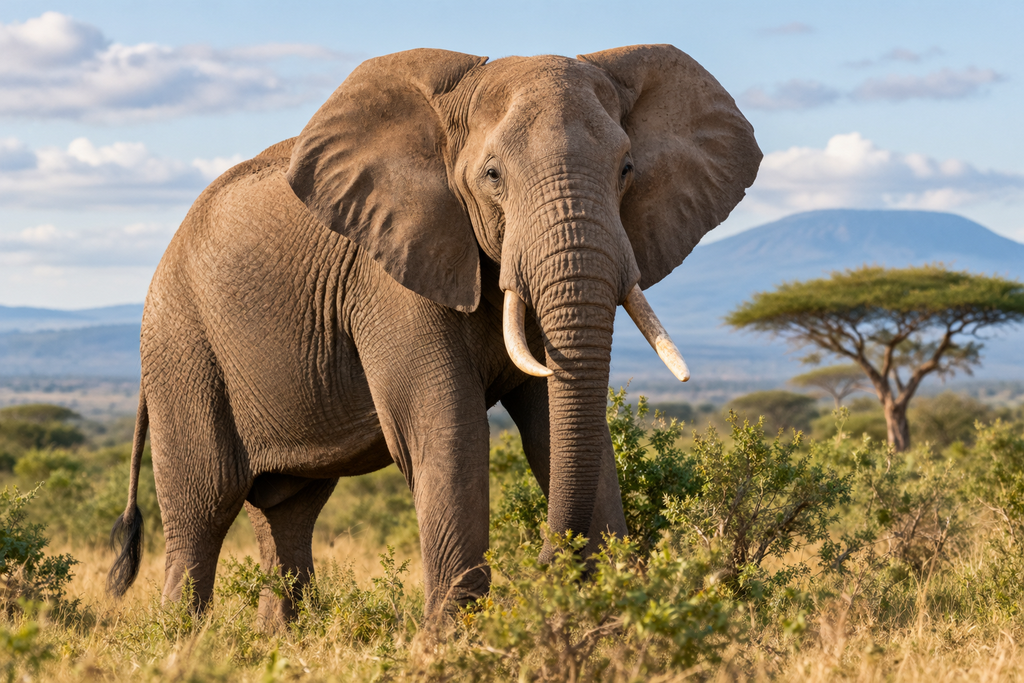
Elephants are highly social animals with complex relationships within their groups. Separation, habitat disturbance, human-wildlife conflict, and major environmental changes can create significant stress.
Their strong social bonds mean that changes within a family group can influence behavior. Elephants also rely on communication and coordinated group behavior when responding to potential threats.
Interesting Fact: Elephant societies depend heavily on cooperation and long-term social relationships.
8. Chimpanzees
Scientific Name: Pan troglodytes
Class: Mammalia
Diet: Omnivore
Chimpanzees live in complex social communities where relationships can strongly influence behavior. Competition, social conflict, changes in group structure, and environmental disturbance can create stressful situations.
Grooming and other social interactions are important parts of chimpanzee life. These behaviors can help maintain relationships and social stability within the group.
Interesting Fact: Chimpanzees use a wide range of social behaviors to communicate and maintain relationships.
9. Foxes
Scientific Name: Vulpes vulpes
Class: Mammalia
Diet: Omnivore
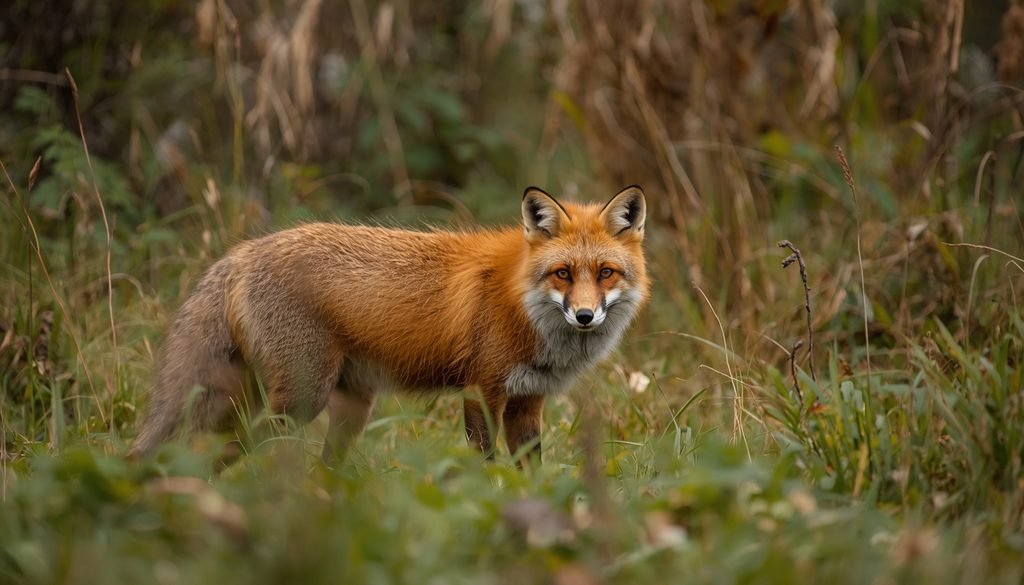
Foxes are cautious animals that constantly balance food gathering with the risk of predators, competitors, and human activity. Urban foxes may also need to navigate roads, buildings, pets, and busy human environments.
Their cautious nature can lead them to avoid people and alter their activity patterns when human disturbance is high. Hiding, retreating, or changing movement patterns can all help a fox reduce exposure to potential threats.
Interesting Fact: Red foxes are highly adaptable and can live in a wide range of habitats.
10. Goats
Scientific Name: Capra aegagrus hircus
Class: Mammalia
Diet: Herbivore
Goats may become nervous when exposed to sudden noises, unfamiliar surroundings, unfamiliar animals, or separation from companions. As social animals, they often rely on group members for security.
A stressed goat may vocalize more frequently, retreat, become restless, or attempt to move away from a perceived threat. Familiar surroundings and stable social groups can help reduce unnecessary stress.
Interesting Fact: Goats are naturally curious but can still display strong flight responses when frightened.
11. Mice
Scientific Name: Mus musculus
Class: Mammalia
Diet: Omnivore
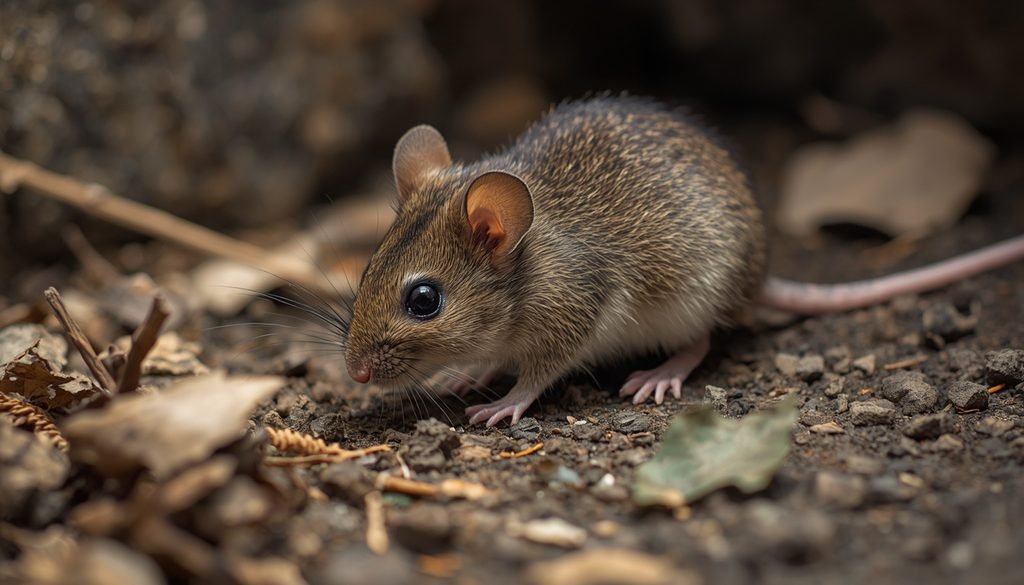
Mice are small prey animals that must remain alert to predators. New environments, unfamiliar smells, social competition, and sudden movements can trigger defensive or avoidance behavior.
A mouse may freeze, hide, rapidly move away, or become less exploratory when it encounters something unfamiliar. These reactions are closely linked with its need to detect danger quickly.
Interesting Fact: Mice use their sensitive senses to investigate their surroundings while remaining alert to possible threats.
12. Squirrels
Scientific Name: Sciurus carolinensis
Class: Mammalia
Diet: Omnivore
Squirrels appear constantly busy because they spend much of their time searching for food, watching for predators, and responding to other animals. Sudden movement or unfamiliar sounds can make them quickly retreat.
Their alarm calls can warn nearby squirrels about possible danger. Rapid climbing and fleeing are useful survival behaviors when a predator approaches.
Interesting Fact: Squirrels combine food storage, vigilance, and rapid escape behaviors to cope with changing environmental conditions.
13. Parrots
Scientific Name: Varies by species
Class: Aves
Diet: Omnivore, depending on species
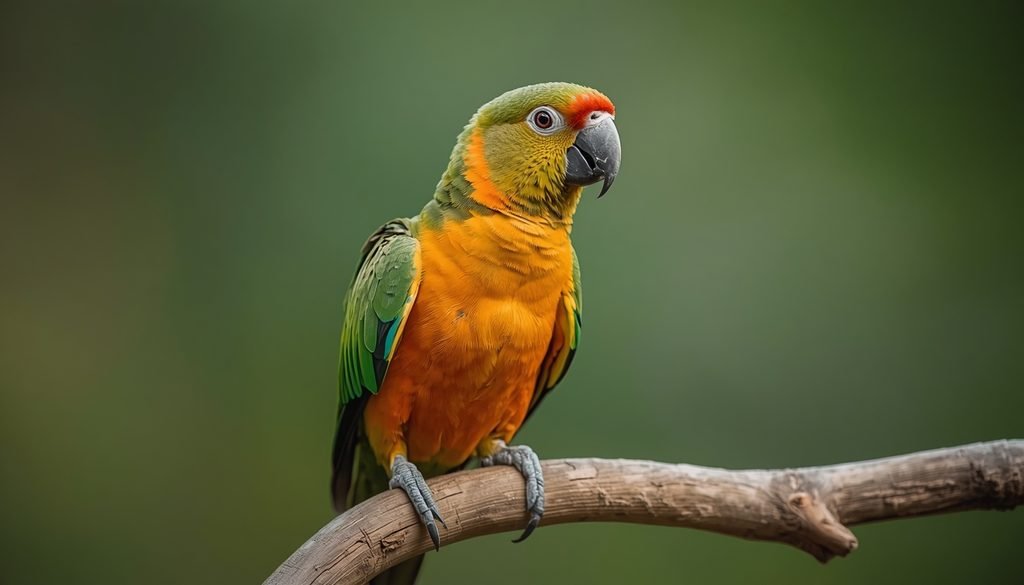
Parrots are intelligent and highly social birds. Changes in their environment, insufficient social interaction, boredom, loud sounds, or lack of appropriate stimulation can contribute to stress-related behaviors.
Depending on the species and situation, stressed parrots may become unusually vocal, withdraw, show defensive behavior, or develop abnormal feather-related behaviors. Their welfare depends on appropriate social interaction, mental stimulation, nutrition, and living conditions.
Interesting Fact: Parrots have complex communication abilities and often require substantial mental stimulation.
14. Sheep
Scientific Name: Ovis aries
Class: Mammalia
Diet: Herbivore
Sheep are strongly social animals that often feel safer within a familiar flock. Separation, unfamiliar environments, loud noises, rough handling, and sudden changes can increase stress.
A nervous sheep may vocalize, move restlessly, or attempt to stay close to other members of the flock. Stable routines and calm handling are important parts of good animal welfare.
Interesting Fact: Flock behavior gives sheep important social information about possible threats.
15. Opossums
Scientific Name: Didelphis virginiana
Class: Mammalia
Diet: Omnivore
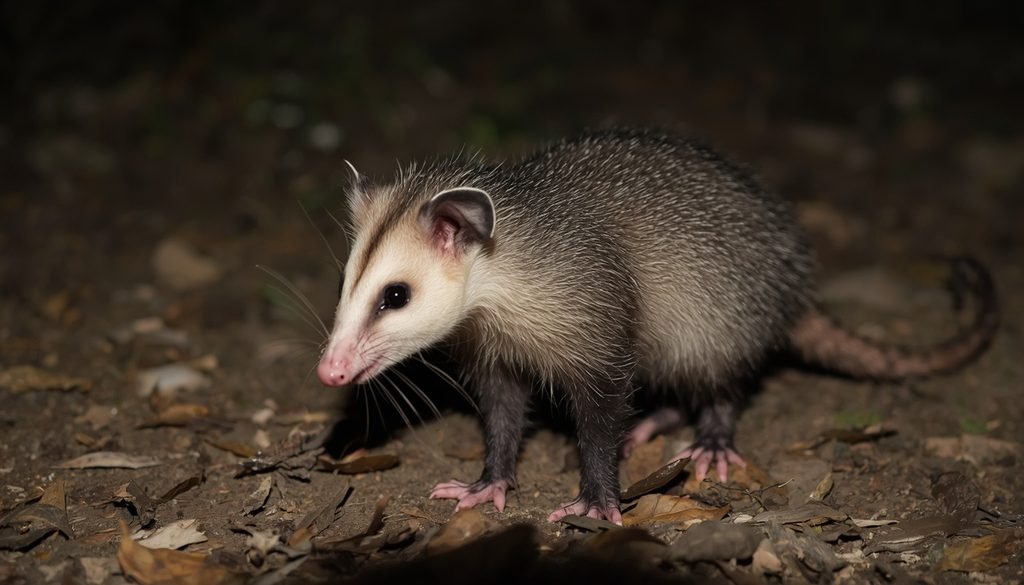
Virginia opossums are generally nocturnal and often avoid confrontation. When threatened, they have a famous defensive response commonly described as “playing dead.”
This response is actually associated with tonic immobility, an involuntary defensive state rather than simply a conscious decision to pretend to be dead. Opossums may also hiss, show their teeth, or attempt to escape when confronted.
Interesting Fact: The opossum’s unusual defensive behavior can discourage some predators from continuing an attack.
16. Meerkats
Scientific Name: Suricata suricatta
Class: Mammalia
Diet: Omnivore
Meerkats live in cooperative groups and are constantly aware of potential predators. Their famous sentinel behavior involves individuals watching the surroundings while other group members forage.
Alarm calls can quickly change the behavior of the entire group. A meerkat that detects danger may alert others, causing the group to seek shelter or become highly vigilant.
Interesting Fact: Group vigilance allows meerkats to share the responsibility of watching for predators.
Comparison Table
| Animal | Class | Diet | Common Stress Trigger | Typical Response |
| Dog | Mammalia | Omnivore | Separation, loud noises | Hiding, barking, pacing |
| Cat | Mammalia | Carnivore | Environmental change | Hiding, withdrawal |
| Rabbit | Mammalia | Herbivore | Predators, sudden sounds | Freezing, fleeing |
| Horse | Mammalia | Herbivore | Sudden movement, separation | Flight, restlessness |
| Deer | Mammalia | Herbivore | Predators, humans | Freezing, fleeing |
| Cheetah | Mammalia | Carnivore | Competition, disturbance | Avoidance, pacing |
| Elephant | Mammalia | Herbivore | Social or habitat disruption | Vigilance, altered behavior |
| Chimpanzee | Mammalia | Omnivore | Social conflict | Withdrawal, agitation |
| Fox | Mammalia | Omnivore | Predators, human activity | Avoidance, retreat |
| Goat | Mammalia | Herbivore | Separation, unfamiliar settings | Vocalization, flight |
| Mouse | Mammalia | Omnivore | Predators, novel environments | Freezing, hiding |
| Squirrel | Mammalia | Omnivore | Predators | Alarm, rapid escape |
| Parrot | Aves | Varies | Isolation, boredom | Vocalization, feather behaviors |
| Sheep | Mammalia | Herbivore | Separation, handling | Vocalization, restlessness |
| Opossum | Mammalia | Omnivore | Predator threat | Defensive immobility |
| Meerkat | Mammalia | Omnivore | Predator detection | Vigilance, alarm calls |
Why Do Animals Become Anxious?
Animals can become stressed or display anxiety-like behavior for many reasons. Predators create constant pressure for prey species, while social conflict can affect highly social animals. Habitat loss, loud noises, human disturbance, transportation, unfamiliar surroundings, and sudden routine changes can also affect animal behavior.
For domestic animals, separation and changes in the home environment can be especially important. For wildlife, threats may come from predators, competition, habitat fragmentation, or human activity.
Stress can influence behavioral and physiological responses, and chronic stress may have broader effects on health and behavior.
How Do Animals Show Stress?
There is no single sign of stress that applies to every species. Common behavioral changes can include:
- Hiding or withdrawing
- Freezing
- Pacing
- Trembling
- Increased vigilance
- Escape attempts
- Changes in feeding
- Excessive grooming
- Alarm calls
- Changes in social behavior
For example, a rabbit may freeze, while a dog may pace or vocalize. A meerkat may increase its vigilance, while an opossum can enter tonic immobility.
This is why animal behavior should always be interpreted in the context of the species and situation.
Are Anxious Animals Always Afraid?
No. An animal that appears alert is not necessarily experiencing constant fear. Vigilance, stress, fear, and anxiety-like behavior are related but different concepts.
An animal may become temporarily alert because it hears a strange sound and then return to normal once the perceived threat disappears. Persistent behavioral changes are more important when considering possible chronic stress or a behavioral problem.
Can Anxiety Help Animals Survive?
Fear and heightened vigilance can be valuable survival mechanisms.
They can help animals:
- Detect predators
- Escape danger
- Protect offspring
- Avoid unfamiliar threats
- Stay close to social groups
- Find safer locations
- Respond quickly to sudden changes
The same response can become problematic when stress is prolonged or when an animal cannot escape the source of stress.
How Humans Can Reduce Stress in Animals
Humans can reduce unnecessary stress by providing environments suited to an animal’s natural needs.
Helpful approaches may include:
- Maintaining predictable routines
- Providing safe hiding or resting areas
- Avoiding unnecessary loud noises
- Using appropriate environmental enrichment
- Allowing species-appropriate social interaction
- Handling animals calmly
- Reducing unnecessary disturbance
- Providing suitable food and housing
For pets with persistent or severe behavioral changes, a qualified veterinarian or animal behavior professional can help determine whether a medical or behavioral problem is involved.
Read more: 16 Fish With Big Lips
FAQs
What are anxious animals?
Anxious animals are animals that display nervous, fearful, avoidant, highly vigilant, or stress-related behaviors. These reactions can occur because of predators, environmental changes, social separation, unfamiliar surroundings, loud noises, or other threats. However, animal behavior differs by species, so nervous behavior should not automatically be treated as a clinical anxiety disorder.
Which animal is considered the most anxious?
There is no scientifically established single “most anxious animal.” Anxiety-like behavior is difficult to rank across species because animals have different nervous systems, environments, survival strategies, and ways of expressing stress. A rabbit may freeze when threatened, while a meerkat may become highly vigilant or give an alarm call.
Why do animals become anxious?
Animals may become anxious or stressed because of predators, separation, unfamiliar environments, habitat disturbance, social conflict, loud sounds, competition, or changes in routine. Domestic animals may also react to changes in their household, while wild animals face natural and human-related environmental pressures.
What animals are naturally skittish?
Many prey animals are naturally vigilant because detecting danger is important for survival. Rabbits, deer, horses, sheep, mice, and squirrels can show strong startle or escape responses. However, being naturally cautious does not mean that every individual animal is constantly anxious.
Do wild animals experience stress?
Yes. Wild animals can experience stress when facing predators, competition, food shortages, habitat changes, human disturbance, social conflict, or other threats. Stress responses can help animals react to immediate danger, although prolonged stress may have negative consequences for welfare and health.
How can you tell if an animal is stressed?
Signs depend on the species but may include hiding, freezing, pacing, escape attempts, increased vigilance, unusual aggression, changes in eating, excessive grooming, or changes in social behavior. A sudden or persistent change from an animal’s normal behavior deserves attention, particularly in domestic animals.
Can anxiety help animals survive?
Short-term fear and vigilance can be useful because they help animals detect threats and react quickly. These responses can improve predator avoidance and survival. However, constant or prolonged stress is different from a brief protective response and can negatively affect animal welfare.
Are dogs and cats anxious animals?
Dogs and cats can both display anxiety-like or stress-related behavior. Dogs may react to separation, loud noises, or unfamiliar places, while cats can be sensitive to territorial and environmental changes. Individual temperament, health, previous experiences, and living conditions all influence how an animal responds.
Final Thoughts
Anxious animals show us how closely behavior is connected to survival. A rabbit freezing in grass, a deer listening for danger, a horse preparing to flee, or a meerkat watching from a lookout point may all be responding to environmental pressures in ways that help them survive.
At the same time, not every nervous behavior means an animal has a clinical anxiety disorder. Fear, stress, vigilance, and anxiety-like behavior must be understood within the context of each species and individual.
Learning to recognize these behaviors can improve our understanding of wildlife and help pet owners, farmers, keepers, and conservationists create safer and more appropriate environments for animals.

One thought on “16 Anxious Animals in the World: Nervous & Skittish Creatures”