
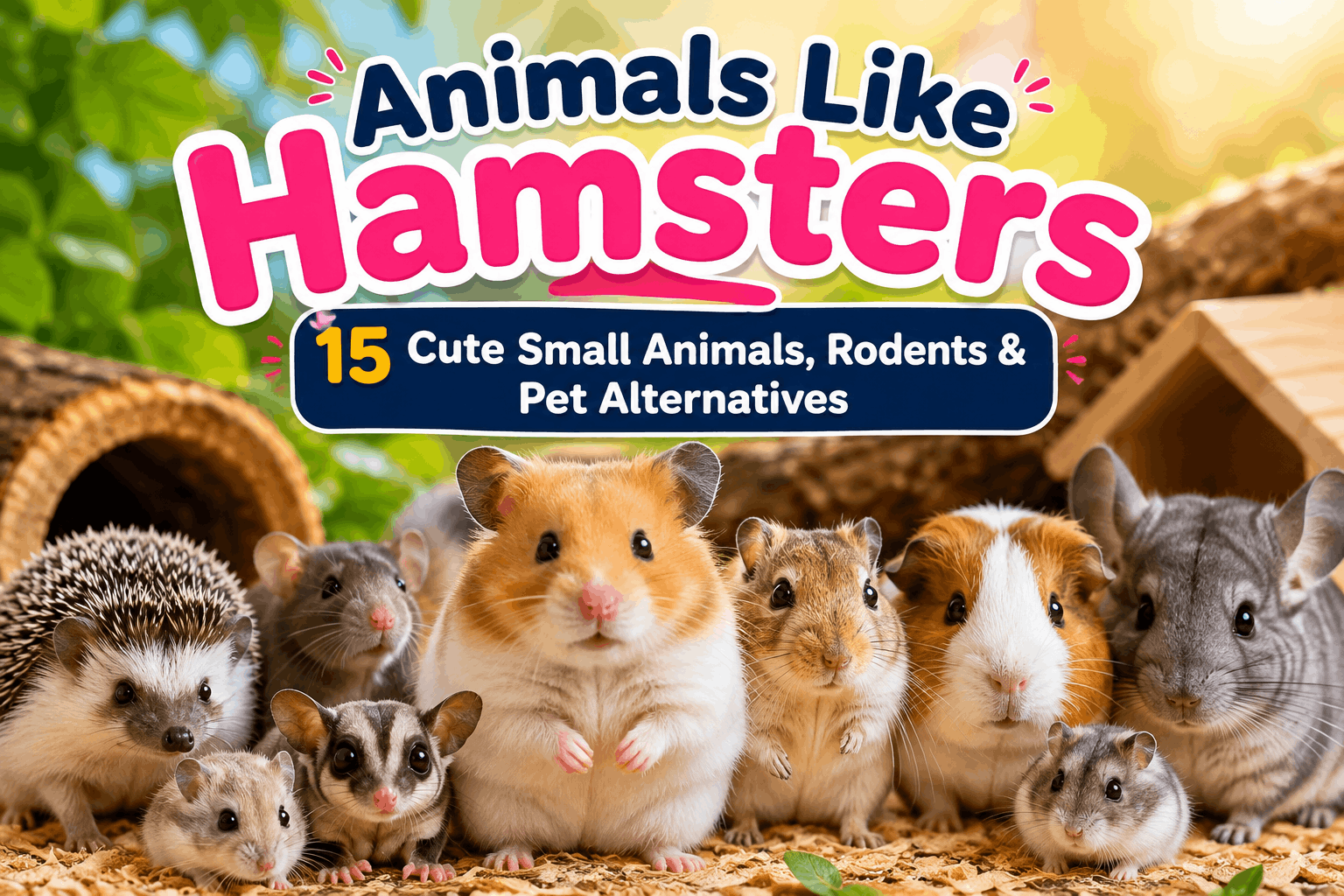
If you love hamsters but want to discover other small animals with similar looks, behaviors, or care needs, there are plenty of interesting options. Animals like hamsters include gerbils, guinea pigs, mice, rats, chinchillas, degus, and several wild rodents that share certain physical or behavioral traits with hamsters.
However, “similar to a hamster” can mean different things. An animal may look like a hamster without being closely related to one, while another may be a close relative but have completely different care requirements. Some animals are popular pets, whereas others are wild animals that should not be kept as household companions.
In this guide, we’ll explore 15 animals like hamsters, explain what makes each one similar, compare their appearance and behavior, and look at which small mammals may be suitable as pets. You’ll also find hamster alternatives, rodent comparisons, identification tips, and a practical comparison table.
What Animals Are Like Hamsters?
Animals like hamsters are usually small mammals that resemble hamsters in appearance, behavior, size, lifestyle, or pet-care needs.
Some of the most recognizable hamster alternatives include:
- Gerbils
- Guinea pigs
- Mice
- Rats
- Chinchillas
- Degus
- Voles
- Lemmings
- Dormice
- Jerboas
- Chipmunks
- Ground squirrels
- Prairie dogs
- Pygmy mice
- Other small rodents
Hamsters themselves are rodents. Many animals on this list are also rodents, but they do not all belong to the same family.
That distinction matters because looking like a hamster does not necessarily mean an animal is closely related to hamsters.
For example, a guinea pig is a rodent but belongs to a different family from hamsters. A chipmunk may look like a small furry hamster at first glance, but its body shape, tail, behavior, and squirrel-family characteristics make it quite different.
What Makes an Animal Similar to a Hamster?
There are several ways an animal can be considered similar to a hamster.
Appearance
Hamsters are compact, furry animals with rounded bodies, small ears, whiskers, short legs, and relatively short tails. Animals with similar features can easily be described as hamster-like.
Size
Many hamster alternatives are also small mammals that can comfortably live in specialized indoor enclosures.
Behavior
Digging, burrowing, exploring, chewing, foraging, nesting, and storing food are behaviors associated with hamsters and also occur in various other small mammals.
Activity Pattern
Many hamster-like animals are active during the evening, nighttime, or periods around dawn and dusk. However, activity patterns differ by species.
Diet
Many small rodents eat seeds, grains, plants, vegetables, or other plant material, although individual species can have very different nutritional requirements.
Pet Lifestyle
Some animals similar to hamsters are popular companion animals. Others require substantially more space, specialized diets, social companionship, or environmental conditions.
So when choosing a hamster alternative, it is important to compare care requirements, not just appearance.
1. Gerbil
Scientific Name: Meriones unguiculatus
Animal Group: Rodent
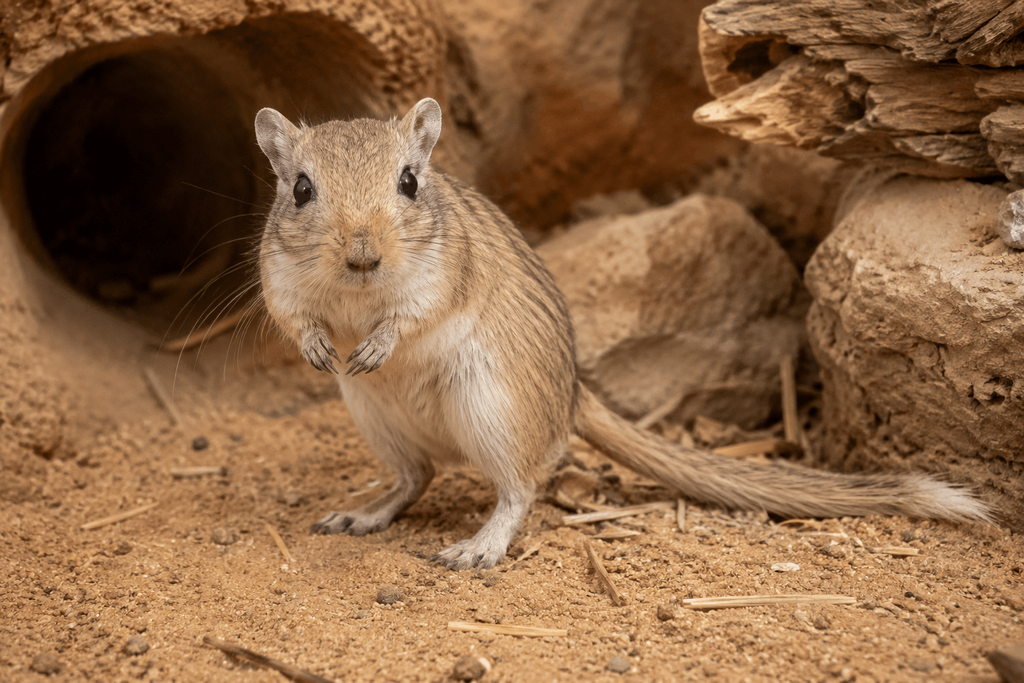
The gerbil is one of the most popular animals similar to hamsters. Mongolian gerbils in particular are commonly kept as small companion animals.
Gerbils have compact furry bodies, small ears, whiskers, and relatively small paws. Their long, furry tails immediately distinguish them from hamsters.
Why Is a Gerbil Like a Hamster?
Gerbils and hamsters share several characteristics:
- Small body size
- Soft fur
- Whiskers
- Burrowing behavior
- Chewing behavior
- Foraging
- Specialized enclosure needs
- Rodent classification
Gerbils are also known for digging and creating tunnels, which makes watching their natural behaviors particularly interesting.
How Is a Gerbil Different?
The most obvious difference is the tail. A gerbil has a long tail, while hamsters generally have very short tails.
Gerbils also tend to be more social than many commonly kept hamster species. Their housing and companionship needs therefore require different considerations.
Is a Gerbil a Good Pet?
Gerbils can be rewarding pets for people who enjoy watching active, curious animals. Their care is not identical to hamster care, so prospective owners should research gerbil-specific housing, diet, enrichment, and social needs.
2. Guinea Pig
Scientific Name: Cavia porcellus
Animal Group: Rodent
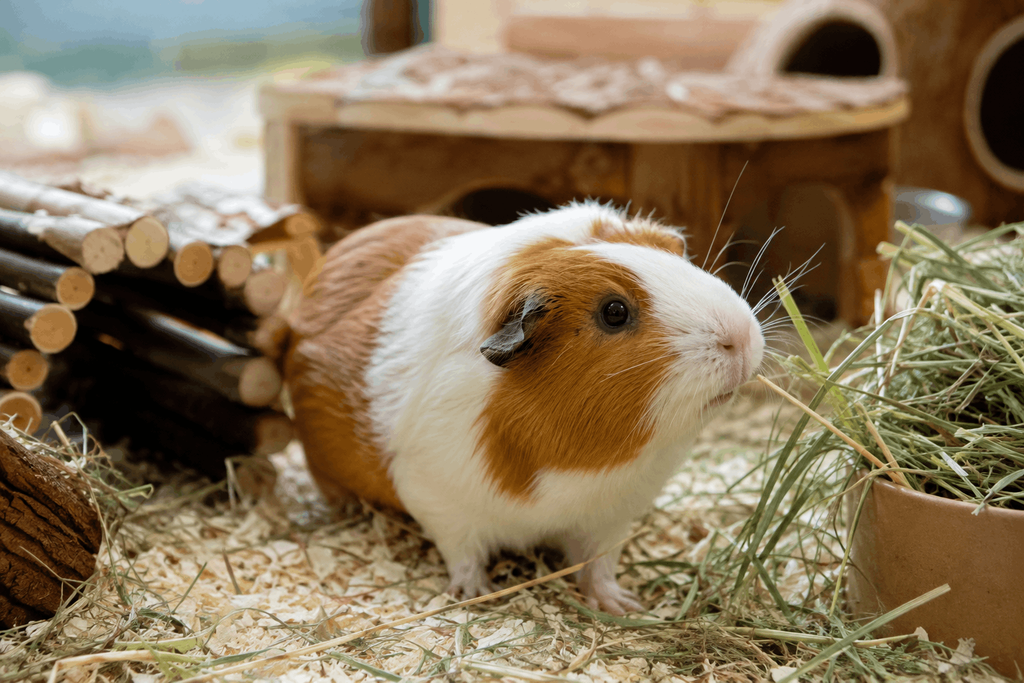
The guinea pig is another popular small pet that people often compare with hamsters. Guinea pigs are noticeably larger and have a different body shape, but their furry appearance and rodent classification make them part of the same broad small-pet conversation.
Why Is a Guinea Pig Like a Hamster?
Both are:
- Small furry mammals
- Rodents
- Common companion animals
- Herbivore- or plant-food-oriented in their natural feeding ecology
- Kept in indoor enclosures
- Curious and active
How Is a Guinea Pig Different?
Guinea pigs are much larger than hamsters. They also have different dietary requirements, including an essential need for dietary vitamin C.
Unlike many hamster species, guinea pigs are strongly social animals and are generally kept with compatible companions.
Their enclosure requirements are also considerably different because of their larger body size and social lifestyle.
Is a Guinea Pig a Good Hamster Alternative?
For someone who wants a small companion animal but prefers a larger, social pet, a guinea pig may be appealing. It should not, however, be treated as a “large hamster.” Its care is fundamentally different.
3. Mouse
Scientific Name: Mus musculus
Animal Group: Rodent
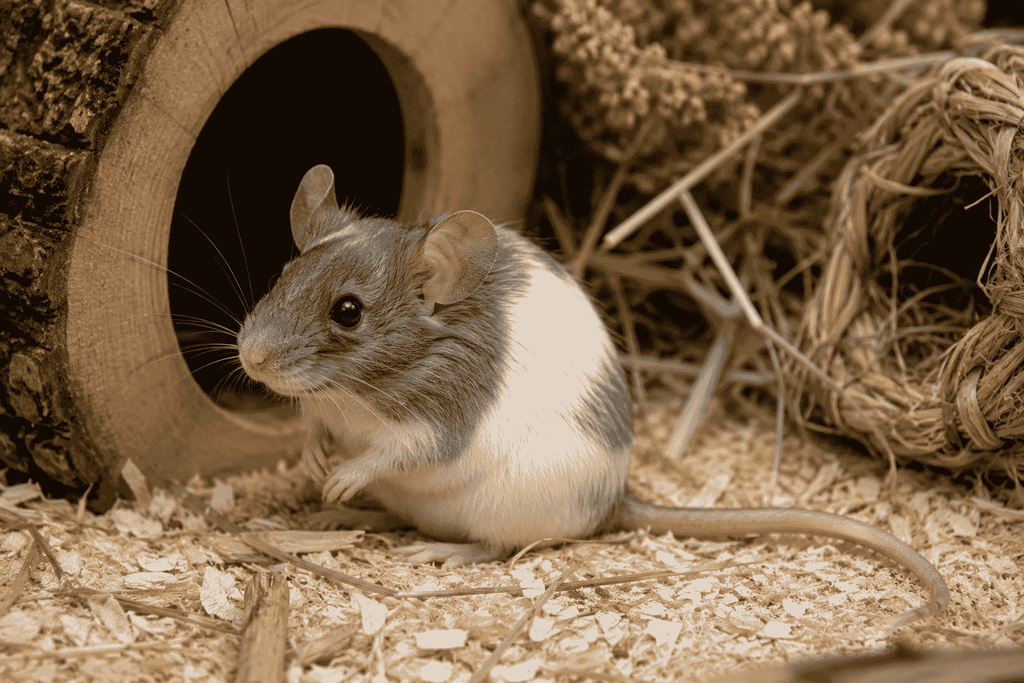
The common mouse is one of the smallest animals that people may mistake for a hamster.
Mice have compact bodies, rounded ears, whiskers, and soft fur, but their long tails make them easy to distinguish from most hamsters.
Similarities to Hamsters
- Small size
- Fur
- Whiskers
- Rodent teeth
- Foraging behavior
- Nest building
- Curious nature
- Indoor pet potential for domesticated varieties
Differences
A mouse has:
- A much longer tail
- Larger ears relative to its head
- A slimmer body
- Different social requirements
- Different housing needs
Pet mice are also generally more agile and quick-moving than hamsters.
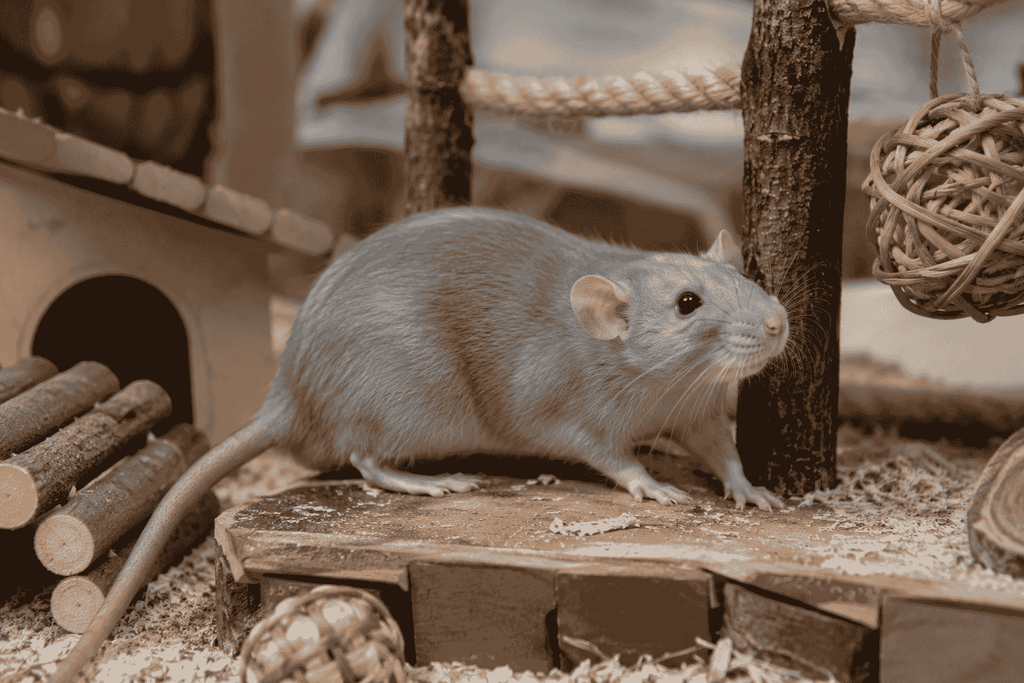
4. Rat
Scientific Name: Rattus norvegicus
Animal Group: Rodent
Rats are larger than hamsters but are still frequently considered when people search for small animals like hamsters.
Domesticated rats are intelligent, social, and highly interactive companion animals.
Why Are Rats Similar to Hamsters?
Both are:
- Rodents
- Furry mammals
- Curious
- Active
- Capable of learning behaviors
- Commonly kept as pets
How Are Rats Different?
Rats are considerably larger and have long tails. They also have strong social needs and are generally kept with other compatible rats.
They can be particularly interactive with their owners, making them appealing to people who want more direct engagement than they might expect from a typical hamster.
Best For
Rats can be a strong choice for someone who wants a small mammal that is social, intelligent, and interactive.
5. Chinchilla
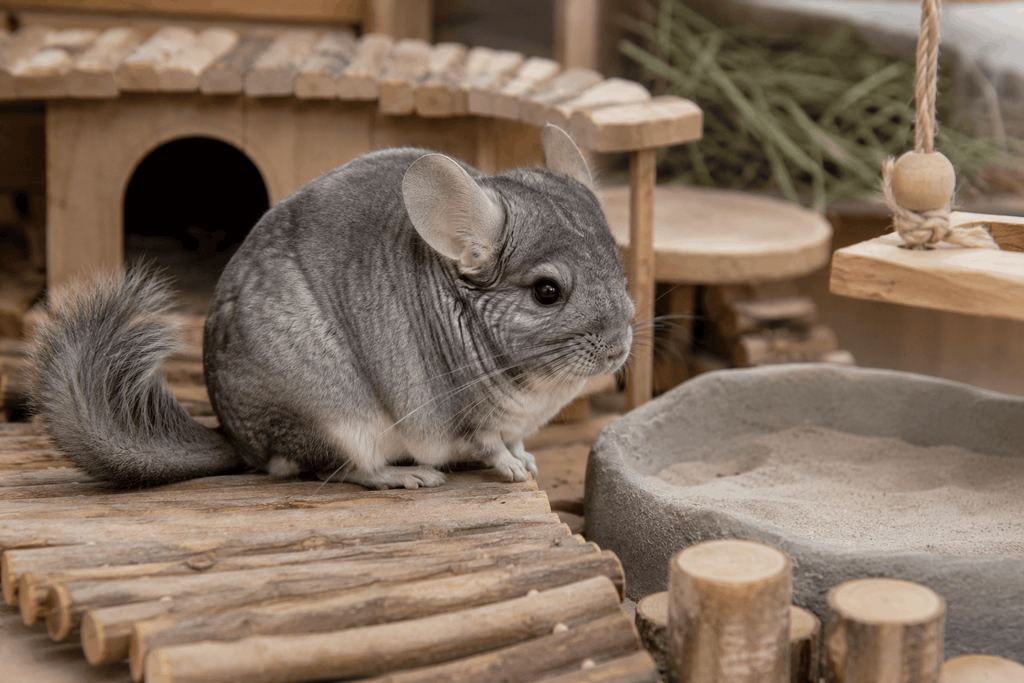
Scientific Name: Chinchilla lanigera
Animal Group: Rodent
Chinchillas are instantly recognizable because of their exceptionally dense fur, large ears, and long furry tails.
They are larger than hamsters and require specialized care, but they are sometimes included in lists of animals like hamsters because they are small furry rodents commonly kept as pets.
Similarities
- Rodent
- Small companion animal
- Soft fur
- Active and curious
- Require specialized enclosure
- Need enrichment
Major Differences
Chinchillas require a carefully controlled environment because they are sensitive to heat. They also have specialized grooming needs and use dust baths rather than traditional water bathing.
Their lifespan can also be substantially longer than that of a typical hamster, making them a longer-term commitment.
6. Degu
Scientific Name: Octodon degus
Animal Group: Rodent
Degus are small South American rodents with rounded ears, expressive eyes, whiskers, and long tails.
Their compact bodies can remind people of hamsters, but their behavior and care requirements are quite different.
Why Do Degus Resemble Hamsters?
- Small furry body
- Whiskers
- Rodent teeth
- Burrowing and exploring behaviors
- Commonly kept in specialized enclosures
Major Difference
Degus are highly social and have specialized dietary requirements. They are also generally active during daylight hours, unlike the nocturnal pattern commonly associated with hamsters.
A degu therefore makes a better alternative for someone interested in a social, active small mammal rather than simply wanting a hamster substitute.
7. Vole
Scientific Name: Varies by species
Animal Group: Rodent
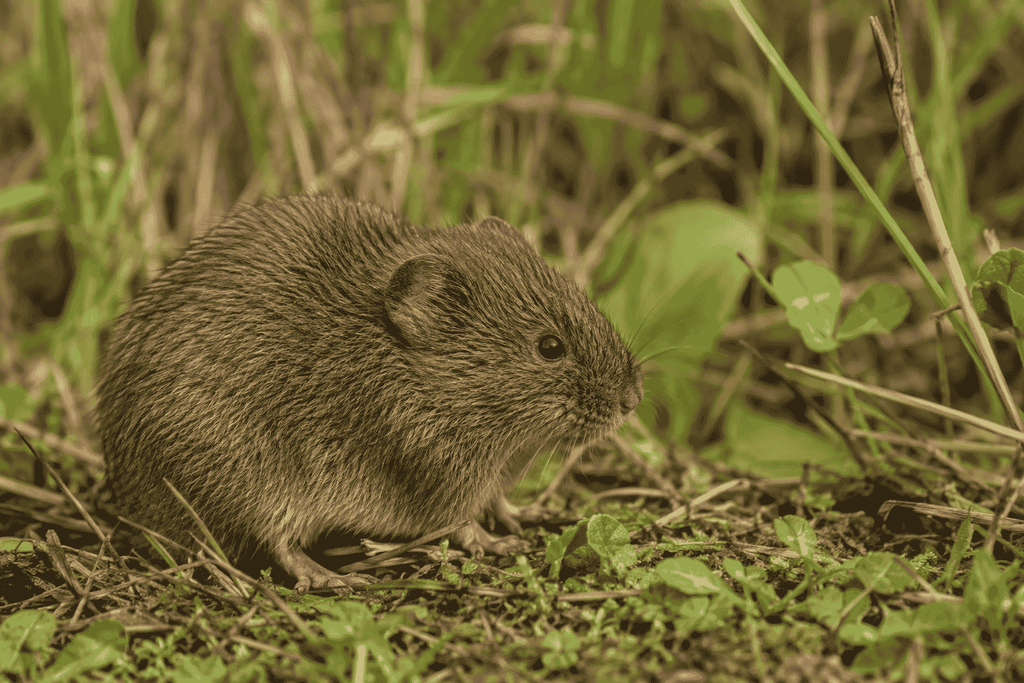
Voles are small rodents that can look somewhat hamster-like because of their rounded bodies, short tails, small ears, and furry appearance.
They are primarily wild animals rather than standard household pets.
Similarities to Hamsters
- Rounded body
- Short tail
- Small ears
- Furry coat
- Burrowing behavior
- Rodent teeth
Differences
Voles are wild rodents with ecological adaptations that differ from domesticated hamster breeds. They should not automatically be treated as potential hamster replacements.
8. Lemming
Animal Group: Rodent
Lemmings are small rodents famous for living in northern environments. Their compact bodies and short tails can give them a hamster-like appearance.
Similarities
- Small body
- Rounded shape
- Short tail
- Furry coat
- Rodent classification
- Burrowing and nesting behaviors
Difference From Hamsters
Lemmings are adapted to particular northern ecosystems and should not be considered ordinary household hamster alternatives.
Their natural behavior, habitat, and ecological role are quite different from those of domesticated hamsters.
9. Dormouse
Animal Group: Rodent
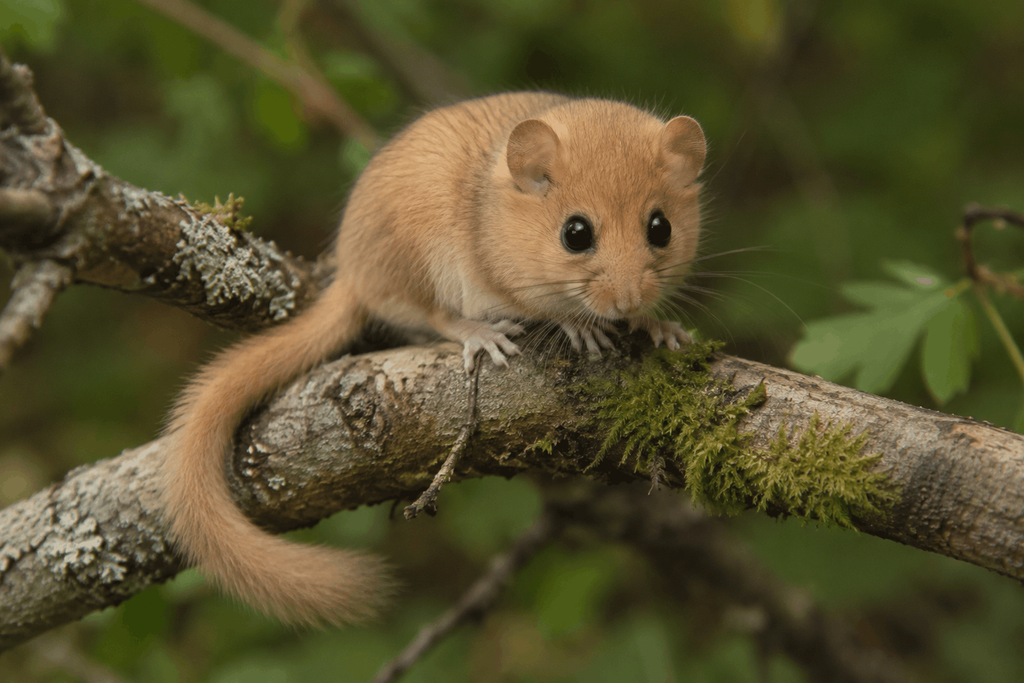
Dormice are small rodents with rounded bodies, soft fur, large eyes, and furry tails. Some species can look surprisingly hamster-like.
They are generally associated with woodland and other natural habitats rather than the standard pet trade.
Their behavior can include climbing and arboreal activity, making them quite different from a typical ground-dwelling hamster.
10. Jerboa
Animal Group: Rodent
Jerboas are unusual small rodents with extremely long hind legs and tails. Their body shape makes them very different from hamsters, but their small size and rodent classification sometimes place them in searches for unusual animals similar to hamsters.
Important Difference
A jerboa is built for jumping across arid landscapes rather than living like a typical burrowing hamster.
Its long hind legs are its most distinctive feature.
Jerboas are wild animals and are not ordinary beginner pets.
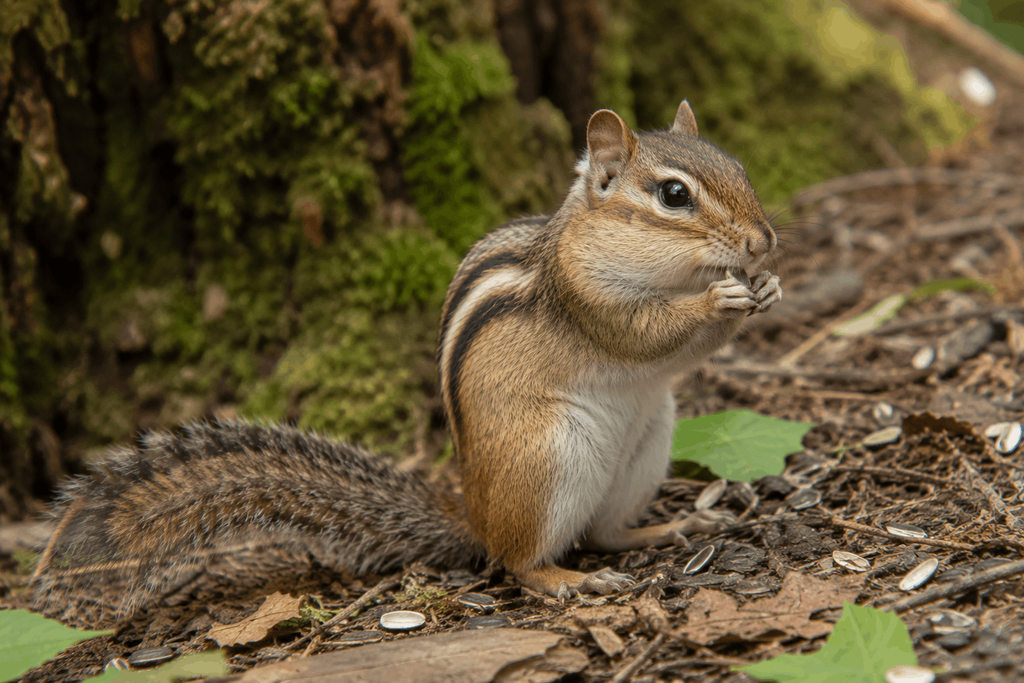
11. Chipmunk
Animal Group: Squirrel family, Sciuridae
Chipmunks are small striped rodents with furry bodies, cheek pouches, and active foraging behavior.
Their cheek pouches and food-caching habits can remind people of hamsters.
Similarities
- Small furry body
- Rodent
- Food storage
- Cheek pouches
- Active foraging
- Burrowing
Differences
Chipmunks have:
- Long bushy tails
- Distinctive facial stripes
- More squirrel-like body proportions
- Different climbing behavior
Wild chipmunks should not be assumed to be suitable household pets.
12. Ground Squirrel
Animal Group: Squirrel family, Sciuridae
Ground squirrels are another group that may be compared with hamsters because they are small-to-medium rodents that spend significant time on or underground.
They can have:
- Compact furry bodies
- Short ears
- Strong front paws
- Burrowing behavior
- Food-storage behaviors
However, they are generally larger than hamsters and have very different ecological and behavioral needs.
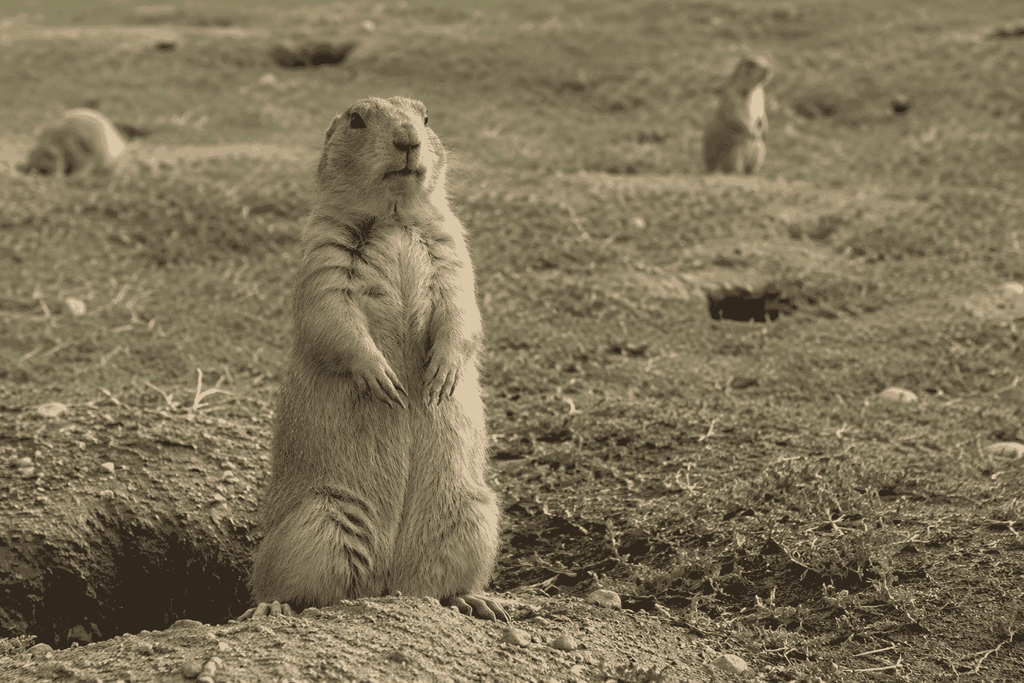
13. Prairie Dog
Scientific Name: Cynomys species
Animal Group: Squirrel family, Sciuridae
Prairie dogs are rodents that live in extensive underground colonies.
They are sometimes included in discussions about hamster-like animals because of their burrowing lifestyle and compact rodent appearance.
However, prairie dogs are substantially larger and highly social.
Key Difference
A hamster may be kept individually depending on species, while prairie dogs are strongly social animals with complex communication and colony behavior.
They are therefore not a simple hamster alternative.
14. Pygmy Mouse
Animal Group: Mouse family, Muridae
Pygmy mice are tiny rodents that can resemble miniature versions of other small mammals.
Their compact bodies, whiskers, rounded ears, and small paws can create a hamster-like appearance.
However, many pygmy mouse species are wild animals and are not conventional companion pets.
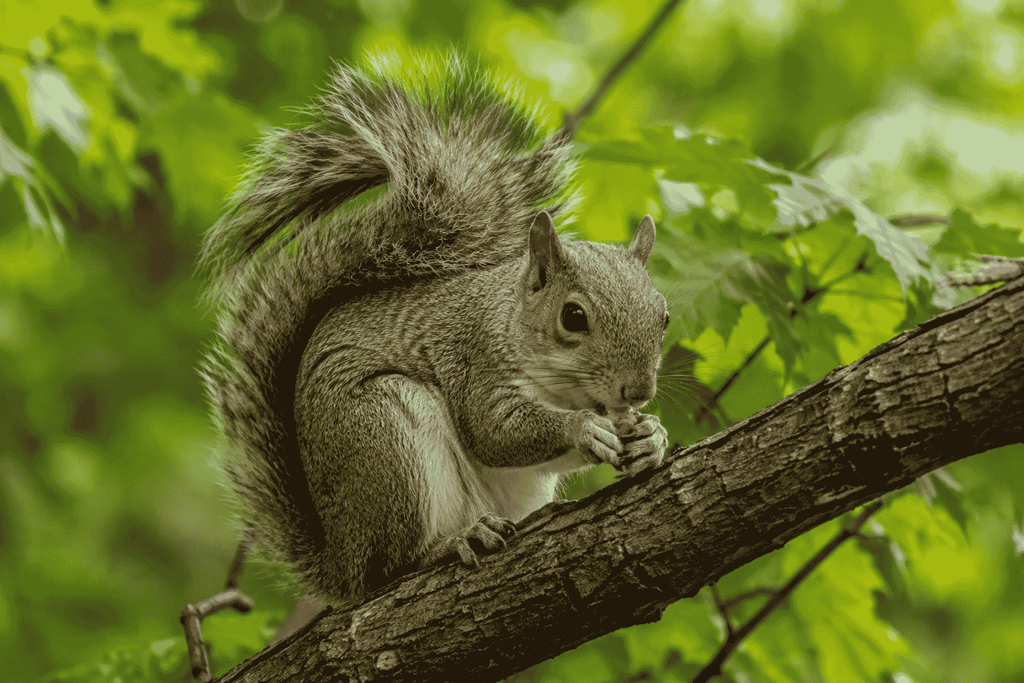
15. Squirrel
Animal Group: Rodent
Squirrels are much more visually distinctive than hamsters because of their large bushy tails, but they share several characteristics with other small rodents.
They are:
- Furry
- Active
- Curious
- Excellent climbers
- Food foragers
- Capable of storing food
Unlike hamsters, squirrels are adapted primarily for climbing, running, and life in outdoor environments.
A wild squirrel should not be treated as a substitute for a domesticated hamster.
Best Pets Like Hamsters
If your goal is specifically to find a pet similar to a hamster, the list becomes much shorter.
Some of the most relevant options include:
Gerbils
Good for people who enjoy active, curious rodents and digging behavior.
Guinea Pigs
Better for people who want a larger, social small mammal and are prepared for substantially different housing and diet requirements.
Mice
A good option for people interested in very small, active rodents.
Rats
Best suited to owners who want a social and interactive small mammal.
Chinchillas
Appealing for people who love soft fur and don’t mind more specialized care.
Degus
Interesting for people looking for a social, active rodent with daytime activity.
The right choice depends on the owner’s available space, budget, time, handling preferences, and ability to meet species-specific care needs.
Hamster-Like Animals by Appearance
Small Round Animals Like Hamsters
The animals most likely to create a hamster-like impression include:
- Voles
- Lemmings
- Some dormice
- Mice
- Gerbils
Their compact bodies and small ears contribute to the similarity.
Furry Animals Like Hamsters
Many rodents have the same basic furry-mammal appearance:
- Gerbils
- Mice
- Rats
- Guinea pigs
- Degus
- Chinchillas
- Voles
However, fur texture, tail length, body proportions, and ear size can be very different.
Animals With Short Tails Like Hamsters
Short-tailed rodents include some:
- Voles
- Lemmings
- Certain other small rodents
The tail is one of the easiest features to use when distinguishing a hamster from a mouse or gerbil.
Animals With Cheek Pouches
Hamsters are famous for their expandable cheek pouches.
Some other rodents, including certain squirrels and pocket mice, also have specialized cheek-pouch adaptations for carrying food.
This does not mean they are closely related to hamsters.
Animals Like Hamsters by Behavior
Burrowing Animals Like Hamsters
Burrowing is common among many small rodents.
Examples include:
- Gerbils
- Voles
- Lemmings
- Ground squirrels
- Prairie dogs
- Some other rodents
Burrowing provides protection, shelter, and access to food or nesting areas.
Nocturnal Animals Like Hamsters
Many hamsters are active primarily during nighttime or around the transition between day and night.
Other small mammals can also be nocturnal, including some:
- Mice
- Rats
- Dormice
- Chinchillas
However, activity patterns vary between species, so an animal should not be selected based solely on whether it is nocturnal.
Crepuscular Animals Like Hamsters
Crepuscular animals are most active around dawn and dusk.
This activity pattern can make them interesting for owners who want a small pet that is active around the beginning or end of the day.
Animals That Store Food
Food storage is an important adaptation in several rodent groups.
Hamsters are especially famous for transporting food in their cheek pouches and storing it.
Other rodents also cache or transport food, but they do so using different anatomical and behavioral adaptations.
Rodents Like Hamsters
Hamsters belong to the order Rodentia, which includes an enormous diversity of mammals.
Some rodent groups commonly compared with hamsters include:
| Animal | Rodent? | Similar to Hamster? | Common Pet? |
| Gerbil | Yes | Very similar | Yes |
| Guinea Pig | Yes | Moderately similar | Yes |
| Mouse | Yes | Very similar | Yes |
| Rat | Yes | Moderately similar | Yes |
| Chinchilla | Yes | Moderately similar | Yes |
| Degu | Yes | Moderately similar | Yes |
| Vole | Yes | Visually similar | No, generally wild |
| Lemming | Yes | Visually similar | No, generally wild |
| Chipmunk | Yes | Behaviorally similar | Usually wild |
| Prairie Dog | Yes | Burrowing lifestyle | Specialized |
| Squirrel | Yes | Behaviorally similar | Generally wild |
The table shows why the phrase animals like hamsters is broader than simply “animals closely related to hamsters.”
Hamster vs Similar Animals
Hamster vs Gerbil
| Feature | Hamster | Gerbil |
| Body | Compact | Slimmer |
| Tail | Very short | Long |
| Activity | Often nocturnal/crepuscular | Often active throughout the day |
| Social needs | Depends on species | Generally social |
| Burrowing | Yes | Yes |
| Pet popularity | High | High |
The biggest visual difference is usually the tail.
Hamster vs Guinea Pig
| Feature | Hamster | Guinea Pig |
| Size | Smaller | Larger |
| Social needs | Species-dependent | Strongly social |
| Diet | Species-specific omnivorous/plant-based diet | Herbivorous |
| Vitamin C | Not a defining dietary requirement | Essential |
| Tail | Very short | Essentially absent |
| Housing | Smaller specialized enclosure | Larger enclosure |
Guinea pigs are not simply “big hamsters.” Their diet, social needs, and housing requirements are substantially different.
Hamster vs Mouse
| Feature | Hamster | Mouse |
| Body | Compact | Slender |
| Tail | Very short | Long |
| Ears | Relatively small | More prominent |
| Movement | Ground-focused | Agile and quick |
| Pet status | Common | Common |
The tail and body shape are excellent identification clues.
Hamster vs Rat
Rats are significantly larger and generally more social and interactive than hamsters.
They are often a better choice for someone who wants an animal that can form a more interactive relationship with its owner.
A hamster may be more suitable for someone who prefers a smaller animal with a more independent lifestyle.
Hamster vs Chinchilla
Chinchillas are larger, longer-lived, and have extremely dense fur.
They also have specialized environmental and grooming needs.
A chinchilla may be attractive to someone who loves small furry mammals but is prepared for a substantially greater long-term commitment.
Hamster vs Degu
Degus are social rodents with daytime activity patterns and specialized dietary requirements.
A hamster and a degu may look somewhat similar, but they have very different lifestyles.
How to Choose a Hamster Alternative
Before choosing a pet similar to a hamster, ask yourself these questions.
1. How Much Space Do You Have?
Different animals need very different enclosure sizes.
Never choose an animal simply because it is small.
2. Do You Want a Social Animal?
Some species thrive with companions, while others may be territorial or more solitary.
Social needs should be researched before purchasing or adopting an animal.
3. When Do You Want Your Pet to Be Active?
Consider whether you prefer:
- Daytime activity
- Evening activity
- Nighttime activity
- Dawn and dusk activity
This can have a major effect on how much interaction you actually get.
4. How Much Handling Do You Want?
Some small mammals are more comfortable with regular handling than others.
A visually cute animal is not automatically a cuddly animal.
5. Can You Provide the Correct Diet?
Never assume that all small rodents can eat hamster food.
Guinea pigs, chinchillas, degus, mice, rats, and hamsters have different nutritional requirements.
6. Can You Provide Veterinary Care?
Small mammals still need access to appropriate veterinary care.
Consider the long-term cost before choosing a pet.
7. How Long a Commitment Do You Want?
Lifespans vary substantially among small mammals.
A pet that lives several years longer than a hamster can represent a very different commitment.
How to Identify an Animal That Looks Like a Hamster
If you see a small furry animal and wonder whether it is a hamster, look at several features.
Check the Tail
A very short tail may suggest a hamster or vole-like animal.
A long tail could indicate a mouse, rat, gerbil, or other rodent.
Check the Ears
Large round ears can point toward mice or other rodents, while smaller ears may create a more hamster-like appearance.
Look at Body Shape
Is the body:
- Round?
- Compact?
- Slender?
- Long?
- Large and heavy?
Look at the Habitat
Was the animal seen:
- In a house?
- In a pet enclosure?
- In grassland?
- In woodland?
- Underground?
- In a desert?
- In an urban environment?
Habitat can eliminate many possibilities.
Observe Behavior
Does it:
- Dig?
- Climb?
- Run?
- Jump?
- Store food?
- Live in groups?
- Stay alone?
Behavior is often just as important as appearance.
Read More: Birds with long legs
Frequently Asked Questions
What animals are similar to hamsters?
Gerbils, mice, rats, guinea pigs, chinchillas, and degus are among the most common animals compared with hamsters. Wild rodents such as voles and lemmings can also have hamster-like physical characteristics.
What pet is most similar to a hamster?
Gerbils are one of the closest practical alternatives for someone who wants another small rodent with burrowing, exploring, and enclosure-based care. However, gerbils have different social and housing needs.
What rodents are like hamsters?
Gerbils, mice, rats, guinea pigs, degus, chinchillas, voles, and some other small rodents can be compared with hamsters. They belong to different families and have different care requirements.
What animal looks like a hamster but has a long tail?
A gerbil or mouse may look somewhat like a hamster while having a noticeably longer tail. A rat can also appear hamster-like at first glance but is substantially larger.
Are guinea pigs related to hamsters?
Yes, both are rodents, but guinea pigs and hamsters belong to different rodent families. Being rodents does not mean they have identical diets, behavior, or care requirements.
Are gerbils better than hamsters?
Neither is universally better. Gerbils and hamsters have different social behavior, activity patterns, body structures, and housing requirements. The better choice depends on the owner’s lifestyle and preferences.
What small pets are like hamsters?
Gerbils, mice, rats, guinea pigs, degus, and chinchillas are among the most common small pets compared with hamsters.
What is the difference between a hamster and a gerbil?
The most obvious physical difference is the tail. Hamsters have very short tails, while gerbils have long tails. Gerbils are also generally more social and have different housing requirements.
What is the difference between a hamster and a guinea pig?
Guinea pigs are considerably larger and strongly social. They are herbivores with specific dietary needs, including vitamin C, and require substantially different housing from hamsters.
What animals look like hamsters?
Voles, lemmings, mice, gerbils, and some dormice can look hamster-like because of their compact furry bodies. Their tails, ears, body shape, and behavior can help distinguish them.
What is a good hamster alternative?
For a small rodent pet, gerbils, mice, and rats may be worth considering. Guinea pigs, chinchillas, and degus are alternatives too, but their care requirements differ significantly.
What small pet is easiest to care for?
There is no universally easiest small pet. Every species needs appropriate food, housing, enrichment, hygiene, and veterinary care. A pet’s small size does not automatically make its care simple.
Are rats and hamsters related?
Rats and hamsters are both rodents, but they belong to different branches within the rodent family tree. Their similarities are therefore partly due to shared rodent characteristics rather than being the same type of animal.
What animals are smaller than guinea pigs but similar to hamsters?
Hamsters, gerbils, and mice are generally much smaller than guinea pigs. Degus can also fall into the small-rodent category but are larger than many hamsters.
Final Thoughts
There are many fascinating animals like hamsters, but the best alternative depends on what you mean by “like.” Gerbils may be appealing because of their small size and digging behavior, while mice and rats offer another type of small-rodent experience. Guinea pigs are larger and highly social, while chinchillas and degus have specialized care requirements.
Wild animals such as voles, lemmings, chipmunks, and squirrels may look or behave somewhat like hamsters, but they should not automatically be considered household pets.
The most important thing is to compare behavior, social needs, diet, housing, activity patterns, lifespan, and veterinary requirements rather than choosing an animal based only on appearance. Once you understand these differences, it becomes much easier to find the small mammal that genuinely fits your lifestyle.0

One thought on “Animals Like Hamsters: 15 Cute Small Animals, Rodents & Pet Alternatives”