
Introduction
Some animals can turn sharply while chasing prey, others twist through the air or change direction underwater with remarkable control. These movements are examples of agility the ability to coordinate the body, maintain balance, and respond quickly to changing conditions. While speed can help an animal cover distance quickly, agility also involves control, timing, and maneuverability.
The most agile animals in the world live in very different environments. Cheetahs make rapid adjustments during a chase, dragonflies maneuver through the air, and dolphins turn smoothly beneath the ocean’s surface. Each relies on body structures and behaviors suited to its own habitat.
There is no single scientific measurement that fairly ranks every species across land, air, and water. Instead, this guide explores 12 animals with remarkable movement abilities. You’ll learn how their anatomy, senses, and behavior help them hunt, escape danger, navigate obstacles, or travel through their environment.
Quick Answer: What Are the Most Agile Animals in the World?
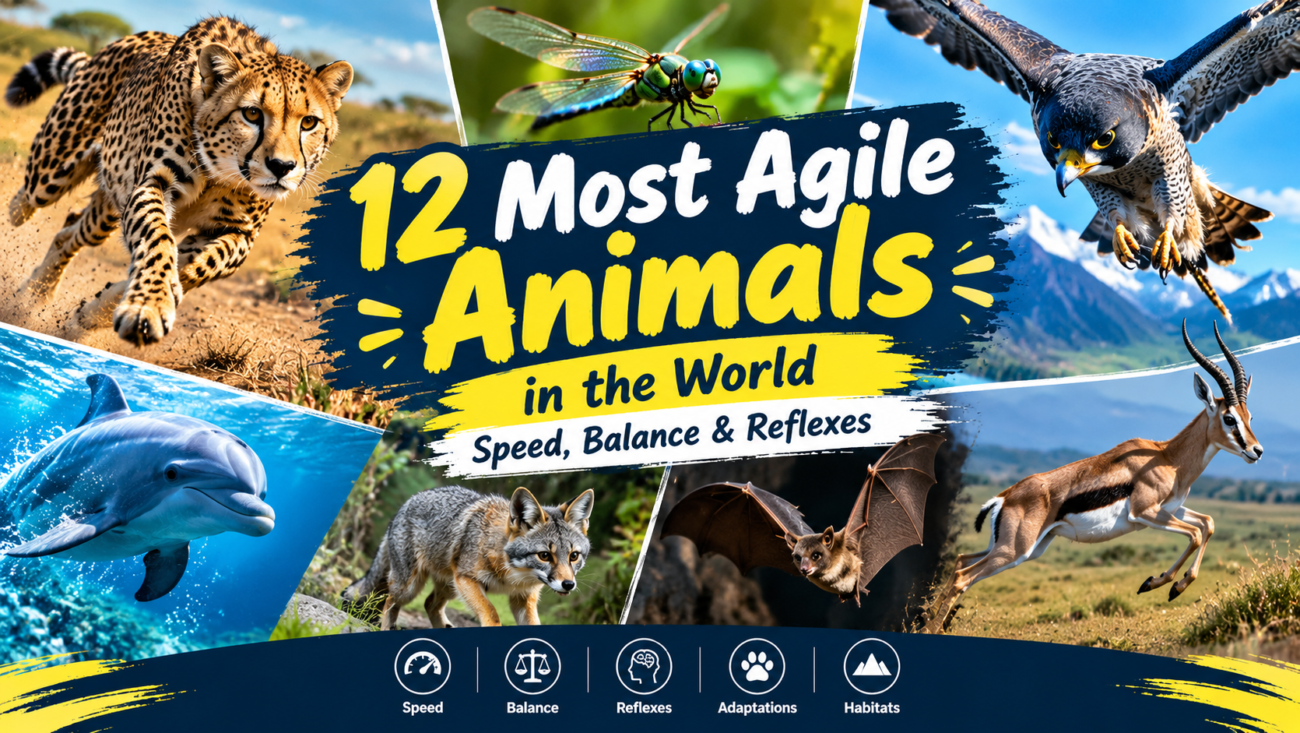
Examples of highly agile animals include the grey fox, Mexican free tailed bat, peregrine falcon, Thomson’s gazelle, cheetah, dragonfly, golden eagle, sailfish, ostrich, African wild dog, pronghorn, and spinner dolphin. Their agility takes different forms, from sharp turns and controlled flight to rapid swimming and coordinated movement.
1. Grey Fox
Scientific Name: Urocyon cinereoargenteus
Class: Mammalia
Diet: Omnivorous
Habitat: Woodlands, scrublands, rocky areas, and mixed habitats across North and Central America
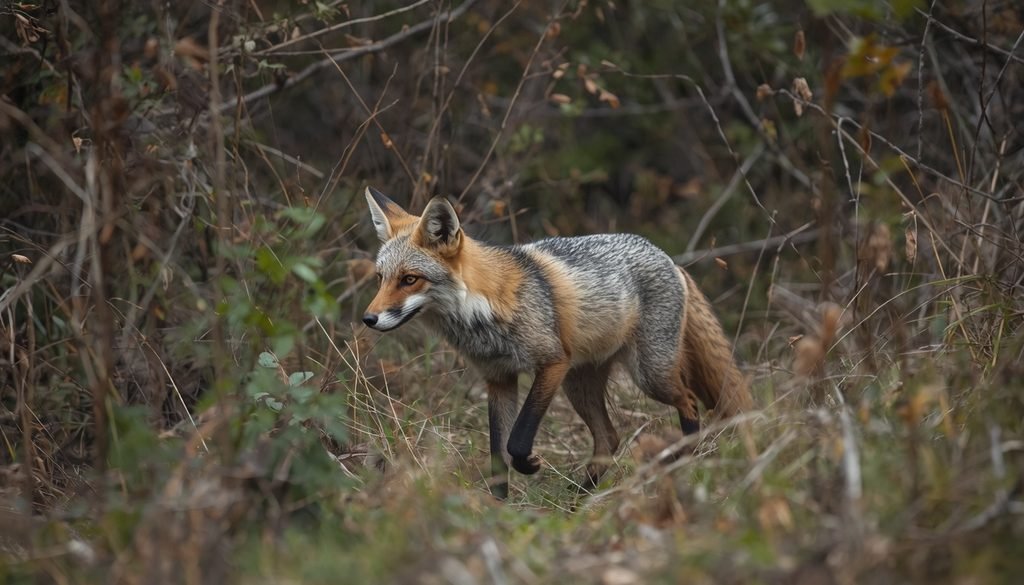
The grey fox is a nimble canid that moves through forests, brush, and rocky terrain. Unlike many other foxes, it is an accomplished climber and can use its strong limbs and curved claws to scramble up trees. This ability helps it reach resting places and navigate environments where ground level routes may be difficult.
Its agility is useful while pursuing small prey, slipping through dense vegetation, or escaping danger. Grey foxes eat small mammals, birds, insects, fruit, and other available foods. Their flexible movement is suited to varied habitats, although climbing skill does not mean every individual regularly climbs trees.
2. Mexican Free Tailed Bat
Scientific Name: Tadarida brasiliensis
Class: Mammalia
Diet: Insectivore
Habitat: Caves, bridges, buildings, and open skies across the Americas
Mexican free tailed bats are skilled aerial hunters. They can fly through open air while pursuing insects, making continuous adjustments to their direction and position. Their long, narrow wings support efficient flight, while echolocation helps them detect obstacles and locate prey in darkness.
These bats often emerge from roosts in large groups and forage over broad areas. Their flight may look effortless, but it involves rapid sensory processing and coordinated wing movements. Echolocation is especially important for navigation and prey detection; it should not be confused with agility itself. Their maneuverability comes from the combined work of their wings, body control, and sensory systems.
3. Peregrine Falcon
Scientific Name: Falco peregrinus
Class: Aves
Diet: Carnivore
Habitat: Cliffs, coastlines, wetlands, mountains, and urban environments worldwide
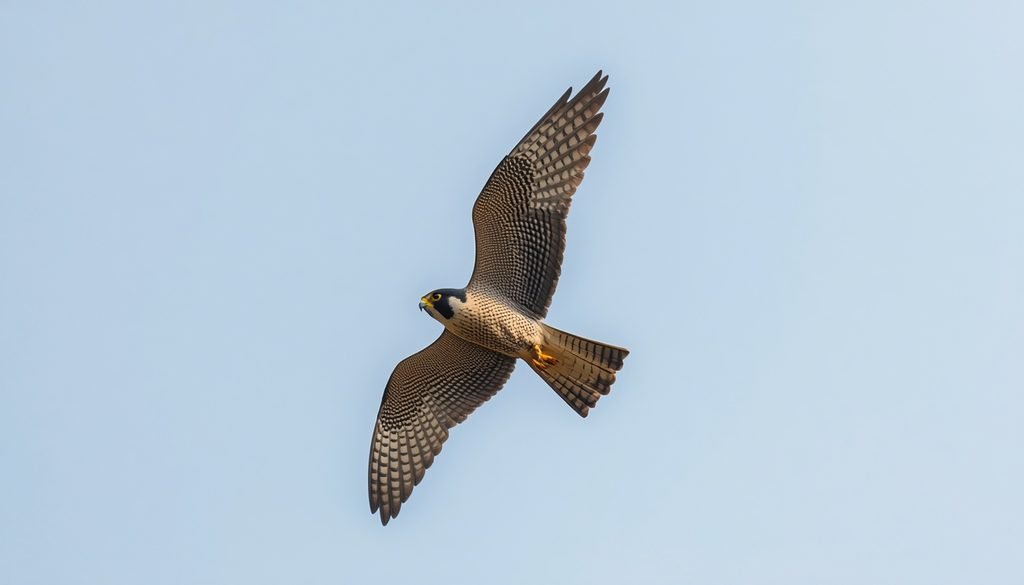
The peregrine falcon is famous for its high speed hunting dive, called a stoop. During a stoop, it folds its wings close to its body and descends toward prey. But impressive flight is not only about reaching high speed. The falcon must also control its body, adjust its trajectory, and time its approach accurately.
Its pointed wings, streamlined shape, and sharp vision support controlled flight and prey tracking. Research using physical simulations suggests that a peregrine’s stooping strategy can provide strong maneuvering forces when pursuing agile prey, though real hunting involves many variables.
4. Thomson’s Gazelle
Scientific Name: Eudorcas thomsonii
Class: Mammalia
Diet: Herbivore
Habitat: East African grasslands and savannas
Thomson’s gazelles are alert antelopes known for quick movement across open grasslands. Their long, slender legs help them accelerate, leap, and make rapid changes in direction. When threatened, they may bound or spring into the air, movements often described as pronking or stotting in different species.
Quick turns can be useful when a gazelle is escaping a predator, particularly when the predator must adjust its own path. Gazelles also rely on vigilance and group awareness to detect danger. Their agility is therefore part of a broader survival strategy involving movement, alertness, and habitat use not simply a contest of top running speed.
5. Cheetah
Scientific Name: Acinonyx jubatus
Class: Mammalia
Diet: Carnivore
Habitat: African grasslands, savannas, and open scrublands
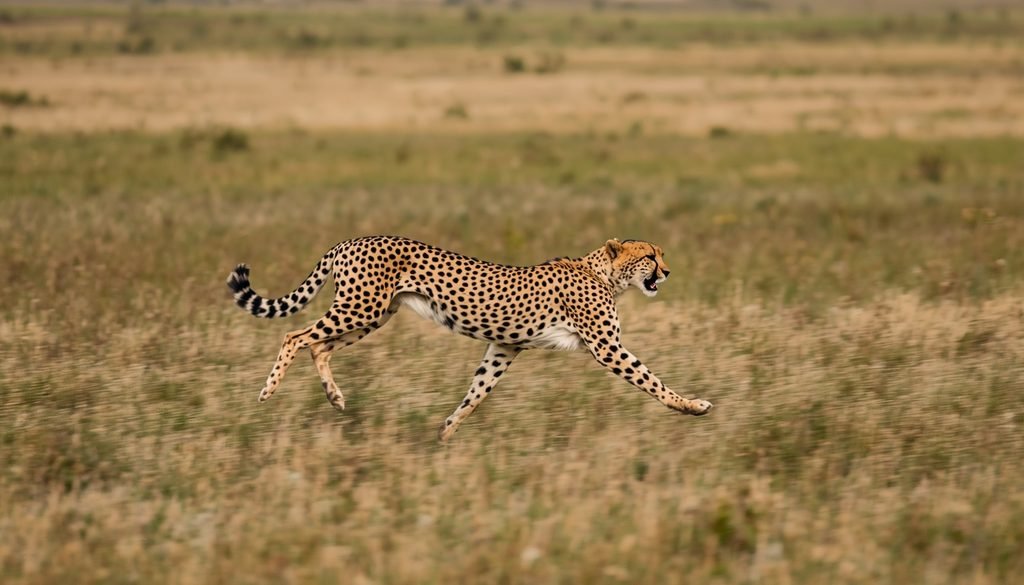
The cheetah is widely known for its sprinting ability, but its hunting success also depends on acceleration, braking, and turning. Its flexible spine helps lengthen its stride, while long limbs and semi retractable claws support powerful movement and traction. The long tail can contribute to balance and body control during fast maneuvers.
Field research tracking wild cheetahs found that their hunts involve changes in speed and direction, rather than just sustained maximum speed running. A cheetah must respond to prey movements and adjust its path during a chase. Its speed is impressive, but the ability to control that speed is also essential.
6. Dragonfly
Scientific Name: Anisoptera (dragonfly suborder)
Class: Insecta
Diet: Carnivore
Habitat: Wetlands, ponds, lakes, rivers, and nearby vegetation
Dragonflies are remarkable aerial hunters. Their two pairs of wings can move in coordinated ways that allow hovering, forward flight, sudden turns, and even backward movement. This control helps them pursue flying insects and intercept prey while both animals are moving.
Large compound eyes provide a broad field of view, helping dragonflies detect movement around them. Their flight is not simply fast; it involves precise adjustments in wing movement and body position. Different dragonfly species vary in size, flight style, and habitat, so their maneuverability is not identical. Their ability to control flight makes them especially effective hunters around ponds and other water rich environments.
7. Golden Eagle
Scientific Name: Aquila chrysaetos
Class: Aves
Diet: Carnivore
Habitat: Mountains, cliffs, open country, and rugged landscapes across the Northern Hemisphere
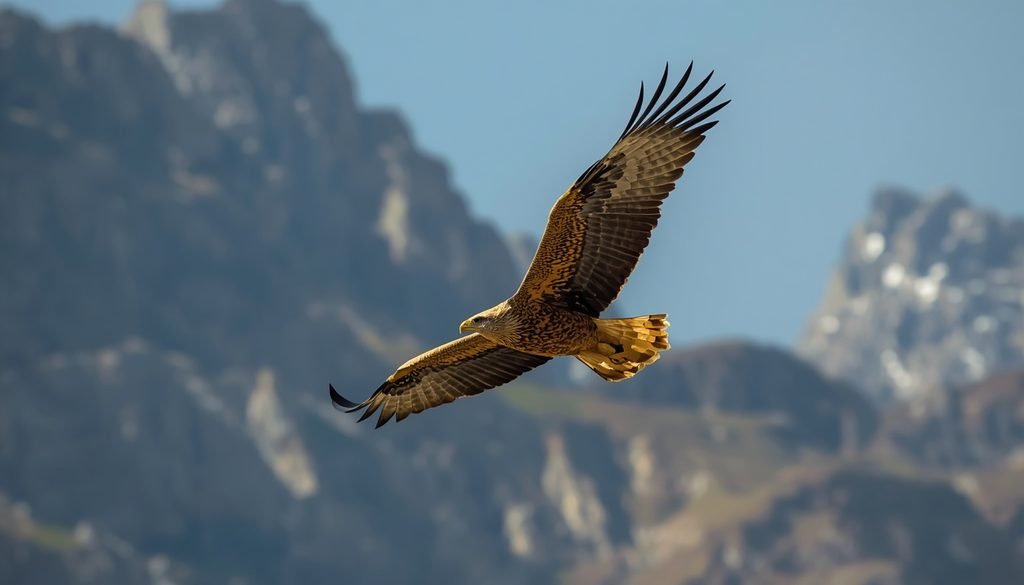
Golden eagles combine powerful flight with controlled maneuvering. Their broad wings support soaring over large areas, while their tails and wing positions help them adjust direction during flight. When hunting, they may use elevated terrain and air currents to search for prey before descending.
Their sharp vision helps detect movement over open landscapes. A hunting dive can involve high speed, but the eagle also needs to control its approach and respond to the terrain or prey. Golden eagles feed on a variety of animals, including mammals and birds. Their flight abilities are adapted to wide ranging movement over mountains, valleys, and open habitats.
8. Sailfish
Scientific Name: Istiophorus platypterus
Class: Actinopterygii
Diet: Carnivore
Habitat: Warm tropical and subtropical ocean waters
Sailfish are large, streamlined fish known for powerful swimming and pursuit of smaller schooling fish. Their bodies are built for movement through water, and their tall dorsal fin can be raised or folded depending on activity. During hunting, sailfish may maneuver around groups of prey, adjusting their position as fish move together.
Their movement depends on more than raw swimming speed. Body shape, tail propulsion, and coordinated fin movements contribute to steering and stability. Sailfish are often described as among the fastest fish, but exact speed records are difficult to compare across species and measurement methods. Their agile swimming is best understood through how they move and hunt in open water.
9. Ostrich
Scientific Name: Struthio camelus
Class: Aves
Diet: Omnivorous
Habitat: African savannas, semi deserts, and open grasslands
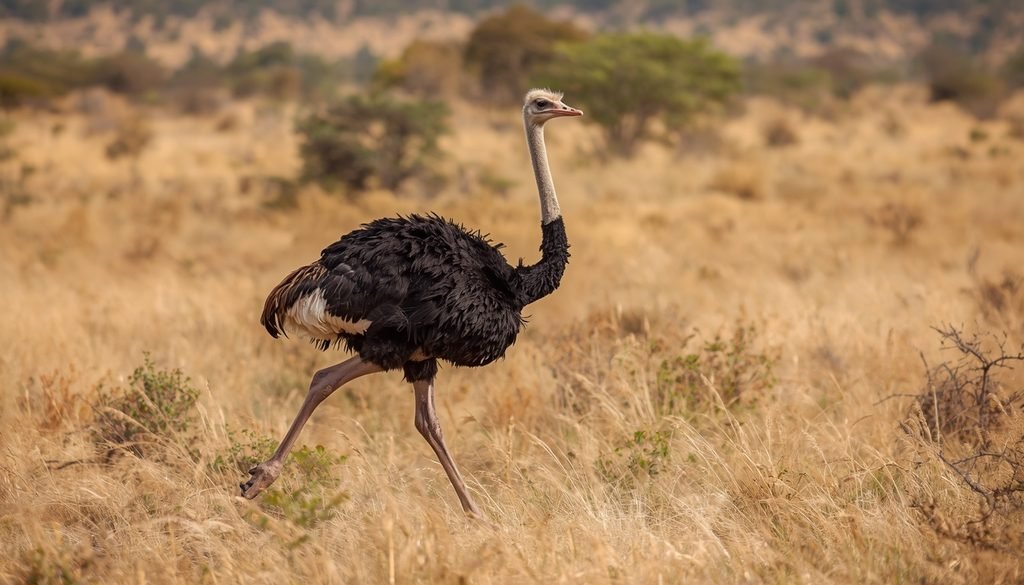
The ostrich is the world’s largest living bird, but it cannot fly. Instead, its long legs and powerful muscles are adapted for running across open ground. Its stride helps it cover distance, while balance and coordination allow it to negotiate uneven terrain and adjust its direction.
Ostriches use their strong legs for locomotion and defense. Their movement demonstrates that agility does not require flight or small body size. Although an ostrich may look awkward because of its height, it can move effectively in its natural environment. It feeds on plant matter and may also consume insects and other small animals.
10. African Wild Dog
Scientific Name: Lycaon pictus
Class: Mammalia
Diet: Carnivore
Habitat: Savannas, open woodlands, and grasslands of sub Saharan Africa
African wild dogs are social predators that hunt in coordinated packs. Their movement during a chase can involve changes in direction, spacing, and pace as group members follow moving prey. Their long legs and lean bodies support endurance across open landscapes.
Pack coordination adds another dimension to their agility. Rather than relying only on one animal’s speed, group members may respond to one another and adjust their movement during pursuit. African wild dogs feed mainly on medium sized ungulates, although prey varies by location. Their hunting behavior is complex, and success rates differ depending on prey, habitat, pack size, and conditions.
11. Pronghorn
Scientific Name: Antilocapra americana
Class: Mammalia
Diet: Herbivore
Habitat: Open plains, shrublands, and grasslands of western North America
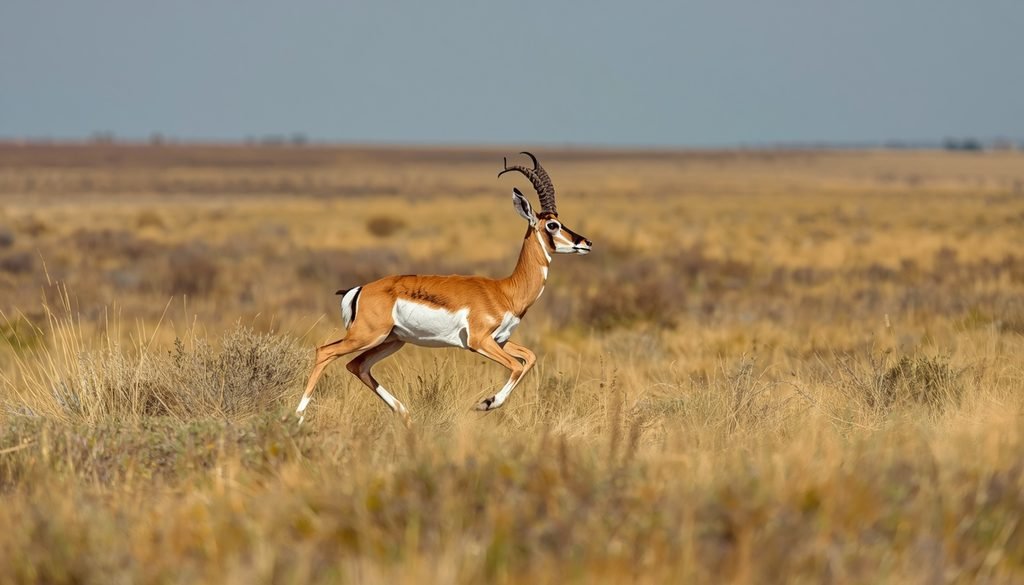
Pronghorns are built for rapid travel across wide, open landscapes. Their long legs and lightweight build support fast running, while their alert senses help them detect potential threats. They can change direction while moving, although their most widely known ability is sustained high speed travel rather than tight turning in dense terrain.
Pronghorns are not true antelopes; they belong to their own family, Antilocapridae. Their movement adaptations reflect the open habitats where they live, where spotting danger early and covering distance can be important. They feed on shrubs, forbs, and other vegetation, adjusting their diet according to season and availability.
12. Spinner Dolphin
Scientific Name: Stenella longirostris
Class: Mammalia
Diet: Carnivore
Habitat: Tropical and subtropical oceans
Spinner dolphins are known for their energetic leaps and characteristic spinning movements above the water. Underwater, their streamlined bodies and powerful tails support quick swimming and direction changes. They often travel in social groups and may coordinate their movements while feeding or moving through the ocean.
Their aerial spins are striking, but scientists should be cautious about assigning one definite purpose to every leap. Such behavior may relate to communication, social interaction, or other contexts, depending on the situation. Spinner dolphins feed mainly on small fish and squid. Their agility combines swimming control, body coordination, and the ability to move between underwater and aerial environments.
How Does Agility Help Animals Survive?
Agility can help animals respond to changing conditions, but its benefits depend on their lifestyle. A gazelle may use sudden turns or leaps to avoid a predator, while a cheetah must accelerate, slow down, and adjust its path during a chase. In the air, dragonflies and falcons use controlled movement to pursue prey or navigate obstacles. Underwater, dolphins and sailfish rely on body control and coordinated swimming.
Agility also differs from speed, strength, and endurance. An animal may travel quickly in a straight line without being especially maneuverable, while another may hover or turn precisely without covering long distances. Body structure, sensory systems, habitat, and behavior all influence how an animal moves. These adaptations develop in relation to ecological needs rather than a single universal standard of athletic ability.
Read More: 13 Animals That Are Humble
Final Thoughts
The most agile animals in the world demonstrate a remarkable range of movement skills. Cheetahs adjust their speed and direction during hunts, dragonflies maneuver through the air, and spinner dolphins move fluidly through water. Grey foxes climb, gazelles make quick escapes, and birds of prey combine vision with controlled flight.
Agility is more than simply being fast. It includes balance, coordination, responsiveness, and the ability to move effectively in a particular environment. Because animals face different challenges on land, in the air, and underwater, no single species can be declared the universal agility champion. Which animal’s movement ability impressed you the most?
FAQs
1. What are the most agile animals in the world?
Examples include cheetahs, dragonflies, peregrine falcons, grey foxes, gazelles, bats, and dolphins. Each demonstrates agility in a different way, such as sharp turns, controlled flight, climbing, or underwater maneuvering. There is no universal scientific ranking across all environments.
2. Which animal is considered the most agile?
There is no single scientifically established answer because agility can mean different things. A cheetah is highly capable during a land chase, while a dragonfly is exceptionally maneuverable in flight. Comparing them requires defining the type of movement being measured.
3. Is agility the same as speed?
No. Speed describes how quickly an animal moves over a distance. Agility includes control, balance, coordination, and the ability to change direction or respond quickly. An animal can be fast in a straight line without being equally skilled at turning or navigating obstacles.
4. What makes a cheetah agile?
A cheetah’s flexible spine, long limbs, traction, and tail assisted body control support rapid movement. During a hunt, it must also accelerate, decelerate, and adjust its direction as prey moves. Research on wild cheetahs shows that hunting involves more than reaching maximum speed.
5. Which flying animal is known for its agility?
Dragonflies are well known for precise aerial maneuvering. Their two pairs of wings allow controlled hovering and rapid direction changes. Peregrine falcons are also remarkable fliers, using controlled dives and aerodynamic adjustments when pursuing prey.
6. How does agility help animals survive?
Agility can help animals escape predators, catch moving prey, navigate obstacles, and maintain balance. Its importance varies by species. A climbing fox, a running gazelle, and a swimming dolphin use different movement adaptations to meet the challenges of their habitats.

One thought on “12 Most Agile Animals in the World: Amazing Movement Skills in Nature”