
Introduction
Some animals stand out not because they are loud or aggressive, but because of the ways they cooperate, care for others, or adapt to life around them. Elephants maintain close family relationships, dolphins coordinate in social groups, and donkeys can form strong bonds with familiar companions. These behaviors may remind people of humility, patience, or quiet strength.
However, humility is a human concept, not a scientific category used to classify wildlife. Researchers study observable actions such as cooperation, communication, caregiving, and conflict avoidance rather than assigning animals moral qualities. An animal that appears calm in one situation may be defensive or assertive in another.
In this article, we explore 13 animals commonly associated with humility because of their behavior, social relationships, or history with people. Each profile includes basic facts and explains what the animal actually does, while avoiding the assumption that every individual is gentle or harmless. Understanding these distinctions helps us appreciate animals for their real adaptations instead of relying only on human interpretations.
Quick Answer: What Are the Animals That Are Humble?
Animals often associated with humility include horses, dolphins, camels, cows, pigeons, elephants, rabbits, dogs, sheep, deer, turtles, goats, and donkeys. People connect them with humility because of traits such as cooperation, caregiving, patience, social bonding, or quiet persistence. Humility itself, however, is a human interpretation not a formal scientific animal trait.
1. Horse
Scientific Name: Equus ferus caballus
Class: Mammalia
Diet: Herbivore
Habitat: Grasslands, farms, pastures, and managed environments
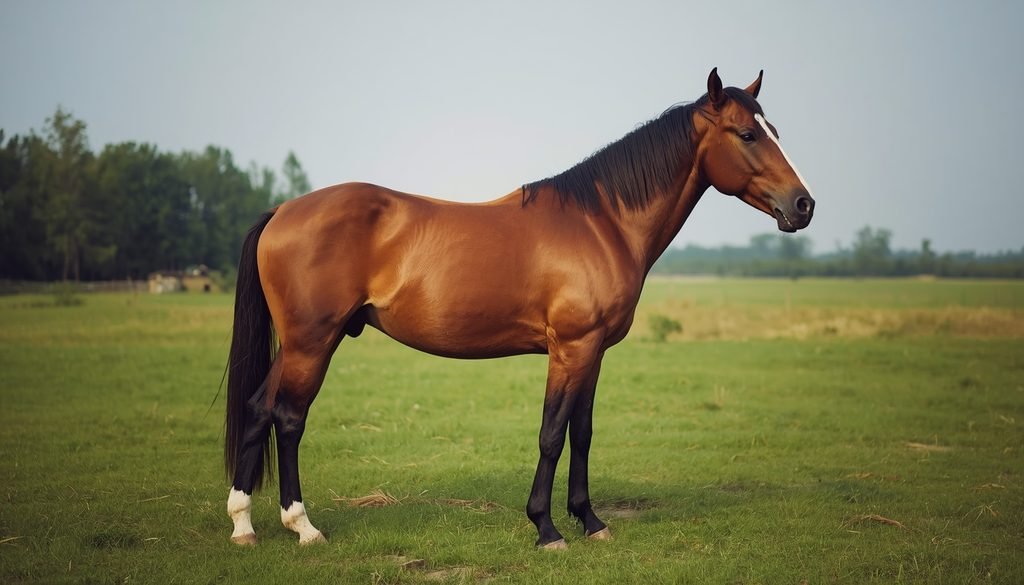
Horses are often associated with humility because of their long relationship with people and their ability to respond to careful, consistent handling. They are social animals that communicate through body posture, ear position, movement, and vocal sounds. In a trusted human animal relationship, a horse may learn to cooperate with cues and routines.
Horses also live in social groups in which relationships and individual preferences matter. Their willingness to work with people should not be mistaken for unlimited patience or consent: horses can become frightened, uncomfortable, or defensive. Gentle handling, suitable care, and attention to body language are essential.
Why people associate them with humility: Cooperation, sensitivity, and their history alongside humans.
2. Dolphin
Scientific Name: Tursiops truncatus (bottlenose dolphin)
Class: Mammalia
Diet: Carnivore
Habitat: Coastal waters, bays, and open oceans
Dolphins are highly social marine mammals known for communication and cooperative behavior. Bottlenose dolphins may form changing social groups and develop alliances. Long term research in Shark Bay, Australia, has documented complex relationships and cooperation among male dolphins.
People may associate dolphins with humility because they coordinate with others and sometimes display affiliative contact. Still, their behavior should not be interpreted as proof of human like modesty or kindness. Dolphins are wild predators with their own needs and social pressures. They should be observed responsibly rather than approached or touched.
Why people associate them with humility: Social coordination, communication, and cooperation.
3. Camel
Scientific Name: Camelus dromedarius (dromedary camel)
Class: Mammalia
Diet: Herbivore
Habitat: Deserts, dry grasslands, and arid regions
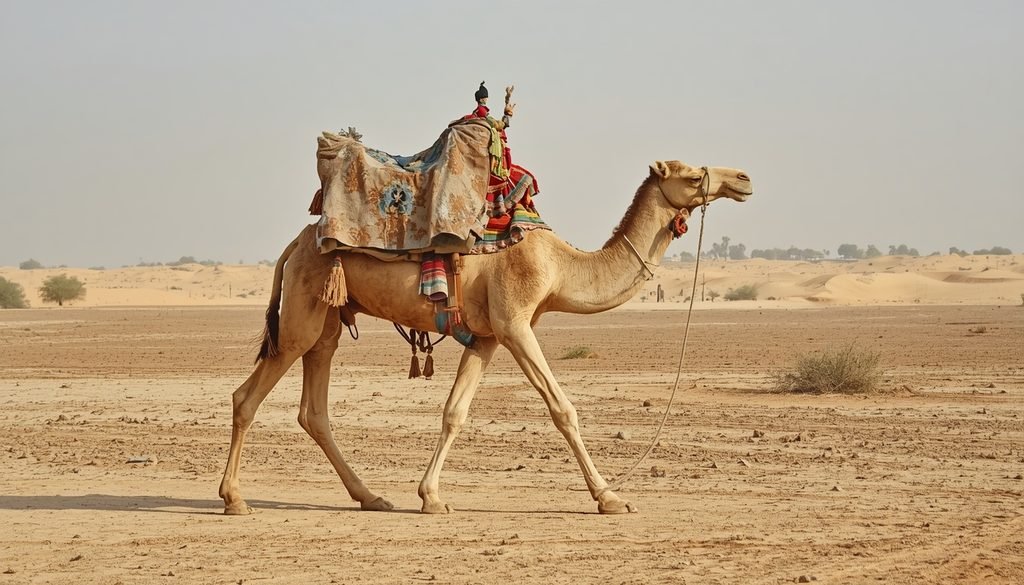
Camels are associated with patience and endurance because they are adapted to challenging environments and have supported human communities across dry regions for generations. They feed on vegetation that many other grazing animals may avoid, including coarse or thorny plants. Their padded feet and other adaptations help them travel across sandy terrain.
A camel’s hump stores fat, which can be used as an energy reserve; it does not store water. Dromedary camels are social and may travel in groups. Their ability to endure difficult conditions is impressive, but it does not mean they can be overworked or deprived of care.
Why people associate them with humility: Endurance, adaptability, and long standing relationships with people.
4. Cow
Scientific Name: Bos taurus
Class: Mammalia
Diet: Herbivore
Habitat: Grasslands, pastures, farms, and managed agricultural areas
Cows are often described as gentle because many domestic cattle become accustomed to predictable routines and familiar handlers. They are social herd animals and can recognize individuals within their groups. Grazing together and maintaining social relationships are normal parts of cattle behavior.
Their quiet presence in pastures may inspire people to connect them with humility. Yet cows are large animals and can react defensively, especially when frightened, protecting a calf, or feeling crowded. Their temperament varies with breed, experience, health, and surroundings. Respectful handling and enough space are important for animal welfare and human safety.
Why people associate them with humility: Herd living, familiar routines, and a calm appearance in many domestic settings.
5. Pigeon
Scientific Name: Columba livia
Class: Aves
Diet: Primarily seeds and grains; may eat other available foods
Habitat: Cliffs, cities, farms, parks, and urban buildings
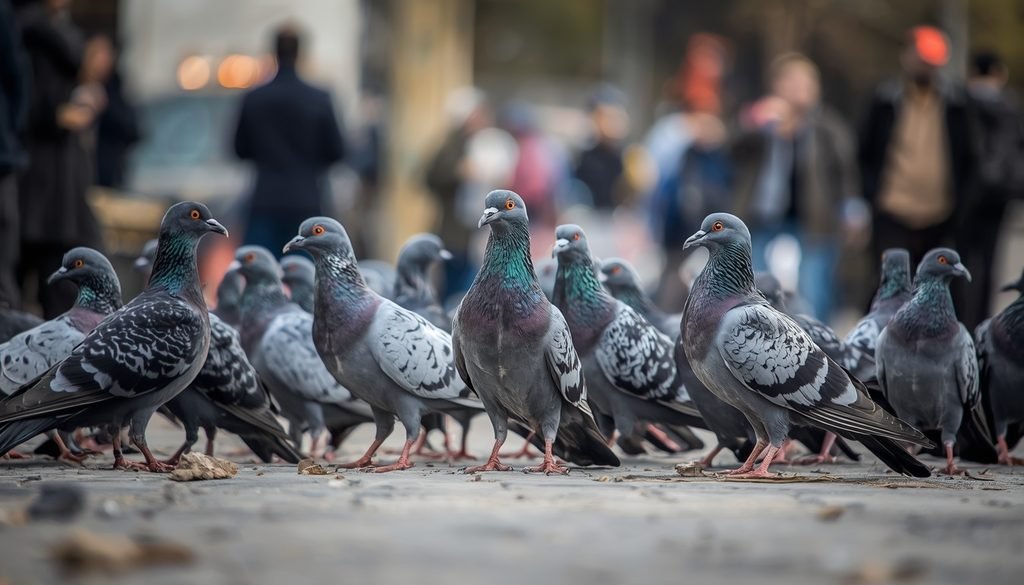
Pigeons are familiar birds in towns and cities, where they gather in flocks and search for food. Their adaptability and group behavior can make them symbols of peaceful coexistence. Domestic and trained pigeons have also been used historically to carry messages, taking advantage of their strong homing ability.
Pigeons communicate through calls, posture, and movement. They also maintain their feathers through preening and other grooming behaviors. Their presence in crowded public places can sometimes be viewed negatively, but their behavior is shaped partly by the food and shelter people provide. Pigeons are not inherently humble; the association comes from how people interpret their everyday habits.
Why people associate them with humility: Their modest appearance, flocking behavior, and historical role as messenger birds.
6. Elephant
Scientific Name: Loxodonta africana (African elephant)
Class: Mammalia
Diet: Herbivore
Habitat: African savannas, woodlands, and forests
Elephants are often associated with humility because of their social bonds, caregiving, and cooperative behavior. Family groups can include related females and young, and individuals communicate through sounds, touch, and body movements. In a controlled cooperation experiment, Asian elephants coordinated with a partner to complete a task that required both animals to act together.
These findings show that elephants can perform complex social actions, but they do not prove that elephants understand humility as a moral idea. Elephants are powerful wild animals and should always be observed from a safe distance. Their strength and social complexity deserve respect.
Why people associate them with humility: Family relationships, cooperation, and care within social groups.
7. Rabbit
Scientific Name: Oryctolagus cuniculus (European rabbit)
Class: Mammalia
Diet: Herbivore
Habitat: Grasslands, scrublands, meadows, and areas with suitable shelter
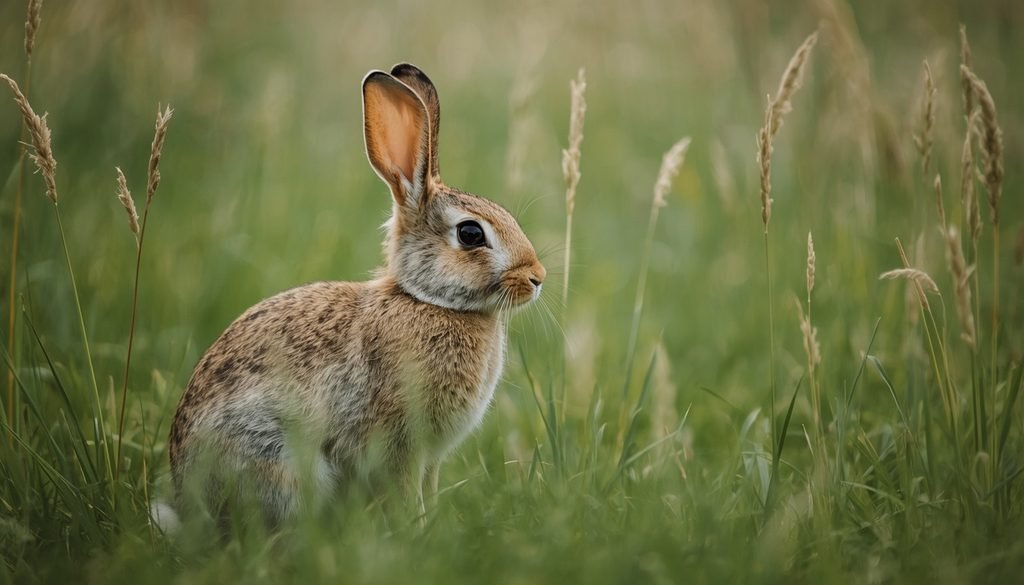
Rabbits are often viewed as gentle because they are small, quiet, and commonly kept as companion animals. In the wild, however, their cautious behavior is mainly a survival adaptation. Rabbits are prey animals, so they stay alert, use cover, and may flee quickly when they sense danger. Some species live in social groups and use burrows for shelter.
Their quiet behavior can look like humility to people, but it is more accurately understood as vigilance and risk avoidance. A rabbit may also scratch, kick, or bite when frightened or handled roughly. Calm surroundings, appropriate space, and careful handling help support their welfare.
Why people associate them with humility: Their quiet appearance, cautious behavior, and gentle interactions when comfortable.
8. Dog
Scientific Name: Canis lupus familiaris
Class: Mammalia
Diet: Omnivorous dietary pattern
Habitat: Domestic homes and human managed environments; free ranging populations occur in varied habitats
Dogs are frequently associated with loyalty, companionship, and cooperation. Through domestication and learning, many dogs can respond to human cues, work alongside people, and form strong relationships with familiar individuals. Dogs also communicate through posture, facial expressions, vocalizations, and movement.
People may interpret a dog’s willingness to follow cues or remain close to a caregiver as humility. However, dog behavior is shaped by learning, motivation, temperament, and circumstances. Dogs do not all behave alike, and obedience should not be confused with a lack of needs or feelings. Positive training, exercise, veterinary care, and respectful interaction help build a healthy relationship.
Why people associate them with humility: Cooperation, companionship, and responsiveness to familiar people.
9. Sheep
Scientific Name: Ovis aries
Class: Mammalia
Diet: Herbivore
Habitat: Grasslands, hills, farms, and managed pastures
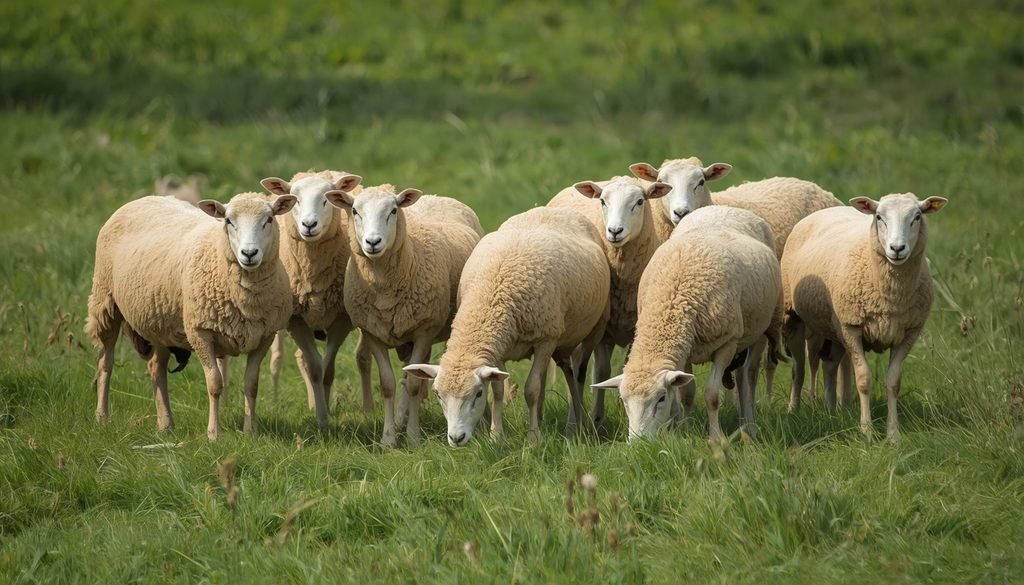
Sheep are known for flocking behavior. Staying close to other sheep can provide advantages, including group awareness and protection from predators. They graze on grasses and other plants, and they can recognize familiar individuals. Their tendency to move as a group has contributed to cultural images of sheep as quiet or compliant animals.
However, sheep are not simply passive. They show preferences, respond to their surroundings, and may become stressed when separated from familiar companions. Their behavior is best understood through their social and ecological needs rather than human labels. Good flock management includes access to suitable forage, shelter, and appropriate veterinary care.
Why people associate them with humility: Group living, quiet grazing, and a non confrontational appearance.
10. Deer
Scientific Name: Cervidae (deer family; includes many species)
Class: Mammalia
Diet: Herbivore
Habitat: Forests, grasslands, wetlands, and woodland edges
Deer are often associated with gentleness because they move quietly through forests and usually avoid close contact with people. Their cautious behavior is an important survival strategy. Many deer rely on keen senses and quick movement to detect and escape predators. Their diet commonly includes leaves, shoots, grasses, and other vegetation, although feeding patterns vary by species and season.
A deer’s tendency to retreat may look like peacefulness, but it does not mean the animal is tame or seeking interaction. Deer can become defensive, particularly when startled or when adults are protecting young. Observing them from a distance helps avoid stress and reduces the risk of dangerous encounters.
Why people associate them with humility: Quiet movement, alertness, and a tendency to avoid unnecessary contact.
11. Turtle
Scientific Name: Testudines (turtle order; includes many species)
Class: Reptilia
Diet: Varies by species
Habitat: Oceans, freshwater habitats, wetlands, forests, and grasslands
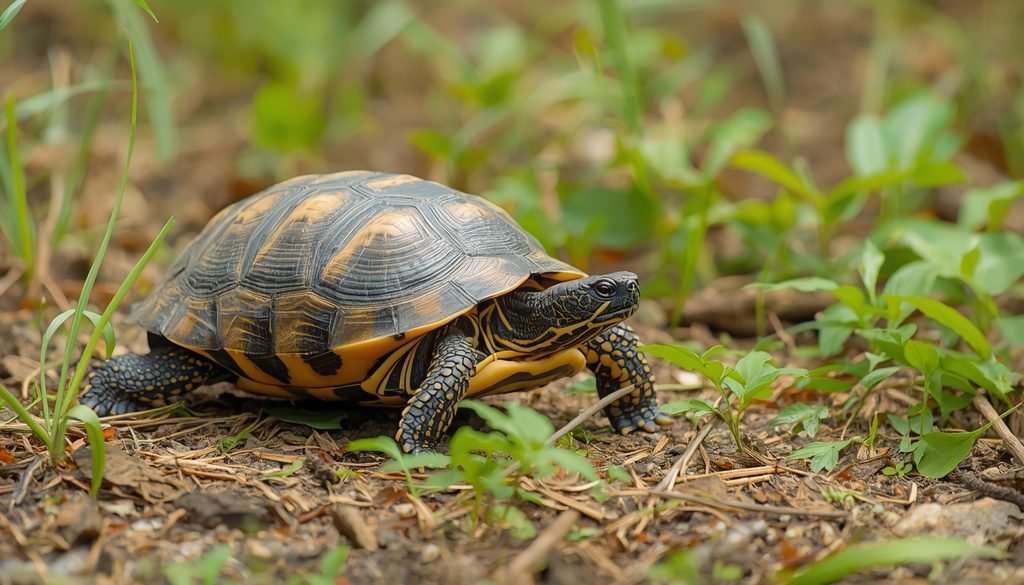
Turtles are sometimes connected with patience because many species move at a measured pace and rely on protective shells rather than speed for defense. Their bodies and behaviors vary widely: sea turtles, freshwater turtles, and land dwelling tortoises have different diets, habitats, and adaptations. Some eat plants, others consume animal prey, and many have mixed diets.
The familiar image of a slow turtle can inspire people to associate it with calmness or humility. Scientifically, however, slow movement is not a moral quality. It is simply one feature of certain species’ ways of life. Turtles should not be handled or removed from the wild, as this can cause stress or harm.
Why people associate them with humility: Their unhurried appearance and reliance on protective adaptations.
12. Goat
Scientific Name: Capra aegagrus hircus
Class: Mammalia
Diet: Herbivore
Habitat: Mountains, rocky areas, grasslands, farms, and managed pastures
Goats are adaptable animals known for exploring varied terrain and feeding on many kinds of vegetation. Domestic goats have supported human communities through milk, fiber, and other agricultural products. They are social and curious, often investigating objects and learning from their surroundings.
Their confident climbing and exploratory behavior may not seem especially humble, but people sometimes associate them with resilience and practical adaptability. Goats can also be assertive, particularly around food or social relationships, so they should not be described as universally meek. Their behavior depends on individual temperament, handling, and environment. Proper fencing, nutrition, companionship, and veterinary care are important for domestic goats.
Why people associate them with humility: Adaptability, resourcefulness, and their longstanding role in rural life.
13. Donkey
Scientific Name: Equus africanus asinus
Class: Mammalia
Diet: Herbivore
Habitat: Farms, drylands, grasslands, and managed working environments
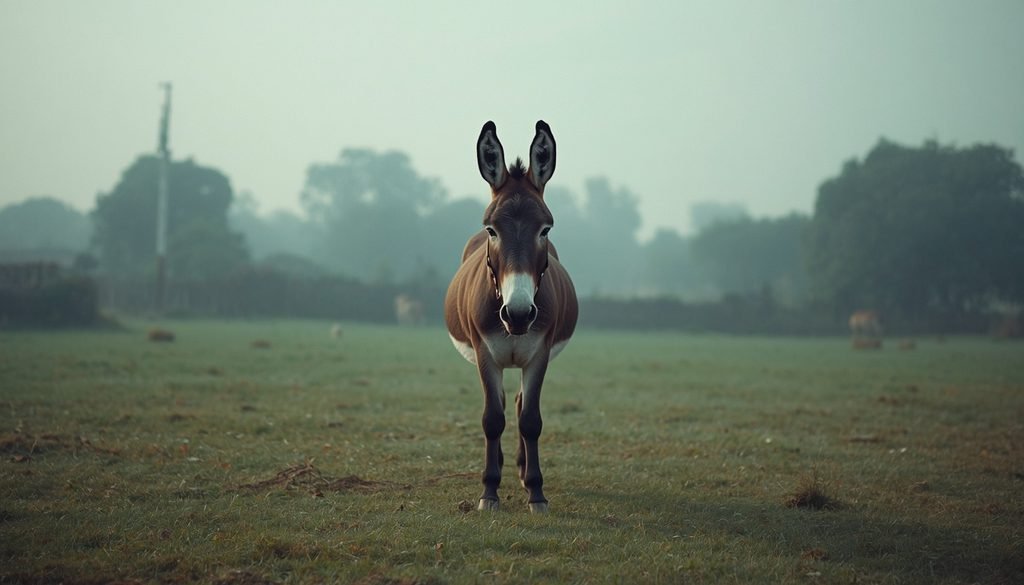
Donkeys are often associated with patience and persistence because of their history as working animals and their careful responses to unfamiliar situations. They can form strong bonds with familiar people and other equids. A veterinary review notes that donkeys and mules may be misunderstood because their behavior differs from that of horses, and that they can develop strong relationships based on trust.
Donkeys are sometimes called stubborn, but stopping or refusing to move may reflect caution, fear, discomfort, or uncertainty. Their careful behavior should not be treated as a character flaw. Donkeys need suitable food, shelter, companionship, hoof care, and humane handling.
Why people associate them with humility: Persistence, close social bonds, and their longstanding role in human communities.
Why Are These Animals Associated With Humility?
People often connect humility with behaviors that appear calm, cooperative, or considerate. In animals, these impressions may come from observable traits such as social bonding, caregiving, patience, group living, or avoiding unnecessary conflict. Elephants coordinating with partners, dolphins forming alliances, and donkeys building trust with familiar companions are examples of behaviors that can inspire these interpretations.
However, animal behavior is shaped by survival, learning, social relationships, and environmental conditions. A rabbit’s retreat is usually a response to danger, while a horse’s cooperation may depend on trust and training. Neither action proves that the animal understands humility as people do. Describing animals as humble can be a meaningful metaphor, as long as it does not replace accurate explanations of their needs and behavior.
Read More: 16 Animals With Bushy Tails
Final Thoughts
The animals that are humble in this list are connected by behaviors people may interpret as patience, cooperation, gentleness, or quiet strength. Horses and dogs can build close relationships with people, elephants and dolphins show complex social behavior, and donkeys are often misunderstood despite their ability to form strong bonds.
Still, humility is a human concept rather than a scientific category for animals. Understanding their actual behavior helps us appreciate them without expecting them to follow human ideas of personality. Whether an animal is domestic or wild, respect means providing proper care, protecting habitats, and observing wildlife responsibly. Which animal surprised you most with its behavior or social relationships?
FAQs
1. What animals are considered humble?
People often associate horses, dolphins, camels, cows, pigeons, elephants, rabbits, dogs, sheep, deer, turtles, goats, and donkeys with humility. These associations usually come from observed behaviors such as cooperation, social bonds, cautiousness, caregiving, or persistence not from a scientific humility ranking.
2. Is humility a real scientific trait in animals?
Humility is not a standard scientific category used to classify animals. Researchers study measurable behavior, including cooperation, communication, learning, social relationships, and responses to threats. Calling an animal humble is generally a human interpretation of those observations.
3. What is the most humble animal in the world?
There is no scientifically established “most humble” animal. Different people may choose elephants for their social cooperation, donkeys for their persistence, or dogs for their relationships with humans. These are subjective interpretations rather than a measurable ranking.
4. Are humble animals always gentle or harmless?
No. An animal that appears calm in one situation may defend itself, protect its young, or react strongly when frightened. Wild animals should be observed from a safe distance, and domestic animals still require respectful handling and appropriate care.
5. Why are elephants often associated with humility?
Elephants have complex social relationships and can cooperate in tasks that require coordination with another individual. These behaviors may inspire people to describe them as considerate or socially aware, but they do not establish that elephants understand humility as a human moral concept.
6. What can people learn from animal behavior?
Animal behavior can encourage people to notice the value of cooperation, social bonds, adaptation, and careful communication. These are lessons people may draw from wildlife, rather than proof that animals intentionally teach human values. Respecting animals also means understanding their needs and avoiding unsafe interactions.

One thought on “13 Animals That Are Humble: Gentle Behaviors, Social Bonds, and Quiet Strength”