
Introduction
Frogs may look small and harmless, but they are an important food source for many predators. From quiet ponds and marshes to forests, rivers, and wetlands, frogs can become prey for animals from several different groups. Birds, reptiles, mammals, fish, and even other amphibians may feed on frogs when the opportunity arises.
So, what animals eat frogs? The answer is more surprising than you might expect. Some predators actively hunt frogs, while others eat them opportunistically when they find them near water or vegetation. A frog’s size, habitat, movement, and life stage can all affect which predators are able to catch it.
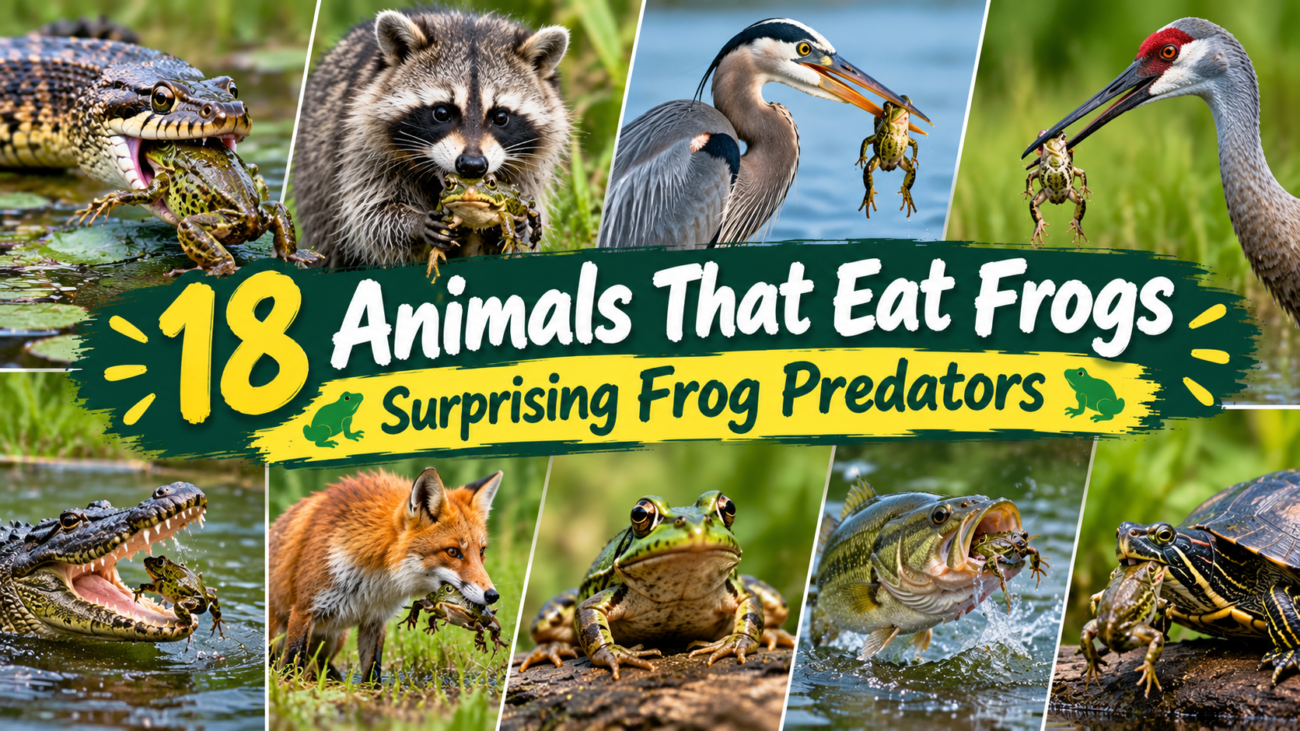
Below, we explore 18 animals that eat frogs and explain how each one finds, captures, and feeds on these amphibians.
What Animals Eat Frogs?
Many animals eat frogs, including snakes, raccoons, herons, cranes, skunks, alligators, owls, otters, monitor lizards, snapping turtles, largemouth bass, foxes, hawks, other frogs, freshwater eels, crows, coyotes, and some salamanders. Which predator eats a frog depends on the frog species, its habitat, and the predator’s own feeding behavior.
Why Are Frogs Important in the Food Chain?
Frogs occupy an interesting position in many food webs because they can be both predators and prey. As adults, many frogs eat insects, worms, spiders, and other small animals. At the same time, larger animals feed on adult frogs, tadpoles, eggs, and young frogs.
This makes frogs an important link between smaller organisms and larger predators. A pond frog, for example, may eat insects around the water while becoming food for a snake, heron, turtle, fish, or mammal. Research on several frog species shows that their predators can include animals from many different groups.
List of Animals That Eat Frogs
Here are 18 examples of frog predators found in different habitats:
- Snakes
- Raccoons
- Herons
- Cranes
- Skunks
- Alligators
- Owls
- Otters
- Monitor Lizards
- Snapping Turtles
- Largemouth Bass
- Foxes
- Hawks
- Other Frogs
- Freshwater Eels
- Crows
- Coyotes
- Salamanders
1. Snakes
Scientific Name: Nerodia sipedon (representative water snake)
Class: Reptilia
Diet: Carnivore
Habitat: Wetlands, ponds, streams, rivers, and forests
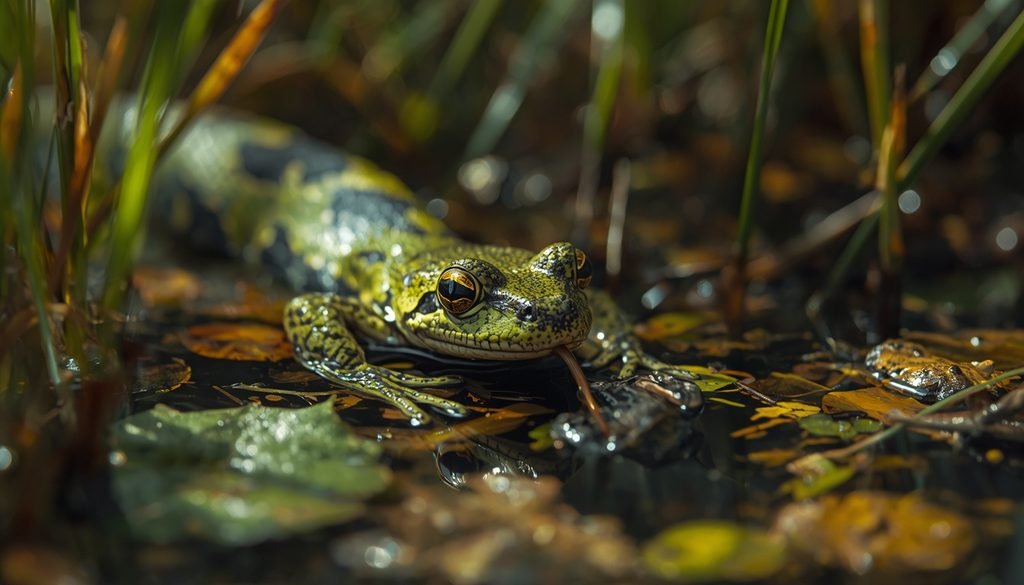
Snakes are among the well-known predators of frogs. Water snakes and some garter snakes commonly encounter frogs around ponds, marshes, and streams. They may locate prey through movement and chemical cues before striking quickly and swallowing the frog whole. Several frog species are documented as prey for water snakes and garter snakes.
Interesting Fact: Some water snakes are especially well adapted to hunting near aquatic habitats.
2. Raccoons
Scientific Name: Procyon lotor
Class: Mammalia
Diet: Omnivore
Habitat: Forests, wetlands, rivers, ponds, and urban areas
Raccoons are opportunistic feeders with varied diets. They often search for food near water, where frogs can become an available meal. Their sensitive front paws and strong sense of smell help them investigate potential food. Raccoons are documented predators of several frog species, including green frogs and leopard frogs.
Interesting Fact: Raccoons often become active around ponds and streams after dark.
3. Herons
Scientific Name: Ardea herodias
Class: Aves
Diet: Carnivore
Habitat: Marshes, ponds, rivers, lakes, and wetlands
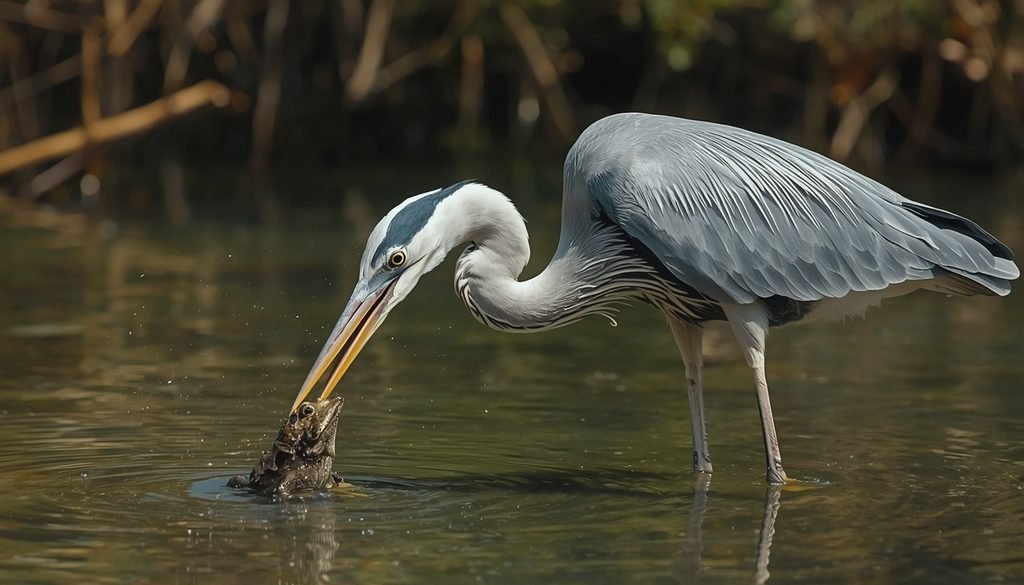
Herons are skilled visual hunters that often stand motionless in shallow water before striking. Their long legs allow them to move through wetlands while their sharp bills can grab frogs quickly. Great blue herons and other heron species are documented frog predators.
Interesting Fact: A heron can remain remarkably still before making a sudden feeding strike.
4. Cranes
Scientific Name: Antigone canadensis
Class: Aves
Diet: Omnivore
Habitat: Wetlands, grasslands, marshes, and open fields
Some cranes include frogs and other small animals in their varied diets. Sandhill cranes, for example, forage in wetlands and other open habitats where amphibians may be available. Their long legs help them move through shallow water and vegetation while their bills can pick up or strike small prey. Frog consumption varies by species and habitat.
Interesting Fact: Cranes combine animal foods with plant material, making their diets quite flexible.
5. Skunks
Scientific Name: Mephitis mephitis
Class: Mammalia
Diet: Omnivore
Habitat: Woodlands, grasslands, wetlands, and suburban areas
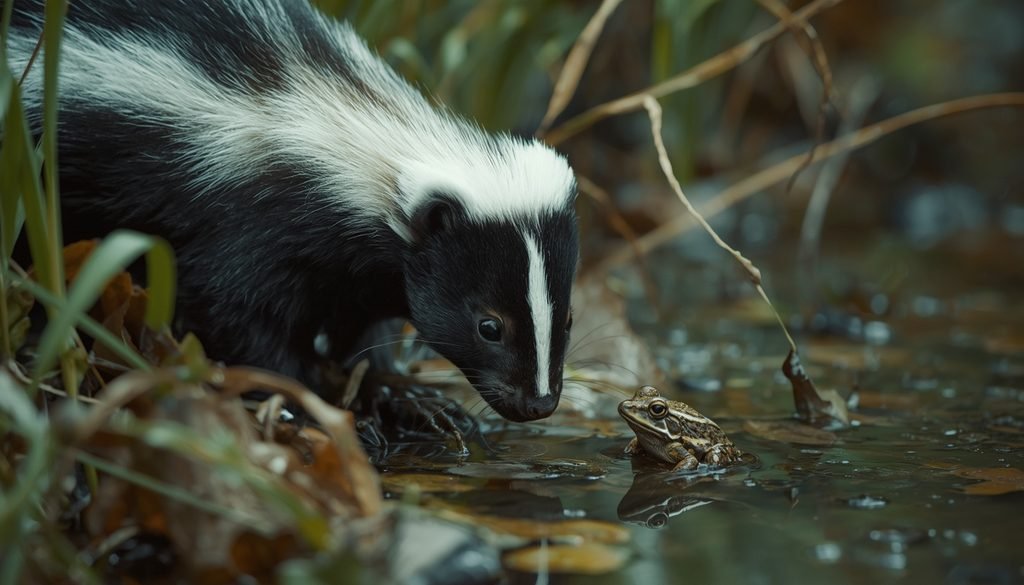
Skunks are flexible feeders that search for insects, worms, small vertebrates, eggs, and other foods. Frogs can become part of this opportunistic diet when skunks encounter them near ponds or damp vegetation. Their strong sense of smell and habit of searching through ground cover help them locate food that other predators may overlook.
Interesting Fact: Skunks often forage at night, when many frogs are also active.
6. Alligators
Scientific Name: Alligator mississippiensis
Class: Reptilia
Diet: Carnivore
Habitat: Swamps, marshes, lakes, rivers, and freshwater wetlands
Alligators are powerful aquatic predators, but their diet changes with size, age, and available prey. Small animals can form part of their diet, and frogs may be taken when encountered around shallow water. American alligators are documented predators of pig frogs, showing how amphibians can become part of freshwater predator-prey relationships.
Interesting Fact: Alligators can wait motionless for long periods before making a rapid strike.
7. Owls
Scientific Name: Bubo virginianus (representative species)
Class: Aves
Diet: Carnivore
Habitat: Forests, wetlands, grasslands, and woodland edges
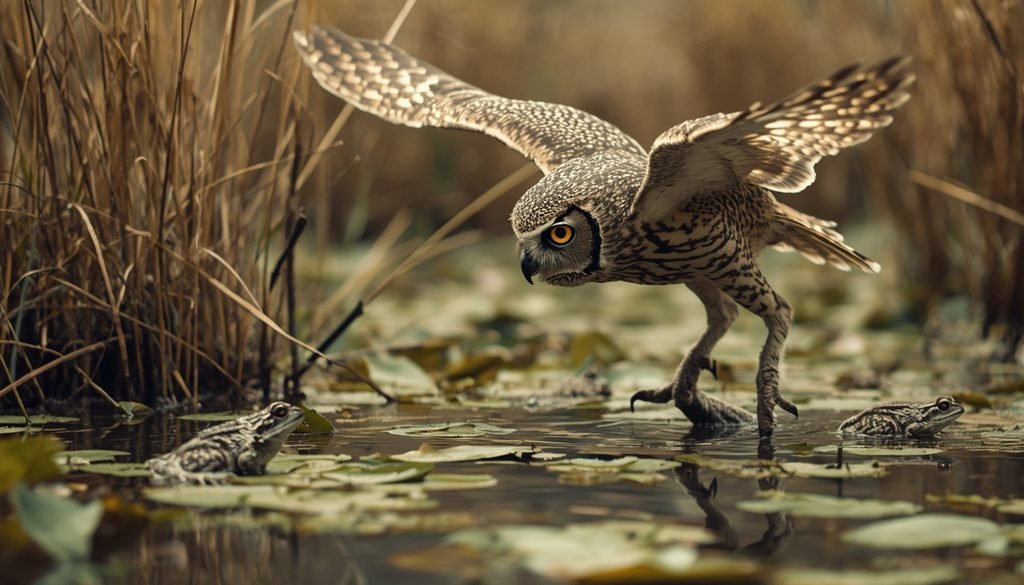
Some owl species can prey on frogs, particularly where suitable amphibians are abundant. Their excellent hearing and low-light vision help them locate prey at night. Owls do not all depend on frogs, however, and their diets vary greatly between species and habitats.
Interesting Fact: An owl’s ability to hunt in darkness gives it access to prey that may be active after sunset.
8. Otters
Scientific Name: Lontra canadensis
Class: Mammalia
Diet: Carnivore
Habitat: Rivers, streams, lakes, ponds, and wetlands
River otters are agile aquatic predators that feed on a wide range of animals. Fish, crustaceans, and amphibians can all become food depending on availability. River otters are documented predators of green frogs and leopard frogs, especially in freshwater environments where both animals overlap.
Interesting Fact: Otters can search underwater as well as along the edges of ponds and streams.
9. Monitor Lizards
Scientific Name: Varanus niloticus (representative species)
Class: Reptilia
Diet: Carnivore
Habitat: Rivers, wetlands, lakes, savannas, and forests
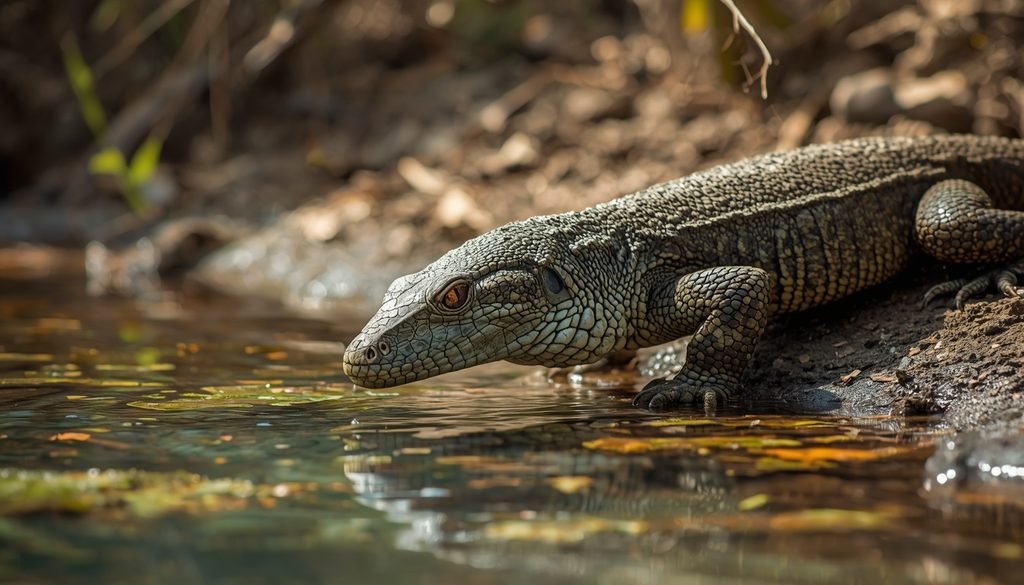
Monitor lizards are active predators with strong senses and flexible diets. Depending on the species and location, amphibians can be part of their prey. Their ability to move across land and investigate water margins gives some monitor lizards opportunities to encounter frogs, especially around freshwater habitats.
Interesting Fact: Monitor lizards often combine active searching with opportunistic feeding.
10. Snapping Turtles
Scientific Name: Chelydra serpentina
Class: Reptilia
Diet: Omnivore
Habitat: Ponds, marshes, slow-moving rivers, and freshwater wetlands
Snapping turtles are powerful freshwater predators with strong jaws and an opportunistic feeding strategy. Frogs can be part of their varied diet, especially when amphibians move within reach. Common snapping turtles are documented predators of green frogs and other amphibians.
Interesting Fact: Snapping turtles often rely on ambush rather than chasing prey over long distances.
11. Largemouth Bass
Scientific Name: Micropterus salmoides
Class: Actinopterygii
Diet: Carnivore
Habitat: Lakes, ponds, reservoirs, and slow-moving rivers
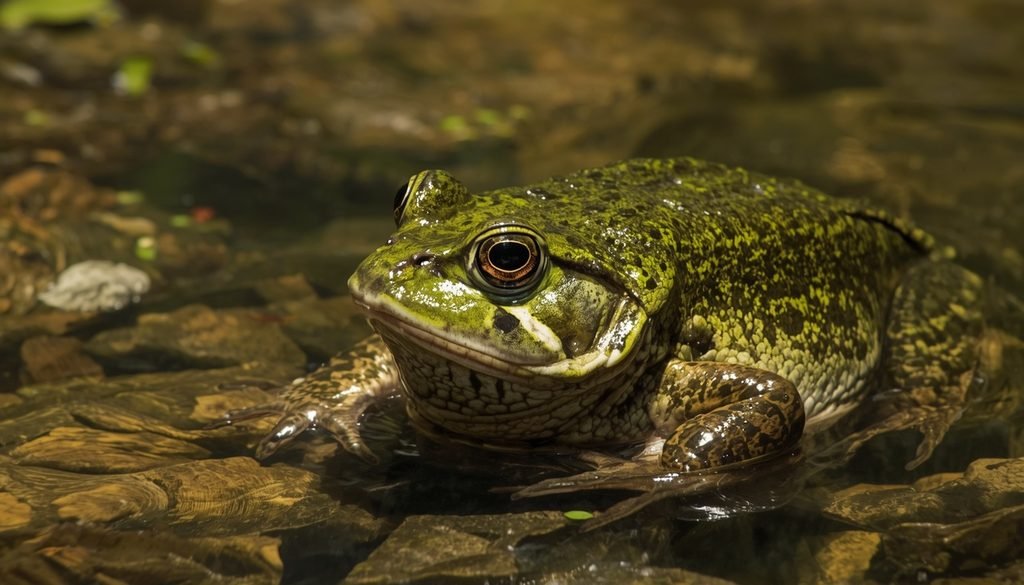
Largemouth bass are ambush predators that often wait near aquatic vegetation or underwater cover before striking. Adult bass can eat a variety of prey, including small vertebrates. Bass are documented predators of leopard frogs and other frogs in freshwater ecosystems.
Interesting Fact: Aquatic vegetation can provide bass with excellent cover for surprise attacks.
12. Foxes
Scientific Name: Vulpes vulpes
Class: Mammalia
Diet: Omnivore
Habitat: Forests, grasslands, wetlands, farmland, and urban edges
Foxes are adaptable feeders that eat whatever suitable food is available in their environment. Small vertebrates and amphibians can be included in their diets. Red foxes have been documented among predators of leopard frogs, showing that frogs can become an occasional food source for terrestrial mammals.
Interesting Fact: Foxes can search around wetland edges without needing to enter deep water.
13. Hawks
Scientific Name: Buteo jamaicensis
Class: Aves
Diet: Carnivore
Habitat: Forest edges, grasslands, wetlands, farmland, and open country
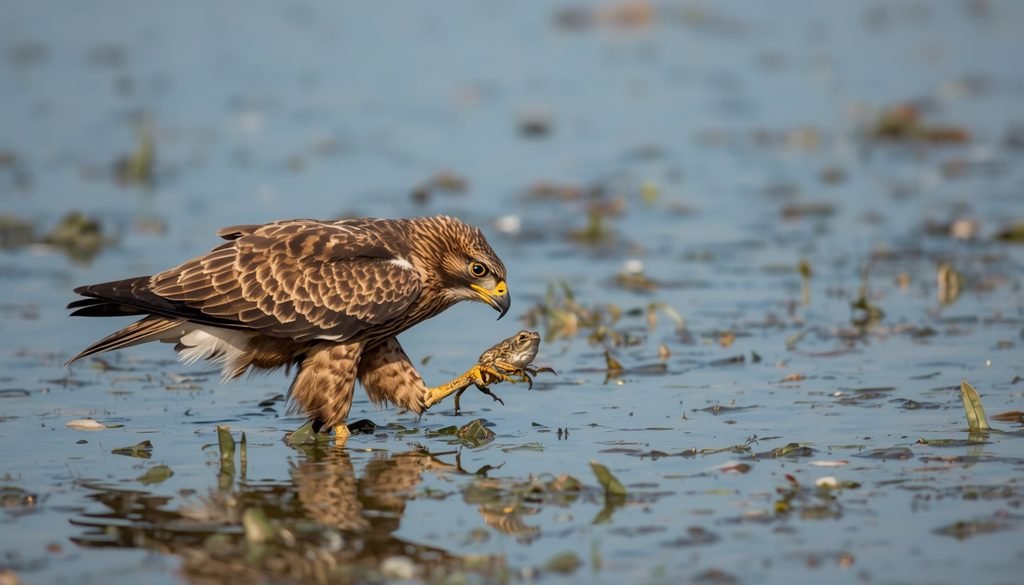
Some hawks take frogs when the opportunity arises. Their sharp eyesight helps them detect prey from above, while strong feet and talons allow them to capture small animals. Hawks are documented predators of leopard frogs, although frogs are only one possible prey item and are not important to every hawk species.
Interesting Fact: A hawk’s broad field of view helps it scan open habitats for movement.
14. Other Frogs
Scientific Name: Varies by species
Class: Amphibia
Diet: Carnivore or omnivore, depending on species and life stage
Habitat: Ponds, wetlands, forests, streams, and grasslands
Some frogs eat other frogs. This behavior is known as frog cannibalism and is especially possible when larger frogs encounter smaller frogs, froglets, or tadpoles. American bullfrogs, for example, are documented eating frogs and tadpoles, while some other large frog species also consume smaller amphibians.
Interesting Fact: Frog cannibalism can be influenced by body size, food availability, and species-specific behavior.
15. Freshwater Eels
Scientific Name: Anguilla rostrata (representative species)
Class: Actinopterygii
Diet: Carnivore
Habitat: Rivers, streams, lakes, ponds, and coastal freshwater systems
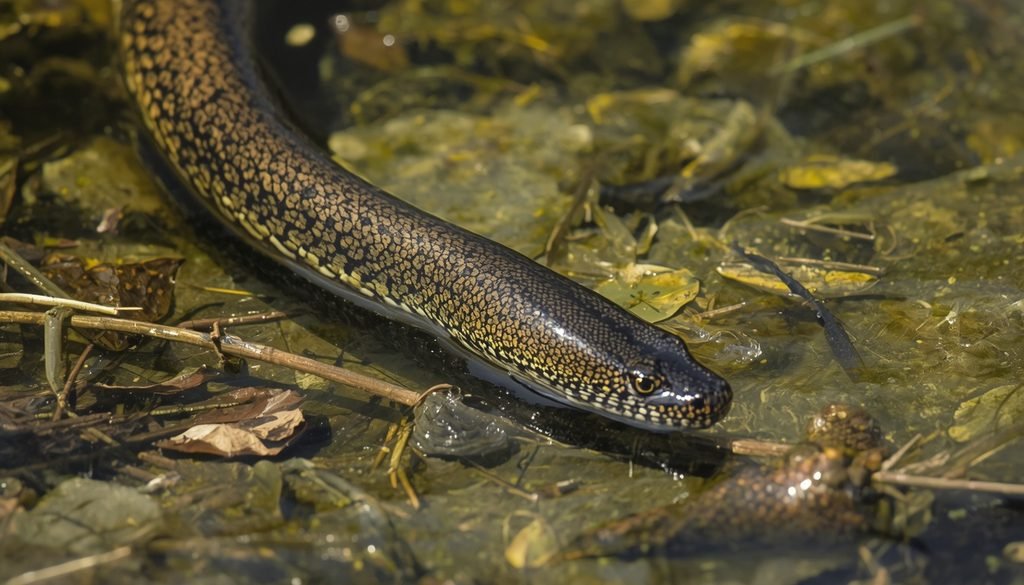
Freshwater eels are flexible aquatic predators. Their long bodies allow them to explore underwater spaces, vegetation, and muddy habitats while searching for prey. Amphibians may be taken where eels and frogs overlap, although frogs are not a universal or primary food source for every eel species.
Interesting Fact: Freshwater eels can hide in vegetation, rocks, mud, or submerged structures while waiting for prey.
16. Crows
Scientific Name: Corvus brachyrhynchos
Class: Aves
Diet: Omnivore
Habitat: Forests, wetlands, farmland, grasslands, and cities
Crows are highly adaptable omnivores that investigate many potential food sources. Frogs can become prey when crows find them in suitable habitats. Crows are documented predators of green frogs, and their intelligence and flexible feeding behavior allow them to exploit seasonal food opportunities.
Interesting Fact: Crows can adjust their feeding behavior to different environments and available food.
17. Coyotes
Scientific Name: Canis latrans
Class: Mammalia
Diet: Omnivore
Habitat: Grasslands, forests, wetlands, deserts, and urban edges
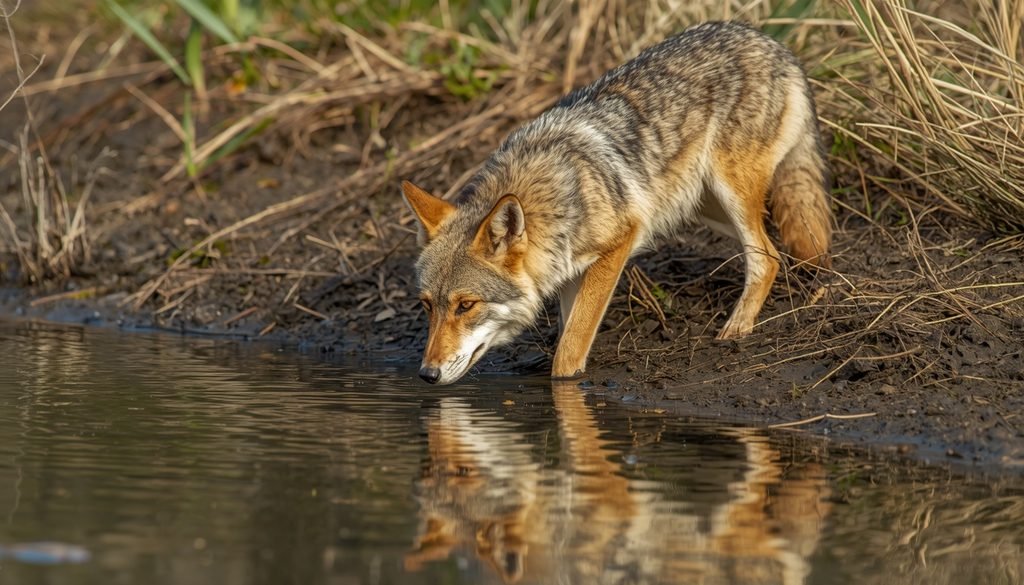
Coyotes are highly adaptable predators and scavengers with broad diets. In some habitats, amphibians can become part of their food intake. Coyotes have been recorded among predators of Columbia spotted frogs, showing that terrestrial mammals can also participate in frog food webs.
Interesting Fact: Coyotes can exploit very different habitats, from natural wetlands to landscapes modified by people.
18. Salamanders
Scientific Name: Ambystoma tigrinum (representative species)
Class: Amphibia
Diet: Carnivore
Habitat: Ponds, wetlands, forests, grasslands, and freshwater habitats
Some larger salamanders can prey on frog eggs, tadpoles, young frogs, and occasionally small frogs. Tiger salamander larvae, for example, can prey on tadpoles of other amphibians. This creates competition and predation within amphibian communities rather than separating frogs and salamanders into completely different food webs.
Interesting Fact: Amphibian food webs can include predators that change diets as they grow.
How Do Frogs Defend Themselves From Predators?
Frogs have developed several ways to avoid becoming food. Camouflage is one of the most common. Many frogs blend into leaves, mud, vegetation, bark, or water, making them harder to detect.
Their powerful hind legs also allow many species to make sudden jumps and escape toward vegetation or water. Some frogs produce unpleasant or toxic skin chemicals, while brightly colored species may warn predators that they are dangerous to eat. However, not every colorful frog is toxic, and not every frog has chemical defenses.
Frogs may also freeze, remain motionless, hide in vegetation, or dive into water when threatened. Northern green frogs, for example, can use camouflage and sudden escape behavior to reduce the chance of capture.
Why Do So Many Animals Eat Frogs?
Frogs are widespread in many freshwater and terrestrial ecosystems, making them accessible prey for a variety of predators. They often live close to ponds, streams, marshes, forests, and other productive habitats where many predators also search for food.
Their movement between water and land also connects different parts of a food web. A frog may feed on insects on land but become prey for a fish in water, a snake near the shoreline, or a bird hunting in a marsh.
Frog eggs and tadpoles create additional opportunities for aquatic predators. This means frog predation can occur at several stages of the amphibian life cycle.
Read More: 18 Chubby Animals
Final Thoughts
Frogs are much more than small pond animals. They are an important food source for predators across freshwater, wetland, forest, and grassland ecosystems. The animals that eat frogs include snakes, birds, mammals, reptiles, fish, and even other amphibians.
However, frog predators vary by species and location. A predator that regularly eats frogs in one ecosystem may rarely encounter them in another. Understanding these predator-prey relationships helps us see how frogs connect different parts of a food web and why amphibians are important members of healthy ecosystems.
FAQs
What animal eats a frog?
Many animals eat frogs, including snakes, herons, raccoons, turtles, otters, fish, foxes, hawks, alligators, and some other frogs. The exact predators depend on the frog species, its size, life stage, and habitat.
What are the main predators of frogs?
Common frog predators include snakes, birds, fish, turtles, mammals, and larger amphibians. Herons, water snakes, raccoons, bass, snapping turtles, otters, and other frogs are documented predators of several frog species.
What birds eat frogs?
Several bird species can eat frogs, including herons, some cranes, hawks, owls, and crows. Their diets vary by species and habitat, so frogs are usually one possible prey item rather than the main food for every bird.
Do snakes eat frogs?
Yes. Some snakes, particularly water snakes and garter snakes, eat frogs. They often live around ponds, streams, marshes, and other habitats where frogs are common.
Do frogs eat other frogs?
Yes. Some larger frogs eat smaller frogs, tadpoles, or froglets. This behavior is called cannibalism. American bullfrogs, for example, are documented eating frogs and tadpoles, although the behavior varies between species and situations.
What eats frogs in a pond?
Pond frog predators can include water snakes, herons, snapping turtles, bass, raccoons, otters, larger frogs, and some other animals. Tadpoles and eggs also face different aquatic predators than adult frogs.
What eats frogs at night?
Nocturnal predators can include some snakes, raccoons, owls, and other nighttime hunters. The exact predators depend on the habitat and frog species. Nighttime activity can make some frogs vulnerable to predators that hunt using hearing, smell, or low-light vision.
What do you call an animal that eats frogs?
An animal that eats frogs can simply be called a frog predator or a predator of frogs. There is no special scientific name specifically for an animal that eats frogs. Different frog predators belong to many unrelated animal groups.

One thought on “18 Animals That Eat Frogs: Surprising Frog Predators”