
Introduction
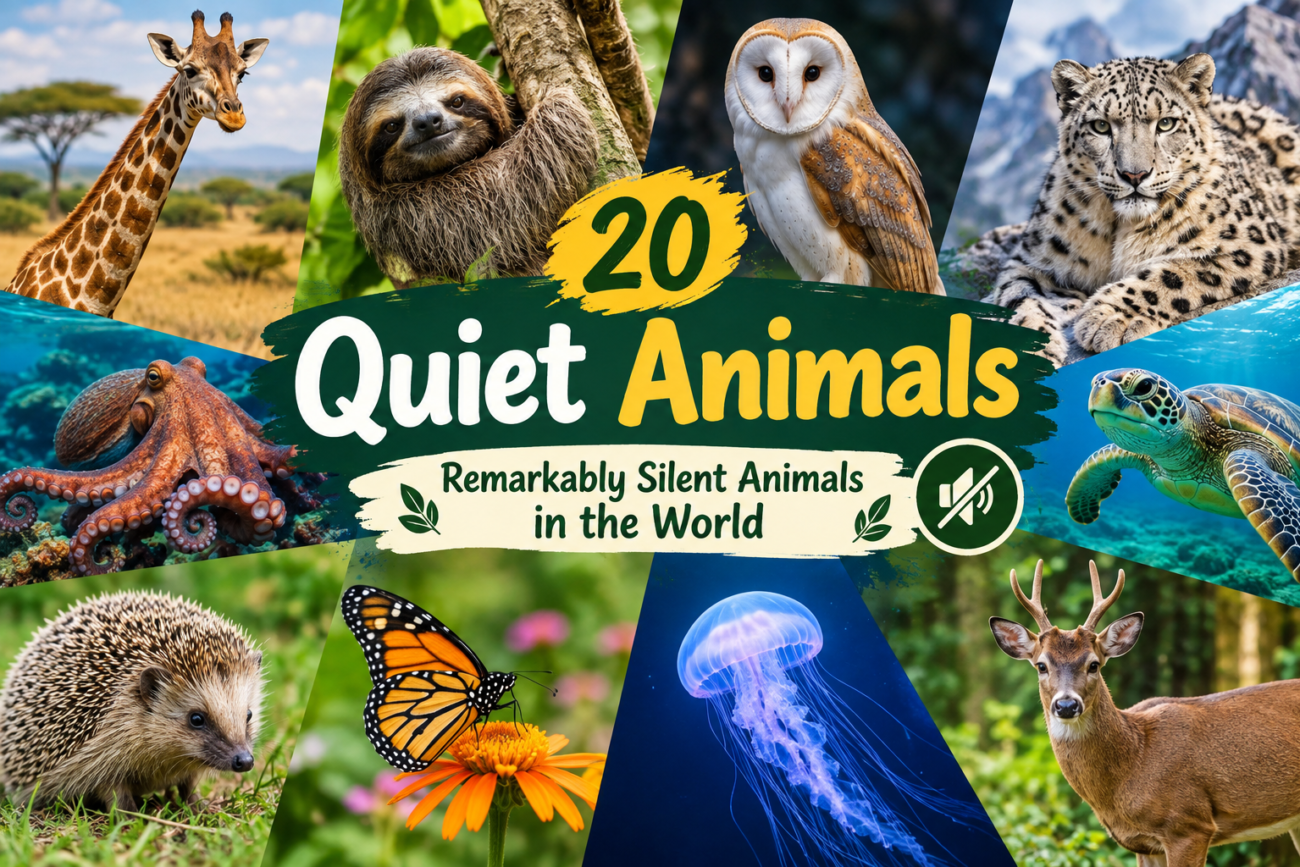
Some animals seem almost invisible because they move, hunt, and live without making much noticeable noise. From a giraffe quietly crossing an African savanna to a sloth resting high in a rainforest tree, the animal kingdom has many fascinating examples of quiet behavior.
But what makes an animal quiet? It does not always mean completely silent. Some animals rarely vocalize, while others rely on body language, scent, color changes, vibrations, or stealth instead of obvious sounds. Even animals famous for being quiet can produce sounds in certain situations.
In this guide, we explore 20 quiet animals and explain their scientific names, diets, habitats, and the adaptations that help them stay relatively quiet. Understanding these animals also shows how differently species communicate and survive in their environments.
What Are Quiet Animals?
Quiet animals are species that produce relatively little noticeable sound during normal activities or rely heavily on non-vocal communication and stealth. Some may vocalize only occasionally, while others use visual signals, chemical communication, touch, or movement instead.
There is no universally accepted scientific ranking of the “quietest animal in the world.” Quietness depends on the species, behavior, environment, and situation.
Quick Comparison of 20 Quiet Animals
| Animal | Scientific Name | Class | Diet | Why It Is Quiet |
| Giraffe | Giraffa camelopardalis | Mammalia | Herbivore | Quiet movement and subtle communication |
| Sloth | Choloepus hoffmanni | Mammalia | Herbivore | Slow, mostly silent lifestyle |
| Rabbit | Oryctolagus cuniculus | Mammalia | Herbivore | Relies heavily on body signals |
| Octopus | Octopus vulgaris | Cephalopoda | Carnivore | Solitary and non-vocal communication |
| Jellyfish | Aurelia aurita | Scyphozoa | Carnivore | Simple nervous system and no vocal calls |
| Snow Leopard | Panthera uncia | Mammalia | Carnivore | Stealthy hunting |
| Owl | Tyto alba | Aves | Carnivore | Specialized silent flight |
| Snake | Python regius | Reptilia | Carnivore | Limited vocal communication |
| Starfish | Asterias rubens | Asteroidea | Carnivore | No vocal communication |
| Snail | Cornu aspersum | Gastropoda | Herbivore | Slow, low-noise movement |
| Butterfly | Danaus plexippus | Insecta | Herbivore | Silent flight |
| Hedgehog | Erinaceus europaeus | Mammalia | Omnivore | Mostly quiet foraging |
| Manatee | Trichechus manatus | Mammalia | Herbivore | Gentle movement |
| Turtle | Chelonia mydas | Reptilia | Herbivore | Quiet underwater movement |
| Deer | Odocoileus virginianus | Mammalia | Herbivore | Quiet movement and alertness |
| Koala | Phascolarctos cinereus | Mammalia | Herbivore | Low-energy lifestyle |
| Shark | Carcharodon carcharias | Chondrichthyes | Carnivore | No typical vocal calls |
| Lizard | Anolis carolinensis | Reptilia | Omnivore | Visual communication |
| Sea Cucumber | Holothuria scabra | Holothuroidea | Detritivore | Slow, quiet movement |
| Spider | Araneus diadematus | Arachnida | Carnivore | Relies on webs and vibrations |
1. Giraffe
Scientific Name: Giraffa camelopardalis
Class: Mammalia
Diet: Herbivore
Habitat: African savannas and woodlands
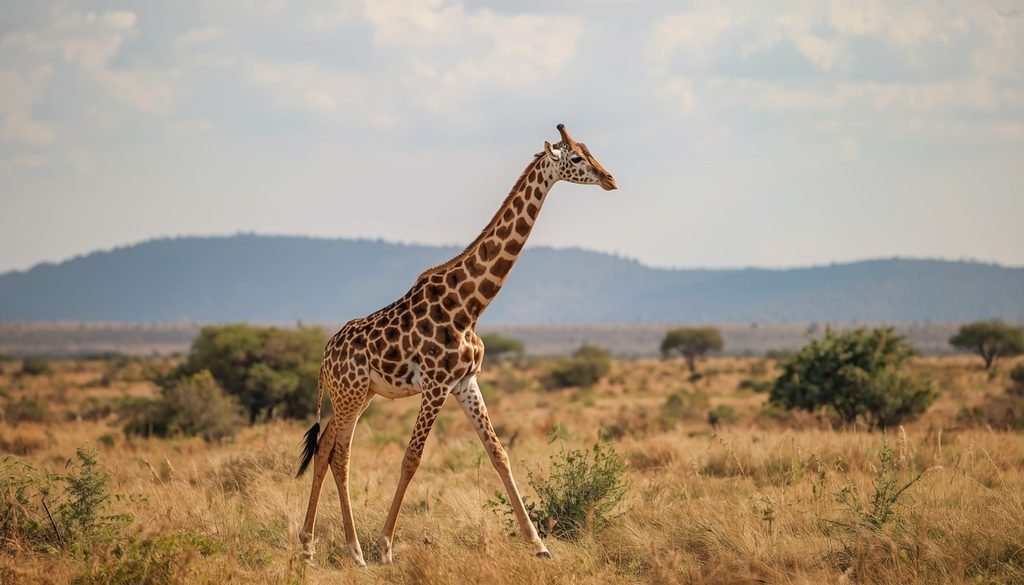
Giraffes are often included among quiet animals because they can move surprisingly quietly despite their huge size. Their long legs allow them to walk smoothly across grassland. They do communicate through body language and sounds, including low-frequency vocalizations, so they are not completely silent.
Why are giraffes quiet? Their peaceful movement and relatively subtle communication can make them difficult to notice from a distance.
2. Sloth
Scientific Name: Choloepus hoffmanni
Class: Mammalia
Diet: Mainly leaves and plant material
Habitat: Tropical forests
Sloths are famous for their slow movements and calm lifestyle. They spend much of their time in trees and conserve energy through a slow metabolism. Smithsonian’s National Zoo describes two-toed sloths as mostly silent, although they can hiss or make low cries when distressed.
3. Rabbit
Scientific Name: Oryctolagus cuniculus
Class: Mammalia
Diet: Herbivore
Habitat: Grasslands, fields, forests, and scrublands
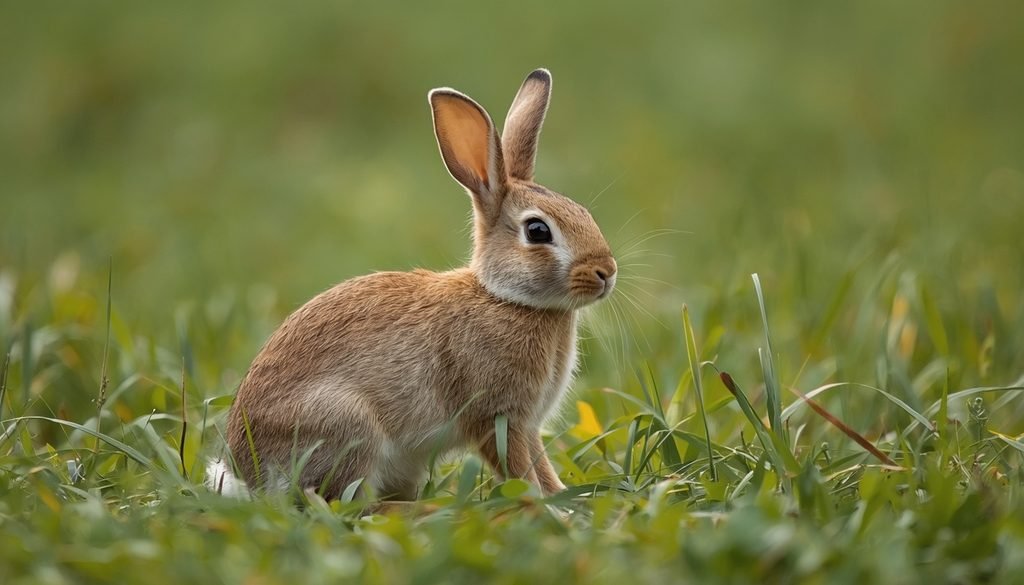
Rabbits are generally quiet animals that use posture, ear position, scent, and movement to communicate. They may make sounds when frightened, excited, or distressed, but normal feeding and resting often happen quietly.
Why are rabbits quiet? Staying inconspicuous can be useful for a small prey animal that must remain alert to predators.
4. Octopus
Scientific Name: Octopus vulgaris
Class: Cephalopoda
Diet: Carnivore
Habitat: Coastal marine environments
Octopuses are fascinating quiet creatures. They do not communicate through obvious vocal calls like many mammals and birds. Instead, they can use color and body changes to communicate or warn predators. Giant Pacific octopuses, for example, are intelligent and can learn and solve problems.
5. Jellyfish
Scientific Name: Aurelia aurita
Class: Scyphozoa
Diet: Small plankton and other tiny marine organisms
Habitat: Marine waters
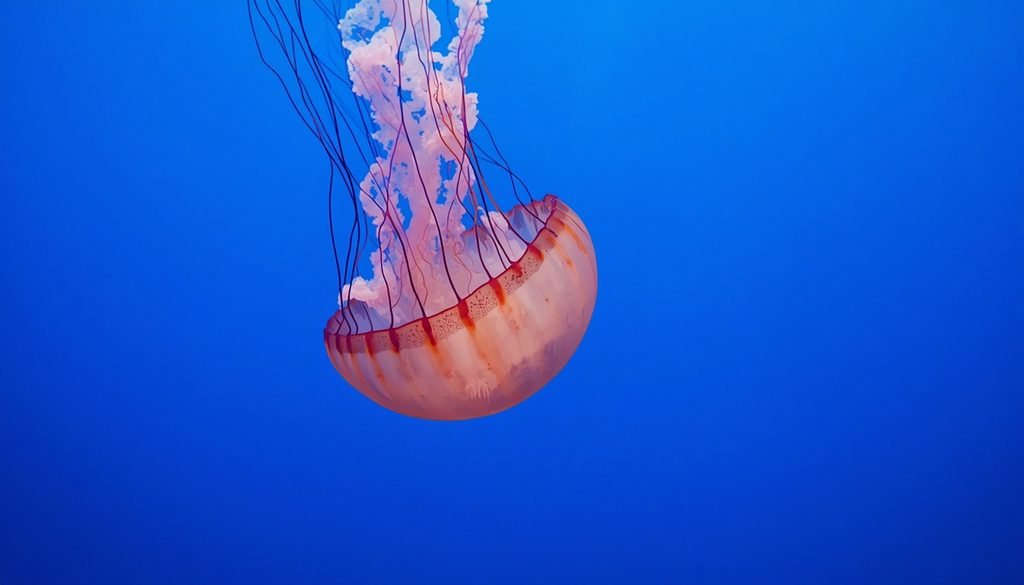
Jellyfish drift through the ocean without a centralized brain or voice-producing system. NOAA notes that jellyfish have a simple nerve net that helps them detect light, smells, and other stimuli.
Why are jellyfish quiet? Their drifting lifestyle and simple nervous system do not require the kind of vocal communication seen in many vertebrates.
6. Snow Leopard
Scientific Name: Panthera uncia
Class: Mammalia
Diet: Carnivore
Habitat: High mountains of Central and Central Asia
The snow leopard is a master of stealth. Its thick coat blends into rocky mountain environments, while its careful movements help it approach prey without attracting attention.
Why is it quiet? Silent or cautious movement is valuable to a predator that depends on surprise.
7. Owl
Scientific Name: Tyto alba
Class: Aves
Diet: Carnivore
Habitat: Grasslands, farms, forests, and open woodland
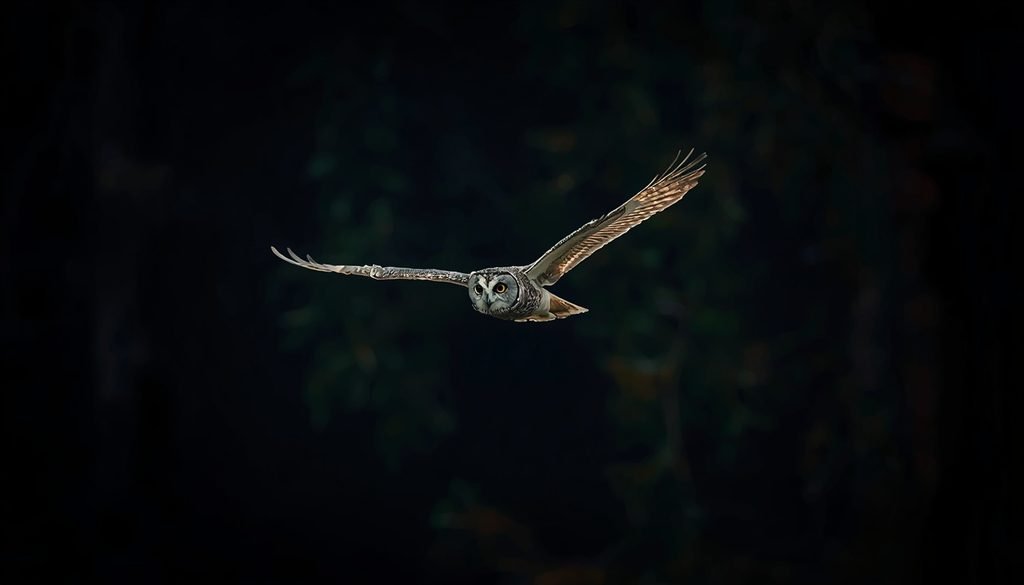
Owls are among the best-known quiet hunters. Their specialized feathers help reduce turbulence and noise during flight. Smithsonian sources describe owl adaptations that suppress wing noise, allowing them to approach prey with remarkable stealth.
Owls are not silent animals all the time; they communicate with calls and other sounds.
8. Snake
Scientific Name: Python regius
Class: Reptilia
Diet: Carnivore
Habitat: Grasslands, forests, and savannas
Snakes are generally quiet animals because they have limited vocal communication compared with mammals and birds. Many species depend on body movement, chemical cues, and visual signals.
Their ability to move without obvious footsteps also makes them exceptionally stealthy predators.
9. Starfish
Scientific Name: Asterias rubens
Class: Asteroidea
Diet: Carnivore and scavenger
Habitat: Marine seafloors
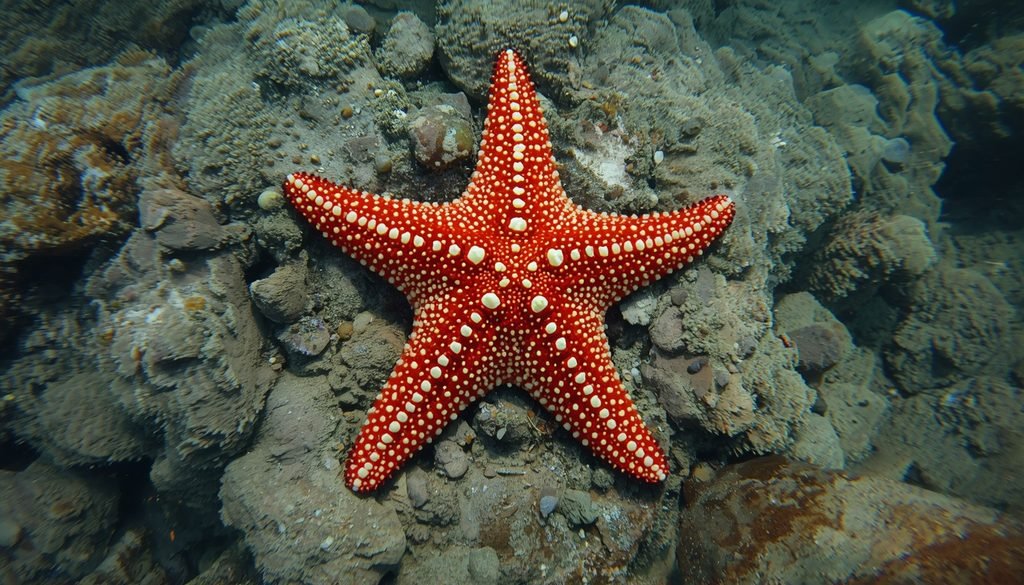
Starfish, also called sea stars, do not make vocal calls. They move slowly using hundreds of tiny tube feet and interact with their environment through sensory systems rather than audible communication.
Why are starfish quiet? Their slow lifestyle and lack of vocal communication make them extremely low-noise marine animals.
10. Snail
Scientific Name: Cornu aspersum
Class: Gastropoda
Diet: Herbivore
Habitat: Gardens, forests, fields, and moist habitats
Snails move slowly using muscular contractions of their foot. Their movement creates almost no noticeable sound, and they do not depend on vocal calls for communication.
Why are snails quiet? Their slow pace and simple communication methods make them among the least noticeable animals around us.
11. Butterfly
Scientific Name: Danaus plexippus
Class: Insecta
Diet: Nectar as an adult; caterpillars feed on milkweed
Habitat: Meadows, gardens, forests, and open areas
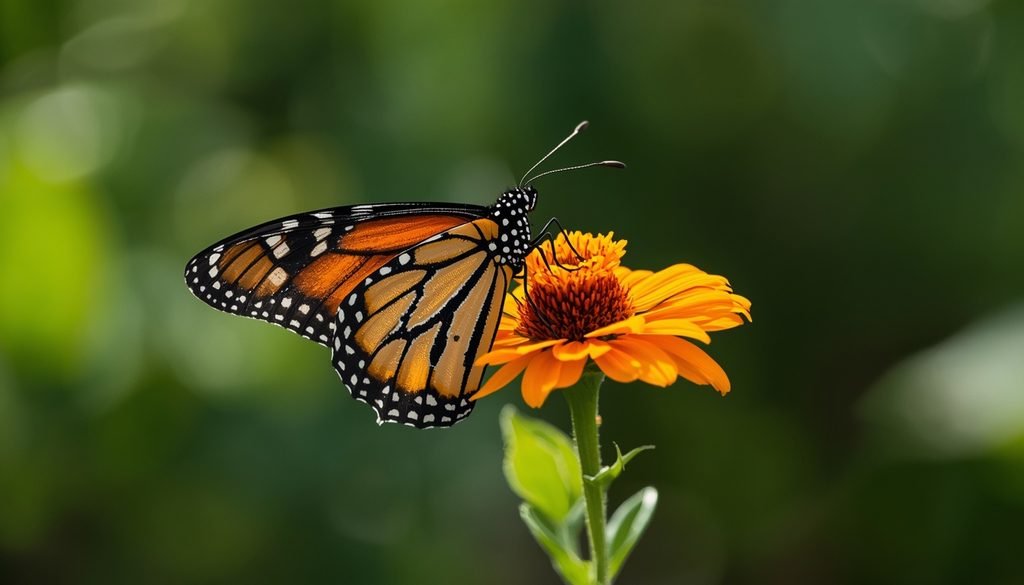
Butterflies are famous for colorful wings rather than loud calls. Their flight is generally quiet to human ears, and much of their communication involves visual displays, chemical signals, and behavior.
12. Hedgehog
Scientific Name: Erinaceus europaeus
Class: Mammalia
Diet: Omnivore
Habitat: Gardens, woodland edges, grasslands, and hedgerows
Hedgehogs are mostly nocturnal and often forage quietly at night. They can make huffing, snuffling, and other sounds, especially while searching for food or interacting with other hedgehogs.
Why are they considered quiet? Their nighttime lifestyle and small size make them relatively difficult to notice.
13. Manatee
Scientific Name: Trichechus manatus
Class: Mammalia
Diet: Herbivore
Habitat: Warm coastal waters, rivers, and estuaries
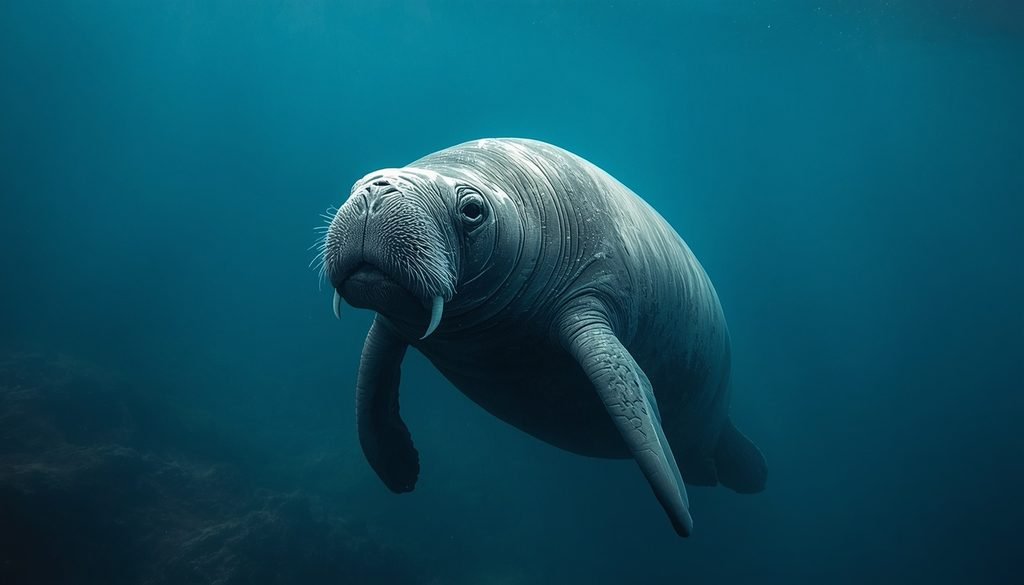
Manatees are gentle aquatic mammals that move slowly through shallow water while feeding on aquatic vegetation. They can communicate using sounds, but their calm movements can make them seem exceptionally quiet.
14. Turtle
Scientific Name: Chelonia mydas
Class: Reptilia
Diet: Mainly herbivorous as adults
Habitat: Tropical and subtropical oceans
Sea turtles glide through water with smooth movements and generally do not produce obvious sounds during everyday swimming. Their quiet appearance is partly due to the underwater environment and their slow, efficient movement.
15. Deer
Scientific Name: Odocoileus virginianus
Class: Mammalia
Diet: Herbivore
Habitat: Forests, grasslands, and woodland edges
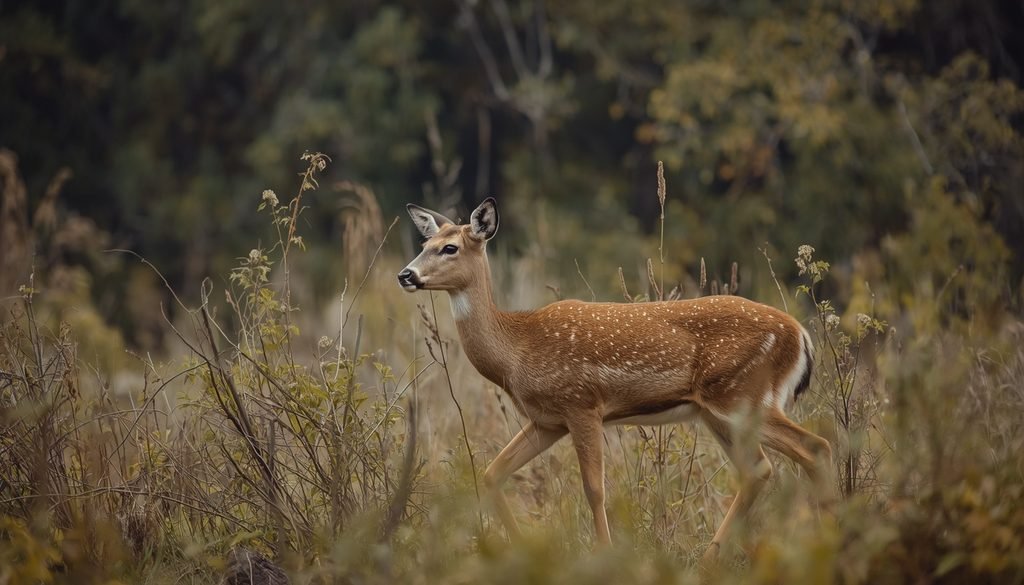
Deer can move remarkably quietly through vegetation. Their cautious behavior helps them detect danger while avoiding unnecessary attention.
They do communicate with sounds, scents, and body signals, especially when alarmed or interacting socially.
16. Koala
Scientific Name: Phascolarctos cinereus
Class: Mammalia
Diet: Eucalyptus leaves
Habitat: Eucalyptus forests and woodlands of Australia
Koalas spend much of their lives resting in trees and have a specialized, low-energy lifestyle. They are not always silent; males can produce surprisingly deep bellows. Still, their long periods of resting make them appear calm and quiet.
17. Shark
Scientific Name: Carcharodon carcharias
Class: Chondrichthyes
Diet: Carnivore
Habitat: Marine waters
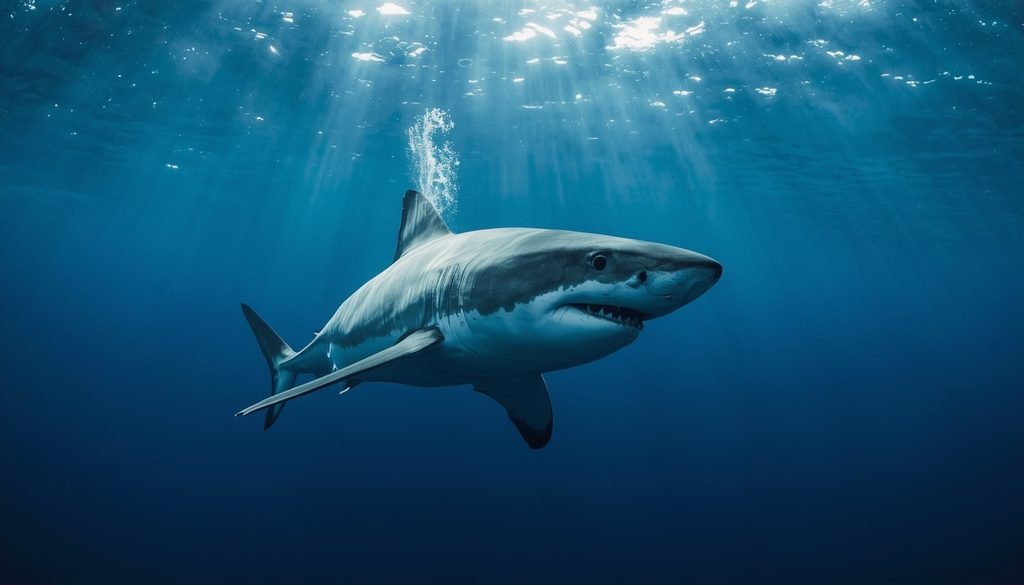
Sharks are often described as quiet animals because they do not have the vocal communication systems associated with many terrestrial animals. They use body movements and sensory systems to interact with their environment.
Underwater, however, sound is extremely important to many marine species, so “quiet” does not mean sharks exist in a soundless world.
18. Lizard
Scientific Name: Anolis carolinensis
Class: Reptilia
Diet: Insectivore/Omnivore
Habitat: Forests, shrubs, gardens, and woodland edges
Many lizards communicate more through visual displays than loud vocalizations. Anoles, for example, use body posture and colorful throat displays to communicate with other individuals.
Why are lizards quiet? Visual communication can work effectively without producing obvious sounds.
19. Sea Cucumber
Scientific Name: Holothuria scabra
Class: Holothuroidea
Diet: Detritivore
Habitat: Sandy and muddy marine seafloors
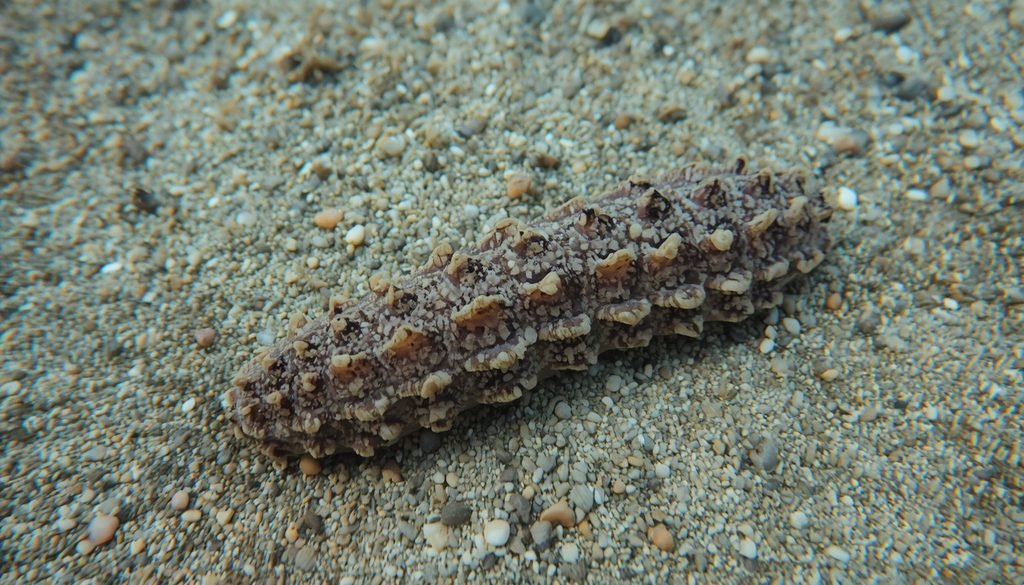
Sea cucumbers slowly crawl across the seafloor while consuming organic particles and sediments. Their lifestyle involves little obvious movement or sound.
Why are sea cucumbers quiet? They do not rely on loud vocal communication and spend much of their time slowly feeding on the ocean floor.
20. Spider
Scientific Name: Araneus diadematus
Class: Arachnida
Diet: Carnivore
Habitat: Gardens, forests, grasslands, and urban green spaces
Spiders are extremely quiet predators. Many species wait patiently in webs rather than chasing prey. Instead of relying on sound, web vibrations can provide important information about what has touched the web.
Why are spiders quiet? Their hunting strategy depends on patience, camouflage, and vibration detection rather than loud communication.
Why Are Some Animals So Quiet?
Animals can be quiet for many different biological reasons. Predators may benefit from stealth because making noise can warn prey. Prey animals may also avoid unnecessary sounds that could attract predators.
Some species have evolved excellent camouflage and slow movement. Others communicate mainly through scent, body language, color, touch, or vibrations. For certain animals, vocal communication simply is not their primary way of interacting.
Quiet behavior can therefore be an adaptation connected to feeding, reproduction, defense, communication, or survival.
How Do Quiet Animals Communicate?
Being quiet does not mean an animal cannot communicate. Animals use many forms of communication that humans may not notice.
These include body language, scent marking, chemical signals, touch, color changes, vibrations, posture, movement, and low-frequency or ultrasonic sounds.
Octopuses can use changes in color and appearance as signals, while spiders can detect vibrations through their webs. Many marine animals also depend heavily on sound because underwater sound can carry efficiently over long distances.
Are Quiet Animals Completely Silent?
No. Most animals described as quiet are not completely silent.
A quiet animal may make sounds during mating, territorial behavior, defense, stress, or communication with offspring. Owls, for example, are famous for silent flight, but they still make calls. Sloths are mostly silent but can hiss or produce low cries when distressed.
Therefore, quiet is a better description than completely silent for many species.
Read More: 16 Anxious Animals in the World
Frequently Asked Questions
What is the quietest animal in the world?
There is no universally accepted scientific ranking for the quietest animal. Animals such as jellyfish, starfish, snails, sea cucumbers, and many insects produce little noticeable sound, while some mammals and birds can also behave very quietly.
What animal is quiet but smart?
The octopus is an excellent example. Although it is generally not a loud animal, octopuses can display impressive learning and problem-solving abilities. Giant Pacific octopuses have been observed solving puzzles and learning tasks.
What animal makes the least noise?
Animals without vocal communication, including many jellyfish and echinoderms, produce little or no sound that humans associate with animal calls. However, “least noise” is difficult to measure across completely different species and environments.
Why are giraffes considered quiet animals?
Giraffes can move calmly and quietly across grasslands and do not rely on loud calls for everyday communication. They can still communicate using sounds and other signals, so they should not be described as completely silent.
Do quiet animals communicate?
Yes. Quiet animals can communicate through body language, scent, touch, visual displays, chemical signals, vibrations, and subtle sounds. Silence is often only one part of their communication strategy.
Are owls completely silent?
No. Owls make calls and other sounds. They are considered quiet mainly because their specialized feathers allow them to fly with very little noise while hunting.
Are snakes silent animals?
Snakes are generally quiet compared with many vocal mammals and birds, but some species can hiss or make other sounds. They also rely heavily on chemical, visual, and physical signals.
How We Research Animal Facts
Animalfacthubz aims to present animal information using reliable zoological and wildlife references. Scientific names, behavior, diet, habitat, and communication claims should be checked against reputable sources such as zoological institutions, universities, government wildlife agencies, conservation organizations, and peer-reviewed research.0
Final Thoughts
Quiet animals show that communication and survival do not always require loud calls or dramatic behavior. From the stealthy snow leopard and silent-flying owl to the slow sloth and drifting jellyfish, different species have developed different ways to remain unnoticed.
Some use camouflage, some rely on body language or chemical signals, and others simply move through their environment with very little noticeable noise. Studying Quiet Animals also reminds us that silence is not the same as inactivity. Even the quietest-looking creatures can have complex behaviors and fascinating survival strategies.
Explore more animal facts on Animalfacthubz.com to discover how different species adapt to life in their unique environments.

One thought on “Quiet Animals: 20 Remarkably Silent Animals in the World”