
Introduction
The animal kingdom is full of creatures that can look frightening, behave unpredictably, or possess remarkable defenses. From enormous crocodiles and powerful big cats to venomous snakes and bizarre deep-sea animals, the scariest animals come in many forms.
But looking scary does not always mean being dangerous. Some animals frighten people because of their unusual faces, strange body shapes, sharp teeth, or mysterious behavior, while others can genuinely pose risks because of venom, physical strength, or defensive instincts.
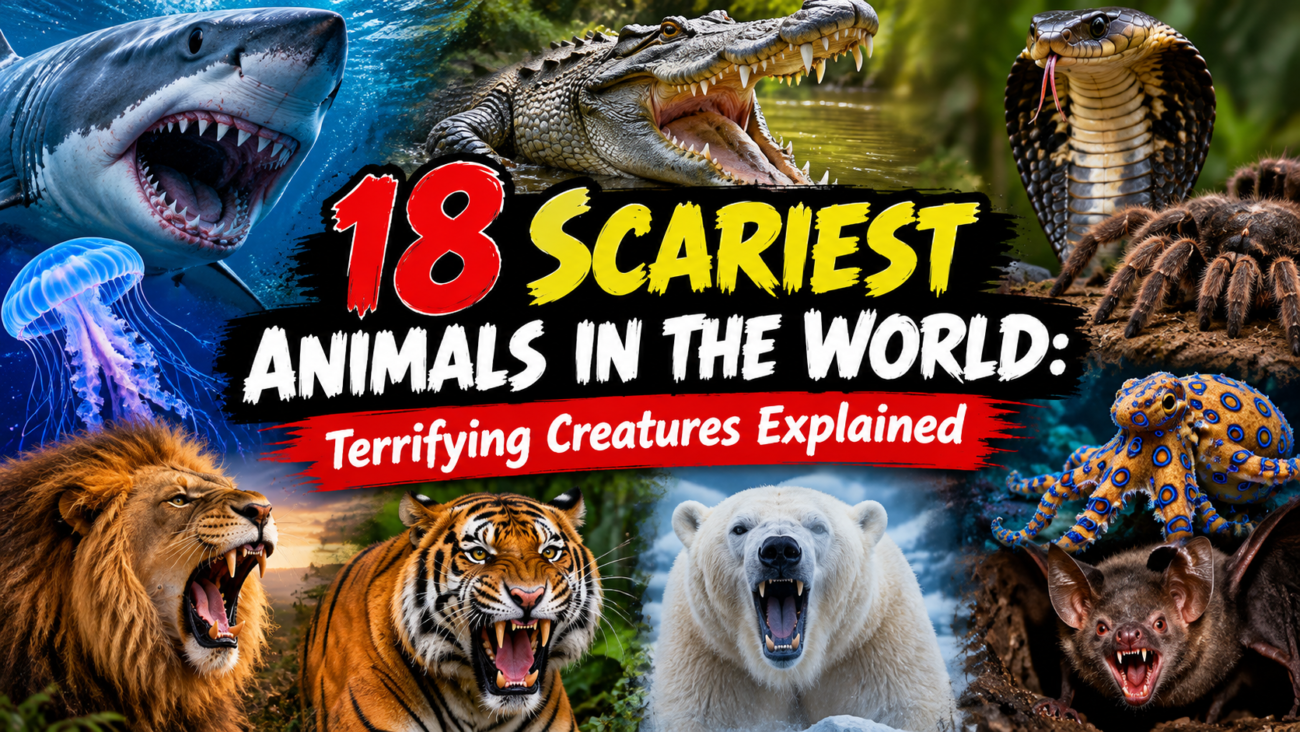
In this guide, we explore 18 scary animals from different habitats around the world. You’ll learn their scientific names, classes, diets, habitats, unusual adaptations, and the reasons people often find them intimidating.
Quick Answer: What Are the Scariest Animals?
There is no official scientific ranking of the scariest animal because fear is subjective. However, animals such as the saltwater crocodile, great white shark, king cobra, black mamba, box jellyfish, hippopotamus, Komodo dragon, goblin shark, and blue-ringed octopus are commonly perceived as frightening because of their appearance, venom, size, teeth, hunting abilities, or defensive adaptations.
1. Saltwater Crocodile
Scientific Name: Crocodylus porosus
Class: Reptilia
Diet: Carnivore
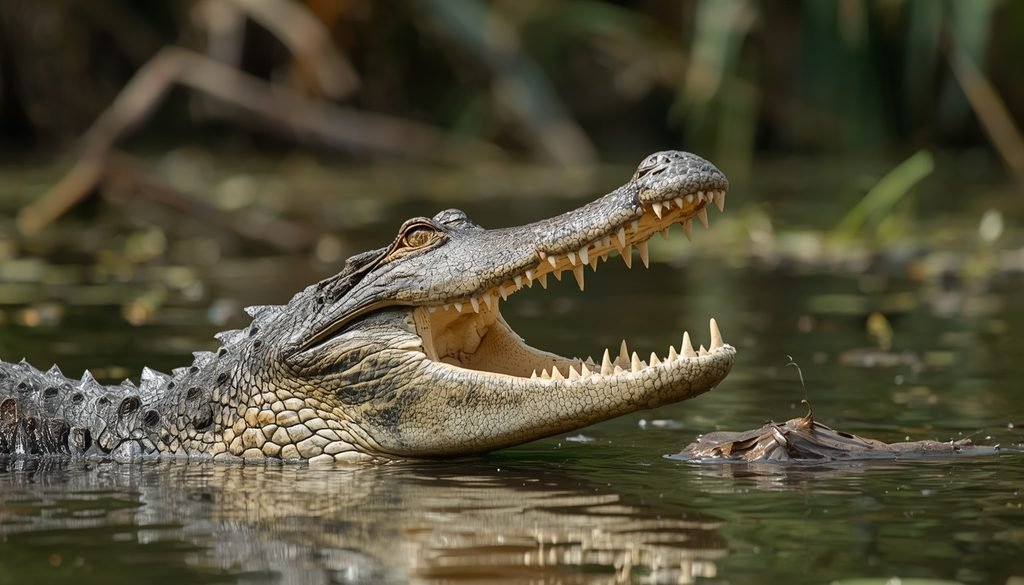
The saltwater crocodile is one of the largest living reptiles and one of the most intimidating animals found in tropical wetlands, estuaries, rivers, and coastal areas. Its broad head, powerful jaws, armored body, and rows of teeth create a classic scary-animal appearance.
It is an ambush predator that can remain almost completely hidden in water before striking prey. Its ability to move between freshwater and marine environments makes it especially adaptable.
Why it looks scary: Huge jaws, visible teeth, armored skin, and a low-profile ambush posture.
2. Great White Shark
Scientific Name: Carcharodon carcharias
Class: Chondrichthyes
Diet: Carnivore
The great white shark is among the most recognizable scary ocean animals. Its torpedo-shaped body, dark dorsal surface, pale underside, and triangular serrated teeth contribute to its frightening reputation.
Despite popular portrayals, great white sharks are not simply “bloodthirsty killers.” They are important marine predators that influence food webs and help maintain ecological balance.
Why it looks scary: Large size, rows of serrated teeth, powerful jaws, and its reputation as an apex marine predator.
3. King Cobra
Scientific Name: Ophiophagus hannah
Class: Reptilia
Diet: Carnivore
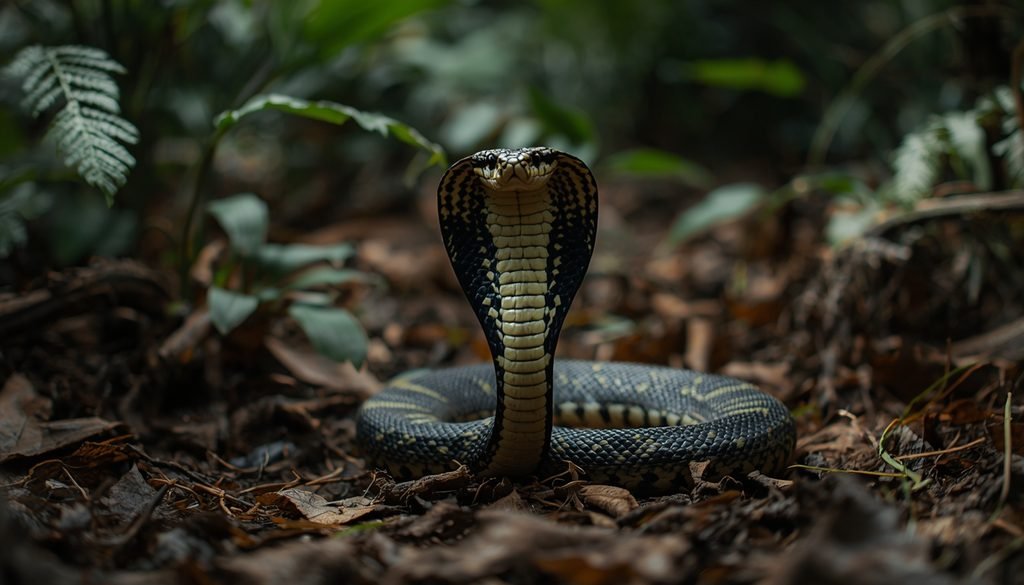
The king cobra is one of the world’s most impressive venomous snakes. Its long body, hood display, fixed stare, and ability to raise the front portion of its body make it particularly intimidating.
It is specialized for eating other snakes, although its diet can include other vertebrate prey. Like many snakes, it generally prefers avoiding unnecessary confrontation.
Why it looks scary: Large size, hood display, elongated body, and venomous bite.
4. Black Mamba
Scientific Name: Dendroaspis polylepis
Class: Reptilia
Diet: Carnivore
The black mamba has a reputation that makes it one of the most feared snakes in Africa. Its long, slender body and dark interior mouth can create a particularly unsettling appearance.
Its venom contains potent neurotoxins, making bites medically serious. However, the snake is not simply an aggressive hunter of people and generally benefits from avoiding threats when possible.
Why it looks scary: Long body, rapid defensive movements, dark mouth, and potent venom.
5. Box Jellyfish
Scientific Name: Class Cubozoa
Class: Cubozoa
Diet: Carnivore
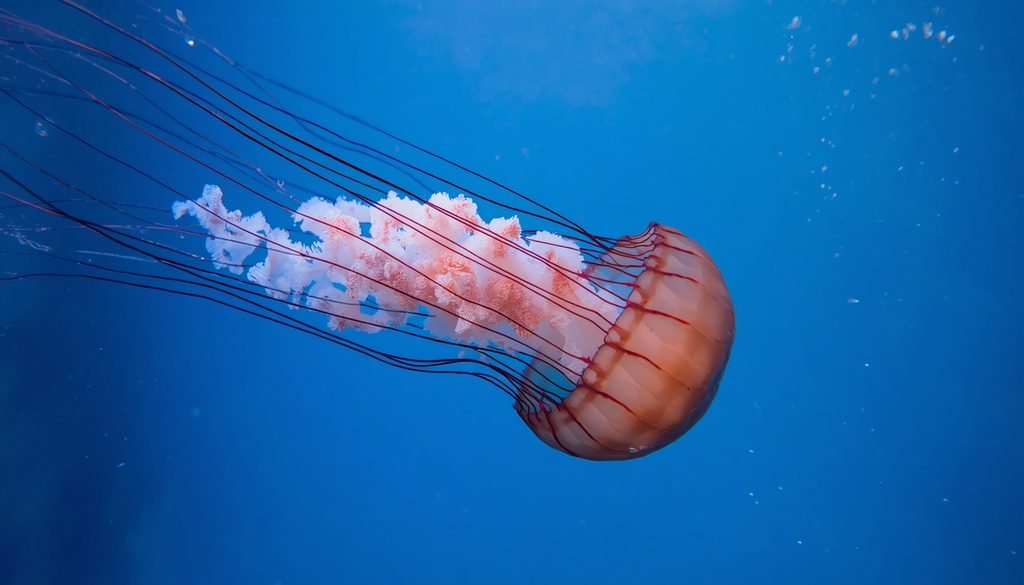
Box jellyfish are among the most frightening sea creatures because their transparent bodies can make them difficult to notice in the water. Their tentacles contain specialized stinging cells called nematocysts.
Not every box jellyfish species presents the same level of danger, but some species are medically significant. Their ability to move actively through coastal waters also distinguishes them from many other jellyfish.
Why it looks scary: Nearly transparent body, long tentacles, and powerful stinging cells.
6. Nile Crocodile
Scientific Name: Crocodylus niloticus
Class: Reptilia
Diet: Carnivore
The Nile crocodile is a powerful African reptile associated with rivers, lakes, wetlands, and other freshwater habitats. Its heavily armored body and enormous jaws make it one of the most intimidating freshwater predators.
It relies heavily on stealth, waiting patiently before launching an ambush. Young crocodiles eat smaller prey, while larger individuals can tackle substantially larger animals.
Why it looks scary: Massive jaws, conical teeth, armored skin, and ambush behavior.
7. Hippopotamus
Scientific Name: Hippopotamus amphibius
Class: Mammalia
Diet: Herbivore
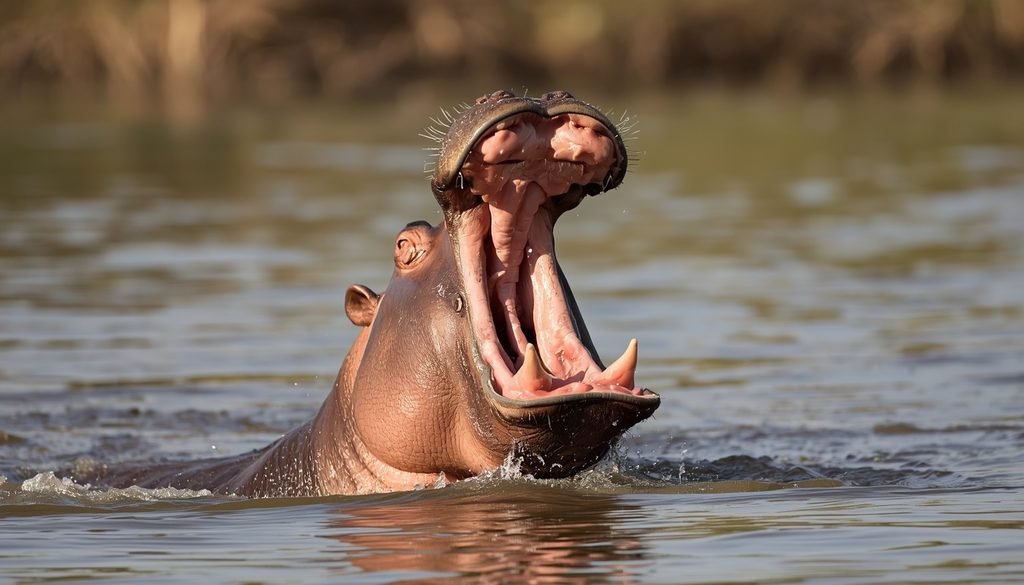
The hippopotamus may look slow and harmless, but its enormous body, huge mouth, large canine teeth, and territorial behavior can make it highly intimidating.
Hippos spend much of their time in and around water and can become defensive when they perceive a threat. Their scary appearance is therefore supported by powerful physical adaptations, even though they are herbivores.
Why it looks scary: Huge mouth, large teeth, muscular body, and territorial behavior.
8. Lion
Scientific Name: Panthera leo
Class: Mammalia
Diet: Carnivore
The lion is one of the most famous large predators on Earth. Its muscular body, powerful jaws, claws, and deep roar naturally contribute to its intimidating image.
Lions are social cats that live in groups called prides. Females commonly perform much of the hunting, while males may defend territories and contribute to group protection.
Why it looks scary: Powerful body, sharp claws, large canine teeth, and deep roar.
9. Tiger
Scientific Name: Panthera tigris
Class: Mammalia
Diet: Carnivore
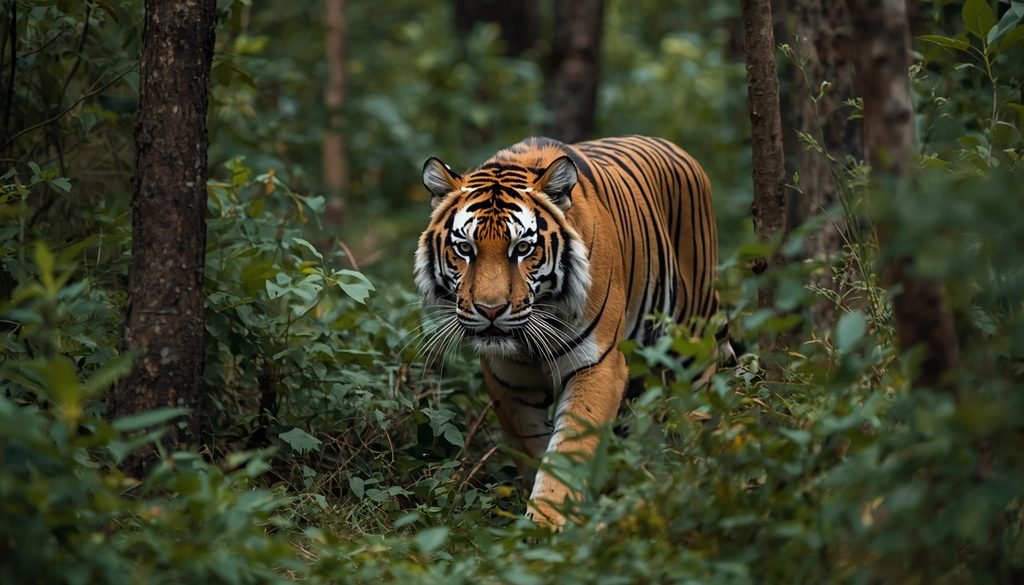
The tiger combines striking beauty with an intimidating hunting design. Its large body, muscular limbs, retractable claws, powerful teeth, and striped camouflage make it an effective predator.
Tigers generally live solitary lives and depend heavily on stealth. Their ability to approach prey quietly before launching a short-range attack is one reason they are often included among scary wild animals.
Why it looks scary: Large body, powerful jaws, claws, and stealthy hunting behavior.
10. Polar Bear
Scientific Name: Ursus maritimus
Class: Mammalia
Diet: Carnivore
The polar bear is the largest living bear species and a dominant predator of Arctic ecosystems. Its enormous size, strong limbs, claws, and powerful jaws make it an intimidating animal.
Unlike many frightening animals, its scary appearance is enhanced by its white coat and vast Arctic environment. Polar bears are adapted for life around sea ice and rely heavily on marine food resources.
Why it looks scary: Exceptional size, powerful limbs, claws, and predatory behavior.
11. Komodo Dragon
Scientific Name: Varanus komodoensis
Class: Reptilia
Diet: Carnivore
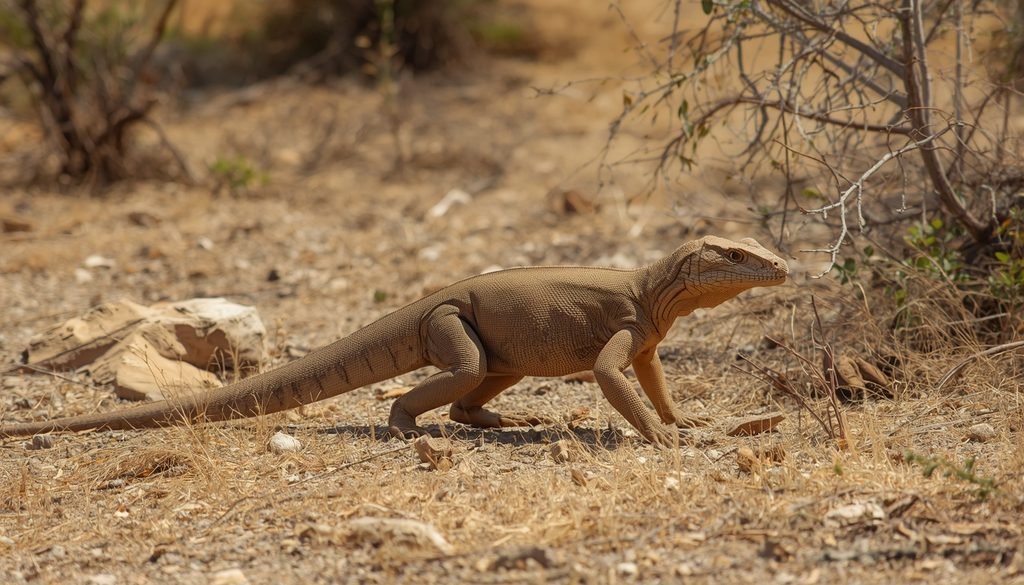
The Komodo dragon looks like an animal from prehistoric times. This huge monitor lizard has a muscular body, long tail, sharp claws, and a powerful mouth.
It can use its teeth and other specialized oral adaptations to capture prey. Its unusual appearance and large size have made it one of the most famous scary-looking reptiles.
Why it looks scary: Giant lizard-like body, claws, teeth, and powerful hunting adaptations.
12. Goliath Birdeater
Scientific Name: Theraphosa blondi
Class: Arachnida
Diet: Carnivore
The Goliath birdeater is one of the world’s largest spiders by body mass and leg span. Its hairy body and enormous legs are enough to frighten people who dislike spiders.
Despite its dramatic name, birds are not its normal primary food. It mainly feeds on various smaller animals and invertebrates.
Why it looks scary: Huge hairy body, long legs, fangs, and defensive hairs.
13. Goblin Shark
Scientific Name: Mitsukurina owstoni
Class: Chondrichthyes
Diet: Carnivore
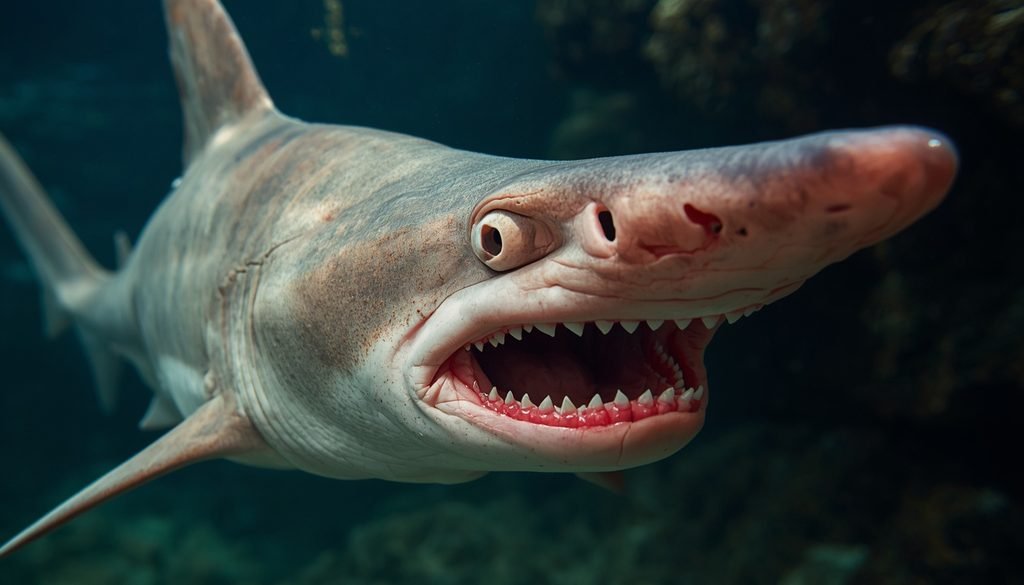
The goblin shark is one of the strangest deep-sea animals. Its elongated snout, unusual pinkish appearance, and protruding jaws make it look almost fictional.
Its jaws can extend outward when it captures prey. This remarkable feeding adaptation is more fascinating than monstrous, showing how deep-sea animals can evolve specialized structures for life in dark environments.
Why it looks scary: Long snout, unusual face, needle-like teeth, and extending jaws.
14. Giant Centipede
Scientific Name: Scolopendra gigantea
Class: Chilopoda
Diet: Carnivore
The giant centipede is a frightening-looking invertebrate with a long segmented body and numerous legs. Its fast movements can make it especially unsettling to people who encounter one.
It is an active predator capable of capturing insects and other small animals. Its venomous forcipules, located near the head, help it subdue prey.
Why it looks scary: Many legs, segmented body, speed, and venom-delivering structures.
15. Vampire Bat
Scientific Name: Desmodus rotundus
Class: Mammalia
Diet: Blood
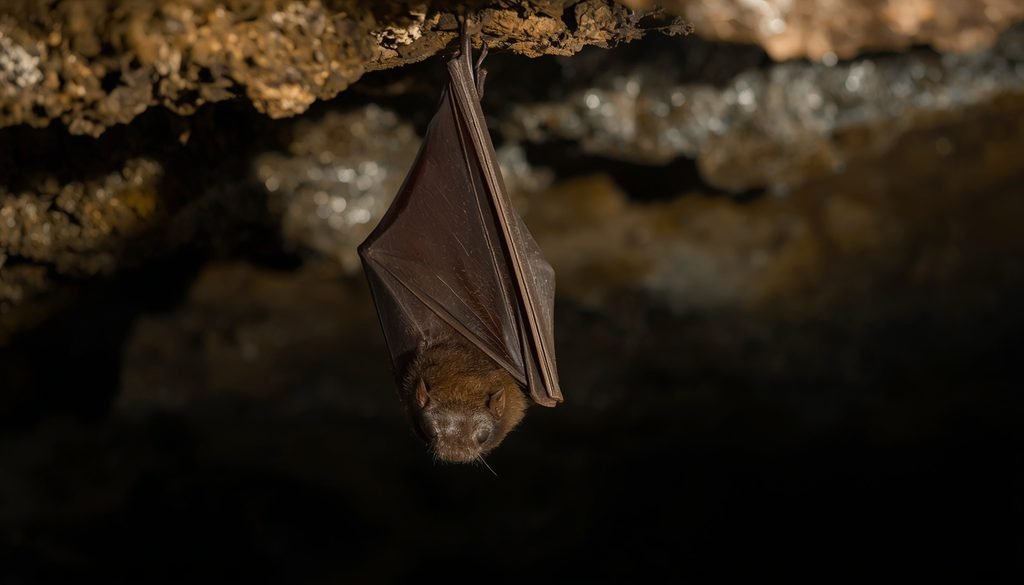
The vampire bat has an appearance and lifestyle that have inspired countless horror stories. Its dark coloration, sharp teeth, nocturnal behavior, and blood-feeding diet make it one of the most famous creepy animals.
Importantly, only three living bat species are specialized blood feeders. The common vampire bat feeds primarily on the blood of mammals and uses a specialized feeding strategy.
Why it looks scary: Sharp teeth, nocturnal habits, and blood-feeding behavior.
16. Shoebill
Scientific Name: Balaeniceps rex
Class: Aves
Diet: Carnivore
The shoebill is one of the world’s most unusual-looking birds. Its enormous shoe-shaped bill, tall body, intense eyes, and motionless hunting posture can make it look almost prehistoric.
It lives mainly in African wetlands and uses patience rather than constant movement to hunt. Its strange appearance makes it a popular example of a scary-looking animal that is far more fascinating than frightening.
Why it looks scary: Huge bill, intense expression, tall body, and prehistoric appearance.
17. Aye-Aye
Scientific Name: Daubentonia madagascariensis
Class: Mammalia
Diet: Omnivore
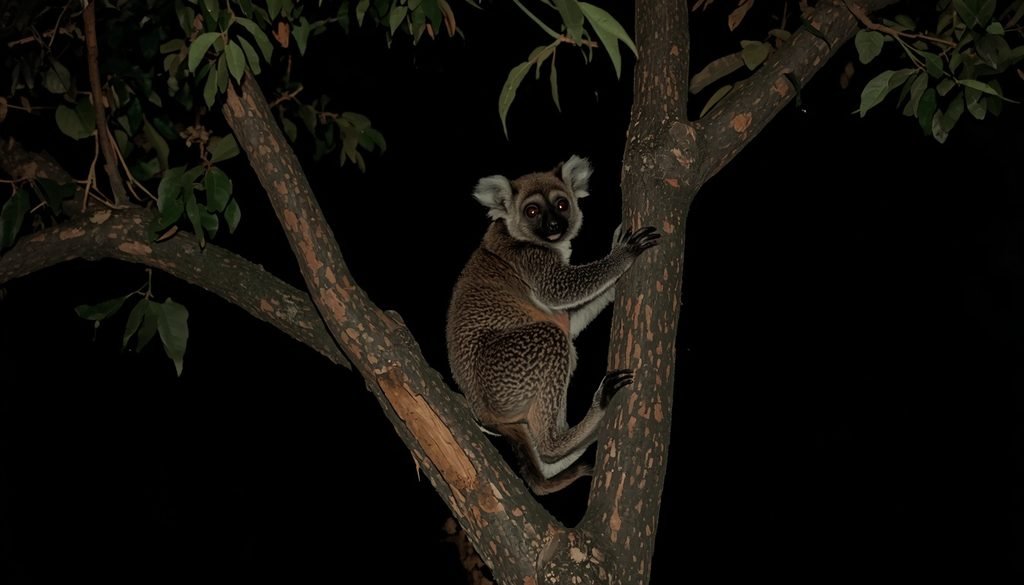
The aye-aye is a nocturnal lemur found in Madagascar. Its large eyes, unusual ears, constantly growing incisors, and extremely long middle finger give it an appearance that some people find creepy.
Its strange finger has an important purpose. The aye-aye uses it while searching for larvae hidden inside wood. This behavior is a fascinating example of specialized adaptation rather than something inherently frightening.
Why it looks scary: Large eyes, unusual fingers, ears, and nocturnal lifestyle.
18. Blue-Ringed Octopus
Scientific Name: Hapalochlaena
Class: Cephalopoda
Diet: Carnivore
The blue-ringed octopus is small, colorful, and potentially dangerous. When threatened, its brilliant blue rings become highly visible, serving as a warning display.
Its venom can cause severe neurological effects, making encounters something to avoid. Despite its reputation, it is not an animal that seeks out humans. Its defensive display is a remarkable example of warning coloration in marine life.
Why it looks scary: Bright warning rings, venom, and small but highly specialized body.
Comparison Table
| Animal | Class | Main Fear Factor | Diet | Habitat |
| Saltwater Crocodile | Reptilia | Powerful jaws | Carnivore | Rivers, estuaries |
| Great White Shark | Chondrichthyes | Teeth and size | Carnivore | Oceans |
| King Cobra | Reptilia | Venom and hood | Carnivore | Asian forests |
| Black Mamba | Reptilia | Venom | Carnivore | African savannas |
| Box Jellyfish | Cubozoa | Venomous sting | Carnivore | Coastal waters |
| Nile Crocodile | Reptilia | Ambush hunting | Carnivore | African waterways |
| Hippopotamus | Mammalia | Size and teeth | Herbivore | Rivers and wetlands |
| Lion | Mammalia | Predatory power | Carnivore | African savannas |
| Tiger | Mammalia | Claws and stealth | Carnivore | Forests and grasslands |
| Polar Bear | Mammalia | Size and strength | Carnivore | Arctic |
| Komodo Dragon | Reptilia | Teeth and size | Carnivore | Indonesian islands |
| Goliath Birdeater | Arachnida | Giant body | Carnivore | Rainforest |
| Goblin Shark | Chondrichthyes | Extendable jaws | Carnivore | Deep ocean |
| Giant Centipede | Chilopoda | Venom and many legs | Carnivore | Tropical habitats |
| Vampire Bat | Mammalia | Blood-feeding | Blood | Central/South America |
| Shoebill | Aves | Huge bill | Carnivore | African wetlands |
| Aye-Aye | Mammalia | Unusual appearance | Omnivore | Madagascar forests |
| Blue-Ringed Octopus | Cephalopoda | Potent venom | Carnivore | Coastal waters |
Why Are Some Animals So Scary?
Humans often react strongly to animals with features associated with danger. Large teeth, sharp claws, venom, sudden movements, unusual eyes, and unfamiliar body shapes can all trigger fear.
Culture also matters. Movies, myths, childhood experiences, and social media can make certain animals seem more frightening than they actually are. The aye-aye and shoebill are good examples of animals whose unusual appearances attract attention without automatically making them dangerous.
Are Scary Animals Always Dangerous?
No. A scary-looking animal is not necessarily dangerous to humans.
Some animals look frightening because they have unusual adaptations rather than aggressive behavior. The aye-aye’s strange finger helps it find food, while the shoebill’s enormous bill is a hunting tool.
On the other hand, animals such as certain crocodiles, venomous snakes, and medically significant jellyfish can pose genuine risks. The important distinction is between appearance, defensive capability, and documented danger.
Scariest Animals vs Most Dangerous Animals
“Scariest” and “most dangerous” describe different things.
A scary animal may have an unusual face, huge teeth, strange body, or creepy movement. A dangerous animal presents a meaningful risk through venom, physical attack, disease transmission, or other mechanisms.
For example, a goblin shark may look terrifying but rarely encounters people because it lives in deep water. Meanwhile, an animal that looks less frightening may pose a greater practical risk depending on where humans and wildlife overlap.
Different Types of Scary Animals
Scary Reptiles
Saltwater crocodiles, Nile crocodiles, king cobras, black mambas, and Komodo dragons are frightening because of combinations of size, venom, teeth, claws, and hunting adaptations.
Scary Marine Animals
Great white sharks, box jellyfish, goblin sharks, and blue-ringed octopuses demonstrate how unusual and intimidating ocean life can be.
Scary Mammals
Lions, tigers, polar bears, hippopotamuses, and vampire bats have very different lifestyles, but each can appear frightening for physical or behavioral reasons.
Scary Invertebrates
Goliath birdeaters and giant centipedes often frighten people because of their unusual body shapes, many legs, size, or venomous defenses.
Scary-Looking Birds and Primates
Shoebills and aye-ayes show that an animal can look strange or creepy without being an inherently dangerous creature.
Why These Animals Matter
Even frightening animals have important ecological roles. Predators help regulate prey populations, scavengers recycle nutrients, and specialized species contribute to complex food webs.
Removing animals simply because people fear them can disrupt ecosystems. Learning about wildlife helps replace fear with informed respect and encourages better conservation decisions.
How to Stay Safe Around Scary Wild Animals
- Keep a safe distance from wild animals.
- Never feed wildlife.
- Do not attempt to touch venomous or unfamiliar animals.
- Follow local wildlife warnings and regulations.
- Avoid approaching nests, dens, or young animals.
- Leave marine animals undisturbed.
- Follow instructions from rangers and wildlife professionals.
- If a dangerous animal enters a populated area, contact appropriate local wildlife authorities.
Read More: Dumbest Animal
FAQs
What is the scariest animal in the world?
There is no scientifically recognized single scariest animal because fear is subjective. Saltwater crocodiles, king cobras, great white sharks, box jellyfish, and blue-ringed octopuses are often perceived as frightening because of their size, venom, teeth, or defensive adaptations.
What animal looks the most terrifying?
Animals such as the goblin shark, aye-aye, shoebill, giant centipede, and Goliath birdeater are often considered terrifying-looking because of unusual facial features, body shapes, large jaws, many legs, or intense expressions. However, appearance alone does not determine how dangerous an animal is.
Are scary-looking animals always dangerous?
No. Some frightening-looking animals are relatively harmless to humans and simply have unusual adaptations. The aye-aye and shoebill are good examples. Other animals, including certain venomous snakes and jellyfish, can pose genuine risks. Understanding behavior and biology is more useful than judging an animal by appearance.
What is the scariest animal in the ocean?
There is no official answer. Great white sharks, box jellyfish, blue-ringed octopuses, and goblin sharks are among the marine animals people may find frightening. Their reasons differ, ranging from large size and teeth to venom and unusual deep-sea adaptations.
What is the scariest land animal?
Several large predators and dangerous reptiles can appear frightening, including saltwater crocodiles, Nile crocodiles, lions, tigers, polar bears, and king cobras. However, “scariest” is subjective, and an animal’s appearance should not be confused with its actual risk to people.
What is the scariest reptile?
Large crocodiles, king cobras, black mambas, and Komodo dragons are commonly perceived as scary reptiles. They have very different adaptations, including powerful jaws, venom, large body size, or specialized hunting abilities.
Why do some animals look scary?
Animals may look scary because of traits such as large teeth, sharp claws, unusual eyes, prominent jaws, venomous structures, strange body proportions, or warning colors. Human fear is also influenced by culture, movies, myths, personal experiences, and evolutionary responses to potential threats.
What animals are scary but harmless?
Some unusual animals can look frightening without posing a major threat to people. Aye-ayes and shoebills are examples of animals that may appear creepy or intimidating but are better understood through their specialized feeding and survival adaptations.
Final Thoughts
The scariest animals are not all scary for the same reason. Some have enormous teeth or powerful bodies, while others rely on venom, unusual defenses, strange appearances, or remarkable hunting adaptations.
From crocodiles and big cats to goblin sharks, giant spiders, shoebills, and aye-ayes, these creatures demonstrate how diverse animal evolution can be. More importantly, scary does not always mean dangerous. Understanding an animal’s behavior, habitat, and adaptations gives us a more accurate view than judging it by appearance alone.
Respecting wildlife is ultimately more useful than fearing it. Every species has a role in the ecosystems that support life on Earth.

One thought on “18 Scariest Animals in the World: Terrifying Creatures Explained”