

Introduction
Some animals are known for calm behavior, social habits, or a tendency to avoid conflict. These traits make them interesting to observe and, in some cases, easier to care for in suitable human environments. From gentle farm animals to quiet pets and peaceful looking wildlife, many creatures show behaviors that people describe as docile.
But what does “docile” really mean? It generally describes an animal that is calm or less likely to respond aggressively under ordinary conditions. It does not mean that an animal is always friendly, harmless, or comfortable being touched. Even animals with calm temperaments may defend themselves when frightened, injured, stressed, or protecting their young.
In this guide to the most docile animals, you will discover 18 species commonly associated with gentle or tolerant behavior. Each profile explores the animal’s scientific name, diet, habitat, and distinctive traits, while explaining why temperament can vary between individuals and situations.
Quick Answer: What Are the Most Docile Animals?
Some animals commonly associated with calm or gentle behavior include capybaras, manatees, guinea pigs, rabbits, sheep, alpacas, and giant tortoises. Their behavior varies by individual and environment. Docility does not mean an animal is always friendly or safe to approach, especially when it is wild, frightened, or protecting itself.
Quick Facts: 18 Most Docile Animals
| No. | Animal | Scientific Name | Class | Diet | Typical Temperament |
| 1 | Capybara | Hydrochoerus hydrochaeris | Mammalia | Herbivore | Social; often tolerant |
| 2 | Manatee | Trichechus spp. | Mammalia | Aquatic plants | Generally slow moving |
| 3 | Guinea Pig | Cavia porcellus | Mammalia | Herbivore | Often gentle with careful care |
| 4 | Rabbit | Oryctolagus cuniculus | Mammalia | Herbivore | Cautious; may become calm when secure |
| 5 | Sheep | Ovis aries | Mammalia | Herbivore | Social herd animal |
| 6 | Domestic Cow | Bos taurus | Mammalia | Herbivore | Often calm with familiar handling |
| 7 | Horse | Equus caballus | Mammalia | Herbivore | Social and responsive |
| 8 | Alpaca | Vicugna pacos | Mammalia | Herbivore | Often calm in familiar groups |
| 9 | Llama | Lama glama | Mammalia | Herbivore | Alert and social |
| 10 | Donkey | Equus asinus | Mammalia | Herbivore | Often steady and cautious |
| 11 | Giant Tortoise | Aldabrachelys gigantea (example) | Reptilia | Mainly plants | Slow moving; individual variation |
| 12 | Quokka | Setonix brachyurus | Mammalia | Herbivore | Usually avoids confrontation |
| 13 | Three Toed Sloth | Bradypus spp. | Mammalia | Mainly leaves | Slow moving and solitary |
| 14 | White Tailed Deer | Odocoileus virginianus | Mammalia | Herbivore | Usually wary of people |
| 15 | Domestic Cat | Felis catus | Mammalia | Carnivore | Varies with socialization |
| 16 | Domestic Dog | Canis lupus familiaris | Mammalia | Omnivorous | Varies by individual and training |
| 17 | Bearded Dragon | Pogona vitticeps | Reptilia | Omnivorous | May tolerate gentle, appropriate care |
| 18 | Rock Dove | Columba livia | Aves | Seeds and grains | Often calm in familiar settings |
1. Capybara (Hydrochoerus hydrochaeris)
Class: Mammalia
Diet: Grasses and aquatic plants
Habitat: Wetlands, grasslands, and riverbanks
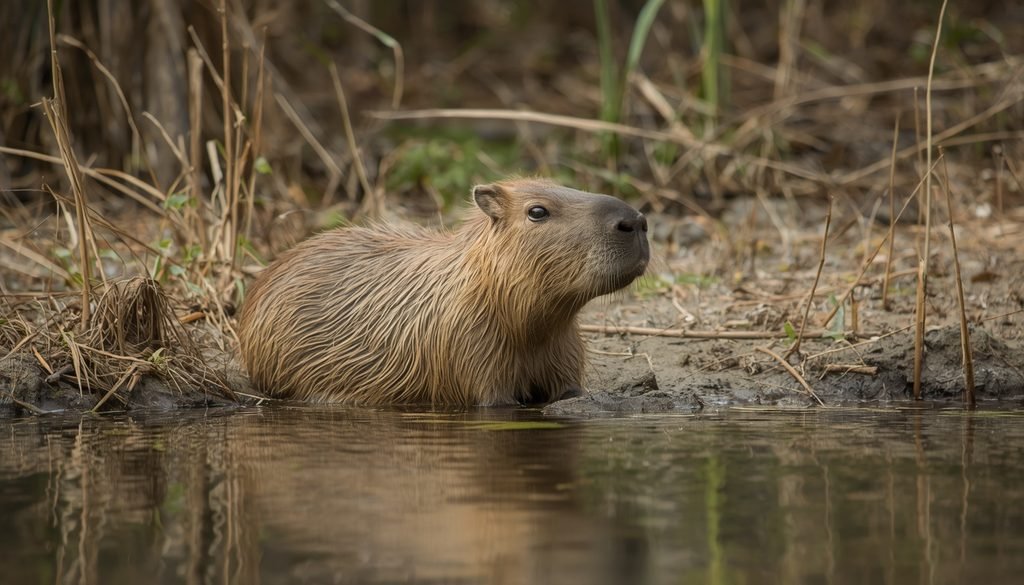
The capybara is the world’s largest living rodent and a highly social animal native to South America. It often lives in groups near rivers, marshes, and wetlands. Capybaras are herbivores that eat grasses and aquatic plants. Their group living habits and relaxed looking behavior have made them popular examples of gentle animals. However, they remain wild mammals with natural instincts and powerful teeth. A capybara’s tolerance of nearby animals or people should not be mistaken for permission to touch or feed it.
2. Manatee (Trichechus spp.)
Class: Mammalia
Diet: Seagrasses and other aquatic plants
Habitat: Warm coastal waters, rivers, and estuaries
Manatees are large aquatic mammals that inhabit warm coastal waters, rivers, and estuaries. They move slowly and spend much of their time grazing on aquatic vegetation. Their peaceful appearance and plant based diet often lead people to describe them as gentle giants. Manatees are still wild animals, however, and need space to feed, rest, and move naturally. Human contact can disturb them and may be restricted by wildlife protection rules. Observing them from a respectful distance supports their welfare.
3. Guinea Pig (Cavia porcellus)
Class: Mammalia
Diet: Hay, grasses, and suitable vegetables
Habitat: Domestic enclosures with space and hiding places
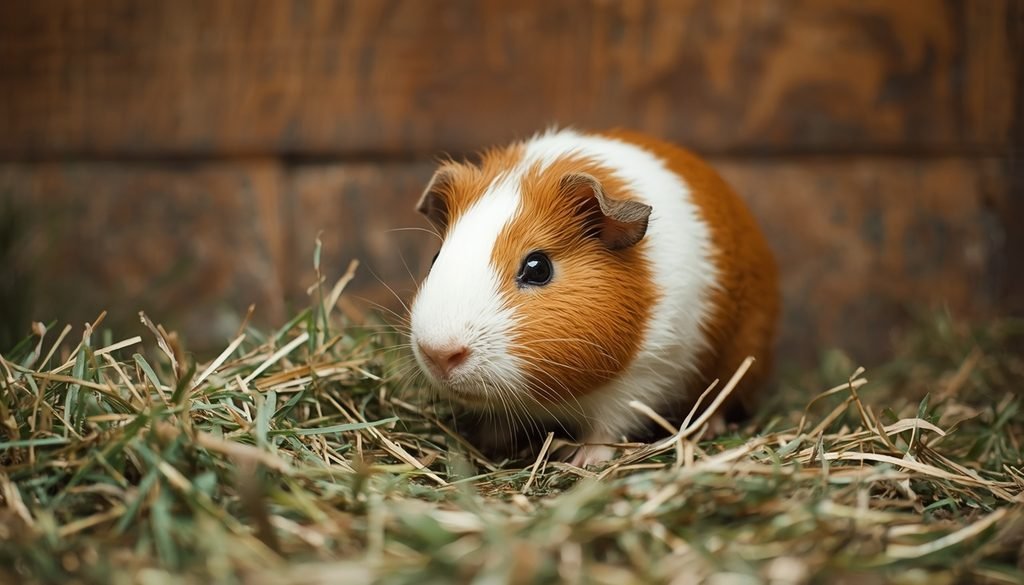
Guinea pigs are small domesticated rodents kept as companion animals. They are social and communicate through squeaks, chirps, and other sounds. With patient, gentle handling and a secure environment, many become comfortable around familiar caregivers. Their diet requires constant access to hay, suitable vegetables, and fresh water. Guinea pigs are prey animals, so sudden movements or rough handling can frighten them. Their calm behavior is best supported through proper housing, companionship, and respectful care.
4. Rabbit (Oryctolagus cuniculus)
Class: Mammalia
Diet: Hay, grasses, leafy greens
Habitat: Domestic indoor or outdoor housing designed for rabbit welfare
Domestic rabbits can become relaxed around familiar people when they have a safe environment and are handled appropriately. They are herbivores that eat hay, grasses, leafy greens, and specially formulated food. Rabbits are naturally alert prey animals, so they may hide or struggle when frightened, especially if lifted incorrectly. Many prefer interacting at ground level rather than being picked up. Providing hiding spaces, room to move, and gentle, predictable care helps a rabbit feel secure.
5. Sheep (Ovis aries)
Class: Mammalia
Diet: Grasses, herbs, and other vegetation
Habitat: Pastures, grasslands, and managed farms
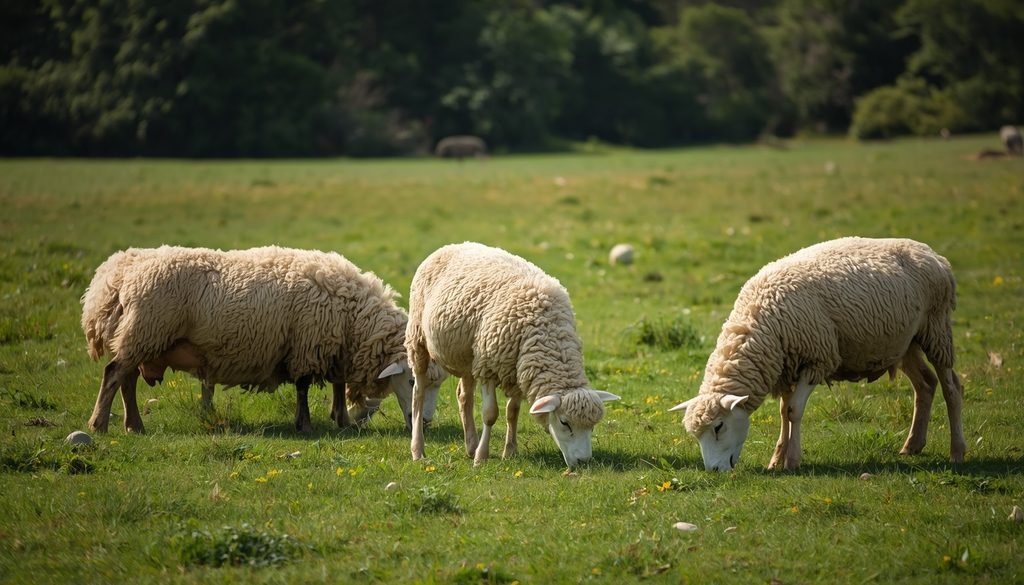
Sheep are domesticated herd animals that often feel more secure when living with other sheep. They graze on grasses and other vegetation and are raised in many parts of the world for wool, meat, and milk. Sheep may appear calm when familiar with their surroundings and handlers. However, they can become startled by sudden movement, loud sounds, or unfamiliar situations. Their herd instincts and individual personalities influence how they respond to people. Calm handling and suitable space help reduce stress.
6. Domestic Cow (Bos taurus)
Class: Mammalia
Diet: Grasses, hay, and other plant material
Habitat: Pastures and managed farms
Domestic cows are large herbivores that often develop familiar routines with their herd and caregivers. They graze on grasses and are commonly raised on farms for dairy, meat, and other agricultural purposes. Many cows can be calm during routine care when accustomed to people and handled properly. Yet their size and strength mean they can accidentally injure someone, especially if startled or protecting a calf. Respectful handling, safe facilities, and awareness of body language are important around cattle.
7. Horse (Equus caballus)
Class: Mammalia
Diet: Grasses, hay, and suitable forage
Habitat: Grasslands and managed stables or pastures
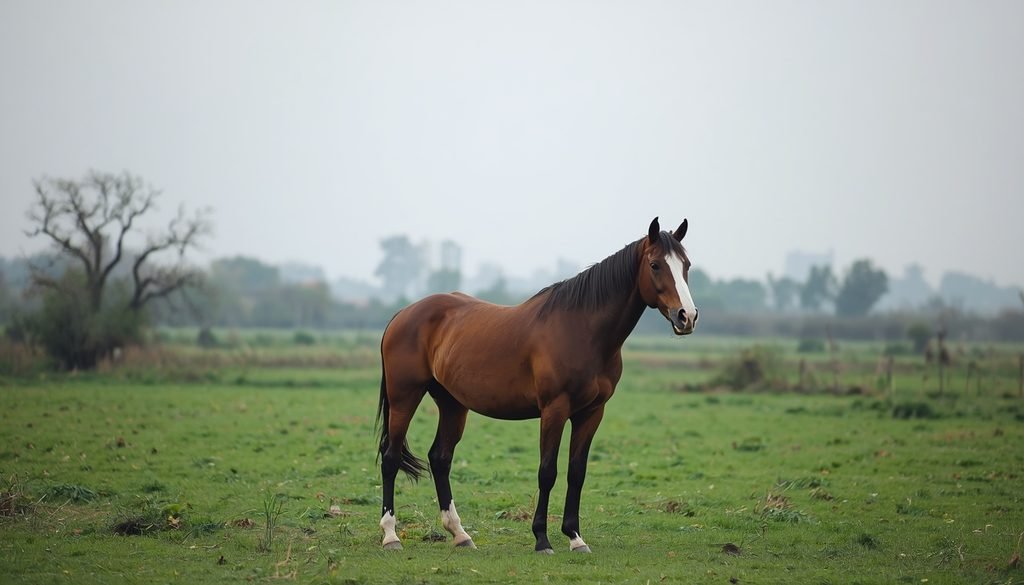
Horses are social herbivores that communicate through body posture, movement, and vocal sounds. They live in a range of managed environments and naturally graze on grasses and other vegetation. Horses can learn to respond calmly to familiar handlers, consistent routines, and appropriate training. Their behavior is influenced by fear, pain, experience, and surroundings. Because horses are powerful animals with a strong flight response, even a usually calm horse may kick or bolt when startled. Safe handling requires knowledge and care.
8. Alpaca (Vicugna pacos)
Class: Mammalia
Diet: Grasses and other vegetation
Habitat: Andean origins; domesticated farms and pastures worldwide
Alpacas are domesticated South American camelids raised mainly for their soft fleece. They are social animals and usually do best with companions rather than living alone. Alpacas graze on grasses and other vegetation and are often kept on farms in open, well managed spaces. They may be calm around familiar people, although individual temperaments differ. Like other herd animals, they can become stressed by rough handling or crowded conditions. Their quiet appearance does not mean they enjoy being hugged or restrained.
9. Llama (Lama glama)
Class: Mammalia
Diet: Grasses, hay, and shrubs
Habitat: Andean origins; farms and pastures
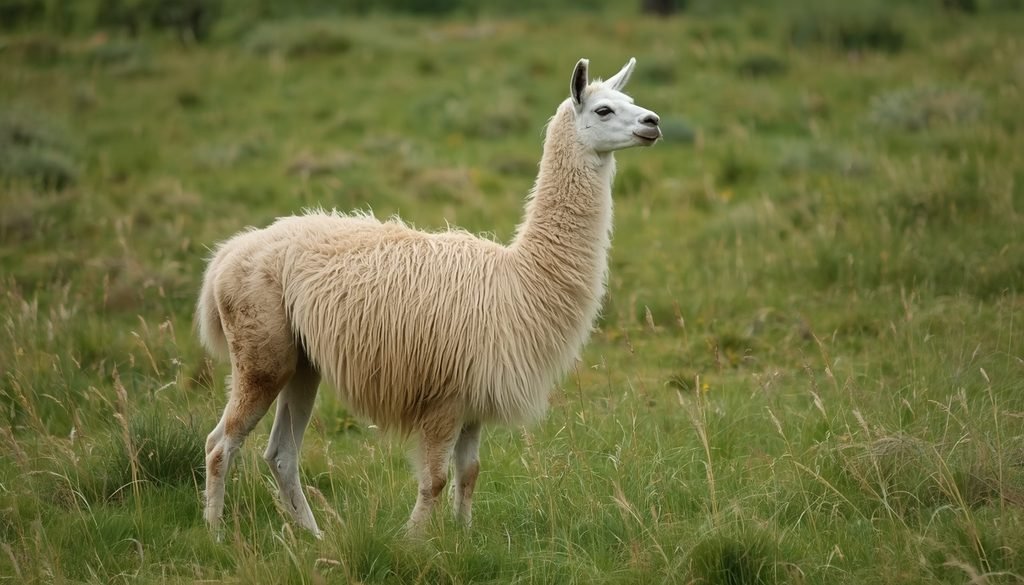
Llamas are domesticated camelids native to South America. They are intelligent, social animals that communicate through posture, sounds, and behavior. Their diet consists mainly of grasses and other plant material. Llamas are sometimes used as pack animals and livestock guardians, but their temperament varies. A comfortable llama may be steady around familiar people, while a stressed or poorly handled animal may spit, kick, or try to escape. They need appropriate space, companionship, and knowledgeable care.
10. Donkey (Equus asinus)
Class: Mammalia
Diet: Grasses, hay, and forage
Habitat: Managed farms, drylands, and pastures
Donkeys are domesticated members of the horse family and are known for their sturdy build and careful responses to unfamiliar situations. They eat grasses, hay, and other forage, and can live in dry or temperate environments when provided with suitable care. Donkeys may appear calm and steady, but what people call stubbornness can sometimes be a cautious response to uncertainty. Familiar routines, patient handling, companionship, and proper shelter help support their welfare.
11. Giant Tortoise (Aldabrachelys gigantea)
Class: Reptilia
Diet: Grasses, leaves, and other plants
Habitat: Aldabra Atoll; suitable managed conservation settings
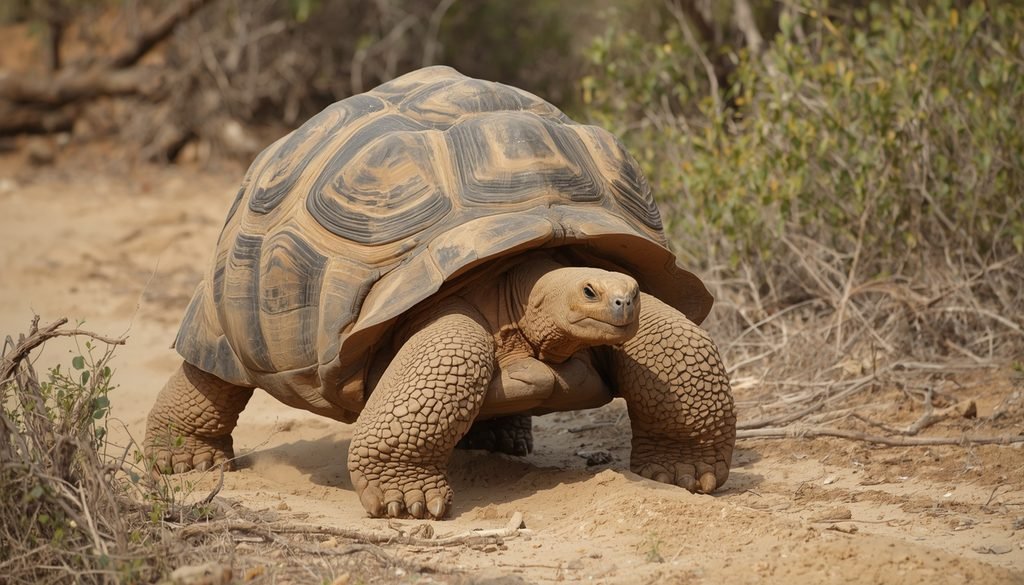
The Aldabra giant tortoise is a large reptile native to the Aldabra Atoll in the Indian Ocean. It feeds mainly on grasses, leaves, and other vegetation. Its slow movement and long lifespan make it an intriguing animal to observe. Some individuals in managed settings may become accustomed to familiar routines, but they are not pets to be handled casually. Their shells and strong limbs are part of their natural anatomy, and they need appropriate space, diet, and specialist care.
12. Quokka (Setonix brachyurus)
Class: Mammalia
Diet: Grasses, leaves, and other vegetation
Habitat: Shrublands and forests in southwestern Australia
The quokka is a small marsupial native to parts of Western Australia, including Rottnest Island. It eats grasses, leaves, and other vegetation. Quokkas are often photographed because their facial features can appear to form a smile, but this expression does not prove that the animal is friendly or seeking human contact. They are wild animals that need natural food and space. Visitors should avoid feeding or touching them and follow local wildlife guidance.
13. Three Toed Sloth (Bradypus spp.)
Class: Mammalia
Diet: Mainly leaves
Habitat: Tropical forests of Central and South America
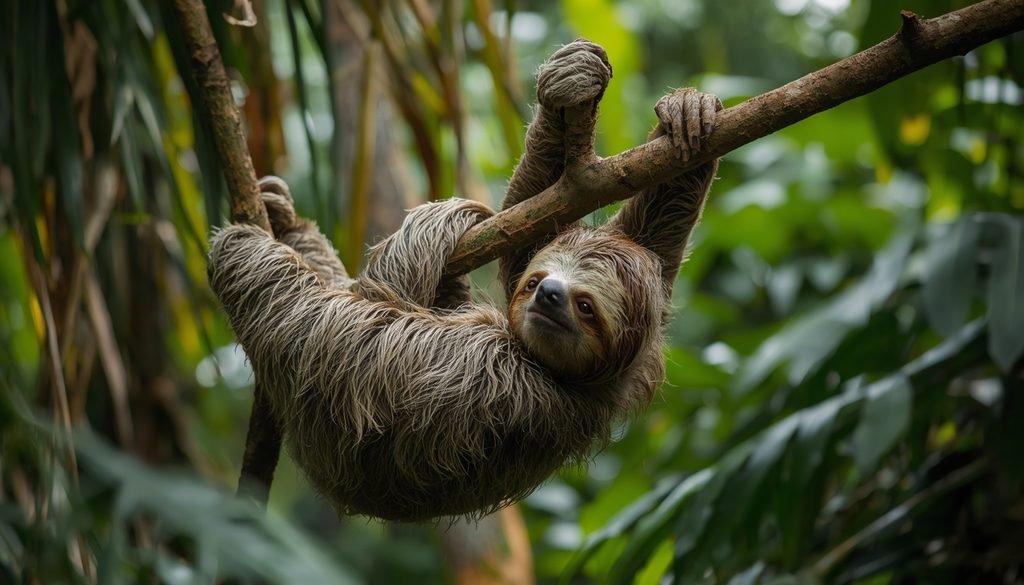
Three toed sloths are slow moving mammals that live in tropical forests of Central and South America. They spend much of their time in trees and feed mainly on leaves. Their low energy lifestyle and slow movements may look peaceful, but sloths are wild animals with specialized needs. They can become stressed when handled or removed from their habitat. Their best chance of healthy behavior comes from remaining in suitable forest environments, where they can feed, rest, and move naturally.
14. Deer White Tailed Deer (Odocoileus virginianus)
Class: Mammalia
Diet: Leaves, shoots, grasses, and other plants
Habitat: Forests, grasslands, and woodland edges
White tailed deer are herbivorous mammals found across much of North and Central America. They browse on leaves, shoots, grasses, and other plants. Deer often avoid people and rely on alert senses and quick movement to escape danger. A deer standing quietly in a field may look docile, but it is still a wild animal. During breeding season or when protecting young, its behavior can change. Observe deer from a distance and never attempt to feed or approach them.
15. Domestic Cat (Felis catus)
Class: Mammalia
Diet: Animal based diet formulated for cats
Habitat: Domestic homes and managed outdoor environments

Domestic cats can form strong bonds with familiar people and may enjoy calm interaction, play, or resting nearby. They are carnivores and need a diet that meets their nutritional needs. A cat’s temperament depends on genetics, early social experiences, health, and its current environment. Some cats seek attention, while others prefer more personal space. Respecting signals such as flattened ears, tail flicking, or moving away helps prevent stress and supports positive human cat relationships.
16. Domestic Dog (Canis lupus familiaris)
Class: Mammalia
Diet: Omnivorous; nutritionally balanced dog food
Habitat: Domestic homes and managed environments
Dogs are domesticated mammals with a wide range of temperaments, sizes, and activity levels. Many enjoy companionship and can learn calm behavior through suitable socialization, training, and positive care. Their diet is omnivorous, although their nutritional needs should be met with an appropriate complete food. A dog’s behavior is shaped by its individual history, health, environment, and training. Even familiar dogs need space when eating, sleeping, injured, or uncomfortable, and interactions with children should be supervised.
17. Bearded Dragon (Pogona vitticeps)
Class: Reptilia
Diet: Insects and plant material
Habitat: Australian arid woodlands, scrublands, and deserts
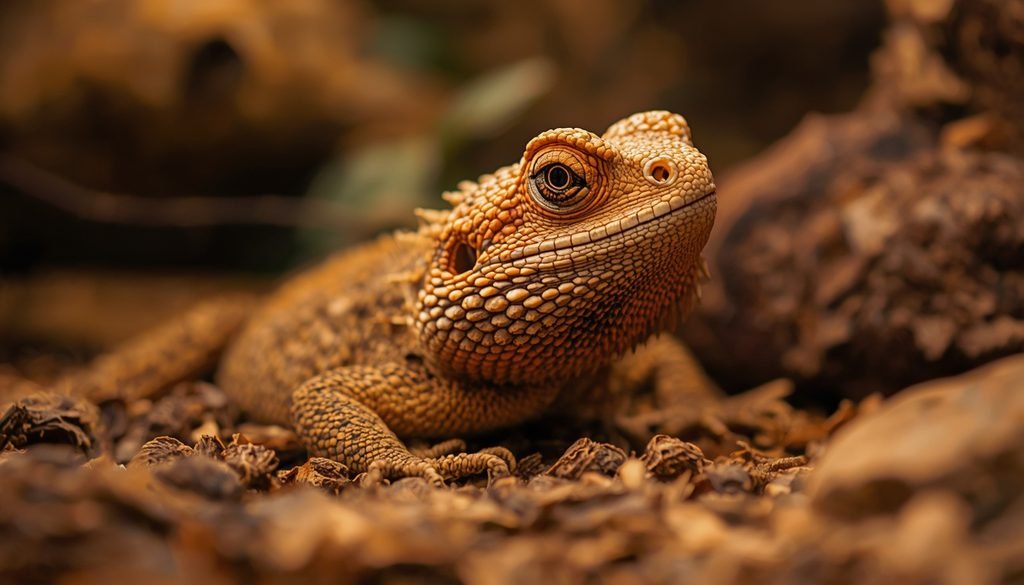
The bearded dragon is a lizard native to arid and semi arid regions of Australia. It eats a combination of insects and plant material, with its diet changing as it grows. Some captive bred individuals may become accustomed to careful, appropriate handling, but their comfort varies. Bearded dragons need correct heat, lighting, enclosure space, and nutrition to remain healthy. They should never be grabbed suddenly or kept in unsuitable conditions simply because they may appear calm.
18. Dove — Rock Dove (Columba livia)
Class: Aves
Diet: Mainly seeds and grains
Habitat: Cliffs, urban areas, and agricultural landscapes
Rock doves, commonly known as pigeons, are adaptable birds found in cities, farmland, and rocky habitats. They mainly eat seeds and grains, although urban populations may encounter other food sources. Doves and pigeons can become accustomed to familiar surroundings and may appear calm when undisturbed. Their behavior varies, and wild birds should not be chased, grabbed, or fed unsuitable food. Clean water, natural foraging, and safe nesting areas support their well being.
What Does “Docile” Mean in Animals?
Docile generally describes an animal that tends to remain calm or is less likely to respond aggressively in ordinary situations. It is a broad behavioral description, not a scientific guarantee about how an individual will react.
The word is different from tame, which usually describes an individual accustomed to people, and domesticated, which refers to populations shaped over generations through human managed breeding. “Friendly” is also a human centered description of an animal that willingly interacts positively with people. A domesticated animal may still be fearful, territorial, or defensive.
Temperament can change with age, health, stress, socialization, environment, and past experiences. An animal that is relaxed in one setting may react differently in another.
Why Are Some Animals More Docile Than Others?
Several factors influence how animals respond to people and their surroundings. Domestication and selective breeding have shaped behavior in many farm animals and companion species. Social animals may feel more secure around familiar group members, while positive experiences can help some domestic animals become comfortable with routine care.
Natural instincts matter, too. Prey animals may escape or hide when frightened, while others use warning displays or defensive behavior. Diet alone does not determine temperament: a herbivore is not automatically gentle, and a predator is not automatically aggressive. Individual personality, health, and environmental conditions all play a role.
Are Docile Animals Safe to Handle?
Not necessarily. A calm appearance does not guarantee that an animal is comfortable with touch or handling. Domestic animals should be approached according to their needs and with appropriate knowledge. Wild animals—including deer, quokkas, sloths, and manatees—should be observed from a respectful distance.
An animal may defend itself if frightened, injured, stressed, cornered, or protecting its young. Never assume that an unfamiliar animal is safe to touch, feed, or pick up. When handling is necessary for care, follow guidance from a qualified veterinarian or experienced animal professional.
Read More: 14 Snakes With Triangular Heads
Final Thoughts
The most docile animals include a varied group of pets, farm animals, and wildlife known for calm looking behavior, social habits, or a tendency to avoid conflict. Capybaras, guinea pigs, sheep, alpacas, and giant tortoises are just a few examples.
Still, temperament is never identical across every member of a species. A respectful approach means understanding each animal’s needs, recognizing signs of stress, and giving wildlife space. Explore more fascinating animal facts on Animalfacthubz.com to keep learning about the behavior and adaptations of the natural world.
Frequently Asked Questions
1. What does docile mean in animals?
Docile describes an animal that is generally calm or less likely to respond aggressively under ordinary conditions. It does not mean the animal is always friendly, tame, or safe to handle. Behavior can change with stress, health, environment, and individual experience.
2. What are some of the most docile animals?
Capybaras, guinea pigs, rabbits, sheep, alpacas, and some domestic cattle are often described as calm or gentle. Their behavior varies, and wild animals should not be approached simply because they appear relaxed.
3. Are docile animals always friendly?
No. Docility does not mean an animal always wants human interaction. Even a calm animal may move away, hide, bite, kick, scratch, or defend itself if frightened or uncomfortable.
4. Does docile mean an animal is safe to handle?
No. Safe handling depends on the species, individual animal, situation, and handler’s knowledge. Wild animals should generally be observed from a distance, while domestic animals need handling appropriate to their welfare and behavior.
5. Are wild animals ever docile?
Some wild animals may appear calm or tolerate nearby animals, but this does not make them domesticated or suitable for contact. Their behavior can change quickly when they feel threatened, so wildlife should be left undisturbed.
6. What is the difference between tame and docile?
Tame usually describes an individual animal accustomed to people. Docile describes a general tendency toward calm behavior. A tame animal may still react defensively, and a wild animal may appear calm without being tame.
7. Can a domesticated animal still behave aggressively?
Yes. Domestication does not remove every natural instinct or guarantee a particular temperament. Fear, pain, stress, poor handling, territorial behavior, and protecting offspring can all affect how a domesticated animal responds.
8. Why are some animals calmer around humans?
Some domestic animals become familiar with people through socialization, routine care, and positive experiences. However, calm behavior depends on the individual and its environment. Wild animals should never be forced into contact to make them appear comfortable.

One thought on “18 Most Docile Animals in the World: Gentle Creatures and Their Behaviors”