

Introduction
Patience looks different in the animal kingdom than it does in humans. An animal does not necessarily “decide to be patient” in the human sense. Instead, wildlife often shows behaviors that involve waiting, staying still, moving slowly, protecting offspring, or delaying an attack until conditions are favorable.
These behaviors can make a huge difference in survival. A crocodile can remain nearly motionless while watching the water. A Great Blue Heron may stand still before striking at a fish, while an orangutan mother spends years helping her young learn how to find food. Some animals conserve energy by moving slowly, while others wait quietly because rushing could alert their prey.
The most patient animals therefore cannot be identified through one simple scientific test. Their patience-related behaviors come from different adaptations, habitats, feeding strategies, and reproductive needs. Here are 16 fascinating examples, from ambush predators and careful hunters to slow-moving mammals and devoted egg-guarding animals.
Quick Answer: What Are the Most Patient Animals?
Crocodiles, frogfish, Great Blue Herons, tortoises, owls, tigers, and several other animals show remarkable patience-related behaviors. They may wait for prey, conserve energy, protect offspring, or delay action until conditions are favorable. However, there is no official scientific ranking of the world’s “most patient” animal.
Quick List: 16 Most Patient Animals
| No. | Animal | Scientific Name or Representative Group | Patience-Related Behavior |
| 1 | Crocodile | Crocodylus spp. | Ambush hunting |
| 2 | Lion | Panthera leo | Stalking and waiting |
| 3 | Eagle | Aquila spp. | Perch observation |
| 4 | Tortoise | Testudinidae | Slow movement and foraging |
| 5 | Elephant | Elephas maximus | Social and parental care |
| 6 | Orangutan | Pongo spp. | Extended maternal care |
| 7 | Komodo Dragon | Varanus komodoensis | Ambush and scavenging |
| 8 | Great Blue Heron | Ardea herodias | Still-water hunting |
| 9 | Frogfish | Antennariidae | Camouflaged ambush |
| 10 | Spider | Araneae | Web-based prey detection |
| 11 | Python | Pythonidae | Ambush hunting |
| 12 | Sloth | Choloepus spp. | Energy conservation |
| 13 | Deep-Sea Octopus | Graneledone boreopacifica | Long egg brooding |
| 14 | Owl | Strigiformes | Quiet observation |
| 15 | Tiger | Panthera tigris | Stealthy stalking |
| 16 | Kingfisher | Alcedinidae | Waiting before diving |
1. Crocodile
Scientific Name: Crocodylus spp.
Class: Reptilia
Diet: Fish, birds, mammals, reptiles and other animals
Habitat: Rivers, lakes, wetlands and coastal waters
Crocodiles are classic ambush predators. They can remain very still near water while watching for an opportunity to strike. This waiting strategy reduces unnecessary movement and helps them avoid alerting potential prey. Their ability to combine stillness with a sudden burst of power makes crocodile hunting highly effective. Smithsonian descriptions of crocodilian feeding behavior also highlight their ability to wait motionless before rapidly attacking prey.
Interesting Fact: Crocodiles rely heavily on water and environmental conditions for thermoregulation.
2. Lion
Scientific Name: Panthera leo
Class: Mammalia
Diet: Primarily large mammals
Habitat: Grasslands, savannas and open woodland
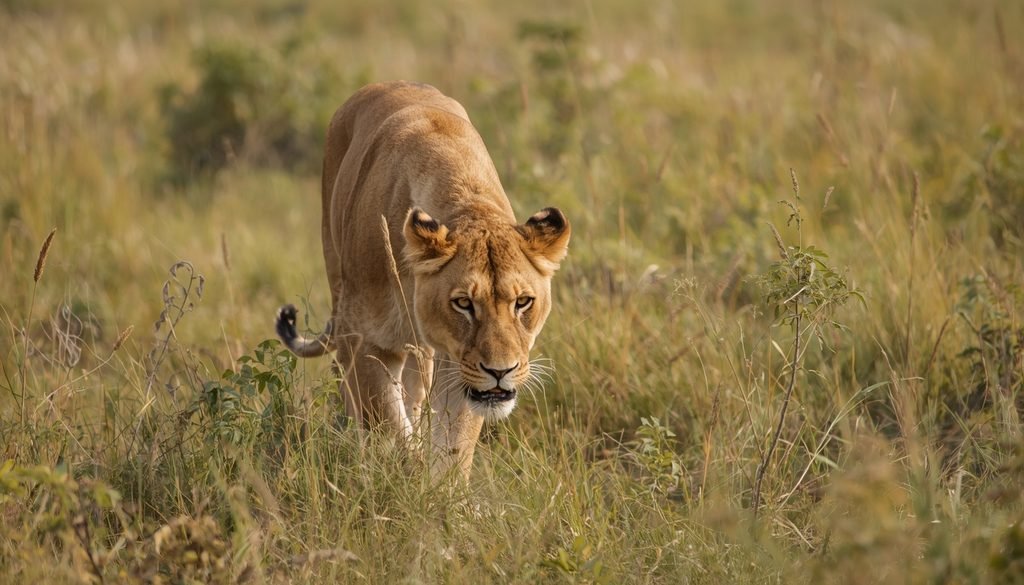
Lions often depend on stealth, positioning, and timing rather than immediately chasing prey. A lion may use vegetation or terrain as cover while approaching an opportunity. Group hunting can also involve several lions positioning themselves around prey. Their patience-related behavior is therefore closely connected with stalking and choosing the right moment to move.
Interesting Fact: Lions are the only cats that regularly live in social groups called prides.
3. Eagle
Scientific Name: Aquila spp.
Class: Aves
Diet: Birds, mammals, reptiles and fish depending on species
Habitat: Mountains, forests, grasslands and open country
Eagles can spend considerable time observing their surroundings from elevated positions or while soaring. Their excellent eyesight helps them detect potential prey and select an appropriate moment to act. Rather than wasting energy on constant movement, an eagle can observe first and strike when conditions appear favorable.
Interesting Fact: “Eagle” describes several different species rather than one single animal.
4. Tortoise
Scientific Name: Testudinidae
Class: Reptilia
Diet: Mostly plants, although diets vary by species
Habitat: Deserts, grasslands, forests and other terrestrial environments
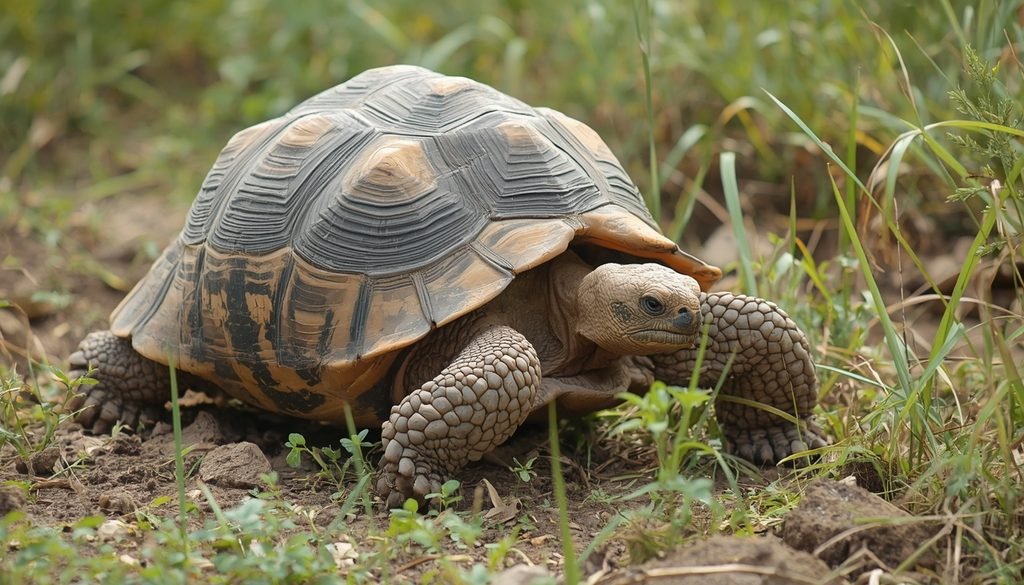
Tortoises are famous for slow, deliberate movement. Their behavior should not be interpreted as conscious human-like patience. Instead, their slow pace is linked to physiology, metabolism, body structure, and energy conservation. They can steadily search for vegetation and continue moving through challenging environments without needing the speed of many predators.
Interesting Fact: Tortoises can live for many decades, with some species reaching exceptionally old ages.
5. Elephant
Scientific Name: Elephas maximus / Loxodonta spp.
Class: Mammalia
Diet: Grasses, leaves, bark, roots and other vegetation
Habitat: Forests, grasslands and savannas
Elephants show patience-related behavior through social interaction, learning, and care of young. Young elephants learn by observing mothers and other herd members, while adults may help protect and guide calves. Asian elephants typically live in female-centered family groups that cooperate in raising young.
Interesting Fact: Elephant herds can contain several generations of related females.
6. Orangutan
Scientific Name: Pongo spp.
Class: Mammalia
Diet: Fruit, leaves, bark, insects and other foods
Habitat: Tropical forests of Borneo and Sumatra
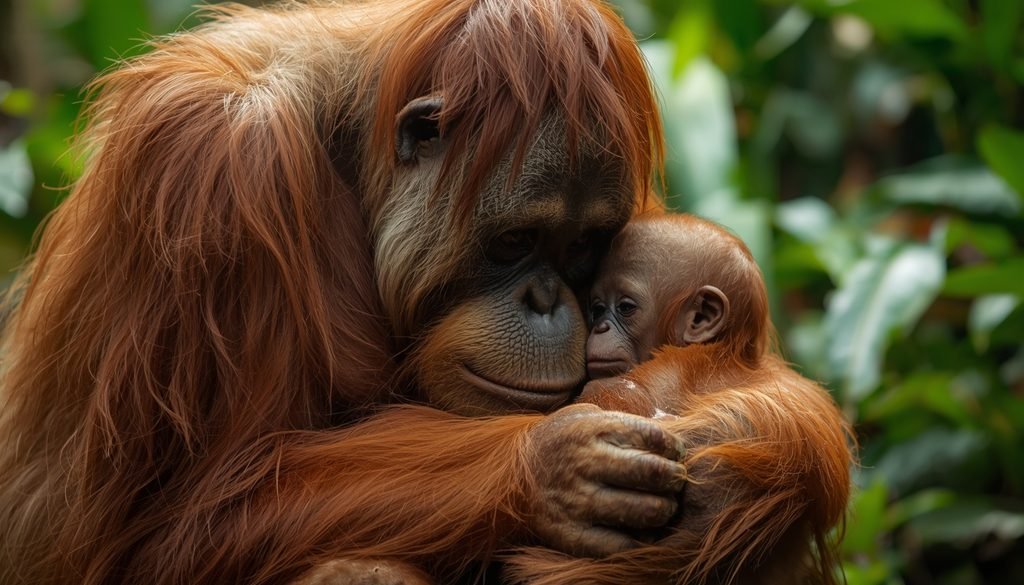
Orangutans provide one of the clearest examples of long-term parental care. Young orangutans remain dependent on their mothers for years while learning what foods to eat, where to find them, and how to move safely through the forest. Smithsonian sources note that young orangutans may remain with their mothers for six to seven years.
Interesting Fact: Orangutan mothers have one of the longest infant dependency periods among mammals.
7. Komodo Dragon
Scientific Name: Varanus komodoensis
Class: Reptilia
Diet: Deer, pigs, smaller animals and carrion
Habitat: Dry forests, savannas and rocky areas of Indonesian islands
Komodo dragons can use ambush, careful movement, and scavenging as part of their feeding strategy. Rather than continuously pursuing prey, they can take advantage of suitable opportunities. Their powerful bodies and strong senses allow them to investigate and respond when food becomes available.
Interesting Fact: The Komodo dragon is the largest living lizard species.
8. Great Blue Heron
Scientific Name: Ardea herodias
Class: Aves
Diet: Fish, amphibians, reptiles and small mammals
Habitat: Marshes, rivers, ponds, lakes and coastlines
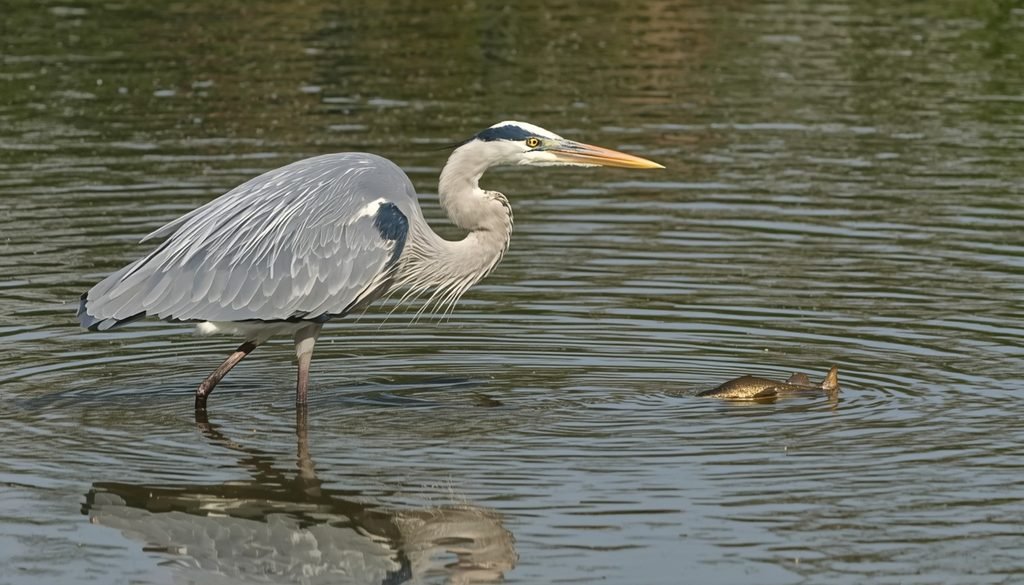
The Great Blue Heron is a classic sit-and-wait hunter. It may stand motionless in shallow water while scanning for prey, then extend its neck rapidly to grab a fish. Cornell Lab of Ornithology specifically describes Great Blue Herons as standing motionless while scanning for prey.
Interesting Fact: Its specially adapted neck allows it to make extremely fast strikes.
9. Frogfish
Scientific Name: Antennariidae
Class: Actinopterygii
Diet: Fish and other small marine animals
Habitat: Tropical and subtropical marine environments
Frogfish are masters of camouflage and ambush feeding. Many species can remain extremely difficult to detect while waiting for prey to approach. A specialized lure can help attract prey close enough for an extremely rapid feeding strike. This is a specialized feeding adaptation, not evidence that frogfish experience patience like humans.
Interesting Fact: Some frogfish can use a lure that resembles small prey.
10. Spider
Scientific Name: Araneae
Class: Arachnida
Diet: Mostly insects and other small arthropods
Habitat: Forests, grasslands, gardens, buildings and many other environments
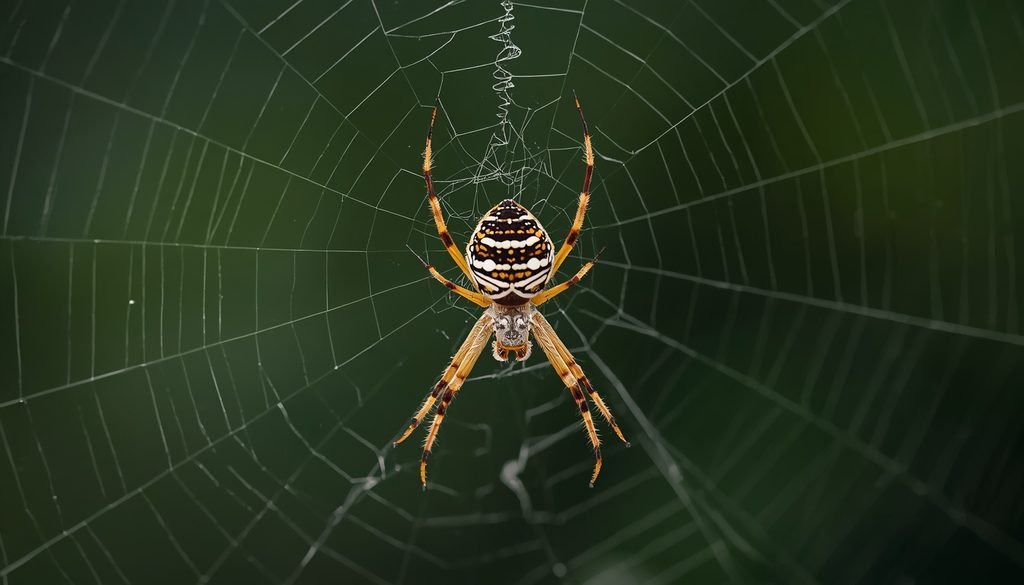
Some spiders show patience by remaining near their webs and responding when vibrations indicate that prey has become trapped. However, spider hunting is highly diverse. Not every spider builds a web, and many actively search for prey instead. Web-building species demonstrate how waiting can become part of an efficient feeding strategy.
Interesting Fact: Spiders use different hunting techniques, including webs, ambushes, pursuit, and jumping.
11. Python
Scientific Name: Pythonidae
Class: Reptilia
Diet: Mammals, birds, reptiles and other prey depending on species
Habitat: Forests, grasslands, wetlands and rocky environments
Many pythons are ambush predators. They can remain concealed and wait for prey to come within striking distance. Some pythons also go long periods between meals, although this should be separated from “patience” because fasting is partly a physiological consequence of digestion and feeding ecology.
Interesting Fact: Python species vary considerably in size, habitat, diet, and hunting behavior.
12. Sloth
Scientific Name: Choloepus spp. / Bradypus spp.
Class: Mammalia
Diet: Mainly leaves and plant material
Habitat: Tropical forests of Central and South America
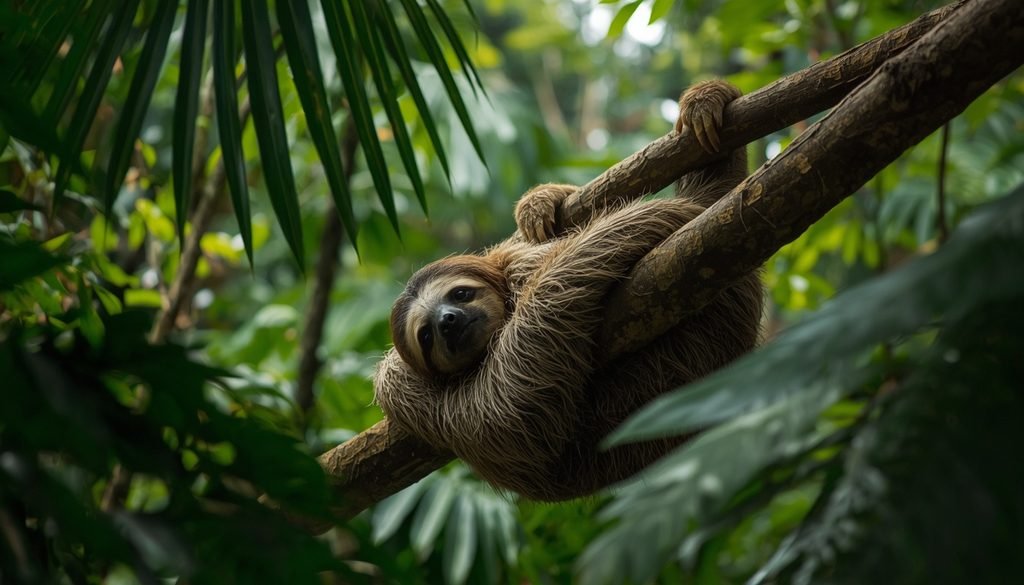
Sloths are among the most recognizable slow and patient animals, but their behavior is better explained through biology than personality. Their leafy diet provides relatively little energy, so their metabolism is unusually slow. Smithsonian sources report that sloths move slowly and use energy very economically.
Interesting Fact: Sloths are capable swimmers despite their slow movement on land.
13. Deep-Sea Octopus
Scientific Name: Graneledone boreopacifica
Class: Cephalopoda
Diet: Small marine animals
Habitat: Deep ocean
A remarkable example of prolonged parental care comes from Graneledone boreopacifica. Researchers directly observed a female guarding her eggs for 53 months, the longest egg-brooding period reported for any animal species in that study. She remained over the clutch in the cold deep sea until the eggs hatched. This extraordinary example should not be generalized to every octopus.
Interesting Fact: The observed brooding period lasted almost four and a half years.
14. Owl
Scientific Name: Strigiformes
Class: Aves
Diet: Small mammals, birds, insects and other animals
Habitat: Forests, grasslands, deserts and urban areas
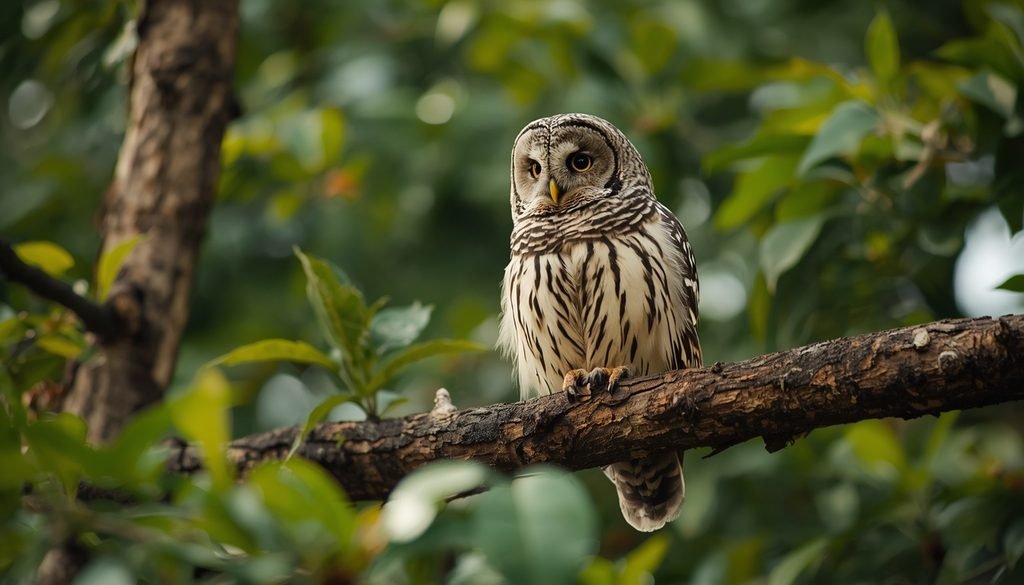
Many owls rely on quiet observation and excellent hearing to locate prey. An owl may remain still on a perch before making a sudden attack. Silent flight, strong low-light vision in many species, and sensitive hearing can make waiting and careful detection useful parts of hunting behavior.
Interesting Fact: Owl species differ widely in habitat, diet, hunting style, and activity patterns.
15. Tiger
Scientific Name: Panthera tigris
Class: Mammalia
Diet: Deer, wild pigs and other suitable prey
Habitat: Forests, grasslands, wetlands and other Asian habitats
Tigers often depend on stealth rather than a long chase. A tiger can use vegetation, shadows, and terrain to approach prey while minimizing detection. Waiting for a suitable distance and angle can improve its opportunity for a short, powerful attack. Hunting success still varies, and no hunt is guaranteed.
Interesting Fact: Tigers are generally solitary hunters.
16. Kingfisher
Scientific Name: Alcedinidae
Class: Aves
Diet: Fish, aquatic animals, insects and other prey
Habitat: Rivers, streams, lakes, wetlands and coastal areas
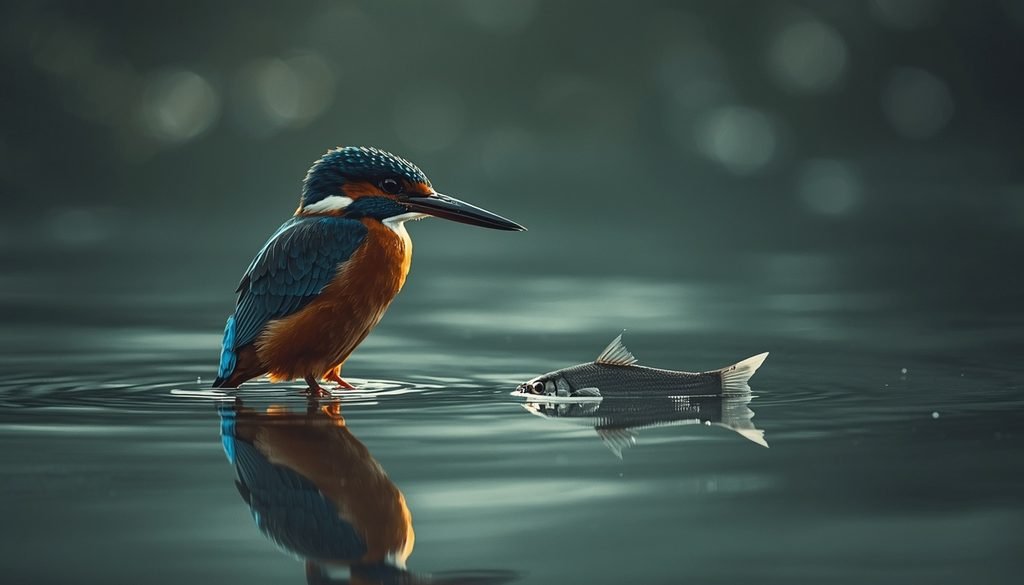
A kingfisher may sit quietly on a branch or other elevated position while watching the water below. When a fish enters a suitable position, the bird can dive rapidly and capture it. This combination of observation, timing, and a fast strike makes kingfishers excellent examples of patience-related hunting behavior.
Interesting Fact: Kingfishers occur across many parts of the world and include species with very different diets and habitats.
Why Do Animals Need Patience?
Patience-related behavior can provide several survival advantages. Predators may wait because chasing prey wastes energy or increases the chance of being detected. Ambush hunters such as crocodiles and frogfish can remain concealed until prey comes close. Birds such as herons can reduce unnecessary movement while watching for fish.
Waiting can also support parental care. Animals that guard eggs or young may spend long periods protecting offspring instead of immediately searching for food. Other species conserve energy through slow movement or limited activity.
These behaviors are shaped by evolution, environmental conditions, food availability, predator pressure, and each species’ ecological niche. What looks like patience to humans is often a practical behavioral adaptation that improves energy efficiency, feeding success, offspring survival, or risk reduction.
Different Types of Patience in the Animal Kingdom
Animal patience can appear in several different forms. Hunting patience involves waiting, stalking, or remaining hidden before attacking. Parental patience includes guarding eggs or caring for young over an extended period.
Foraging persistence occurs when animals carefully search for food rather than giving up quickly. Energy conservation can involve remaining still or moving slowly when unnecessary activity would be costly.
Some animals also demonstrate delayed gratification in controlled cognition experiments, where they can sometimes wait for a better reward instead of taking an immediate one. This is different from an ambush predator waiting for prey. These behaviors should not automatically be treated as the same mental experience.
Which Animals Show Patience While Hunting?
Many of the animals in this list show patience-related hunting strategies. Crocodiles and frogfish use ambush tactics, while Great Blue Herons and kingfishers watch for aquatic prey before striking. Eagles and owls use observation and sensory detection, whereas tigers and lions rely more heavily on stealth and positioning.
These strategies differ because every predator lives in a different ecological niche. Waiting beside water makes sense for a heron, while camouflage is particularly useful for a frogfish. In each case, patience-related behavior can reduce wasted energy or improve the timing of an attack.
Read more: 18 Animals That Eat Frogs
Final Thoughts
The most patient animals are not necessarily the animals that simply move slowly. Patience-related behavior can mean waiting for prey, carefully stalking a target, conserving energy, protecting eggs, or spending years helping young animals develop important survival skills.
Crocodiles, herons, frogfish, tigers, orangutans, elephants, sloths, and deep-sea octopuses show very different examples of waiting and persistence. These behaviors are shaped by biology, habitat, food availability, reproduction, and natural selection rather than necessarily reflecting human-like emotions.
The animal kingdom is full of remarkable survival strategies, and patience is one fascinating way to understand them. For more interesting wildlife facts and animal behavior guides, explore Animalfacthubz.com.
FAQs
1. What are the most patient animals in the world?
Animals often described as showing patience-related behavior include crocodiles, frogfish, Great Blue Herons, owls, tigers, tortoises, orangutans, and deep-sea octopuses. They wait for prey, conserve energy, protect offspring, or carefully respond to environmental opportunities.
2. Which animal is known for waiting patiently to catch prey?
The Great Blue Heron is well known for standing motionless while watching for prey in shallow water. When a fish comes within range, it can strike extremely quickly. Crocodiles, frogfish, owls, and kingfishers also use waiting-based hunting strategies.
3. What is the most patient predator?
There is no scientifically established “most patient predator.” Different predators show patience in different ways. Crocodiles may use ambush hunting, frogfish rely on camouflage, and tigers use stealth and positioning. Because these strategies are not directly comparable, ranking one predator first would be misleading.
4. Are crocodiles patient hunters?
Yes, crocodiles show observable behaviors that can be described as patient hunting. They may remain still near water and wait for prey to approach before making a rapid attack. This strategy helps them avoid unnecessary movement and can conserve energy.
5. Which bird is known for patient hunting?
Great Blue Herons are a strong example of patient hunting birds. They may stand motionless in shallow water while watching for fish and other prey. Kingfishers, owls, and many eagles also use waiting, observation, and precise timing when hunting.
6. Do animals experience patience like humans?
Scientists should be careful about making that comparison. Animals clearly display behaviors involving waiting, persistence, delayed action, and prolonged parental care, but these behaviors do not automatically prove that animals experience the human emotion or concept of patience.
7. Which animal shows patience while caring for its young?
Orangutans provide an excellent example of extended maternal care. Young orangutans remain dependent on their mothers for years while learning about food, movement, and survival. Some deep-sea octopuses also show remarkable egg-guarding behavior, including Graneledone boreopacifica.
8. Why do predators wait before attacking prey?
Predators may wait because immediate movement can alert prey and waste energy. Remaining hidden can allow an animal to reduce detection risk and attack from a better position. The exact reason varies according to the predator, prey, habitat, and hunting strategy.

One thought on “16 Most Patient Animals in the World: Amazing Wildlife Waiting Skills”