
Introduction
Some animals look naturally round, chunky, fluffy, or chubby because of their body structure and survival adaptations. A thick coat can make a small animal appear larger, while blubber helps marine mammals stay warm. Other animals have broad bodies, short legs, strong muscles, or natural fat reserves that give them a rounded appearance.
The term chubby animals is descriptive rather than a scientific classification. An animal that looks fat may actually have dense fur, thick skin, muscle, blubber, or a compact body designed for its environment.
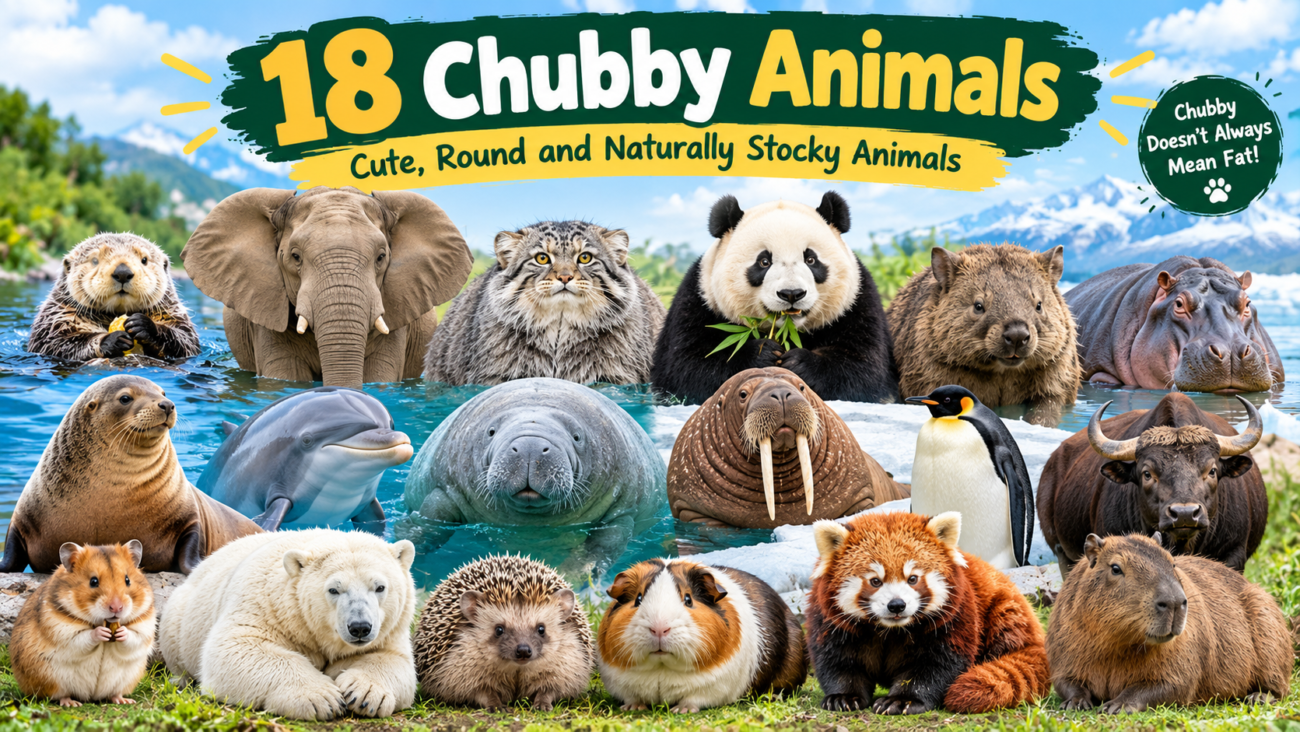
From the fluffy Pallas’s cat to the barrel-shaped capybara, the animal kingdom has many fascinating examples. Here are 18 naturally round, chunky, bulky, and adorable animals worth knowing.
What Are Chubby Animals?
Chubby animals are animals that appear rounded, plump, chunky, or bulky because of their natural body shape, fur, fat reserves, blubber, or other physical adaptations. They are not necessarily overweight. In many species, a rounded body helps with insulation, energy storage, swimming, burrowing, or surviving harsh climates.
Quick List of 18 Chubby Animals
- Sea Otter
- Elephant
- Pallas’s Cat
- Giant Panda
- Wombat
- Hippopotamus
- Sea Lion
- Dolphin
- Manatee
- Walrus
- Penguin
- Gaur
- Hamster
- Polar Bear
- Hedgehog
- Guinea Pig
- Red Panda
- Capybara
1. Sea Otter
Scientific Name: Enhydra lutris
Class: Mammalia
Diet: Carnivore
Habitat: Coastal marine waters, kelp forests, and rocky shores
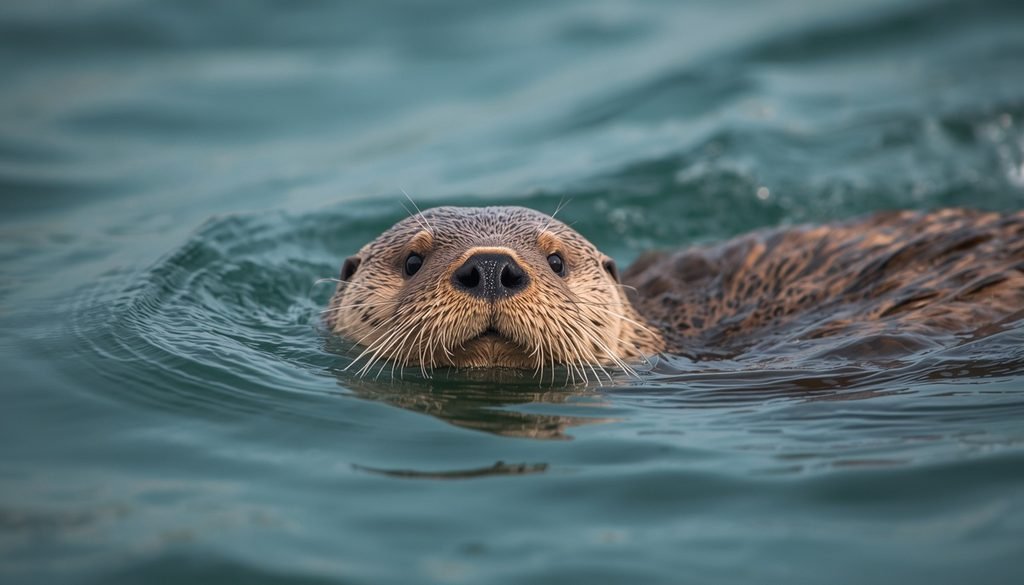
Sea otters are among the cutest chubby-looking animals. Their rounded faces, thick fur, and compact bodies give them a soft appearance. However, much of this appearance comes from their extremely dense fur rather than a large layer of body fat. Sea otters have the densest fur of any mammal, and the fur traps air to provide insulation in cold water. They also spend considerable time grooming their coats to maintain this insulation.
Interesting Fact: Sea otters do not rely on a thick layer of insulating body fat like many other marine mammals.
2. Elephant
Scientific Name: Loxodonta africana / Elephas maximus
Class: Mammalia
Diet: Herbivore
Habitat: Savannas, forests, grasslands, and wetlands
Elephants are not fat animals in the usual sense, but their enormous size and broad bodies can make them look wonderfully bulky. Their large bones, powerful muscles, thick skin, and substantial body mass create a massive rounded profile. Their bodies are built for walking long distances, feeding on vegetation, and handling demanding environments. Elephants also use their large ears to help release body heat.
Interesting Fact: An elephant’s trunk contains tens of thousands of muscles and is used for feeding, drinking, communication, and many other tasks.
3. Pallas’s Cat
Scientific Name: Otocolobus manul
Class: Mammalia
Diet: Carnivore
Habitat: Rocky steppes, grasslands, and cold mountain regions
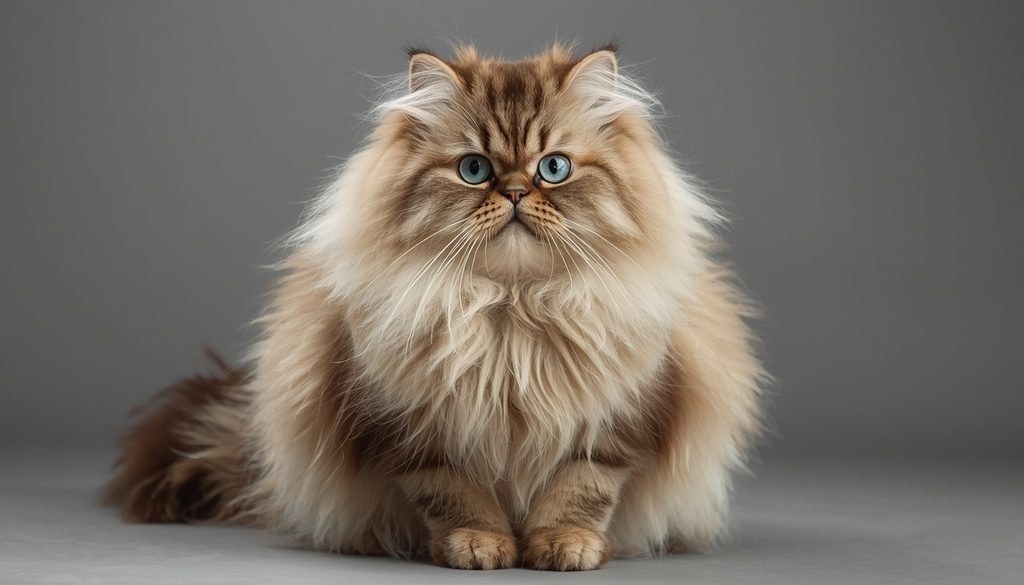
Pallas’s cat is one of the best examples of a naturally chubby-looking wild cat. Its body is actually relatively small, but extremely dense and long fur makes it appear much larger. It also has short, stocky legs, a thick tail, and a compact body. These features are useful in the cold environments of Central Asia. Animal Diversity Web notes that its fluffy coat can make the cat appear heavier than it really is.
Interesting Fact: Pallas’s cats have unusually round faces and ears positioned low on the head.
4. Giant Panda
Scientific Name: Ailuropoda melanoleuca
Class: Mammalia
Diet: Herbivore
Habitat: Mountain bamboo forests of central China
Giant pandas have a naturally rounded and chunky appearance. Their broad bodies, thick woolly coats, large heads, and powerful limbs contribute to their famous teddy-bear-like shape. Although their diet is dominated by bamboo, pandas have strong jaws and large molar teeth adapted for crushing tough plant material. Their thick coat also helps them remain warm in cool mountain forests.
Interesting Fact: Giant pandas spend much of their active time eating because bamboo provides relatively little energy.
5. Wombat
Scientific Name: Vombatus ursinus
Class: Mammalia
Diet: Herbivore
Habitat: Forests, grasslands, and woodland areas of Australia
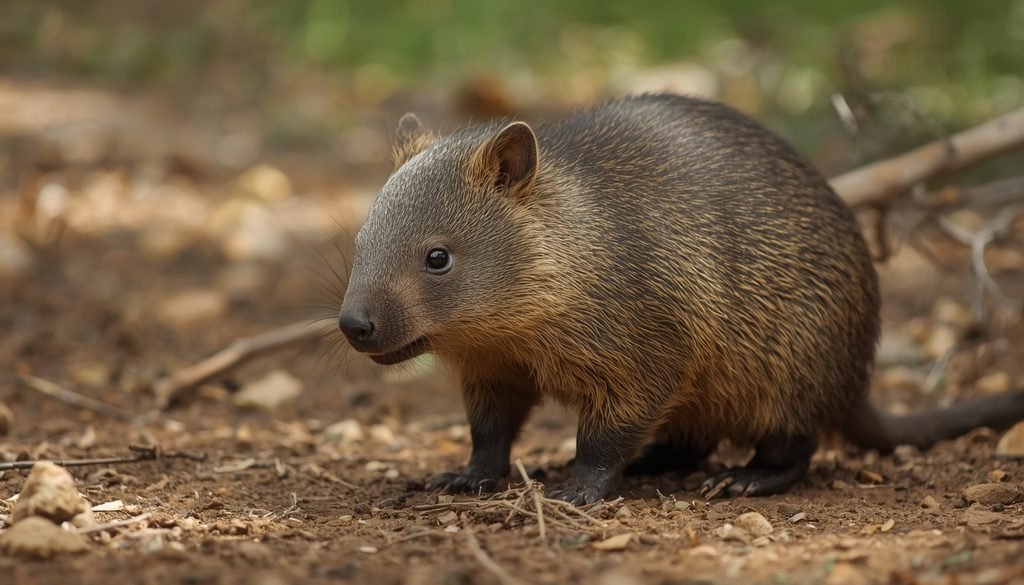
Wombats have a compact, stocky body that naturally makes them look chubby. They have short legs, a broad body, small ears, and a short tail. Their powerful limbs and claws are adapted for digging extensive burrow systems. This chunky shape is therefore more about body structure and strength than excess body fat. Wombats are excellent examples of naturally round animals.
Interesting Fact: Some wombat burrow systems can extend for more than 20 meters.
6. Hippopotamus
Scientific Name: Hippopotamus amphibius
Class: Mammalia
Diet: Herbivore
Habitat: Rivers, lakes, wetlands, and African grasslands
The hippopotamus has one of the most unmistakably bulky bodies in the animal kingdom. Its huge head, barrel-shaped torso, short legs, and enormous body mass give it a rounded appearance. Hippos spend much of the day in water and usually leave the water to feed on vegetation after sunset. Their thick skin and unusual skin secretions also provide protection from sunlight and microorganisms.
Interesting Fact: Adult hippos can weigh several thousand kilograms.
7. Sea Lion
Scientific Name: Zalophus californianus
Class: Mammalia
Diet: Carnivore
Habitat: Coastal waters and rocky shores
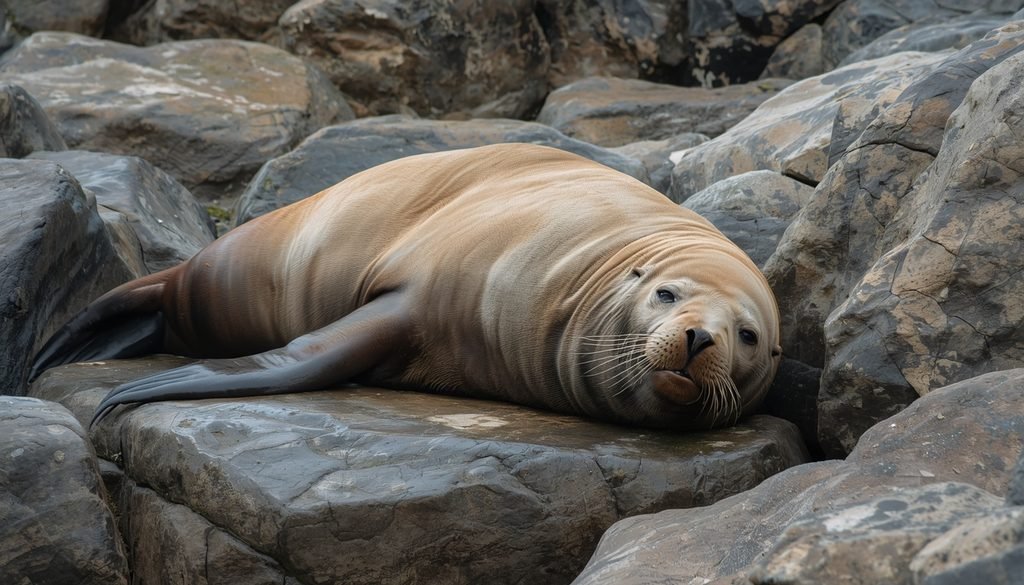
Sea lions have broad, powerful bodies that can appear very chunky when they rest on beaches or rocks. Their body shape is designed for life in the ocean, while stored energy and body tissues help them function in cold water. Their large front flippers make them excellent swimmers and also allow them to move surprisingly well on land.
Interesting Fact: Sea lions can use their front flippers to help support their bodies while moving on land.
8. Dolphin
Scientific Name: Tursiops truncatus
Class: Mammalia
Diet: Carnivore
Habitat: Coastal and offshore marine waters
Dolphins are usually described as streamlined rather than chubby, but their smooth bodies can look rounded from certain angles. Beneath their skin, a layer of blubber provides insulation and energy storage. Their streamlined shape helps them move efficiently through water while their muscular bodies support powerful swimming. So, dolphins are a good example of why a rounded appearance does not necessarily mean an animal is overweight.
Interesting Fact: Dolphins are air-breathing mammals even though they spend their lives in water.
9. Manatee
Scientific Name: Trichechus manatus
Class: Mammalia
Diet: Herbivore
Habitat: Warm coastal waters, rivers, and freshwater wetlands
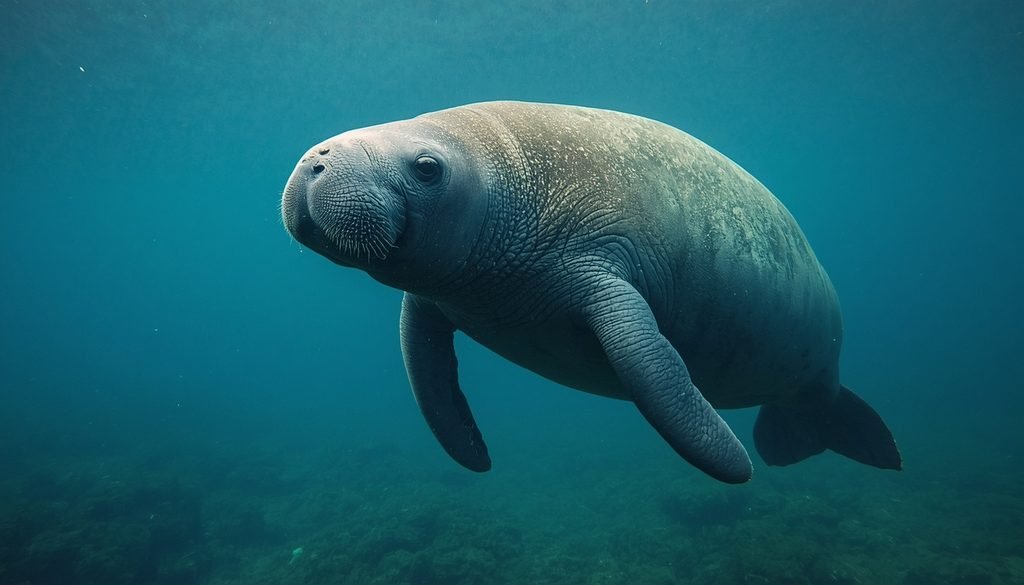
Manatees are often called sea cows because of their large, slow-moving bodies and plant-based diet. Their thick, rounded bodies and paddle-like tails make them some of the most recognizable chubby-looking aquatic animals. They have substantial body tissues that help with buoyancy and energy storage. Their slow movements and peaceful feeding behavior make them especially popular with wildlife lovers.
Interesting Fact: Manatees can spend hours feeding on aquatic vegetation.
10. Walrus
Scientific Name: Odobenus rosmarus
Class: Mammalia
Diet: Carnivore
Habitat: Arctic and sub-Arctic coastal waters
Walruses are naturally bulky animals with enormous bodies, thick skin, and a substantial layer of blubber. Their rounded appearance is particularly obvious when they gather together on sea ice or beaches. Blubber helps insulate them against freezing Arctic water. Their famous tusks and sensitive whiskers are also important parts of their anatomy.
Interesting Fact: Walrus whiskers help them locate prey on the seafloor.
11. Penguin
Scientific Name: Aptenodytes forsteri
Class: Aves
Diet: Carnivore
Habitat: Antarctic and sub-Antarctic environments
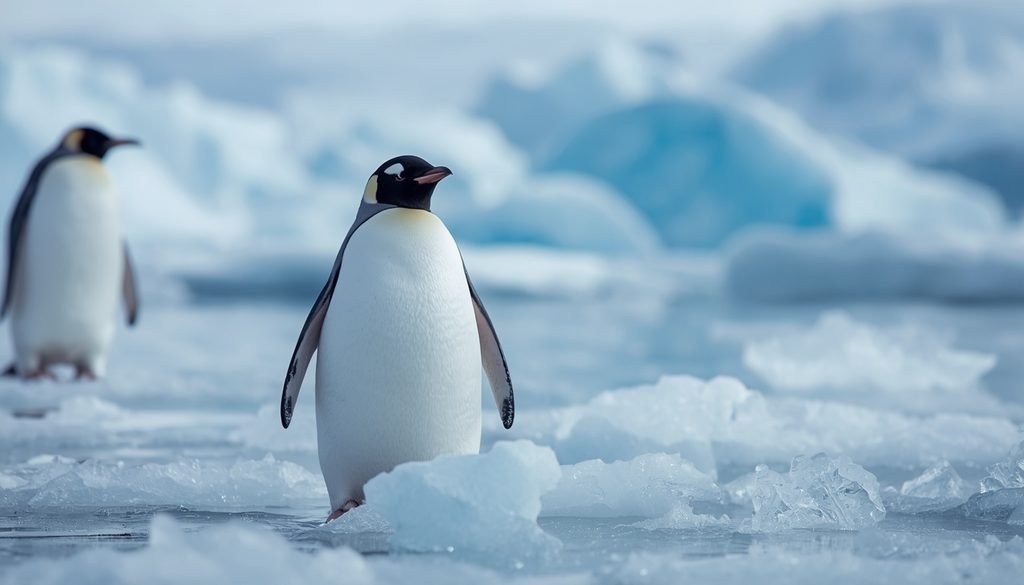
Penguins have rounded bodies because their shape is closely connected to life in cold water. Dense feathers, body fat, and a compact shape help reduce heat loss. Their rounded profile also allows them to move efficiently underwater. Emperor penguins are especially well adapted to extremely cold conditions, where insulation is essential for survival.
Interesting Fact: Penguin feathers provide waterproofing as well as insulation.
12. Gaur
Scientific Name: Bos gaurus
Class: Mammalia
Diet: Herbivore
Habitat: Tropical forests, grasslands, and forest edges of South and Southeast Asia
The gaur is one of the world’s largest wild cattle and has an extremely powerful, bulky body. Its rounded appearance comes mainly from its enormous muscles, broad shoulders, heavy neck, and strong skeleton rather than simply body fat. Adult males can look particularly massive. This makes the gaur an excellent example of a chunky animal whose size reflects strength and physical structure.
Interesting Fact: The gaur’s shoulder region is especially muscular and prominent.
13. Hamster
Scientific Name: Mesocricetus auratus
Class: Mammalia
Diet: Omnivore
Habitat: Dry grasslands and semi-arid regions; commonly kept as a pet
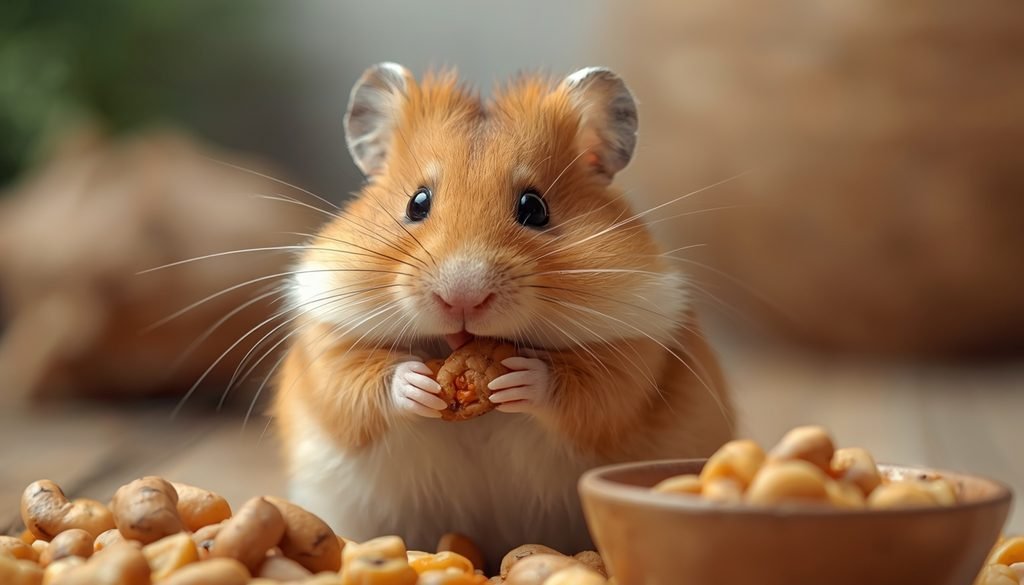
Hamsters are classic examples of cute chubby animals. Their compact bodies, short legs, rounded ears, and fluffy coats give them a naturally plump appearance. However, their cheek pouches can make their faces look even rounder when filled with food. These pouches are temporary food-storage structures and should not be mistaken for body fat.
Interesting Fact: Hamsters can carry food in expandable cheek pouches.
14. Polar Bear
Scientific Name: Ursus maritimus
Class: Mammalia
Diet: Carnivore
Habitat: Arctic sea ice and coastal regions
Polar bears can look enormous and rounded because they combine a large body with dense fur and a thick layer of body fat. Their fat reserves are particularly important because they live in one of Earth’s coldest environments. Polar bears depend heavily on Arctic sea ice for hunting, traveling, and resting.
Interesting Fact: The scientific name Ursus maritimus means “maritime bear.”
15. Hedgehog
Scientific Name: Erinaceus europaeus
Class: Mammalia
Diet: Omnivore
Habitat: Grasslands, gardens, woodland edges, and hedgerows
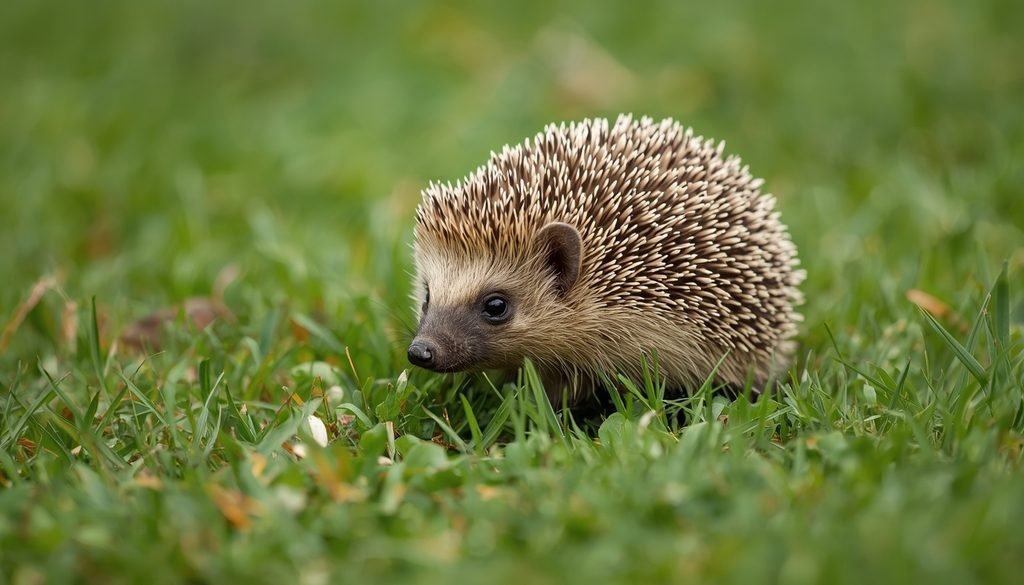
Hedgehogs are small, compact mammals with short legs and rounded bodies. Their spiny backs can make their bodies look even more spherical when they curl up. Their body shape helps them move through vegetation and use their powerful muscles to curl into a defensive ball. Hedgehogs are therefore naturally round rather than simply being overweight.
Interesting Fact: A hedgehog can curl its body to expose its spines when threatened.
16. Guinea Pig
Scientific Name: Cavia porcellus
Class: Mammalia
Diet: Herbivore
Habitat: Domestic environments; wild relatives occur in South American grasslands
Guinea pigs have short legs, compact bodies, rounded heads, and soft coats. These features give them their familiar plump appearance. Different breeds can have short, long, or curly hair, making some guinea pigs look especially fluffy and round. Their appearance should be understood as normal body structure rather than automatically assuming excess weight.
Interesting Fact: Guinea pigs cannot produce vitamin C themselves and need it from their diet.
17. Red Panda
Scientific Name: Ailurus fulgens
Class: Mammalia
Diet: Herbivore
Habitat: High forests of the Himalayas and southwestern China
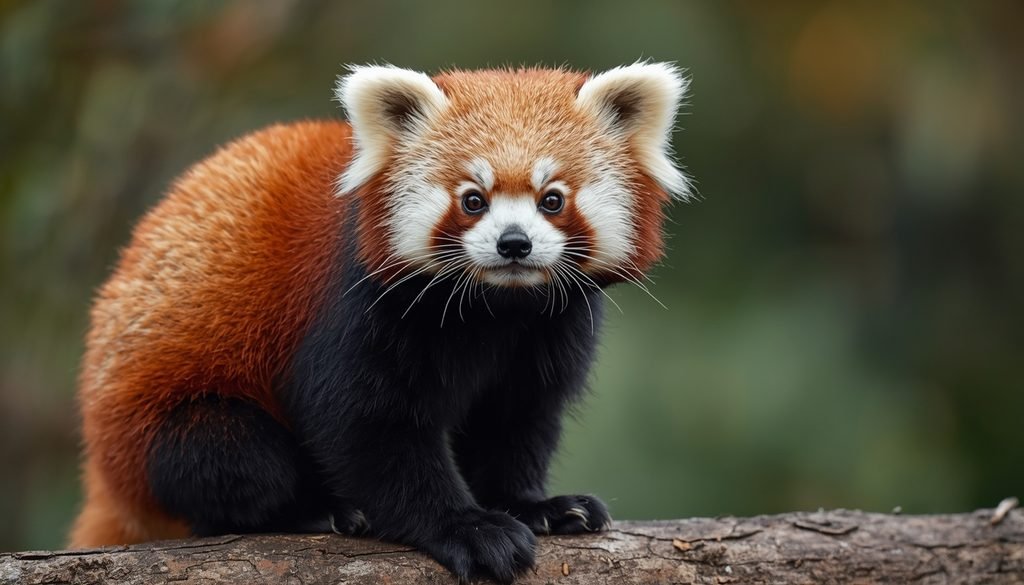
Red pandas have round heads, short snouts, dense fur, and large bushy tails. Their thick coat can make their bodies appear considerably fuller than they actually are. Dense fur covers their feet and helps protect them from cold conditions. Their rounded appearance is therefore strongly connected to their adaptation to cool mountain forests.
Interesting Fact: Red pandas and giant pandas are not closely related despite sharing the name “panda.”
18. Capybara
Scientific Name: Hydrochoerus hydrochaeris
Class: Mammalia
Diet: Herbivore
Habitat: Wetlands, flooded grasslands, marshes, and forest edges in South America
Capybaras are among the most famous naturally round animals. They have large barrel-shaped bodies, short limbs, no visible tail, and partially webbed feet. As the world’s largest rodents, they can weigh between about 35 and 66 kilograms. Their sturdy body is well suited to a semi-aquatic lifestyle, especially in areas close to permanent water.
Interesting Fact: Capybaras are highly social and are often seen resting or feeding in groups.
Why Do Some Animals Look Chubby?
There are several reasons why animals can appear chubby or round. Dense fur can make an animal look much larger than its actual body size, as seen in Pallas’s cats and red pandas. Marine mammals such as walruses and polar bears can have substantial fat reserves or blubber that provide insulation in cold environments.
Body structure also matters. Wombats, hippos, capybaras, and giant pandas have naturally compact or broad bodies. In other animals, such as gaurs, a bulky appearance comes largely from muscle and a powerful skeleton.
Therefore, a round animal is not necessarily a fat animal. Appearance can result from fur, feathers, muscle, body fat, blubber, posture, or evolutionary adaptation.
Is Being Chubby an Advantage for Animals?
In many cases, the physical features that make an animal look chubby can provide important survival benefits. Fat reserves can store energy, while blubber provides insulation in cold water. Dense fur can trap air and reduce heat loss, and compact bodies can help animals conserve heat.
For other species, a bulky body can provide strength. Hippos have huge bodies for their semi-aquatic lifestyle, while gaurs have powerful muscles suited to their large terrestrial bodies.
So, what looks like “chubbiness” may actually be an important survival strategy.
Read More: 12 Animals Like Groundhogs
Final Thoughts
From tiny hamsters and guinea pigs to enormous elephants and hippos, the animal kingdom contains many naturally round and chunky species. Some look chubby because of dense fur, while others have blubber, fat reserves, powerful muscles, or compact body structures.
The 18 chubby animals in this guide show that a rounded appearance can have many different explanations. Pallas’s cats look fluffy because of their thick coats, walruses rely on blubber for insulation, and capybaras have naturally barrel-shaped bodies.
Rather than thinking of these animals simply as “fat animals,” it is more accurate to appreciate the physical adaptations that make each species unique.
Frequently Asked Questions
What are chubby animals?
Chubby animals are species that naturally appear round, plump, chunky, or bulky because of their body structure, fur, feathers, muscle, fat reserves, or blubber.
What is the chubbiest animal?
There is no scientifically recognized “chubbiest animal” ranking. Animals such as hippos, walruses, capybaras, wombats, and manatees are often described as chubby because of their naturally rounded bodies.
Why do some animals look fat?
Animals may look fat because they have dense fur, thick feathers, blubber, body fat, large muscles, or naturally broad and compact bodies.
Are chubby animals actually overweight?
Not necessarily. A naturally round animal can be completely healthy. Body shape does not automatically indicate excess body fat.
Which animals have lots of body fat?
Some marine mammals and cold-climate animals have significant fat reserves or blubber. These tissues can help provide insulation and stored energy.
What are some cute chubby animals?
Popular examples include capybaras, guinea pigs, hamsters, wombats, giant pandas, red pandas, sea otters, and hedgehogs.
Why are polar bears so round?
Polar bears have large bodies, dense fur, and substantial fat reserves. These adaptations help them survive the extreme Arctic environment.
What makes capybaras look chubby?
Capybaras have a naturally barrel-shaped, sturdy body with short limbs and no visible tail. Their physical structure is adapted to a semi-aquatic lifestyle.

One thought on “18 Chubby Animals: Cute, Round and Naturally Stocky Animals”