
Introduction
Cleanliness is not just a human habit. Many animals spend a surprising amount of time grooming their bodies, removing dirt, caring for their fur or feathers, and protecting themselves from parasites. These behaviors are important because good body condition can help animals survive in their natural environments.
From cats carefully licking their coats to birds preening their feathers, different species have developed different ways to stay clean. Some animals use water, while others rely on dust, mud, their tongues, claws, or even help from members of their group.
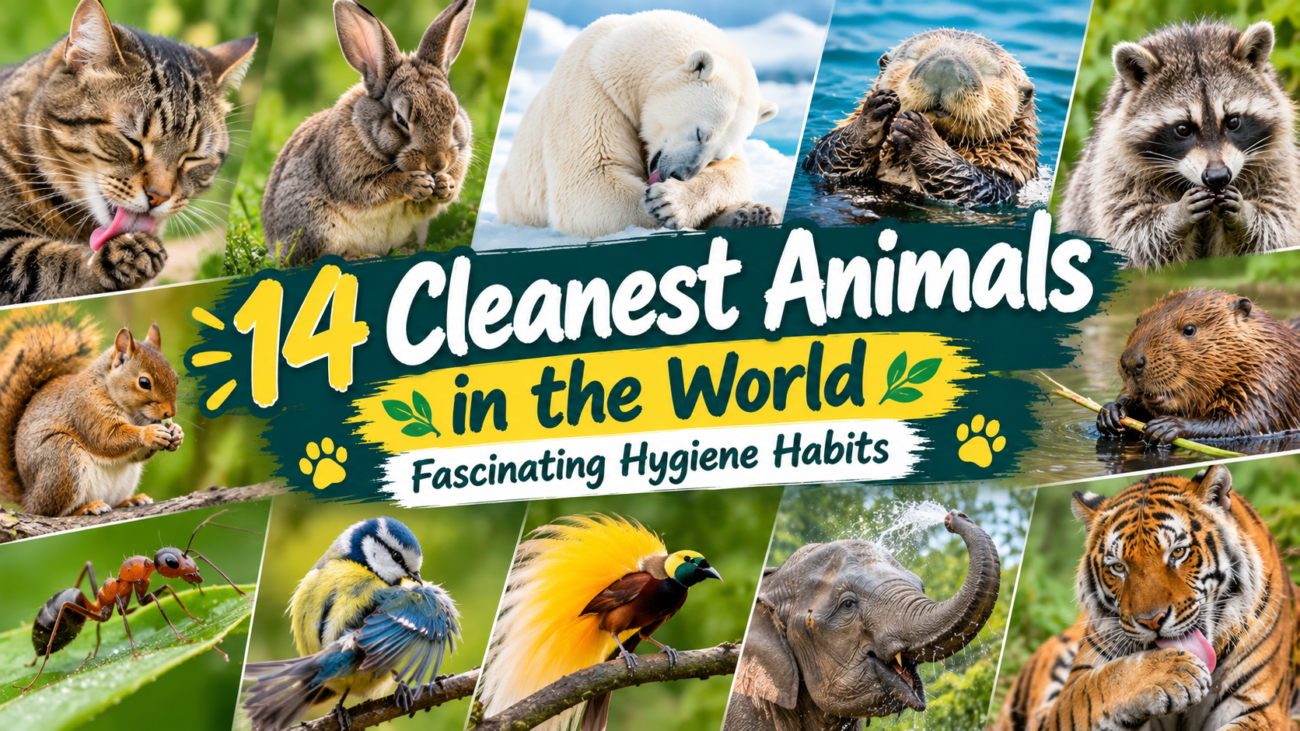
The phrase cleanest animals in the world is not an official scientific ranking. Instead, it is commonly used to describe animals that show impressive hygiene-related behaviors. In this guide, we will look at 14 fascinating animals and explain what makes their grooming or cleanliness habits special.
What Are the Cleanest Animals in the World?
The cleanest animals in the world are commonly considered species that regularly groom themselves, bathe, preen their feathers, remove parasites, or maintain their living spaces. Cats, rabbits, sea otters, ants, birds, and elephants are examples of animals with notable hygiene-related behaviors. However, there is no official scientific ranking of animals by cleanliness.
List of Cleanest Animals in the World
Here are 14 animals known for interesting grooming, bathing, preening, or hygiene-related behaviors:
- Cats
- Rabbits
- Polar Bears
- Sea Otters
- Raccoons
- Squirrels
- Beavers
- Hamsters
- Ants
- Badgers
- Songbirds
- Birds of Paradise
- Elephants
- Tigers
1. Cats
Scientific Name: Felis catus
Class: Mammalia
Diet: Carnivore
Habitat: Domestic environments worldwide
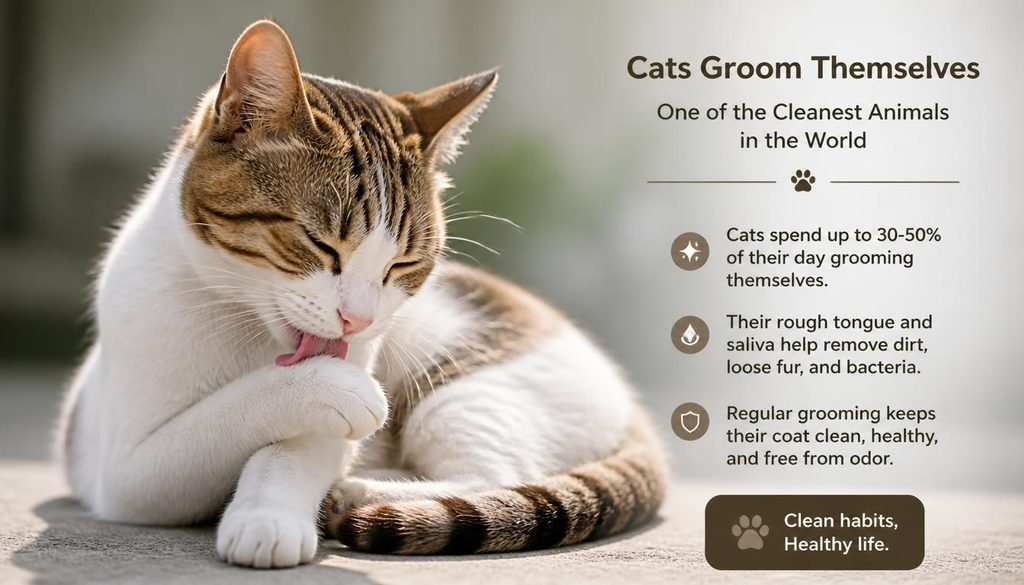
Cats are famous for their careful grooming habits. They use their rough tongues to clean their fur, remove loose hairs and debris, and spread natural oils across their coats. Grooming is also an important part of normal feline behavior and can help with parasite control.
A cat can reach many parts of its body while grooming, including its paws, legs, chest, and sides. This regular self-grooming is one major reason cats are often described as exceptionally clean animals.
Interesting Fact: Cats can also groom one another, a behavior called social grooming.
2. Rabbits
Scientific Name: Oryctolagus cuniculus
Class: Mammalia
Diet: Herbivore
Habitat: Grasslands, woodland edges, farms, and domestic environments
Rabbits regularly groom their fur and carefully clean different parts of their bodies. Their grooming helps remove loose hair, dirt, and other material from the coat. Like many mammals, this behavior contributes to maintaining healthy skin and fur.
Rabbits also have strong instincts for keeping their immediate living areas organized. A clean environment is especially important for domestic rabbits because poor hygiene can contribute to health problems.
Interesting Fact: Rabbits use their paws to help clean areas that are difficult to reach with their mouths.
3. Polar Bears
Scientific Name: Ursus maritimus
Class: Mammalia
Diet: Carnivore
Habitat: Arctic sea ice and coastal regions
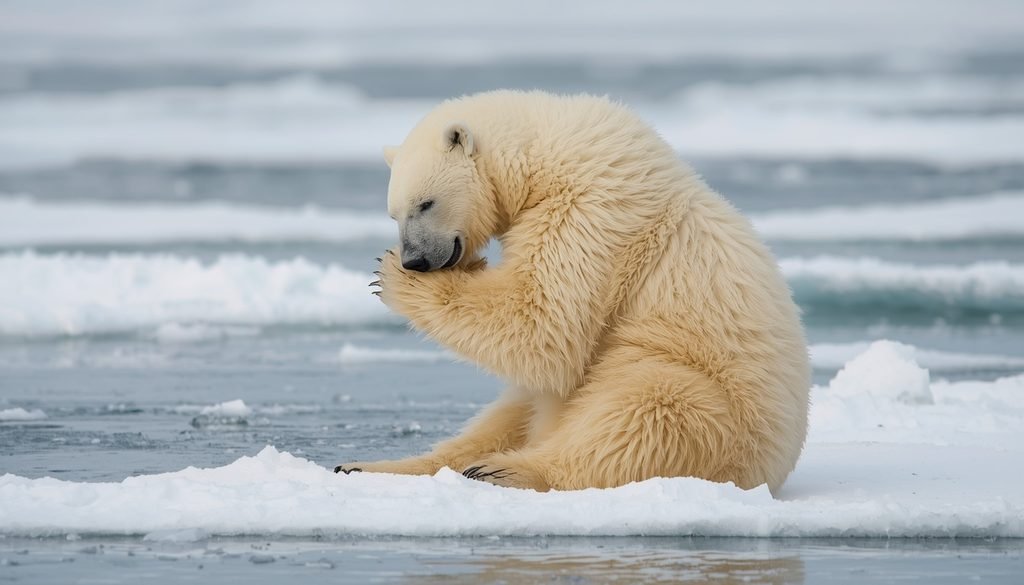
Polar bears live in a harsh Arctic environment, yet they regularly groom themselves. After swimming or feeding, they may roll, shake, and rub against surfaces to help maintain their fur.
Their coat is much more than a covering. Healthy fur contributes to insulation and helps the bear cope with extremely cold conditions. Grooming therefore supports more than appearance; it helps maintain an important physical adaptation.
Interesting Fact: Polar bears may spend time grooming after entering or leaving the water.
4. Sea Otters
Scientific Name: Enhydra lutris
Class: Mammalia
Diet: Carnivore
Habitat: Coastal marine waters
Sea otters are among the most impressive self-groomers in the animal kingdom. Their extremely dense fur must be carefully maintained because sea otters do not depend on a thick layer of blubber for insulation. Grooming helps keep the coat functional by removing debris, separating hairs, and trapping insulating air.
They use their paws, claws, and mouths while grooming and can spend a substantial part of their day caring for their fur. For a sea otter, grooming is closely connected to staying warm and healthy.
Interesting Fact: Sea otter fur can contain hundreds of thousands of hairs per square inch.
5. Raccoons
Scientific Name: Procyon lotor
Class: Mammalia
Diet: Omnivore
Habitat: Forests, wetlands, grasslands, and urban areas
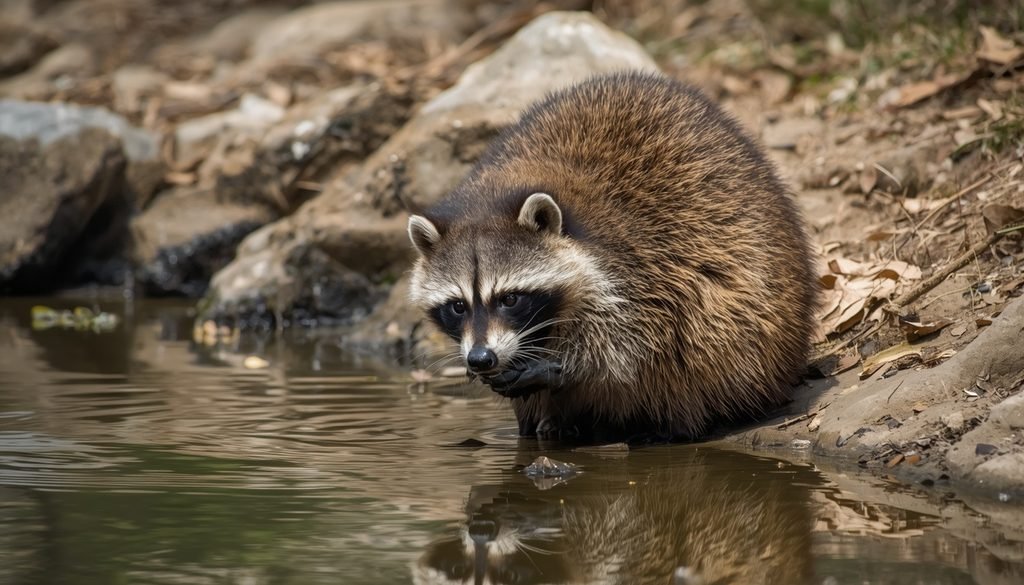
Raccoons have a reputation for being curious and highly dexterous animals. They frequently groom themselves and use their sensitive front paws to explore objects and food.
Their habit of handling food in or near water has led to the popular idea that raccoons “wash” their food. However, this should not be interpreted as human-style dishwashing. Their behavior is better understood as a combination of tactile exploration, food handling, and natural behavior.
Interesting Fact: Raccoons have highly sensitive front paws that help them manipulate objects.
6. Squirrels
Scientific Name: Sciurus
Class: Mammalia
Diet: Omnivore
Habitat: Forests, parks, gardens, and woodlands
Squirrels spend time grooming their fur just like many other small mammals. They use their mouths and paws to remove dirt and maintain the condition of their coats.
Grooming can also help squirrels deal with loose material and external parasites. Their attention to fur maintenance is particularly useful because they spend much of their lives climbing trees and moving through vegetation.
Interesting Fact: Squirrels can groom difficult-to-reach parts of their bodies by using flexible movements and their paws.
7. Beavers
Scientific Name: Castor canadensis
Class: Mammalia
Diet: Herbivore
Habitat: Rivers, streams, ponds, and wetlands
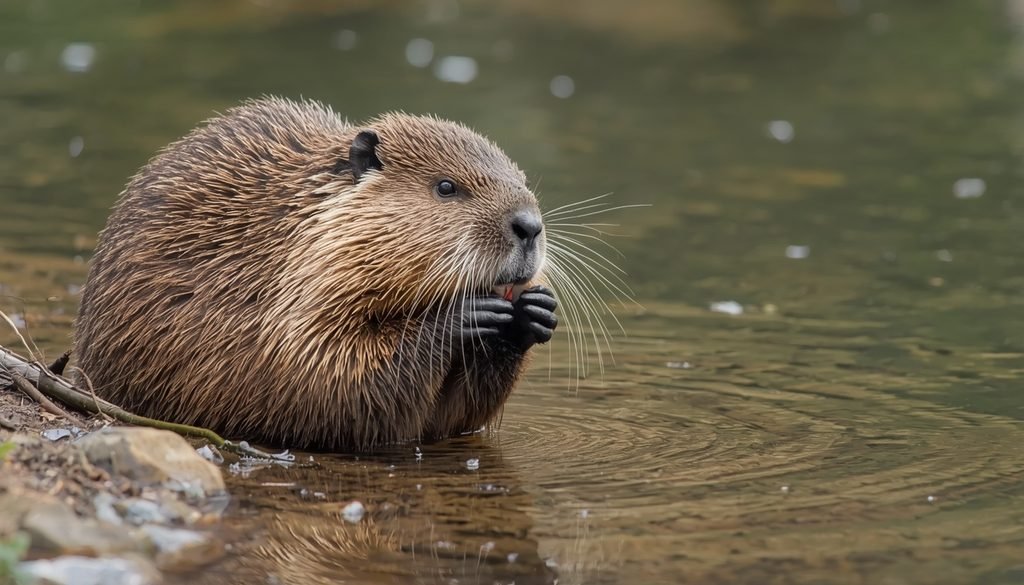
Beavers have dense fur that needs regular maintenance. They groom their coats using their paws and other parts of their bodies, helping keep the fur in useful condition.
Their semi-aquatic lifestyle also makes coat care important. Healthy fur provides insulation while beavers spend time in cold water. They also use specialized secretions associated with their fur, helping maintain its condition.
Interesting Fact: A beaver’s large front teeth continue growing throughout its life and must be kept worn down through regular use.
8. Hamsters
Scientific Name: Mesocricetus
Class: Mammalia
Diet: Omnivore
Habitat: Dry grasslands and other terrestrial environments
Hamsters are small animals with noticeable grooming routines. They regularly clean their faces and fur using their paws and mouths. This helps remove debris and maintain their coat.
Hamsters also spend time arranging and maintaining their nests. In captivity, their natural behaviors are supported when they have suitable bedding and separate areas for sleeping, eating, and toileting.
Interesting Fact: A hamster can use its front paws almost like tiny washing tools when cleaning its face.
9. Ants
Scientific Name: Formicidae
Class: Insecta
Diet: Varies by species
Habitat: Soil, forests, grasslands, and many other environments
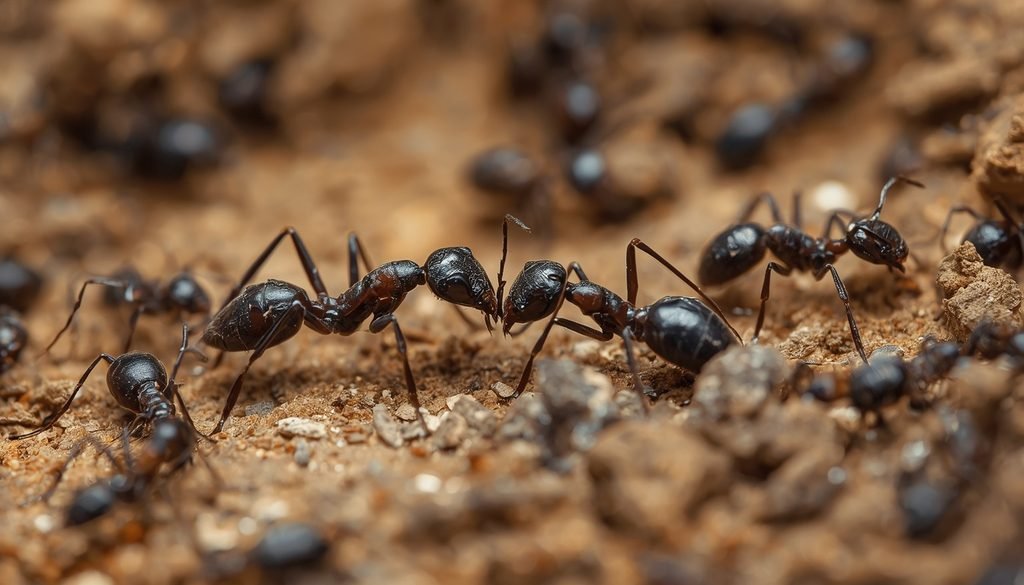
Ants show that cleanliness is not limited to mammals. Many ants groom themselves and use their legs and mouthparts to remove unwanted material from their bodies.
Even more interesting is social grooming. Ants can interact with nestmates during cleaning, helping remove particles and potentially harmful organisms. Colony hygiene can therefore involve both individual grooming and group behavior.
Interesting Fact: Ant colonies have evolved a variety of sanitation behaviors that help protect the colony from threats.
10. Badgers
Scientific Name: Taxidea taxus
Class: Mammalia
Diet: Carnivore
Habitat: Grasslands, prairies, deserts, and open woodland
Badgers are powerful digging mammals that spend much of their time close to the ground. Like other mammals, they groom their fur to remove dirt and unwanted material.
Their burrowing lifestyle also makes the condition of their underground shelter important. Badgers may maintain burrow systems with different areas and entrances, although exact behavior varies among badger species.
Interesting Fact: American badgers are excellent diggers and can rapidly excavate soil while searching for prey or shelter.
11. Songbirds
Scientific Name: Various species
Class: Aves
Diet: Varies by species
Habitat: Forests, grasslands, wetlands, gardens, and urban areas
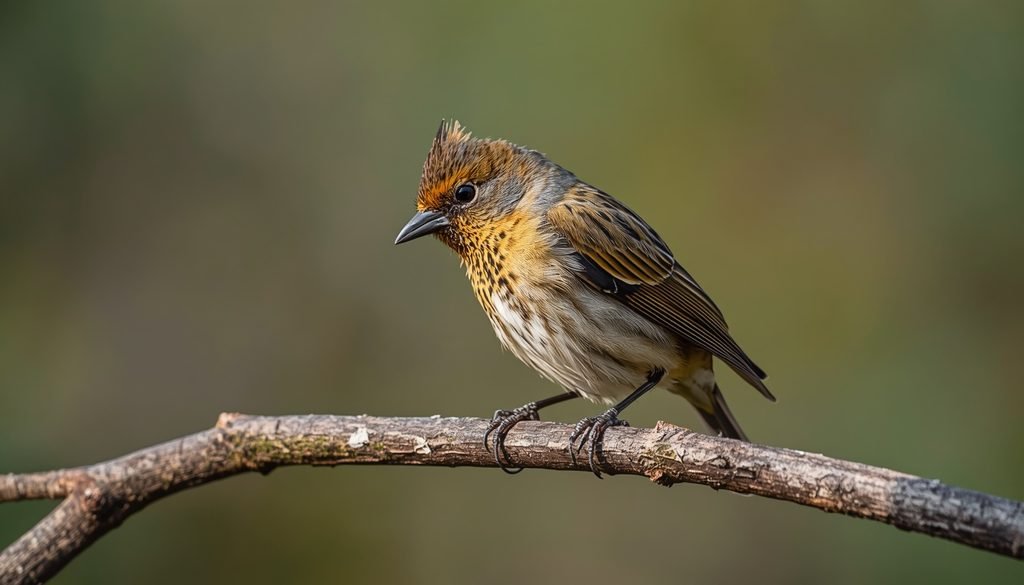
Songbirds regularly preen their feathers. Preening is an important form of animal grooming that helps birds remove dirt and maintain their feathers.
Healthy feathers are essential for flight, insulation, and protection. Birds may also bathe in water or dust, depending on the species and environment. Their grooming routines demonstrate how important body maintenance can be for survival.
Interesting Fact: Many birds use specialized oil from a gland near the base of the tail during feather maintenance.
12. Birds of Paradise
Scientific Name: Paradisaeidae
Class: Aves
Diet: Varies by species
Habitat: Forests of New Guinea and nearby regions
Birds of paradise are famous for their elaborate feathers and remarkable courtship displays. Maintaining those feathers is extremely important, so grooming and preening are essential parts of their daily lives.
Preening helps birds keep feathers properly arranged and remove unwanted particles. Since males of many species rely on elaborate plumage during displays, a well-maintained appearance can also have an important role in social and reproductive behavior.
Interesting Fact: Some birds of paradise have extraordinarily specialized feathers that are used during courtship displays.
13. Elephants
Scientific Name: Elephantidae
Class: Mammalia
Diet: Herbivore
Habitat: African savannas, forests, and Asian forests
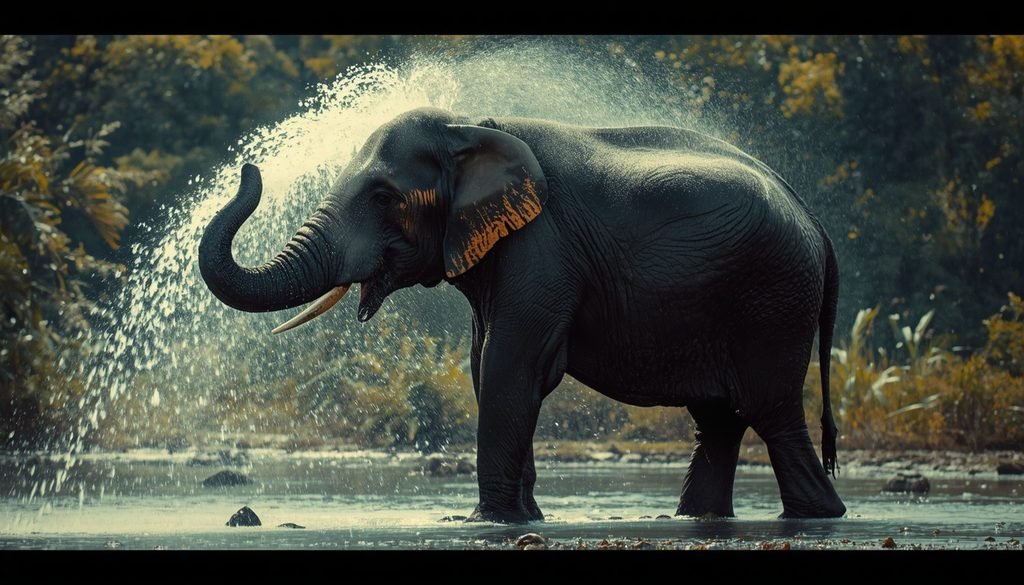
Elephants use water, mud, and dust as part of their body-care routines. They may spray water over themselves and cover their skin with mud or dust. These behaviors help with cooling and can provide protection from sunlight and insects.
Mud and dust may look dirty to people, but for elephants they can serve useful protective functions. This is a good example of why human ideas about cleanliness do not always apply to wildlife.
Interesting Fact: Elephants can use their trunks to spray water over parts of their bodies that are difficult to reach.
14. Tigers
Scientific Name: Panthera tigris
Class: Mammalia
Diet: Carnivore
Habitat: Forests, grasslands, wetlands, and other Asian habitats
Tigers regularly groom themselves by licking their fur. This behavior helps remove loose hair, dirt, and other material from the coat. Like other cats, tigers use grooming as an important part of normal body maintenance.
For a large predator that moves through vegetation, water, and muddy environments, maintaining the coat is useful. Grooming may also provide comfort and help keep the body in good condition.
Interesting Fact: Tigers are strong swimmers and may spend time in water to cool themselves and move through their habitat.
What Makes an Animal Clean?
Animal cleanliness is different from human cleanliness. Wild animals do not use soap, shampoo, or artificial cleaning products, but many have natural ways to maintain their bodies.
Grooming can remove dirt, loose fur, food particles, and parasites. Birds preen their feathers, mammals groom their coats, elephants use mud and dust, and social insects may help one another with cleaning.
These behaviors are usually connected to survival rather than appearance. A healthy coat or set of feathers can provide insulation, protection, waterproofing, or better movement. In this sense, natural hygiene is an important part of animal behavior and adaptation.
Why Do Animals Groom Themselves?
Animals groom themselves for several biological reasons. One major purpose is removing dirt, debris, and unwanted organisms from the body. Grooming can also help maintain fur, feathers, skin, and other body coverings.
For birds, preening helps keep feathers in good condition. For mammals, grooming can remove loose hair and distribute natural oils. Social grooming can also strengthen relationships between members of the same species.
Some animals use water, mud, or dust as part of their hygiene routines. These behaviors may also help with cooling, parasite control, or protection from environmental conditions.
Read More: Animals With Big Foreheads
FAQs
1. What is the cleanest animal in the world?
There is no scientifically recognized single “cleanest animal.” Cats, sea otters, rabbits, birds, and several other species are often described as very clean because they spend considerable time grooming or maintaining their bodies.
2. Why are cats considered clean animals?
Cats regularly groom themselves with their tongues. This helps remove dirt and loose hair while distributing natural oils through their coats. Grooming is also a normal part of feline behavior and can contribute to coat and skin maintenance.
3. Which animals groom themselves?
Many animals groom themselves, including cats, rabbits, squirrels, beavers, hamsters, tigers, polar bears, and sea otters. Birds also groom through feather preening, while some social insects practice grooming with members of their colony.
4. Do wild animals clean themselves?
Yes. Wild animals use natural grooming and hygiene behaviors to maintain their bodies. Depending on the species, they may lick their fur, preen feathers, bathe in water, roll in dust, use mud, or receive grooming help from other animals.
5. Why do animals groom their fur?
Animals groom their fur to remove dirt, loose hair, food particles, and unwanted organisms. Grooming can also distribute natural oils and help maintain the condition of the coat. In some species, it is important for insulation or waterproofing.
6. Are rabbits naturally clean animals?
Rabbits are regular self-groomers and spend time cleaning their fur and faces. They also have natural behaviors that help keep their immediate living area organized. Domestic rabbits still need humans to provide proper housing and sanitation.
7. Why do sea otters groom so much?
Sea otters have extremely dense fur and depend on it for insulation because they lack the thick blubber layer found in many other marine mammals. Grooming helps maintain the fur’s ability to trap insulating air.
8. How do elephants keep their skin clean?
Elephants use water, mud, and dust as part of their natural body-care behavior. These materials can help cool the body and protect the skin from sunlight and insects. What looks dirty to humans can therefore be useful protection for an elephant.
Final Thoughts
The cleanest animals in the world are not officially ranked by science, but many species have remarkable hygiene habits. Cats carefully groom their coats, sea otters depend on constant fur care, birds preen their feathers, ants practice individual and social grooming, and elephants use water, mud, and dust to protect their skin.
These behaviors show that cleanliness in nature is mainly about survival and health rather than looking neat by human standards. Every species has its own way of maintaining its body and adapting to its environment. The next time you see an animal grooming itself, remember that this simple-looking behavior can be an important part of its daily survival strategy.

One thought on “14 Cleanest Animals in the World: Fascinating Hygiene Habits”