
Introduction
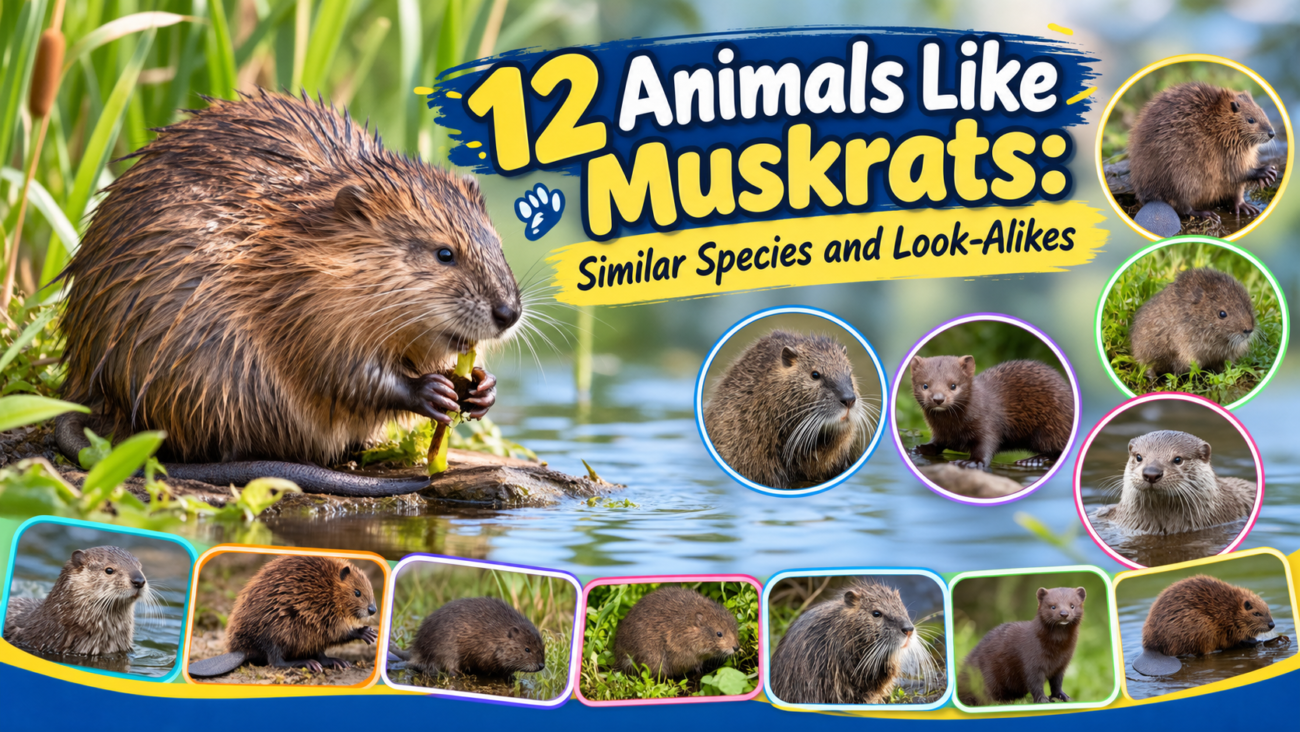
Muskrats are small, stocky mammals that spend much of their lives around water. Their rounded bodies, brown fur, short legs, tiny ears, and strong swimming abilities can make them easy to confuse with other wetland animals. Their laterally flattened, scaly tail is one of their most useful identifying features.
Several animals can look similar to muskrats, but they are not all closely related. Some are rodents with comparable body shapes, while others, such as mink and river otters, belong to completely different mammal families. Similar habitats and lifestyles can also produce similar physical features.
In this guide, we explore 12 animals like muskrats, including nutria, water voles, beavers, capybaras, mink, river otters, groundhogs, marmots, porcupines, guinea pigs, marsh rice rats, and hutias. We will compare their appearance, habitat, diet, and most noticeable differences from muskrats.
Quick Answer
Some of the most recognizable animals like muskrats include nutria, water voles, beavers, capybaras, American mink, river otters, groundhogs, marmots, porcupines, guinea pigs, marsh rice rats, and hutias. They may resemble muskrats because of their rounded bodies, brown fur, short legs, rodent-like appearance, or association with wetland environments.
1. Nutria
Scientific Name: Myocastor coypus
Class: Mammalia
Diet: Herbivore
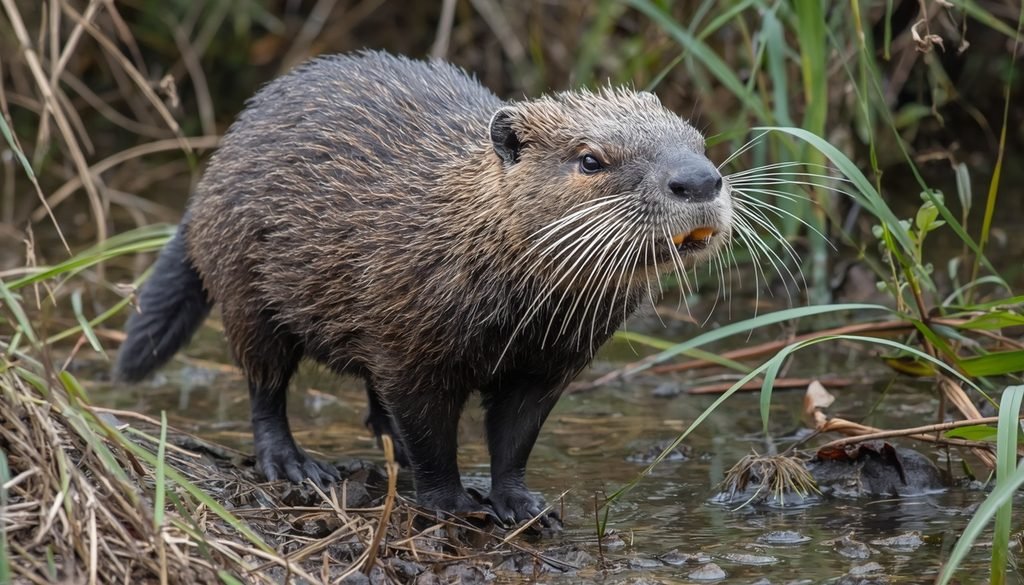
Nutria are among the animals most likely to be compared with muskrats because both are semi-aquatic rodents that commonly occur around wetlands and water. Nutria have dense brown fur, rounded bodies, small ears, and large orange incisors.
The biggest difference is size. Nutria are substantially larger and have a long, rounded, sparsely haired tail rather than the laterally flattened tail of a muskrat. Their larger body and prominent orange teeth are useful clues when identifying them.
2. Water Vole
Scientific Name: Arvicola amphibius
Class: Mammalia
Diet: Herbivore
Water voles have a compact body, rounded appearance, brown fur, and relatively small ears. They are associated with rivers, streams, ponds, wetlands, and vegetated banks, which makes them another possible muskrat look-alike.
Unlike muskrats, water voles are generally smaller and have a hairy tail. They also spend more time moving around riverbanks and terrestrial vegetation rather than displaying the same strongly aquatic lifestyle associated with muskrats.
3. Beaver
Scientific Name: Castor canadensis
Class: Mammalia
Diet: Herbivore
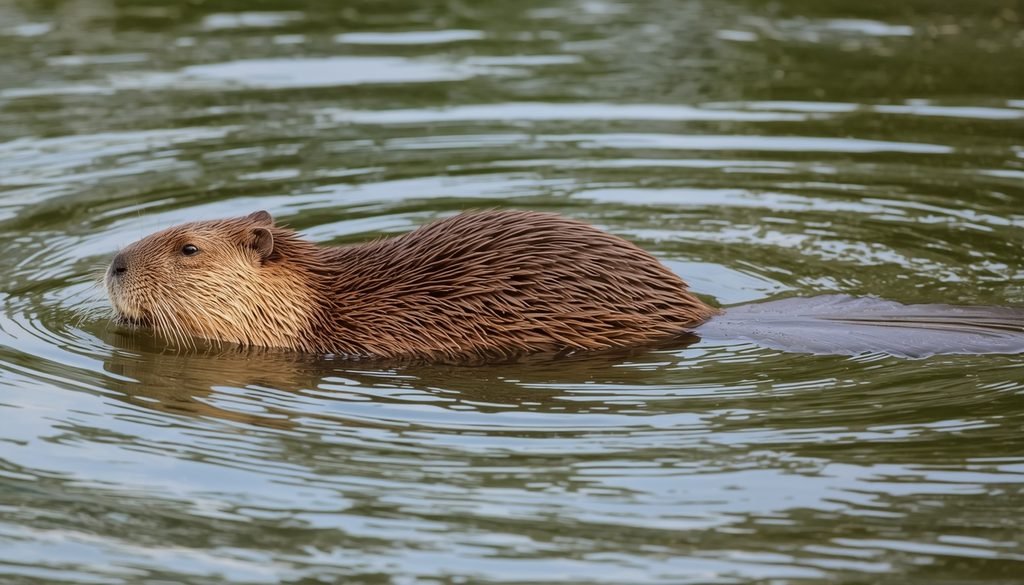
Beavers are much larger than muskrats, but their wetland lifestyle can make the two animals seem similar from a distance. Both are rodents that swim well and spend considerable time around freshwater habitats.
The easiest difference is size and tail shape. Beavers have a broad, paddle-shaped tail, while muskrats have a narrower, laterally flattened tail. Beavers are also famous for constructing dams and large lodges, whereas muskrats commonly build smaller vegetative houses or use bank burrows.
4. Capybara
Scientific Name: Hydrochoerus hydrochaeris
Class: Mammalia
Diet: Herbivore
Capybaras are enormous compared with muskrats, but their rounded bodies, brown fur, short legs, and strong connection with water can create a superficial resemblance.
They are semi-aquatic rodents native to South America and frequently use wetlands, rivers, ponds, and other watery habitats. Capybaras are much heavier and more robust, with larger heads and more noticeable ears. Their size alone makes them easy to distinguish from a muskrat.
5. American Mink
Scientific Name: Neogale vison
Class: Mammalia
Diet: Carnivore
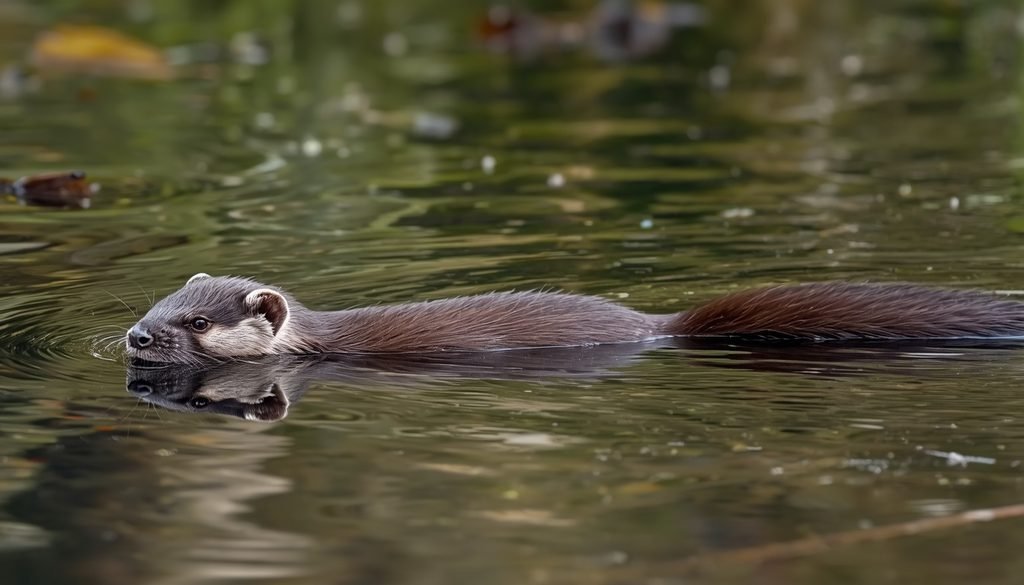
American mink can look somewhat like muskrats when seen briefly near water because both have short legs, dense brownish fur, and strong swimming abilities.
However, their body shapes are quite different. Mink have long, slender bodies and belong to the weasel family rather than the rodent group. They are carnivorous and hunt animals such as fish, amphibians, birds, and small mammals.
A long, narrow body and quick movement through water are useful clues that an animal is more likely to be a mink than a muskrat.
6. River Otter
Scientific Name: Lontra canadensis
Class: Mammalia
Diet: Carnivore
River otters are another aquatic mammal that can occasionally be confused with muskrats, particularly when an animal is seen swimming at a distance.
Both animals are excellent swimmers and commonly use freshwater habitats. However, river otters are much larger, have long streamlined bodies, and are members of the mustelid family. Their diet is primarily animal-based, including fish, amphibians, crustaceans, and other prey.
A long body, thick tapering tail, and smooth swimming motion usually help distinguish an otter from a muskrat.
7. Groundhog
Scientific Name: Marmota monax
Class: Mammalia
Diet: Herbivore
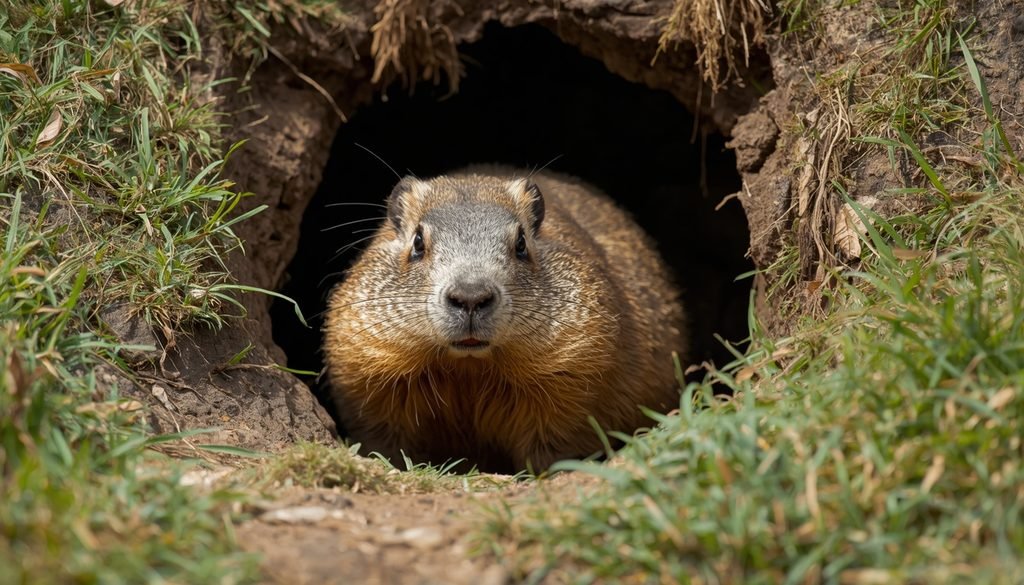
Groundhogs, also called woodchucks, are stocky rodents with brownish fur, short legs, and rounded bodies. Their general shape can remind some observers of a large muskrat.
The difference is that groundhogs are primarily terrestrial. They spend much of their time on land and are well known for digging burrows. Muskrats, by comparison, are strongly associated with wetlands and aquatic vegetation.
Groundhogs also have a noticeably bushier, hairy tail, making the two animals easier to separate once you know what to look for.
8. Hoary Marmot
Scientific Name: Marmota caligata
Class: Mammalia
Diet: Herbivore
Hoary marmots are large, heavy-bodied rodents with dense fur and short legs. Their rounded appearance can create a superficial similarity to muskrats, especially when only the body shape is visible.
Unlike muskrats, hoary marmots are terrestrial mountain animals. They inhabit rocky alpine and subalpine environments rather than marshes and ponds. Their thick fur helps them cope with colder environments, while burrows provide shelter.
Their larger body, hairy tail, and mountain habitat make them relatively easy to distinguish from muskrats.
9. North American Porcupine
Scientific Name: Erethizon dorsatum
Class: Mammalia
Diet: Herbivore
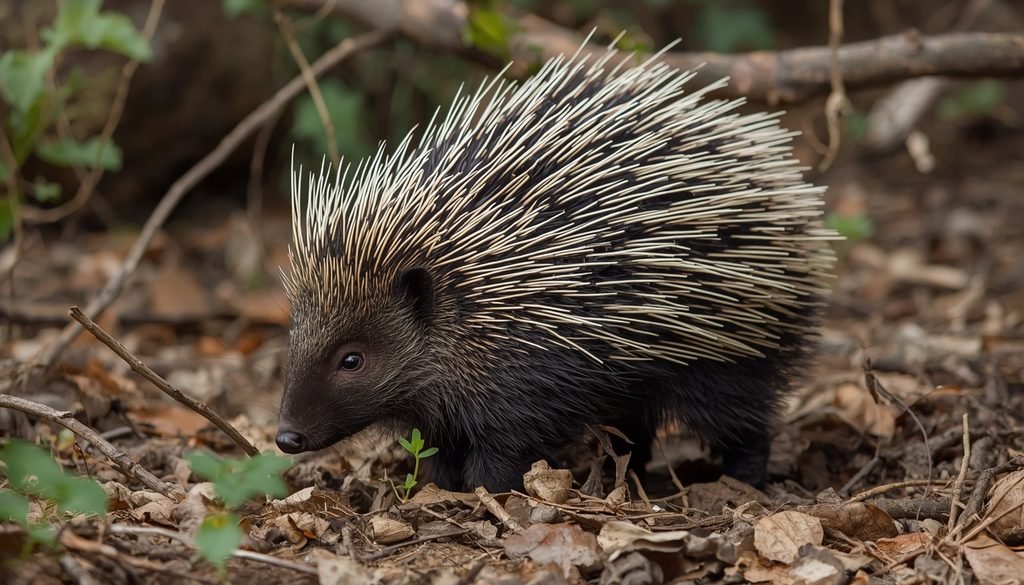
North American porcupines are another rodent that may look vaguely muskrat-like because of their compact, rounded bodies and short legs.
The major difference is impossible to miss when the animal is seen clearly: porcupines are covered with defensive quills. They are also primarily terrestrial and spend time climbing trees and feeding on plant material.
Their larger body, quills, hairy tail, and terrestrial lifestyle separate them from the smooth-furred, semi-aquatic muskrat.
10. Guinea Pig
Scientific Name: Cavia porcellus
Class: Mammalia
Diet: Herbivore
Guinea pigs are domesticated rodents with compact bodies, short legs, rounded heads, and dense fur. These features can make them look superficially similar to small muskrats.
The two animals have very different lifestyles. Guinea pigs are domestic animals associated with human care and terrestrial environments, while muskrats are wild semi-aquatic mammals adapted to wetlands.
Guinea pigs also lack the muskrat’s distinctive flattened tail and aquatic adaptations.
11. Marsh Rice Rat
Scientific Name: Oryzomys palustris
Class: Mammalia
Diet: Omnivore
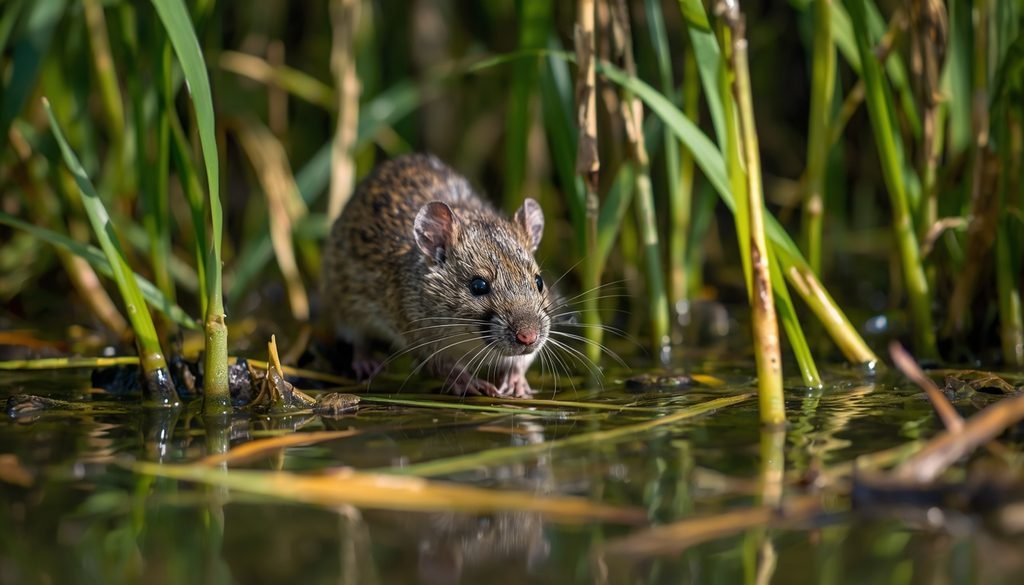
The marsh rice rat is a small rodent associated with wetlands and other moist habitats. Its brownish fur and general rodent appearance can make it seem similar to a small muskrat when viewed from a distance.
However, marsh rice rats are much smaller and have a more typical rat-like body and tail. They can use marsh vegetation and wet environments but do not have the same large, stocky body and specialized swimming appearance of muskrats.
Their smaller size is one of the best identification clues.
12. Hutia
Scientific Name: Capromys pilorides
Class: Mammalia
Diet: Herbivore
Hutias are stout-bodied Caribbean rodents that can have a chunky appearance somewhat reminiscent of a muskrat. Their thick bodies, short limbs, and fur-covered appearance contribute to this superficial similarity.
However, hutias are primarily terrestrial and occur in Caribbean environments rather than being specialized wetland animals like muskrats. Their tails and body proportions also differ.
Hutias are a good example of why visual resemblance does not necessarily mean two animals share the same lifestyle or close evolutionary relationship.
Animals Like Muskrats: Quick Comparison
| Animal | Scientific Name | Habitat | Diet | Main Similarity |
| Nutria | Myocastor coypus | Wetlands, waterways | Herbivore | Semi-aquatic rodent |
| Water Vole | Arvicola amphibius | Rivers, wetlands | Herbivore | Small wetland rodent |
| Beaver | Castor canadensis | Rivers, ponds, lakes | Herbivore | Aquatic rodent |
| Capybara | Hydrochoerus hydrochaeris | Wetlands, rivers | Herbivore | Large semi-aquatic rodent |
| American Mink | Neogale vison | Wetlands, streams | Carnivore | Brown aquatic mammal |
| River Otter | Lontra canadensis | Rivers, lakes | Carnivore | Strong swimmer |
| Groundhog | Marmota monax | Fields, woodland edges | Herbivore | Stocky rodent |
| Hoary Marmot | Marmota caligata | Mountain habitats | Herbivore | Rounded rodent body |
| Porcupine | Erethizon dorsatum | Forests, woodland | Herbivore | Stocky rodent |
| Guinea Pig | Cavia porcellus | Domestic environments | Herbivore | Compact rodent body |
| Marsh Rice Rat | Oryzomys palustris | Marshes, wetlands | Omnivore | Wetland rodent |
| Hutia | Capromys pilorides | Caribbean habitats | Herbivore | Stout rodent body |
Why Do Some Animals Look Like Muskrats?
Several animals can resemble muskrats because similar environmental conditions can favor similar physical characteristics.
For example, animals living around water may evolve strong swimming abilities, dense fur, compact bodies, or body shapes that help them move through vegetation and shallow water.
This is related to convergent evolution, where unrelated animals independently develop similar traits because they face comparable environmental challenges.
That is why a mink or otter can appear somewhat muskrat-like around water even though they are not rodents.
Likewise, other rodents may share rounded bodies and short legs simply because these characteristics are common among many small and medium-sized mammals.
How Are Muskrats Different From Other Rodents?
Muskrats have a distinctive combination of features that helps separate them from other rodents.
They have a stocky body, small ears, dense brown fur, short legs, partially webbed hind feet, and a long laterally flattened, scaly tail. Their tail is especially useful for identifying them.
Their lifestyle is another major clue. Muskrats are strongly associated with marshes, ponds, lakes, streams, and other wetlands with suitable aquatic vegetation. They commonly build lodges or use bank burrows with underwater entrances.
Their diet is mainly plant-based, particularly aquatic vegetation such as cattails, although muskrats may also consume some animal foods.
Which Animals Are Most Commonly Confused With Muskrats?
The strongest visual or ecological comparisons are usually nutria, water voles, beavers, mink, and river otters.
Nutria are particularly easy to compare with muskrats because both are semi-aquatic rodents. Beavers also share an aquatic lifestyle but are much larger and have a broad paddle-like tail.
Water voles are smaller and more closely resemble typical voles. Mink and otters can cause confusion when seen swimming because both have dark fur and aquatic habits, but they have much longer, more streamlined bodies and different diets.
Looking at tail shape, body size, habitat, and movement is often more useful than color alone.
Read More: Animals Like Foxes
FAQs
What animals look like muskrats?
Several animals can resemble muskrats, including nutria, water voles, beavers, capybaras, mink, river otters, groundhogs, marmots, porcupines, guinea pigs, marsh rice rats, and hutias. The strongest resemblance usually comes from shared body shapes, brown fur, short legs, rodent features, or aquatic and wetland habitats.
What animal is most similar to a muskrat?
Nutria are among the closest visual comparisons because they are semi-aquatic rodents with dense fur and similar wetland habits. However, nutria are considerably larger and have a different tail shape. Water voles can also resemble muskrats because of their smaller rounded bodies and association with wet habitats.
What rodent looks like a muskrat?
Several rodents can look somewhat like muskrats, especially nutria, water voles, beavers, groundhogs, marmots, and marsh rice rats. Nutria and water voles are particularly relevant comparisons because both can be associated with wet environments.
Are nutria and muskrats the same animal?
No. Nutria and muskrats are different species of rodents. Nutria are much larger and have a rounded, sparsely haired tail, while muskrats have a laterally flattened, scaly tail. Their body sizes and other physical characteristics also make them distinguishable.
Are beavers related to muskrats?
Both beavers and muskrats are rodents, but they belong to different families. Their aquatic lifestyles have resulted in some similar adaptations, including strong swimming abilities and specialized tails. However, beavers are much larger and have broad, paddle-shaped tails.
Can otters be mistaken for muskrats?
They can be confused at a distance, particularly when swimming. Both animals spend time in freshwater environments, but river otters have long streamlined bodies, thick tapering tails, and carnivorous diets. Muskrats are smaller, stockier rodents with laterally flattened tails.
Final Thoughts
There are many fascinating animals like muskrats, but they do not all resemble these wetland rodents for the same reason. Nutria, water voles, and beavers share important rodent characteristics, while mink and river otters are unrelated carnivorous mammals that can appear similar when swimming.
The easiest way to distinguish a muskrat is to consider several features together: body size, tail shape, habitat, movement, and diet. A stocky brown mammal near a marsh is not automatically a muskrat.
Learning these differences makes wildlife identification easier and also shows how different mammals can develop similar traits when they live in comparable environments.

2 thoughts on “12 Animals Like Muskrats: Similar Species and Look-Alikes”