
Introduction
The animal kingdom is full of fascinating creatures, and many have names that begin with the letter K. From Australia’s famous kangaroos and koalas to New Zealand’s unusual kiwi birds, these animals live in different habitats and have unique ways of surviving. Some are powerful hunters, while others eat plants, fruits, insects, or small aquatic animals.
Learning about animals that start with K is a fun way to explore wildlife, discover scientific names, and understand how different species behave. Whether you are researching animal names for a school project, playing a word game, or simply interested in nature, this list introduces 12 interesting animals from around the world.
Quick Answer: What Animal Starts With K?
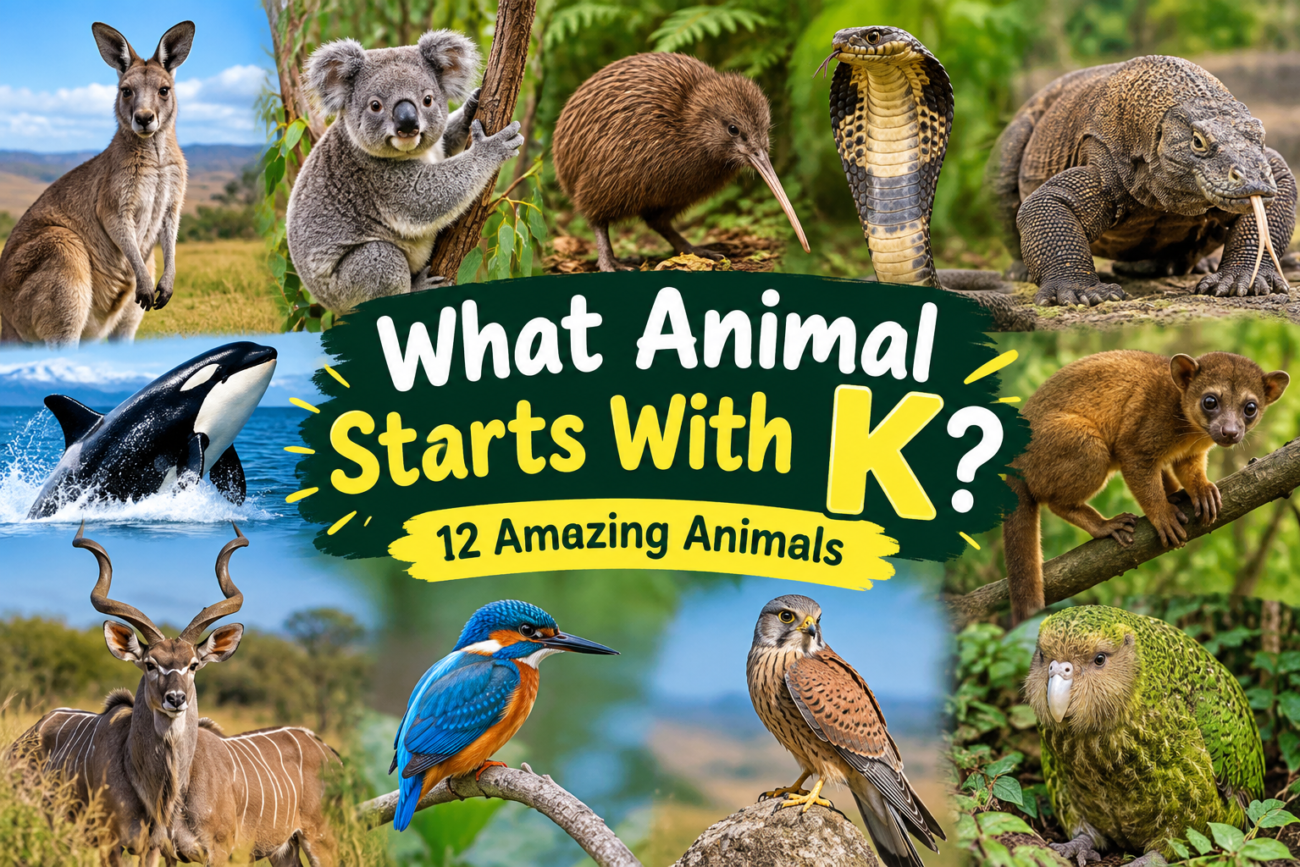
Some well-known animals that start with K include the kangaroo, koala, kiwi, kookaburra, king cobra, Komodo dragon, killer whale, kinkajou, kudu, kingfisher, kestrel, and kākāpō. These animals include mammals, birds, and reptiles that live in environments ranging from Australian grasslands and tropical forests to African savannas and the world’s oceans. Each species has distinctive features, feeding habits, and adaptations that help it survive in its natural habitat.
1. Kangaroo (Osphranter rufus and other species)
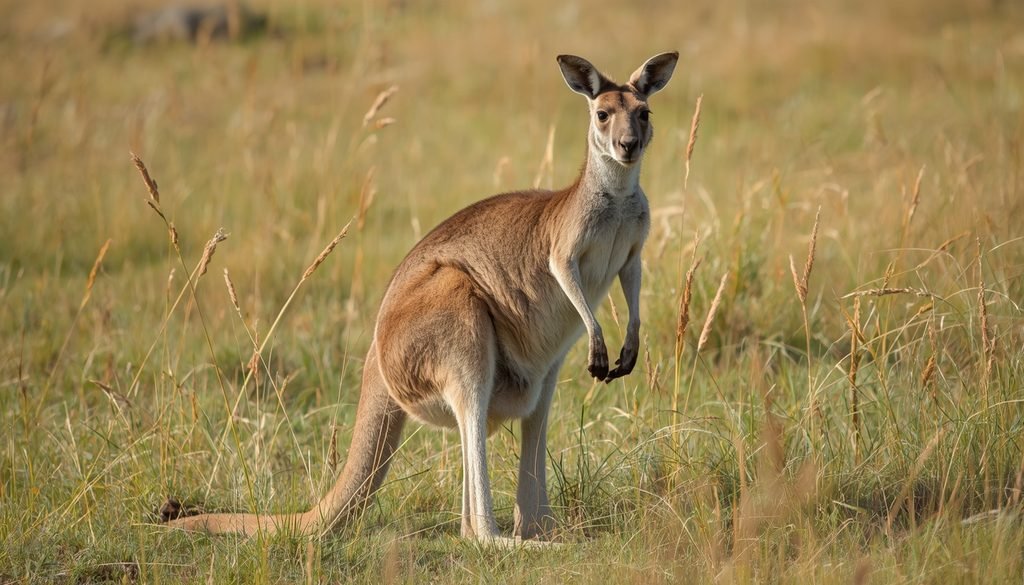
Kangaroos are iconic Australian mammals famous for their powerful hind legs, long tails, and hopping movement. Several species exist, including the red kangaroo (Osphranter rufus), the largest living kangaroo species, and the eastern grey kangaroo (Macropus giganteus).
Habitat: Kangaroos live in Australian grasslands, open woodlands, shrublands, and dry inland regions. Different species prefer different environments depending on the availability of food and water.
Diet: Kangaroos are herbivores. They mainly eat grasses, leaves, and other vegetation. Their specialized digestive systems help them extract nutrients from plant material.
Interesting facts: Female kangaroos have a pouch in which their young, called joeys, continue developing after birth. Their muscular hind legs help them travel efficiently over long distances. Their tails provide balance and support when they move slowly or sit.
Kangaroos are social animals that often gather in groups. Their ability to conserve energy while moving makes them well adapted to Australia’s sometimes harsh landscapes.
2. Koala (Phascolarctos cinereus)
The koala is an Australian marsupial recognized by its rounded ears, fluffy fur, large nose, and tree-dwelling lifestyle. Although people sometimes call it a koala bear, it is not a bear. It belongs to a separate group of mammals called marsupials.
Habitat: Koalas inhabit eucalyptus forests and woodlands in eastern Australia. They spend much of their time in trees, where they find food, rest, and shelter.
Diet: Koalas primarily eat eucalyptus leaves. These leaves contain relatively little energy and can contain compounds that many other animals cannot tolerate, so koalas have specialized digestive adaptations.
Interesting facts: Koalas sleep for many hours each day, helping them conserve energy from their low-energy diet. Their strong limbs and sharp claws help them grip tree trunks and climb branches.
Koalas depend on suitable eucalyptus forests for survival. Habitat loss, extreme heat, drought, disease, and bushfires can threaten local populations. Protecting connected woodland habitats is important for their long-term future.
3. Kiwi (Apteryx species)
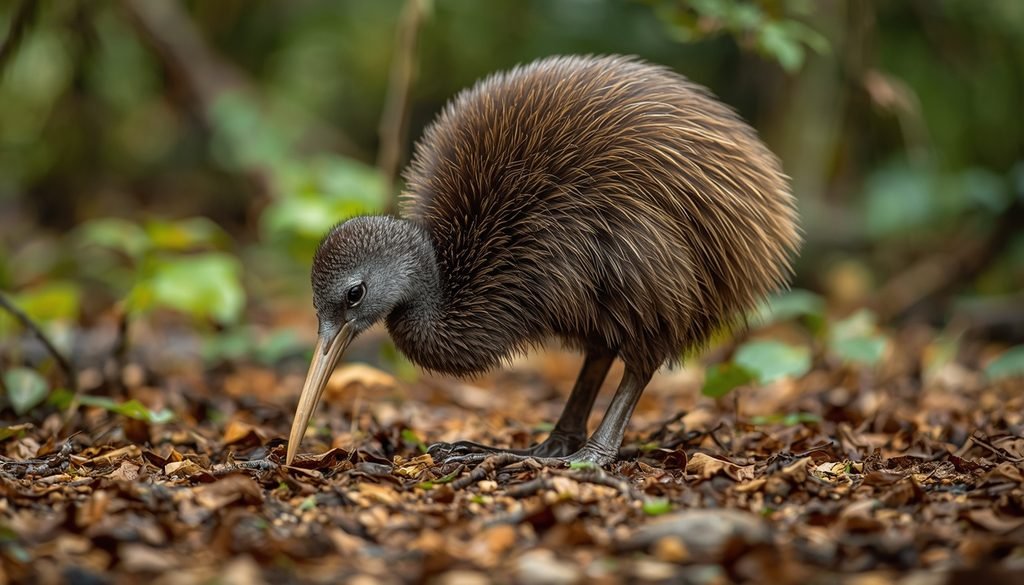
The kiwi is a distinctive flightless bird native to New Zealand. Several kiwi species exist, and all are notable for their small wings, shaggy-looking feathers, and long bills. Their appearance differs considerably from that of most familiar birds.
Habitat: Kiwis live in various habitats across New Zealand, including native forests, scrublands, and some managed or regenerating landscapes. Many spend daylight hours hidden in sheltered places.
Diet: Kiwis feed on earthworms, insects, larvae, and other small invertebrates. Depending on the species and available food, they may also eat some plant material.
Interesting facts: Unlike most birds, kiwis have nostrils near the tip of their long bills. Their strong sense of smell helps them locate prey in leaf litter and soil. They are mainly nocturnal, becoming active after dark.
Kiwi eggs are remarkably large relative to the size of the female. These unusual birds are an important national symbol of New Zealand. Introduced predators, including stoats and dogs, have affected wild kiwi populations, making conservation and predator management essential.
4. Kookaburra (Dacelo novaeguineae)
The laughing kookaburra is a large Australian kingfisher famous for its loud, laughing call. Its call often echoes through woodlands at dawn and dusk, making it one of Australia’s best-known bird sounds.
Habitat: Kookaburras live in eastern Australian forests, woodlands, parks, and gardens. They often use trees and branches as lookout points from which to spot prey.
Diet: These birds eat insects, worms, small reptiles, frogs, and other small animals. They may also catch small mammals and other suitable prey when available.
Interesting facts: Kookaburras usually hunt by watching from a perch before swooping down. They can seize prey with their strong bills and may strike larger prey against a branch to subdue it.
Unlike many kingfishers, kookaburras are not primarily fish-eaters. Their diet reflects their life on land rather than an exclusive dependence on waterways. They are also territorial birds and may live in family groups that cooperate in defending an area.
5. King Cobra (Ophiophagus hannah)
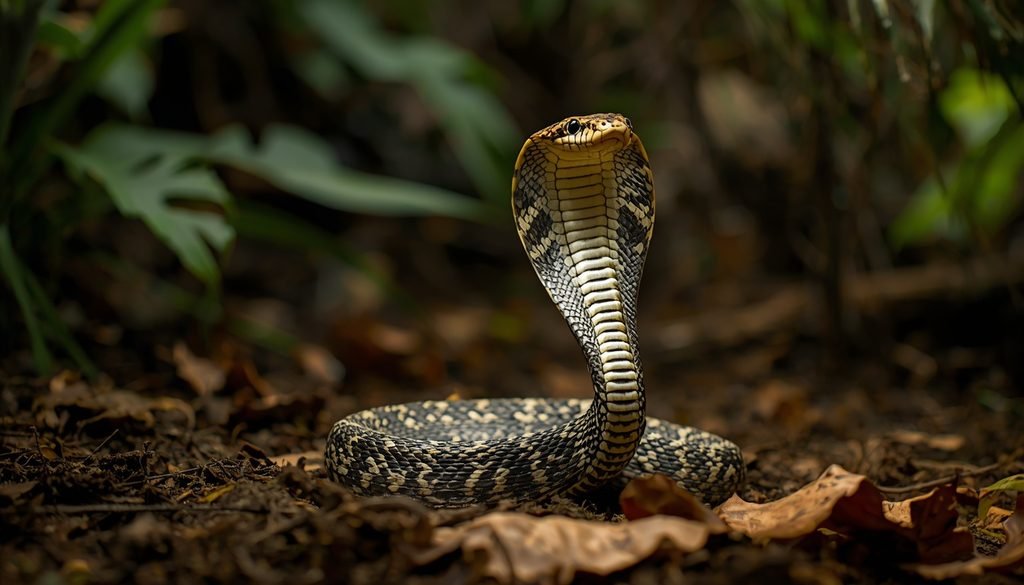
The king cobra is a large venomous snake native to parts of South and Southeast Asia. It is especially known for raising the front part of its body and spreading its neck ribs into a hood when threatened.
Habitat: King cobras inhabit forests, bamboo thickets, mangroves, and areas near streams and wetlands. Their exact habitat preferences vary across their wide but fragmented range.
Diet: Unlike many snakes that feed on a broad variety of prey, king cobras mainly eat other snakes. They may consume different snake species, including some venomous ones.
Interesting facts: The king cobra is the world’s longest venomous snake, although individual lengths vary. Its scientific name, Ophiophagus hannah, reflects its snake-eating behavior.
King cobras generally avoid people when given the opportunity, but they can be dangerous if cornered or disturbed. Their venom can cause severe medical emergencies, so people should never approach or attempt to handle one. Habitat destruction and illegal wildlife trade are among the pressures affecting the species.
6. Komodo Dragon (Varanus komodoensis)
The Komodo dragon is a giant monitor lizard native to several Indonesian islands. It is the largest living lizard species and is known for its muscular body, powerful limbs, long tail, and forked tongue.
Habitat: Komodo dragons inhabit tropical savannas, dry forests, and other warm environments on islands such as Komodo, Rinca, and Flores. They often use shaded areas to avoid excessive heat.
Diet: These reptiles are carnivores. They eat carrion and hunt prey such as deer, wild pigs, and smaller animals when opportunities arise. Young Komodo dragons also eat insects and small vertebrates.
Interesting facts: Komodo dragons use their forked tongues to collect chemical particles from the air and surroundings, helping them locate food. They have strong jaws and serrated teeth adapted for tearing flesh.
Although they can move quickly over short distances, they often conserve energy while waiting or searching for prey. Their restricted natural range makes habitat protection particularly important. They are also vulnerable to changes in prey availability and environmental conditions.
7. Killer Whale (Orcinus orca)
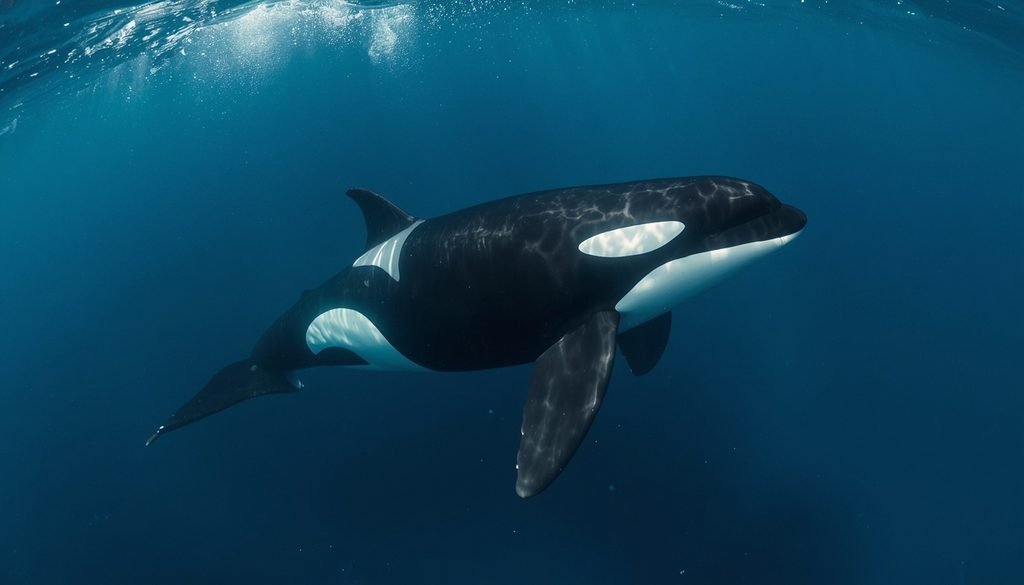
The killer whale, also known as the orca, is a large marine mammal belonging to the dolphin family. Its striking black-and-white body pattern makes it easy to recognize.
Habitat: Killer whales occur in oceans around the world, from polar waters to warmer seas. Different populations specialize in different habitats and prey, and some remain in particular regions for much of the year.
Diet: Their diets vary. Some populations primarily eat fish, while others hunt seals, sea lions, and other marine mammals. Certain groups have highly specialized feeding strategies.
Interesting facts: Killer whales are intelligent, social animals that often live in stable family groups called pods. They communicate using sounds and can coordinate their movements while hunting.
Different populations may develop distinct calls and hunting traditions that are passed between generations. Despite their name, killer whales are not whales in the taxonomic sense; they are the largest members of the dolphin family. Their ecological role varies according to local food webs and population behavior.
8. Kinkajou (Potos flavus)
The kinkajou is a small, nocturnal mammal that lives in the tropical forests of Central and South America. Sometimes called a honey bear, it is related to raccoons and coatis rather than bears.
Habitat: Kinkajous spend most of their lives in rainforest trees. Their arboreal lifestyle allows them to move through the canopy in search of food and shelter.
Diet: Fruit is a major part of their diet. They also consume nectar and may eat insects or other small food items. Their feeding habits can contribute to seed dispersal and pollination.
Interesting facts: Kinkajous have a long, prehensile tail that helps them balance and grip branches. Their flexible bodies and strong limbs make them skilled climbers. A long tongue helps them reach nectar and soft food inside flowers.
Because they are nocturnal and spend so much time high in trees, kinkajous can be difficult to observe in the wild. Forest destruction and the wildlife trade can affect them. They are wild animals with specialized needs and are not equivalent to domesticated pets.
9. Kudu (Tragelaphus strepsiceros and related species)
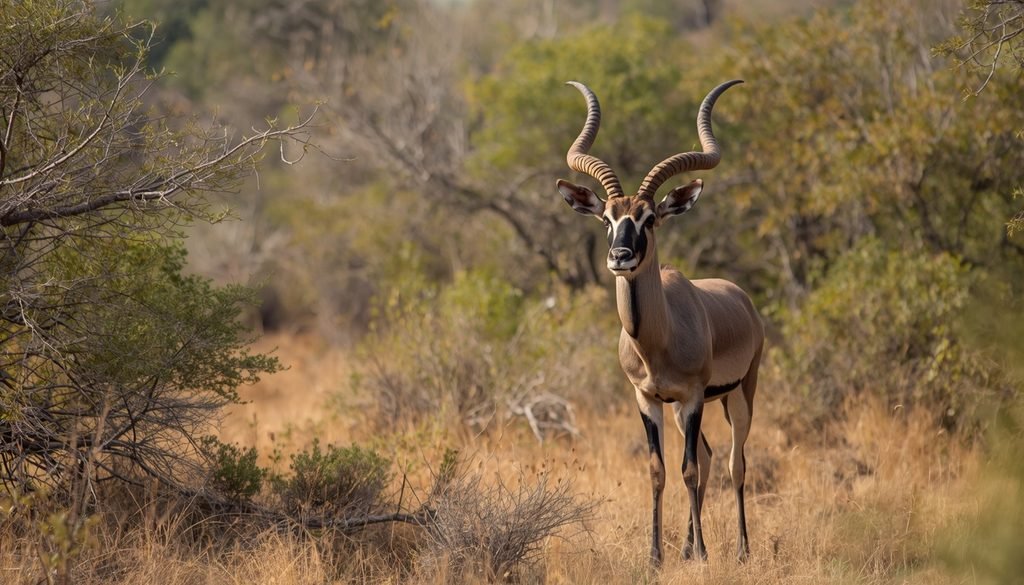
Kudus are African antelopes known for their long legs, large ears, and impressive spiral horns in males. Two commonly recognized species are the greater kudu (Tragelaphus strepsiceros) and the lesser kudu (Tragelaphus imberbis).
Habitat: Greater kudus inhabit parts of eastern and southern Africa, especially woodlands and bushland. Lesser kudus are more closely associated with dry scrub and woodland habitats in eastern Africa.
Diet: Kudus are herbivores that browse on leaves, shoots, herbs, and twigs. Their feeding habits help them make use of vegetation in wooded environments.
Interesting facts: Male greater kudus have long, twisting horns that can form several spiral turns. Females generally lack horns. Their striped bodies help break up their outline among vegetation, offering some camouflage.
Kudus are alert animals that rely on hearing, smell, and sight to detect danger. When threatened, they can move quickly through thick vegetation. Their survival depends on suitable habitat, adequate food, and protection from excessive hunting pressure.
10. Kingfisher (Alcedo atthis and other species)
Kingfishers are colorful birds known for their large bills and skill at catching prey near water. There are many kingfisher species worldwide, and their colors, sizes, and feeding habits differ.
Habitat: Depending on the species, kingfishers live beside rivers, streams, lakes, wetlands, mangroves, and coastal waters. Some species also inhabit woodland environments away from large bodies of water.
Diet: Many kingfishers eat fish, diving into the water to catch them. Others feed largely on insects, crustaceans, frogs, or small reptiles.
Interesting facts: The common kingfisher (Alcedo atthis) is a small, brightly colored bird found across parts of Europe, Asia, and North Africa. It often waits on a perch before diving rapidly toward prey.
Kingfishers have excellent vision for locating prey. Many species nest in burrows dug into riverbanks, although nesting habits vary. Clean waterways and healthy riverbanks can provide important feeding and breeding habitat.
11. Kestrel (Falco tinnunculus and other species)
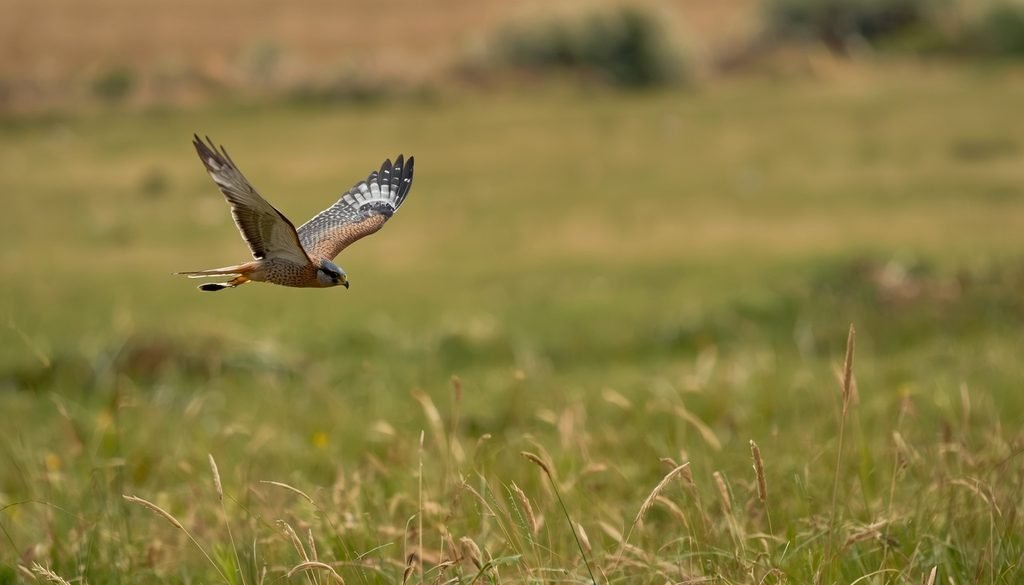
Kestrels are small falcons known for their ability to hover in the air while searching for prey. Several species exist, including the common kestrel (Falco tinnunculus), which occurs across much of Europe, Asia, and Africa.
Habitat: Kestrels use open countryside, grasslands, farmland, scrubland, and some urban environments. They need suitable hunting areas where prey can be spotted from above.
Diet: Their food often includes insects, mice, voles, small birds, lizards, and other small animals. The exact diet depends on the species, location, and season.
Interesting facts: A hovering kestrel can hold its position against the wind while scanning the ground. Once it identifies prey, it may dive quickly to catch it with its talons.
Kestrels help control populations of small rodents and insects. They often nest in cavities, old nests, or suitable structures rather than building elaborate nests themselves. Changes in land use and declines in prey availability can influence local populations.
12. Kākāpō (Strigops habroptilus)
The kākāpō is a rare, flightless parrot native to New Zealand. It is known for its green, moss-colored feathers, owl-like facial appearance, and unusual breeding behavior.
Habitat: Kākāpō historically lived in New Zealand forests and other native vegetation. Today, conservation programs manage remaining birds on protected islands and in carefully monitored areas.
Diet: Kākāpō are herbivores. They eat leaves, stems, roots, seeds, fruit, and other plant material, with their food choices changing according to seasonal availability.
Interesting facts: The kākāpō is nocturnal and cannot fly. It is also one of the heaviest parrot species. Males gather at display sites during breeding periods and produce deep booming calls to attract females.
The species is critically endangered, and intensive conservation work is essential to its survival. Predator-free habitats, nest monitoring, supplementary feeding when needed, and careful management of breeding have helped protect the remaining population. The kākāpō shows how vulnerable island species can be when introduced predators arrive.
Why Are Animals That Start With K So Interesting?
Animals beginning with K show how widely wildlife can differ in appearance, behavior, and adaptation. Kangaroos use powerful hind legs to travel across open land, while koalas specialize in eating eucalyptus leaves. King cobras hunt other snakes, and killer whales use coordinated strategies to catch prey in the ocean.
Birds such as the kiwi and kākāpō demonstrate how island environments can produce unusual flightless species. Meanwhile, the kinkajou is adapted to life high in rainforest trees, and the kestrel can hover while searching for small prey.
Learning about these species is more than an alphabetical exercise. It also introduces important ideas about habitats, food webs, adaptation, and conservation. Many animals depend on healthy ecosystems, and changes caused by habitat loss, pollution, hunting, and introduced predators can affect their survival.
Read More: What Animal Starts With Q
Frequently Asked Questions
What is the most common animal that starts with K?
The kangaroo and koala are among the best-known animals beginning with K. Both are native to Australia, but they have different diets, movement patterns, and lifestyles.
What birds start with the letter K?
Examples include the kiwi, kookaburra, kingfisher, kestrel, and kākāpō. They differ in their habitats, diets, and ability to fly.
What dangerous animal starts with K?
The king cobra is a venomous snake capable of delivering a medically serious bite. The Komodo dragon is also a powerful predator. Both should be observed from a safe distance in the wild.
What is a rare animal that starts with K?
The kākāpō is a particularly rare animal beginning with K. This flightless New Zealand parrot is critically endangered and relies on intensive conservation management.
Are killer whales really whales?
Killer whales are marine mammals, but biologically they belong to the dolphin family. They are the largest members of that family.
Conclusion
There are many fascinating animals that start with K, from the familiar kangaroo and koala to the powerful king cobra, giant Komodo dragon, and rare kākāpō. Each species has unique adaptations that help it survive in its environment, whether that means hopping across grasslands, climbing rainforest trees, hunting in the ocean, or feeding on specialized plant foods.
This list of 12 K animals offers a useful starting point for anyone exploring animal names, wildlife facts, or the diversity of nature. Understanding these creatures also reminds us why protecting habitats and supporting conservation efforts matter for wildlife around the world.
