
Introduction
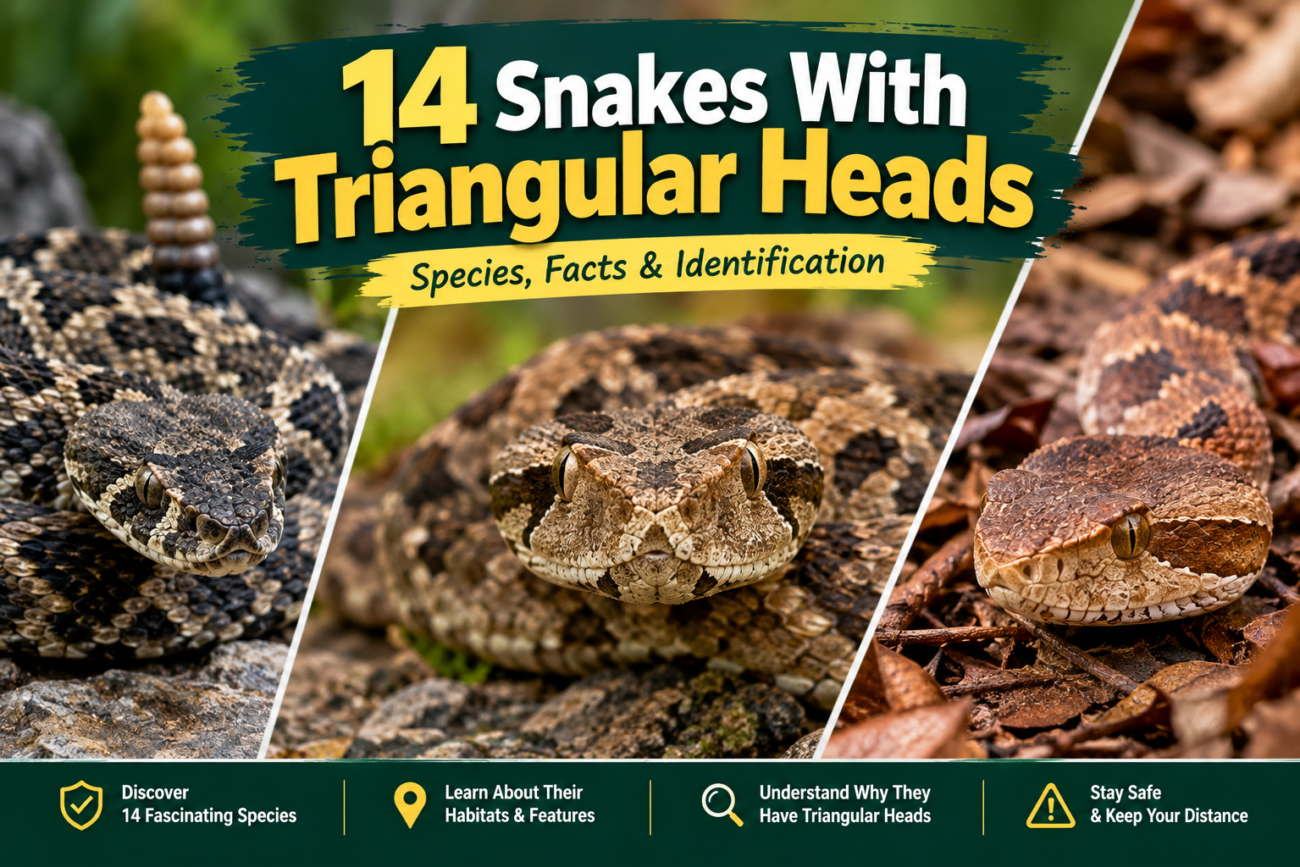
Snakes have many different head shapes, from narrow and rounded to broad and triangular. Some species have a wide head that narrows toward the neck, giving it a triangle-like appearance. This feature is especially noticeable in many vipers and rattlesnakes. Their head shape is connected to their anatomy, including the muscles and venom glands found in many members of the viper family.
However, a triangular head does not automatically mean a snake is venomous. Some harmless snakes flatten their heads when frightened, making themselves look wider as a defensive display. Other venomous snakes have heads that do not appear strongly triangular. For this reason, head shape alone is not a safe way to identify a snake.
In this guide, you will learn about 14 snakes with triangular or broad-looking heads. Each profile covers its scientific name, appearance, habitat, diet, and notable behavior. You will also find helpful facts about venom, defensive adaptations, and how to stay safe around wild snakes.
Quick Answer: Which Snakes Have Triangular Heads?
Many vipers and rattlesnakes have broad, triangular-shaped heads, including the Gaboon viper, eastern diamondback rattlesnake, cottonmouth, copperhead, and sidewinder. Some nonvenomous snakes, such as hognose and watersnakes, can also make their heads look triangular by flattening them when disturbed. Head shape alone cannot confirm whether a snake is venomous.
1. Arizona Black Rattlesnake
Scientific name: Crotalus cerberus
Class: Reptilia
Diet: Mainly small mammals
Habitat: Mountain forests, rocky slopes, and woodland
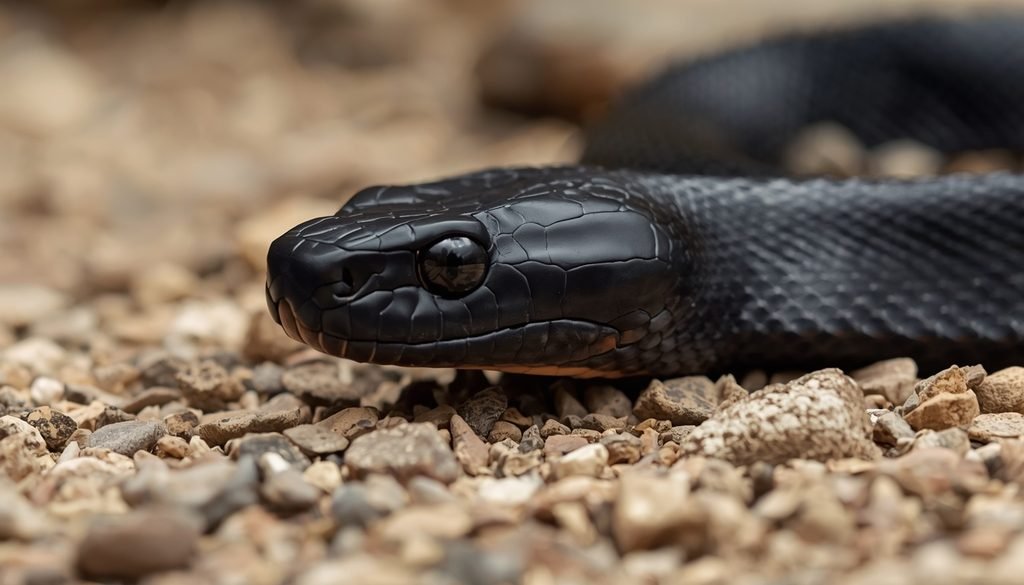
The Arizona black rattlesnake is a venomous pit viper found in parts of the southwestern United States, especially Arizona. Its head is broad near the back and narrower toward the neck, creating a distinct triangular outline. Its dark coloration can help it blend into rocky, wooded, and mountainous environments.
This rattlesnake lives in habitats such as oak woodland, pine-oak forest, and rocky slopes. It feeds mainly on small mammals, although birds and other small animals may also be eaten. Like other rattlesnakes, it has a rattle at the end of its tail that can produce a warning sound when the snake feels threatened.
Its heat-sensing facial pits help it detect warm-bodied prey. The species is generally secretive and usually avoids people when given space.
2. Gaboon Viper
Scientific name: Bitis gabonica
Class: Reptilia
Diet: Rodents, birds, and other small animals
Habitat: Rainforests and moist woodland
The Gaboon viper is a large venomous snake native to parts of sub-Saharan Africa. It is famous for its extremely broad head, which appears triangular when viewed from above. Its head is also decorated with small horns-like scales near the nostrils, giving it a distinctive appearance.
This viper has a thick body and complex brown, cream, and purple patterns. These markings help it disappear among fallen leaves on the forest floor. Rather than chasing prey, it often waits quietly for an animal to pass nearby.
Its diet includes rodents, birds, and other small or medium-sized animals. The Gaboon viper has long front fangs and medically significant venom. Although it is not usually aggressive, it should never be approached or handled.
3. Pygmy Rattlesnake
Scientific name: Sistrurus miliarius
Class: Reptilia
Diet: Frogs, lizards, and small mammals
Habitat: Pine forests, wetlands, and woodland edges
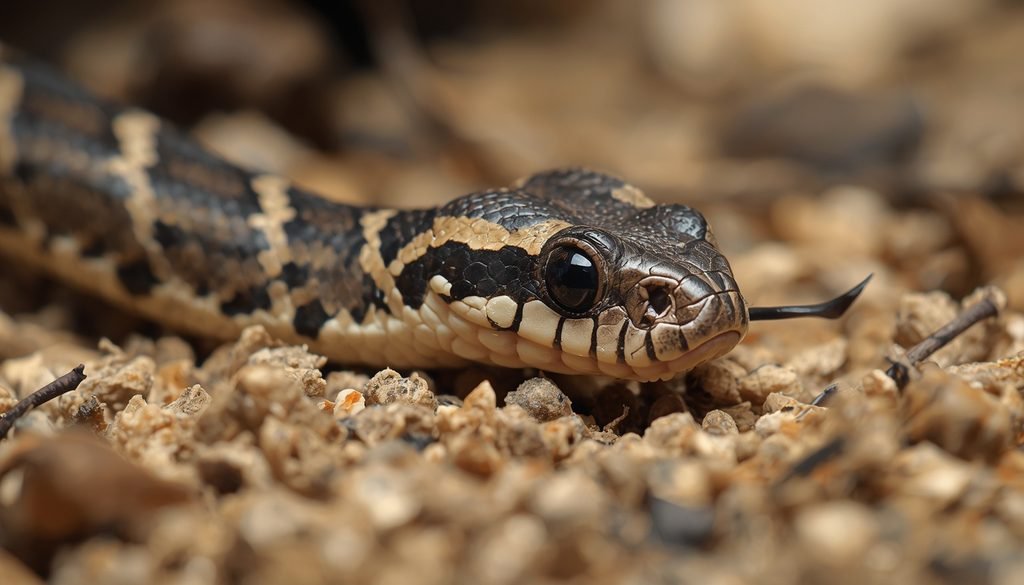
The pygmy rattlesnake is a small venomous rattlesnake found in the southeastern United States. Despite its small size, it has a broad head and a narrow neck that create a triangular profile. Its body may show dark spots or stripes, and its tiny rattle can be difficult to hear.
It lives in a range of environments, including pine flatwoods, wetlands, forests, and areas near streams. Its diet includes frogs, lizards, small mammals, and other small prey. The species often remains hidden among leaves or low vegetation.
Pygmy rattlesnakes are not large snakes, but their bites still require medical attention. Their small size should never be mistaken for harmlessness.
4. Eastern Diamondback Rattlesnake
Scientific name: Crotalus adamanteus
Class: Reptilia
Diet: Rodents and rabbits
Habitat: Pine flatwoods, scrub, and sandy woodland
The eastern diamondback rattlesnake is one of North America’s largest rattlesnake species. Its heavy body, diamond-shaped back markings, and broad triangular head make it recognizable in its natural range. It is venomous and has a rattle used as a warning signal.
This snake occurs in the southeastern United States, including pine flatwoods, scrub habitats, and areas with sandy soil. It may also use burrows and other sheltered places for cover. Its diet mainly consists of rodents and rabbits, helping it play a role in controlling small-mammal populations.
Eastern diamondbacks generally prefer to avoid people. They may remain still or use their rattle when disturbed, but they can bite if threatened or accidentally stepped on. Keep a safe distance and never attempt to move one.
5. Brown Water Snake
Scientific name: Nerodia taxispilota
Class: Reptilia
Diet: Fish and amphibians
Habitat: Rivers, swamps, ponds, and wetlands
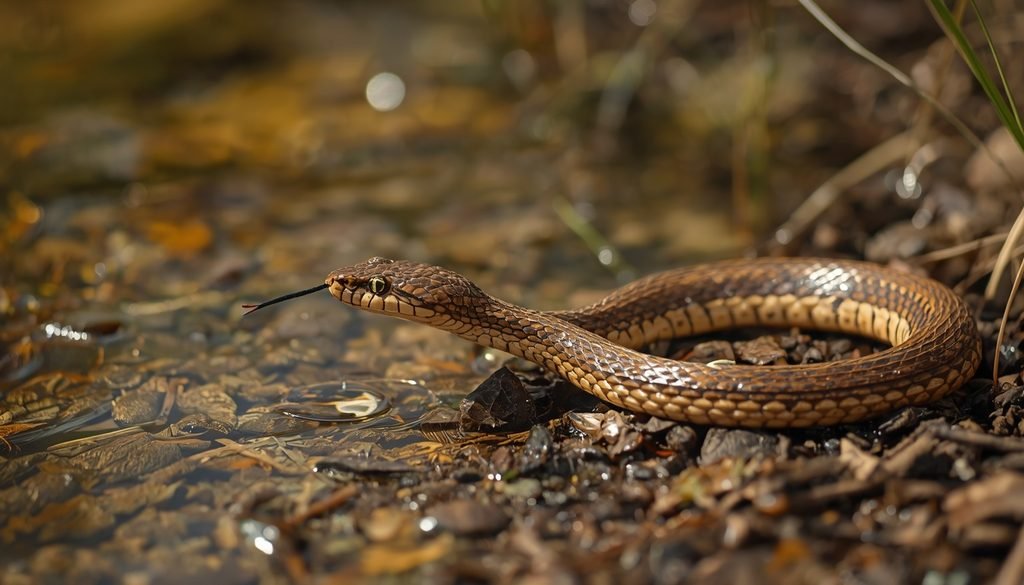
The brown water snake is a nonvenomous species found in the southeastern United States. It has a broad head and a heavy body, which may make it look similar to some venomous water-dwelling snakes. When alarmed, watersnakes may flatten their heads, making the shape appear even more triangular.
This snake is commonly found around rivers, swamps, ponds, and other freshwater habitats. It is an excellent swimmer and often rests on branches overhanging the water. Its diet mainly includes fish and amphibians.
Brown water snakes are not venomous, but they may defend themselves if captured or cornered. Their resemblance to venomous species is one reason people should avoid trying to identify or handle wild snakes at close range.
6. Fer-de-Lance
Scientific name: Bothrops asper
Class: Reptilia
Diet: Rodents, frogs, and lizards
Habitat: Tropical forests and humid lowlands
The fer-de-lance is a venomous pit viper native to parts of Central America and northern South America. It has a broad, flattened head, a strong body, and patterned scales that help it blend into forest-floor surroundings. Its head is clearly wider than its neck.
This snake lives in tropical forests, plantations, and other warm, humid environments. It often hunts at night and feeds on rodents, frogs, lizards, and other small animals. Its ability to remain still and well camouflaged makes it difficult to notice in vegetation.
The fer-de-lance is medically important because its venom can cause severe injury. It generally does not seek out people, but accidental encounters can occur when people walk through its habitat. Never attempt to approach or capture one.
7. Mojave Rattlesnake
Scientific name: Crotalus scutulatus
Class: Reptilia
Diet: Rodents and lizards
Habitat: Deserts, scrublands, and rocky terrain
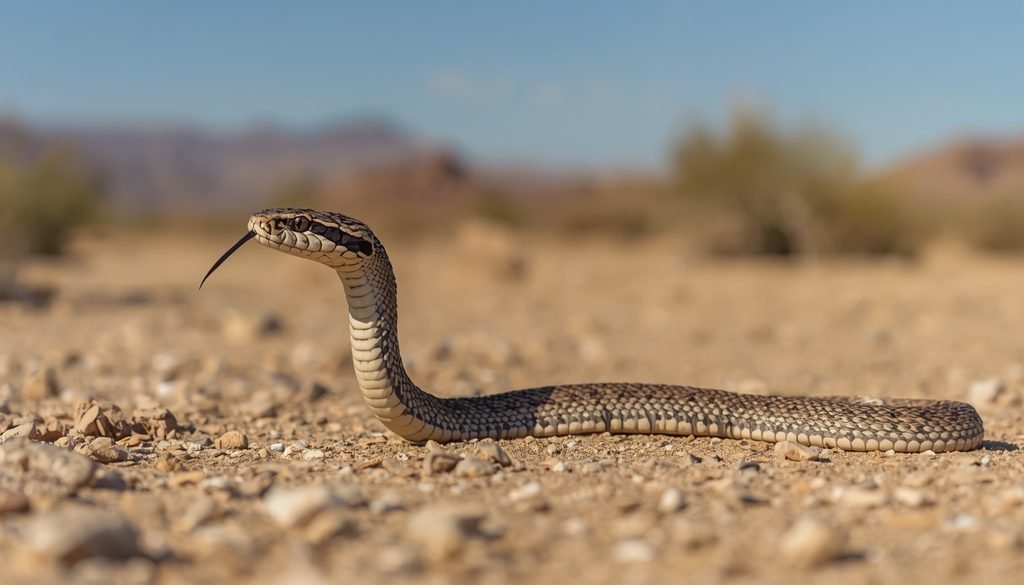
The Mojave rattlesnake is a venomous species found in desert and semi-arid regions of the southwestern United States and Mexico. It has a broad head, a relatively narrow neck, and a rattle at the end of its tail. Its color can vary from greenish or gray to brown, depending on the local environment.
It inhabits deserts, scrublands, and rocky areas. Its diet includes rodents, lizards, and other small animals. Like many pit vipers, it uses heat-sensitive pits to detect warm prey, especially when hunting in low light.
Mojave rattlesnakes are best observed from a distance. Their venom composition can vary, and a bite should always be treated as a medical emergency. Do not rely on color or head shape alone to identify a snake.
8. Cottonmouth
Scientific name: Agkistrodon piscivorus
Class: Reptilia
Diet: Fish, frogs, and small mammals
Habitat: Swamps, marshes, streams, and wetlands
The cottonmouth, also called the water moccasin, is a venomous pit viper found in the southeastern United States. Its head is broad and somewhat block-shaped, with a narrow neck behind it. Adults are often dark, while younger snakes may have more noticeable bands and a bright tail tip.
Cottonmouths live near swamps, marshes, ponds, streams, and slow-moving waterways. They eat fish, frogs, small mammals, and other available prey. They are strong swimmers and may bask on logs or low branches near water.
When threatened, a cottonmouth may open its mouth and display the pale interior, which gives the species its common name. This is a warning behavior, not an invitation to approach. Keep away from the snake and allow it to move off.
9. Hognose Snake
Scientific name: Heterodon platirhinos
Class: Reptilia
Diet: Mainly toads and other amphibians
Habitat: Sandy woodland, fields, and open forests
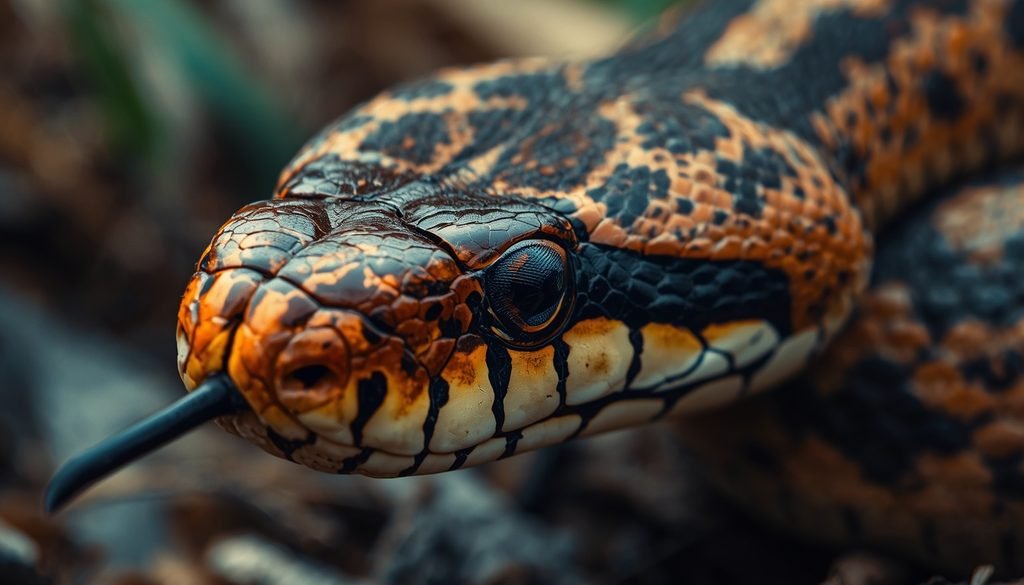
The eastern hognose snake is a nonvenomous snake known for its upturned snout and dramatic defensive displays. Its head can look broad or triangular, especially when it flattens its neck and spreads its jaw area after being disturbed. This behavior can make it resemble a more dangerous snake.
It lives in habitats such as sandy woodlands, fields, and open forests in eastern North America. Its diet includes toads and other amphibians, which it can eat with the help of specialized adaptations. Hognose snakes may hiss, bluff-strike, or roll onto their backs and play dead when frightened.
Although its defensive display can look alarming, the eastern hognose is generally harmless to people. It should still be left alone in the wild.
10. Panamint Rattlesnake
Scientific name: Crotalus stephensi
Class: Reptilia
Diet: Small mammals and lizards
Habitat: Rocky desert slopes and dry mountain terrain
The Panamint rattlesnake is a venomous rattlesnake found in parts of California and Nevada. It has a broad, triangular head, a narrow neck, and a rattle. Its coloration often matches the rocky desert environments where it lives, helping it remain less visible to both prey and predators.
This species inhabits dry mountains, rocky slopes, and desert areas. It feeds on small mammals and lizards. Like other rattlesnakes, it may use its rattle as a warning when approached too closely.
Its camouflage can make it difficult to spot among stones and dry vegetation. When hiking in rattlesnake habitat, watch where you place your feet and hands, and never reach into hidden spaces without checking.
11. Massasauga Rattlesnake
Scientific name: Sistrurus catenatus
Class: Reptilia
Diet: Small mammals and frogs
Habitat: Wetlands, prairies, and grassland edges
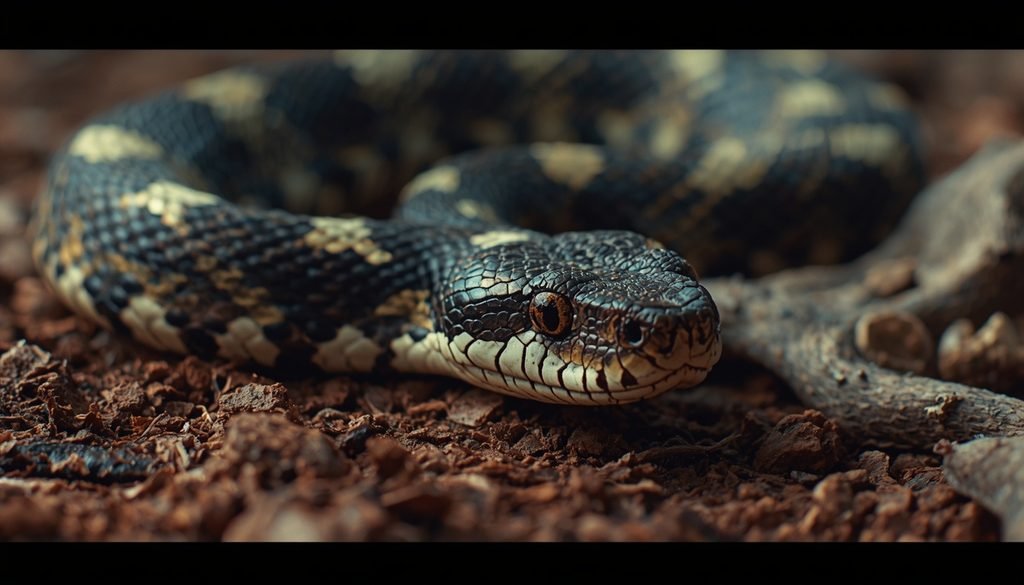
The massasauga is a small venomous rattlesnake found in parts of the central and eastern United States and southern Canada. It has a broad head, a short rattle, and dark blotches along its back. Its body is usually gray or brown, helping it blend into grass and wetland vegetation.
Massasaugas use a variety of habitats, including wetlands, prairies, and nearby uplands. They feed on small mammals, frogs, and other small animals. Like other rattlesnakes, they have venom used to subdue prey and defend themselves.
This species is often secretive and may remain hidden rather than moving away openly. If you encounter one, do not try to pick it up or move it. Give it room to retreat.
12. Timber Rattlesnake
Scientific name: Crotalus horridus
Class: Reptilia
Diet: Mainly rodents and other small mammals
Habitat: Forests, rocky hillsides, and wooded mountains
The timber rattlesnake is a venomous pit viper found in forests and rugged areas of eastern North America. It has a large triangular head, a thick body, and a rattle. Its body pattern often includes dark crossbands, although coloration varies between populations.
It lives in deciduous forests, rocky hillsides, and wooded mountain areas. Its diet mainly consists of small mammals, especially rodents. By eating rodents, timber rattlesnakes contribute to natural ecosystem balance.
Timber rattlesnakes may remain still when approached, relying on camouflage rather than immediately fleeing. This makes it important to watch the ground carefully in suitable habitat. Never attempt to touch or provoke one.
13. Sidewinder
Scientific name: Crotalus cerastes
Class: Reptilia
Diet: Small rodents and lizards
Habitat: Sandy deserts and dunes
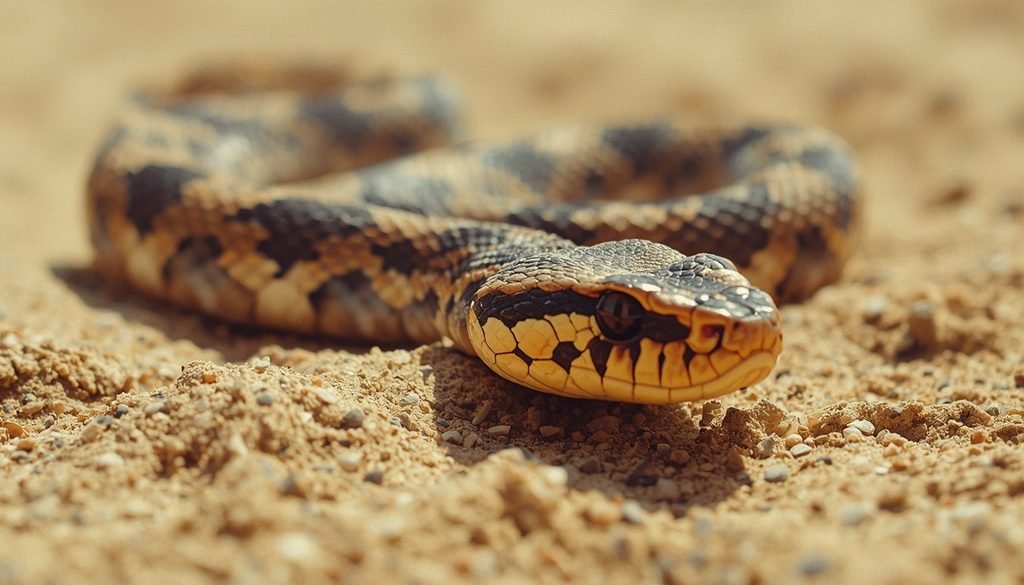
The sidewinder is a venomous rattlesnake adapted to sandy deserts of the southwestern United States and northwestern Mexico. Its head is broad and triangular, and it has small raised scales above the eyes that may look like horns. It is also known for its unusual sidewinding movement across loose sand.
Sidewinders live in desert dunes and sandy flats. Their diet includes small rodents and lizards. They often become active at night when temperatures are cooler and may bury themselves in sand to hide or avoid heat.
The sidewinder’s movement helps it travel across loose surfaces while limiting contact with hot sand. Like other rattlesnakes, it should be observed only from a safe distance.
14. Eastern Copperhead
Scientific name: Agkistrodon contortrix
Class: Reptilia
Diet: Small mammals, frogs, and lizards
Habitat: Forests, rocky areas, and woodland edges
The eastern copperhead is a venomous pit viper found in parts of the eastern and central United States. It has a broad, copper-colored head and distinctive hourglass-shaped bands along its body. Its pattern provides camouflage among leaves, rocks, and forest debris.
Copperheads inhabit forests, rocky hillsides, woodland edges, and areas near streams. They eat small mammals, frogs, lizards, and other prey. Young copperheads may use a bright tail tip to attract small prey, a behavior known as caudal luring.
Copperheads often rely on camouflage and may remain motionless when people pass nearby. Because they can be difficult to see among fallen leaves, avoid stepping over logs or reaching into hidden areas without checking first. Head shape and color should not be used alone to identify a snake.
Why Do Some Snakes Have Triangular Heads?
A triangular head shape is common among many vipers because their head anatomy includes large venom glands behind the eyes. These glands, along with the surrounding muscles and skull structure, contribute to a broad head that narrows toward the neck. Many vipers also have long, hinged front fangs that help deliver venom to prey.
Head shape can also be influenced by a snake’s feeding style, defensive behavior, and evolutionary history. Some nonvenomous snakes flatten their heads when threatened, making themselves appear wider. Research has examined this head-flattening behavior as a possible form of defensive mimicry, although its role can vary by species and situation.
A broad head is therefore one physical feature among many. It is not a universal test for venom.
Are All Triangular-Headed Snakes Venomous?
No. Many venomous vipers and rattlesnakes have triangular heads, but some harmless snakes can create a similar shape by flattening their heads when alarmed. In addition, some venomous snakes do not have an obviously triangular head. Official snake-identification guidance warns that head shape alone is unreliable.
If you see a snake outdoors, do not move closer to inspect its pupils, fangs, or head. Keep a safe distance, give it an escape route, and contact local wildlife or animal-control professionals if it is in a place where people may be at risk.
If someone is bitten, seek urgent medical care. Do not cut the wound, apply ice, or attempt to suck out venom. Follow local emergency guidance and avoid trying to catch or kill the snake.
Read More: Most Patient Animals in the World
Final Thoughts
Snakes with triangular heads include many well-known vipers and rattlesnakes, such as the Gaboon viper, eastern diamondback, cottonmouth, sidewinder, and copperhead. Their broad heads are connected to their anatomy and hunting adaptations. Other snakes, including the brown water snake and eastern hognose, may also look triangular, especially when displaying defensive behavior.
Learning about snake shapes, habitats, and behavior can help you appreciate their role in nature. Still, no single visual feature can reliably confirm whether an unfamiliar snake is venomous. Observe wild snakes from a distance, avoid handling them, and seek expert help when identification is important.
Frequently Asked Questions
1. What snake has a very triangular head?
Many vipers have noticeably broad, triangular heads. The Gaboon viper, eastern diamondback rattlesnake, cottonmouth, and copperhead are examples. Head shape varies within and between species, so it should not be used alone for identification.
2. Does a triangular head mean a snake is venomous?
No. Some venomous snakes have triangular heads, but nonvenomous snakes can flatten their heads and appear similar. Some venomous species also have less obvious head shapes. Treat unfamiliar snakes cautiously.
3. Can harmless snakes make their heads look triangular?
Yes. Some harmless snakes widen or flatten their heads when frightened. This defensive behavior can make their heads resemble those of vipers. Watersnakes and hognose snakes are examples of snakes that may show broad-headed defensive displays.
4. What is the difference between venomous and poisonous snakes?
Snakes that inject toxins through a bite are described as venomous. “Poisonous” generally refers to an organism that causes harm when it is eaten or touched. Venomous snakes use venom mainly to subdue prey and for defense.
5. Are rattlesnakes always triangular-headed?
Many rattlesnakes have broad heads that appear triangular, but appearance can vary with species, age, and viewing angle. A rattle is a useful feature for recognizing rattlesnakes from a distance, but never approach a snake to inspect it.
6. Why do some snakes flatten their heads?
Head flattening can be part of a defensive display. By making the head look broader, a snake may appear more threatening or resemble a venomous species. The behavior is documented in several nonvenomous snakes.
7. What should I do if I see a snake near my home?
Keep people and pets away, do not attempt to touch or trap the snake, and give it space to leave. If it is inside a building or in a high-risk location, contact a trained local wildlife professional or animal-control service.
8. Are triangular-headed snakes found in Pakistan?
Pakistan has several snake species, including venomous vipers and nonvenomous snakes. Their distribution depends on region and habitat. Do not identify a local snake by head shape alone; keep a safe distance and consult a qualified local wildlife expert for identification.

One thought on “14 Snakes With Triangular Heads: Identification, Facts, and Pictures”