
Introduction
Groundhogs are easy to recognize because of their chunky bodies, short legs, brown fur, and habit of digging underground burrows. Also called woodchucks, these North American mammals are members of the squirrel family and belong to the marmot group. Their appearance and behavior can make people wonder which other animals look or live like them.
There are several animals similar to groundhogs, but they are not all closely related. Some share a stocky body and burrowing lifestyle, while others simply have similar diets, habitats, or digging habits. Prairie dogs and marmots are rodents in the same broad squirrel family, while rabbits and pikas belong to a different mammal group. Even the rock hyrax, which looks somewhat rodent-like, has much more distant relatives.
In this guide, we will explore 12 animals like groundhogs, including their scientific names, diets, habitats, behaviors, and the features that make them look or act similar.
What Animals Are Like Groundhogs?
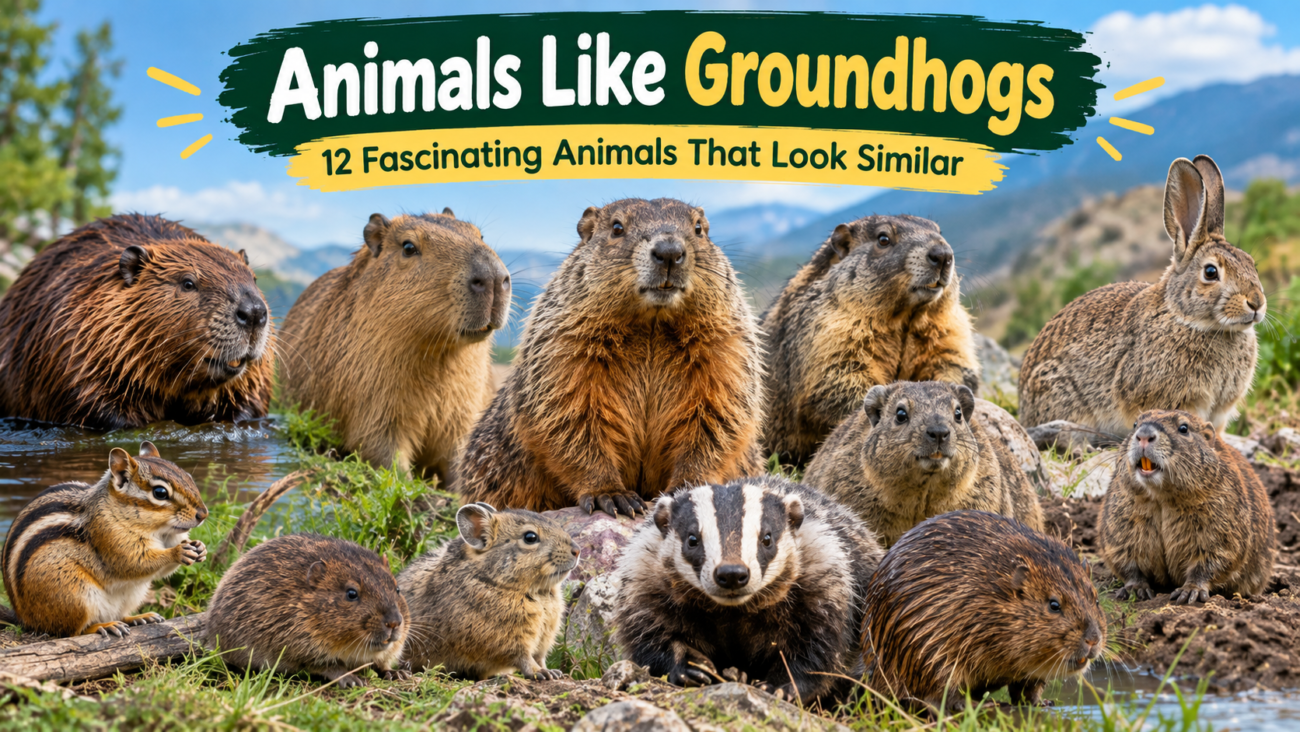
Animals like groundhogs include prairie dogs, beavers, capybaras, marmots, chipmunks, voles, rabbits, pikas, American badgers, rock hyraxes, muskrats, and gophers. They may resemble groundhogs because of their rounded bodies, short legs, burrowing habits, herbivorous diets, or terrestrial lifestyles, although their relationships can be very different.
List of Animals Like Groundhogs
Here are 12 animals that share one or more noticeable traits with groundhogs:
- Prairie Dog
- Beaver
- Capybara
- Marmot
- Chipmunk
- Vole
- Rabbit
- Pika
- American Badger
- Rock Hyrax
- Muskrat
- Gopher
Quick Comparison Table
| Animal | Scientific Name | Class | Diet | Main Similarity to Groundhog |
| Prairie Dog | Cynomys | Mammalia | Herbivore | Burrowing, stocky body |
| Beaver | Castor canadensis | Mammalia | Herbivore | Large rodent, digging |
| Capybara | Hydrochoerus hydrochaeris | Mammalia | Herbivore | Large, rounded body |
| Marmot | Marmota | Mammalia | Herbivore | Close relative |
| Chipmunk | Tamias | Mammalia | Omnivore | Burrowing, squirrel family |
| Vole | Microtus | Mammalia | Herbivore | Small, stocky body |
| Rabbit | Oryctolagus cuniculus | Mammalia | Herbivore | Burrowing and rounded body |
| Pika | Ochotona | Mammalia | Herbivore | Compact body |
| American Badger | Taxidea taxus | Mammalia | Carnivore | Powerful digging |
| Rock Hyrax | Procavia capensis | Mammalia | Herbivore | Short legs, stout body |
| Muskrat | Ondatra zibethicus | Mammalia | Herbivore | Burrowing and rounded body |
| Gopher | Geomyidae | Mammalia | Herbivore | Underground lifestyle |
1. Prairie Dog
Scientific Name: Cynomys
Class: Mammalia
Diet: Herbivore
Habitat: North American grasslands and prairies
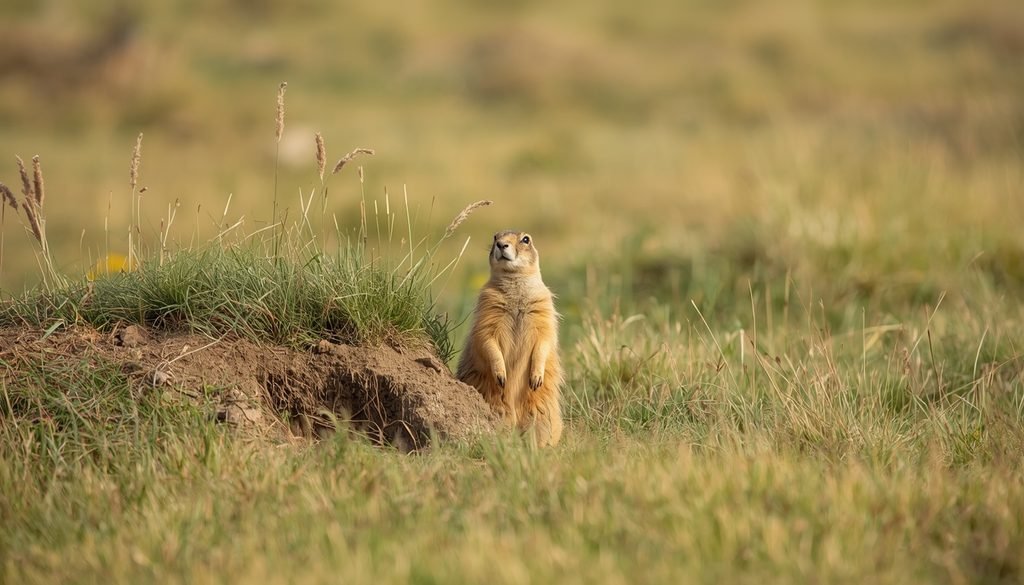
Prairie dogs are among the most recognizable animals that look like groundhogs. They have compact bodies, short legs, small ears, and live in underground burrow systems. Both animals are rodents in the squirrel family, although prairie dogs belong to the ground-squirrel group rather than the marmot genus.
One major difference is social behavior. Prairie dogs commonly live in colonies and use alarm calls when predators approach. Their burrowing also changes the surrounding soil and vegetation, giving them an important ecological role in grassland ecosystems.
Interesting Fact: Prairie dogs can use alarm calls to warn colony members about nearby danger.
2. Beaver
Scientific Name: Castor canadensis
Class: Mammalia
Diet: Herbivore
Habitat: Rivers, ponds, lakes, and wetlands
Beavers are much larger and more aquatic than groundhogs, but their heavy bodies and rodent features can make them seem similar at first glance. Both are herbivorous mammals with strong digging abilities and an important connection to their surrounding habitat.
The American beaver is especially famous for building dams and lodges. Its large front teeth are adapted for cutting woody plants, while its broad tail helps with swimming and balance. Unlike a groundhog, a beaver spends much of its life around water.
Interesting Fact: Beaver activity can create or expand wetland habitat used by many other species.
3. Capybara
Scientific Name: Hydrochoerus hydrochaeris
Class: Mammalia
Diet: Herbivore
Habitat: Wetlands, grasslands, forests, and river edges in South America
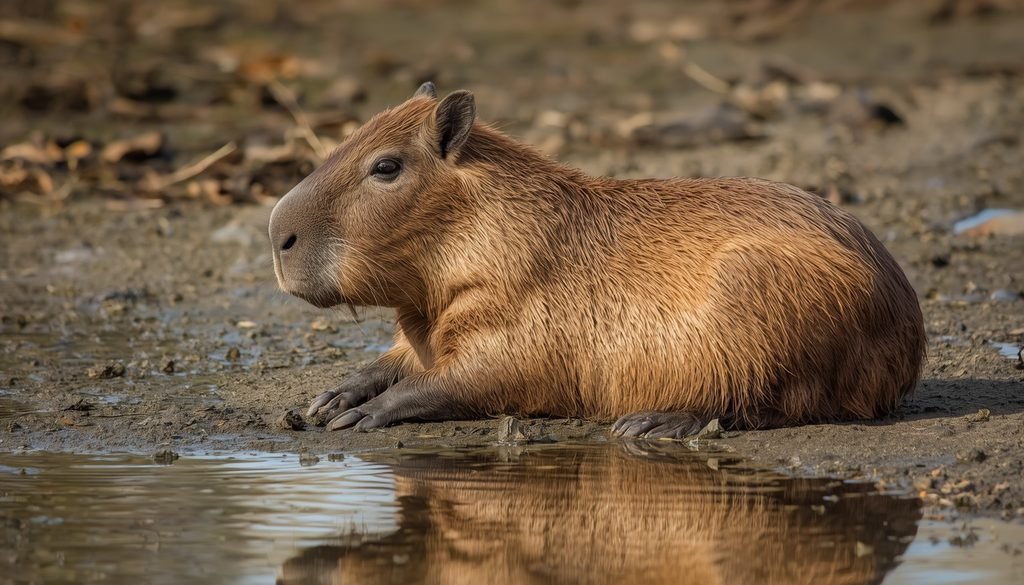
The capybara is another large rodent that can remind people of a groundhog because of its rounded, sturdy body and short legs. However, it is far larger than a groundhog and has a strongly semi-aquatic lifestyle.
Capybaras live in groups and are commonly found close to water. Their partly webbed feet help them swim, and water provides an important refuge from predators. Their plant-based diet includes grasses and aquatic vegetation.
Interesting Fact: The capybara is the largest living rodent.
4. Marmot
Scientific Name: Marmota
Class: Mammalia
Diet: Herbivore
Habitat: Mountains, grasslands, meadows, and rocky areas
Marmots are one of the closest answers to the question of what animals are like groundhogs because a groundhog is actually a type of marmot. The groundhog’s scientific name is Marmota monax, and it belongs to the squirrel family Sciuridae.
Other marmots can look extremely similar, with stocky bodies, short legs, small ears, and thick fur. Many species dig burrows and eat grasses, herbs, and other vegetation. Several marmot species also hibernate during winter.
Interesting Fact: Groundhogs are often called woodchucks, but scientifically they are a species of marmot.
5. Chipmunk
Scientific Name: Tamias
Class: Mammalia
Diet: Omnivore
Habitat: Forests, woodland edges, parks, and gardens
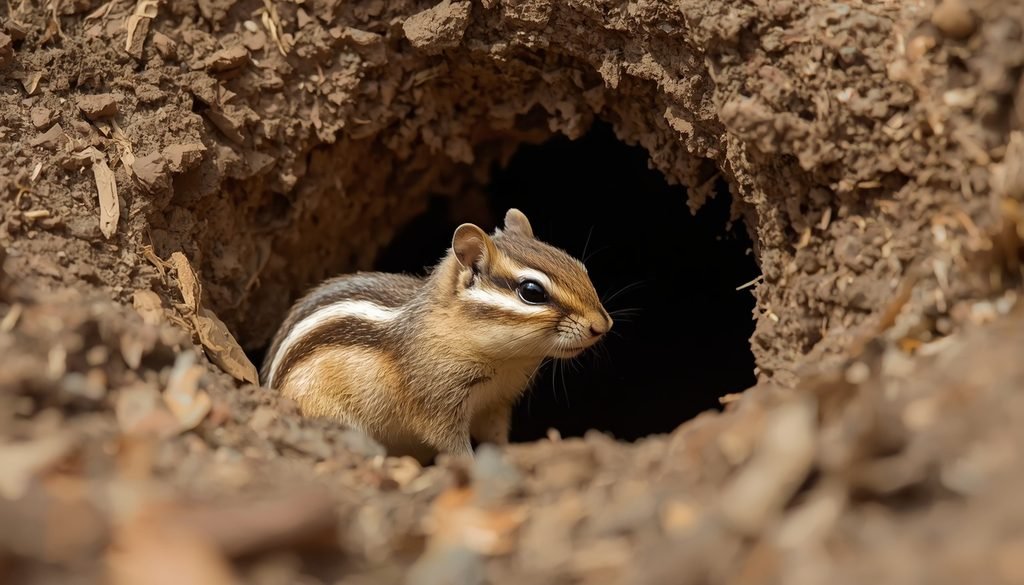
Chipmunks are much smaller than groundhogs, but their connection to the squirrel family and their habit of using underground burrows make them familiar groundhog relatives. Their brown fur and compact bodies can also create a superficial resemblance.
Unlike groundhogs, chipmunks are famous for their stripes and cheek pouches. They collect seeds, nuts, fruits, and other foods and may store food in underground chambers or other caches.
Interesting Fact: Some chipmunks can store surprisingly large quantities of food for later use.
6. Vole
Scientific Name: Microtus
Class: Mammalia
Diet: Mostly herbivore
Habitat: Grasslands, meadows, forests, and areas with dense vegetation
Voles are small, round-bodied rodents with short tails and relatively short legs. Their compact shape and underground lifestyle can make them look like miniature versions of larger burrowing mammals such as groundhogs.
Many voles spend much of their time close to the ground, creating runways and tunnels through vegetation. They commonly feed on grasses, roots, stems, and other plant material. Voles are also an important food source for predators such as foxes, hawks, snakes, and badgers.
Interesting Fact: Voles are generally much smaller than groundhogs and are often hidden beneath dense vegetation.
7. Rabbit
Scientific Name: Oryctolagus cuniculus
Class: Mammalia
Diet: Herbivore
Habitat: Grasslands, meadows, woodland edges, and gardens
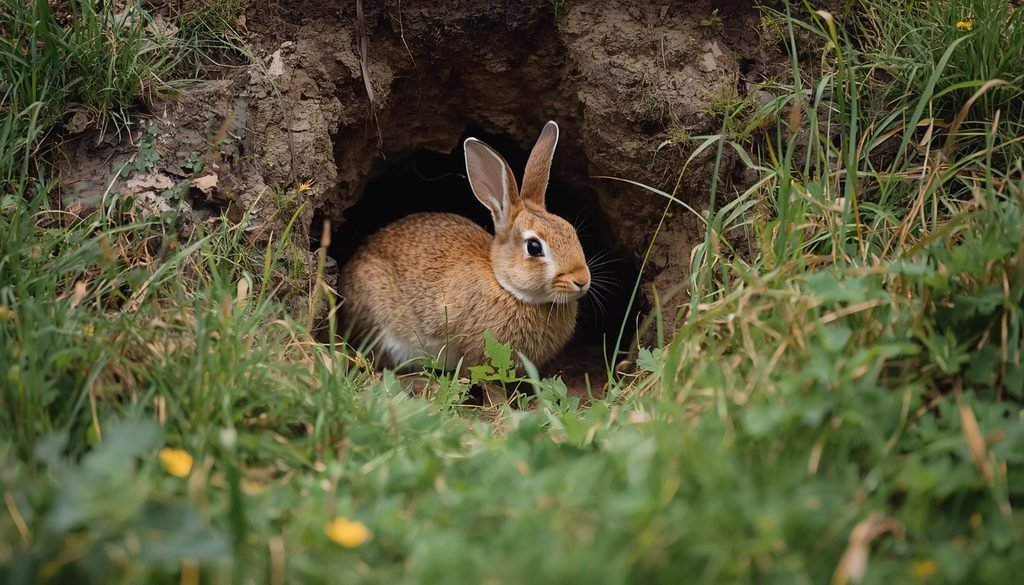
Rabbits can resemble groundhogs because both have rounded bodies, strong digging abilities, and plant-based diets. Their burrowing habits are particularly noticeable in species that create underground shelters.
However, rabbits are not rodents. They belong to the order Lagomorpha, which makes them biologically different from groundhogs. Rabbits also have powerful hind legs designed for rapid movement and jumping.
Interesting Fact: Rabbits and groundhogs may share similar-looking lifestyles while belonging to different mammal groups.
8. Pika
Scientific Name: Ochotona
Class: Mammalia
Diet: Herbivore
Habitat: Rocky mountains, alpine slopes, and high-elevation regions
Pikas are tiny, compact mammals with rounded bodies, short legs, and small ears. Their body shape can remind people of a miniature groundhog, although they are much smaller and belong to Lagomorpha rather than Rodentia.
Many pikas live among rocks and collect vegetation during the warmer months. They dry and store plants in hay piles that provide food during cold periods. This behavior makes them especially interesting examples of wildlife adapted to harsh mountain environments.
Interesting Fact: Pikas are sometimes called “rock rabbits,” even though they are neither true rabbits nor rodents.
9. American Badger
Scientific Name: Taxidea taxus
Class: Mammalia
Diet: Carnivore
Habitat: Grasslands, prairies, deserts, and open woodland
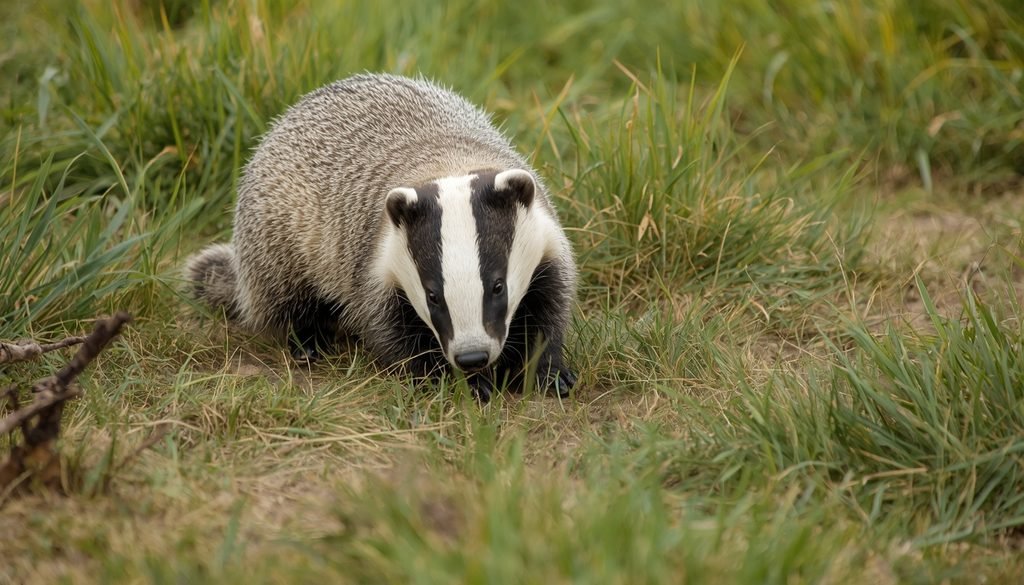
The American badger has a powerful, low-slung body that can make it look somewhat similar to a groundhog. Its strongest connection is not diet but digging. Badgers have strong forelimbs and claws that help them excavate burrows and search for prey.
Unlike groundhogs, American badgers are primarily carnivorous. Their prey can include pocket gophers, ground squirrels, marmots, prairie dogs, and voles.
Interesting Fact: A badger’s digging ability allows it to pursue prey that spend much of their lives underground.
10. Rock Hyrax
Scientific Name: Procavia capensis
Class: Mammalia
Diet: Herbivore
Habitat: Rocky areas, cliffs, scrublands, and dry landscapes
The rock hyrax is a surprising addition to this list. It has a stout body, short legs, small ears, and a somewhat rodent-like appearance. However, it is not a rodent. Its closest living relatives are elephants and manatees.
Rock hyraxes live around rocky outcrops where their strong feet help them move across steep surfaces. They mainly eat vegetation and often live in social colonies. Their unusual evolutionary history makes them a great example of why appearance alone does not reveal an animal’s true relationships.
Interesting Fact: The soles of a rock hyrax’s feet help it grip steep rocky surfaces.
11. Muskrat
Scientific Name: Ondatra zibethicus
Class: Mammalia
Diet: Mostly herbivore
Habitat: Marshes, ponds, streams, and freshwater wetlands
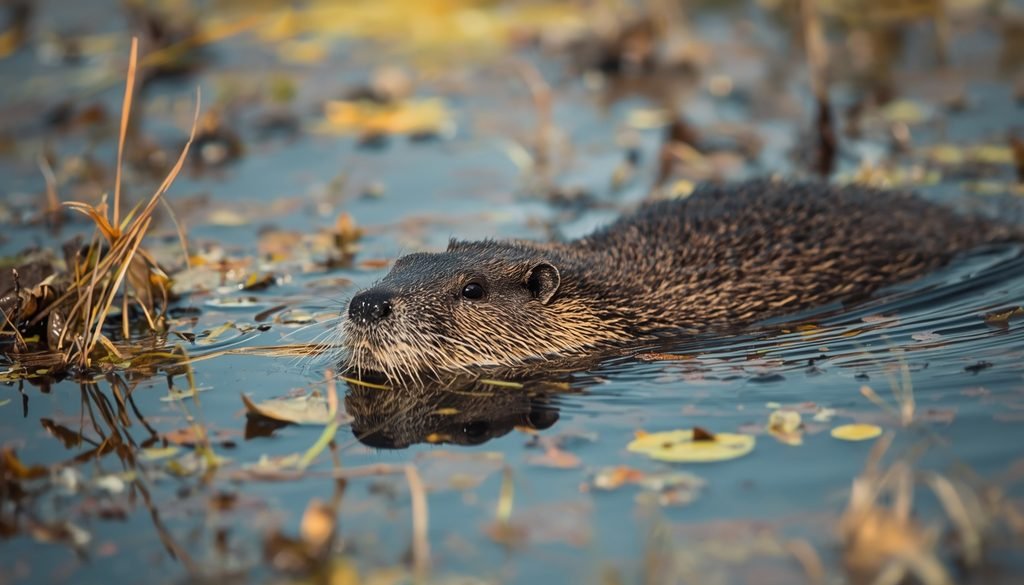
Muskrats are medium-sized rodents with rounded bodies and short legs, making them another animal that can look somewhat like a groundhog. They also dig shelters and may build lodges in wetland environments.
The biggest difference is lifestyle. Muskrats are strongly associated with water and are excellent swimmers. Their flattened, scaly tail helps with swimming and steering. They commonly eat aquatic plants and vegetation around ponds and marshes.
Interesting Fact: Despite their name, muskrats are rodents rather than true rats.
12. Gopher
Scientific Name: Geomyidae
Class: Mammalia
Diet: Herbivore
Habitat: Grasslands, agricultural land, gardens, and loose soils
Gophers are among the best animals to compare with groundhogs because both are digging mammals that spend time around underground shelters. Gophers have powerful front claws and specialized teeth that help them excavate soil and collect plant material.
Unlike groundhogs, pocket gophers spend much more of their lives underground. Their tunnel systems can extend through large areas beneath the soil, where they feed on roots, tubers, and other plant parts. Their digging can move and mix soil, although they may also become agricultural pests.
Interesting Fact: Pocket gophers have external cheek pouches that allow them to carry food without filling their mouths with soil.
Why Do These Animals Look or Behave Like Groundhogs?
The animals on this list are similar to groundhogs for different reasons. Some, such as marmots, are closely related and naturally share many physical characteristics. Others developed similar traits because they live in environments where digging, compact bodies, or underground shelters are useful.
Burrowing can provide protection from predators, shelter from extreme temperatures, and a secure place to raise young. Stocky bodies can also be useful for animals that spend time on or beneath the ground.
However, similarity does not always mean close evolutionary relationship. Rabbits and pikas are lagomorphs, American badgers are carnivores, and rock hyraxes belong to an entirely different mammalian lineage. These examples show why appearance, behavior, and taxonomy should be considered separately.
Groundhog vs. Similar Animals
A groundhog is a medium-sized rodent in the squirrel family and the genus Marmota. It is mainly terrestrial, digs burrows, eats vegetation, and hibernates during winter.
Marmots are its closest match because the groundhog itself is a marmot. Prairie dogs and chipmunks are also members of the squirrel family, but they have different body sizes and lifestyles. Gophers and voles are rodents with strong underground habits, while beavers and muskrats are adapted to aquatic environments.
Rabbits and pikas may look similar but are lagomorphs rather than rodents. American badgers share the digging lifestyle but have a carnivorous diet. Rock hyraxes are another example of a rodent-like appearance hiding a very different evolutionary history.
Are Groundhogs Rodents?
Yes. Groundhogs are rodents belonging to the squirrel family Sciuridae and the genus Marmota. Their scientific name is Marmota monax. They are also known as woodchucks and are one of the larger members of the squirrel family.
This is why several rodents on this list, especially marmots and prairie dogs, share features with groundhogs. However, rabbits and pikas should not be called rodents because they belong to the separate order Lagomorpha.
Read More: 18 Powerful Animals in the World
FAQs
What other animal looks like a groundhog?
Several animals can look somewhat like a groundhog, including marmots, prairie dogs, gophers, voles, muskrats, and beavers. Marmots are the closest comparison because groundhogs are themselves members of the genus Marmota.
What animals are most similar to groundhogs?
Marmots are among the most similar animals to groundhogs because they share the same genus. Prairie dogs and other ground squirrels are also related through the squirrel family, while gophers and voles share a burrowing rodent lifestyle.
Are marmots and groundhogs the same animal?
A groundhog is a type of marmot. The groundhog’s scientific name is Marmota monax, while “marmot” can refer to several species in the genus Marmota. So, every groundhog is a marmot, but not every marmot is a groundhog.
Is a groundhog a rodent?
Yes. Groundhogs are rodents in the family Sciuridae. They are closely associated with other squirrel-family rodents, including marmots, prairie dogs, and chipmunks.
What rodents look like groundhogs?
Marmots, prairie dogs, gophers, voles, muskrats, chipmunks, and some beavers can share physical or behavioral traits with groundhogs. Their similarities may include rounded bodies, short legs, burrowing, or plant-based diets.
Are rabbits related to groundhogs?
Rabbits and groundhogs are both mammals, but rabbits are not rodents. Rabbits belong to the order Lagomorpha, while groundhogs belong to Rodentia. Their similar body shapes and burrowing habits are examples of shared adaptations rather than close taxonomic relationship.
Are beavers and groundhogs related?
Beavers and groundhogs are both rodents, but they belong to different families. Groundhogs are members of Sciuridae, while beavers belong to Castoridae. Their similarities mainly involve their sturdy bodies, plant-based diets, and ability to modify or use habitats through digging and building.
What is the difference between a groundhog and a gopher?
Groundhogs are larger marmots that commonly live above ground and use burrows for shelter. Gophers are smaller rodents highly adapted to underground life, with specialized cheek pouches and powerful digging abilities. Both are burrowing mammals, but they belong to different families.
Final Thoughts
There are many animals like groundhogs, but they are similar for different reasons. Marmots are the closest match because a groundhog is itself a marmot, while prairie dogs and chipmunks share a broader squirrel-family connection. Gophers, voles, and muskrats are other rodents with notable burrowing or compact-body traits.
Animals such as rabbits, pikas, badgers, and rock hyraxes show that a groundhog-like appearance does not necessarily mean close biological relationship. Looking at anatomy, habitat, diet, and behavior gives us a much clearer picture of why these fascinating mammals may resemble one another.

One thought on “Animals Like Groundhogs: 12 Fascinating Animals That Look Similar”