
Introduction
What animal has the best sense of smell? The answer is more complicated than simply choosing the animal with the strongest nose. Smell, also called olfaction, is an important survival tool for many species. Animals use odors to find food, locate mates, recognize family members, detect predators, follow scent trails, and understand what is happening around them.
African elephants are especially interesting because they have an exceptionally large repertoire of olfactory receptor genes. Dogs, particularly scent-tracking breeds such as bloodhounds, are highly specialized at detecting and following odors. Bears can use their powerful sense of smell to locate food, while sharks detect chemical cues dissolved in water.
Even birds and insects can have remarkable smell-related abilities. Turkey vultures can use odor to locate carrion, snakes collect chemical information with their forked tongues, and male silk moths are extremely sensitive to female pheromones.
In this guide, we’ll look at 12 animals with exceptional senses of smell, how they use scent, and why comparing them is more complicated than creating a simple number-one ranking.
What Animal Has the Best Sense of Smell?
African elephants are often highlighted for exceptional olfactory ability, particularly because they have an unusually large number of functional olfactory receptor genes. However, there is no single animal that is scientifically proven to have the “best” sense of smell in every category. Different species excel at different tasks, including scent tracking, odor discrimination, pheromone detection, and finding food or prey.
12 Animals With an Amazing Sense of Smell
| No. | Animal | Main Smell Ability |
| 1 | African Elephant | Exceptional olfactory receptor repertoire |
| 2 | Bloodhound | Powerful scent tracking |
| 3 | Grizzly Bear | Detecting food odors |
| 4 | Polar Bear | Finding prey in Arctic conditions |
| 5 | African Giant Pouched Rat | Detecting specific odors |
| 6 | Great White Shark | Detecting chemicals in water |
| 7 | Turkey Vulture | Finding carrion through odor |
| 8 | Snake | Detecting chemical cues with its tongue |
| 9 | Silk Moth | Detecting pheromones |
| 10 | Wolf | Tracking prey and social scents |
| 11 | Pig | Finding food underground |
| 12 | Kiwi | Detecting prey on the forest floor |
1. African Elephant
Scientific Name: Loxodonta africana
Class: Mammalia
Diet: Herbivore
Main Smell Ability: Exceptional olfactory receptor repertoire
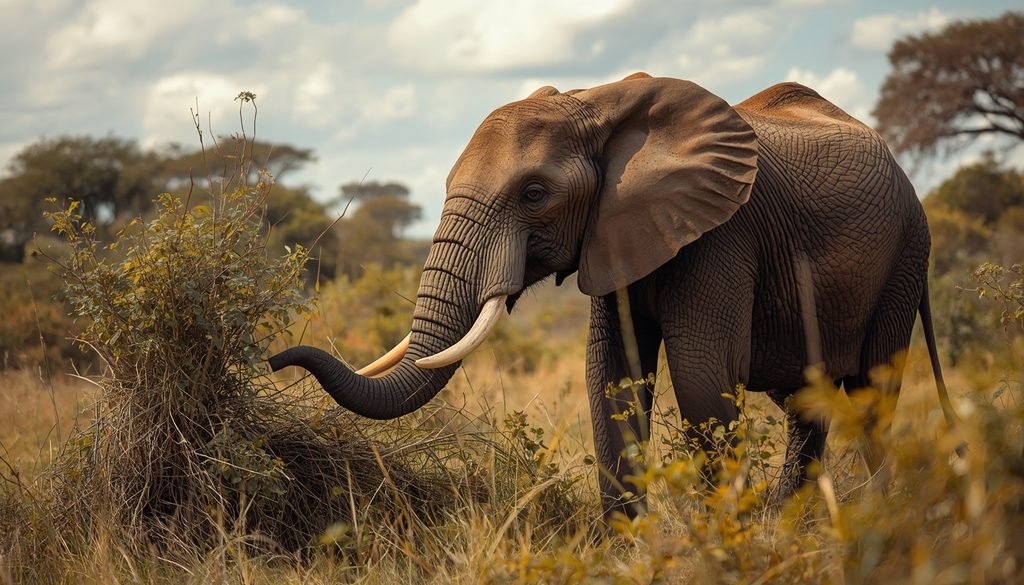
African elephants have one of the most remarkable olfactory systems known among mammals. A 2014 genomic study found about 2,000 functional olfactory receptor genes in the African elephant, an exceptionally large repertoire among the mammals examined in that research.
Their trunk gives them an excellent way to investigate odors in their environment. Smell can help elephants make decisions about food, water, and other elephants. Research has also found evidence that elephants can retain information about familiar scents over long periods.
2. Bloodhound
Scientific Name: Canis lupus familiaris
Class: Mammalia
Diet: Omnivore
Main Smell Ability: Scent tracking
Bloodhounds are famous for their ability to follow scent trails. Their long ears, large nasal passages, and specialized olfactory system make them particularly useful for tracking.
A bloodhound does not simply detect an odor; it can work with changing scent information to follow a trail left by a person or animal. This ability has made scent-trained dogs valuable in search and rescue and other detection work.
The bloodhound is therefore an excellent example of specialized scent tracking, even though that does not automatically make it the overall winner in every measure of olfaction.
3. Grizzly Bear
Scientific Name: Ursus arctos horribilis
Class: Mammalia
Diet: Omnivore
Main Smell Ability: Detecting food odors
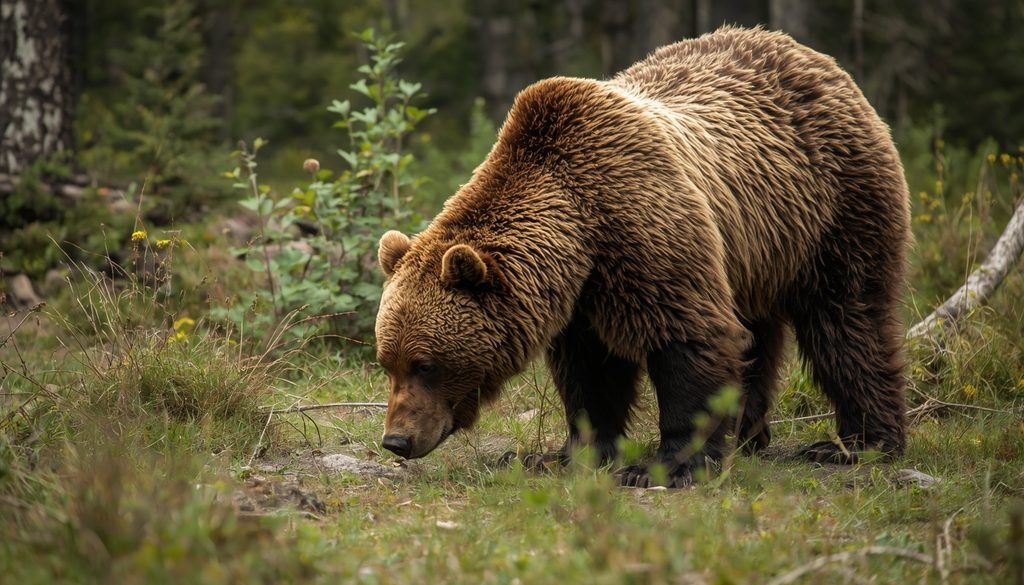
Bears are well known for their powerful sense of smell. For a grizzly bear, detecting odors is extremely useful because food may be hidden beneath vegetation, soil, or other natural material.
Smell helps bears locate carrion, plants, insects, and other food sources across large areas. They also encounter many unfamiliar scents as they move through their territory. Their reliance on odor demonstrates how a strong olfactory system can help an animal survive in a large and changing environment.
4. Polar Bear
Scientific Name: Ursus maritimus
Class: Mammalia
Diet: Carnivore
Main Smell Ability: Detecting prey in Arctic conditions
The polar bear lives in an environment where visibility can change dramatically because of snow, ice, darkness, and weather. Smell is therefore an important part of its hunting strategy.
Polar bears primarily hunt seals and can use chemical information to help locate potential prey. Their ability to detect odors across an open Arctic landscape gives them useful information even when prey cannot be easily seen.
5. African Giant Pouched Rat
Scientific Name: Cricetomys gambianus
Class: Mammalia
Diet: Omnivore
Main Smell Ability: Detecting specific target odors
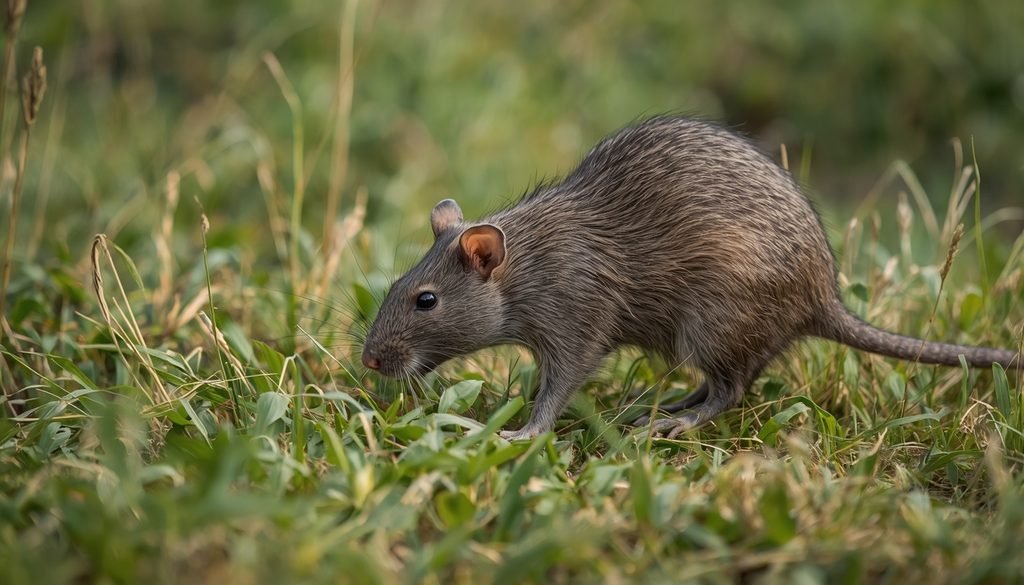
The African giant pouched rat is a fascinating example of an animal whose sense of smell can be trained for specific detection tasks. These rodents have been trained to identify particular odors and have been investigated for applications involving scent detection.
Their small size, mobility, and ability to learn odor associations make them interesting subjects in detection research. This shows that a useful sense of smell is not limited to large mammals with enormous noses.
6. Great White Shark
Scientific Name: Carcharodon carcharias
Class: Chondrichthyes
Diet: Carnivore
Main Smell Ability: Detecting chemical cues in water
Great white sharks have a specialized sensory system that helps them detect chemical information in seawater. Smell can provide useful clues about potential prey and other biological material in their surroundings.
A common internet claim says that sharks can detect a single drop of blood from miles away. Such statements are usually exaggerated. Shark olfaction is genuinely impressive, but real-world detection depends on factors such as water movement, chemical concentration, distance, and environmental conditions.
7. Turkey Vulture
Scientific Name: Cathartes aura
Class: Aves
Diet: Carnivore / scavenger
Main Smell Ability: Locating carrion
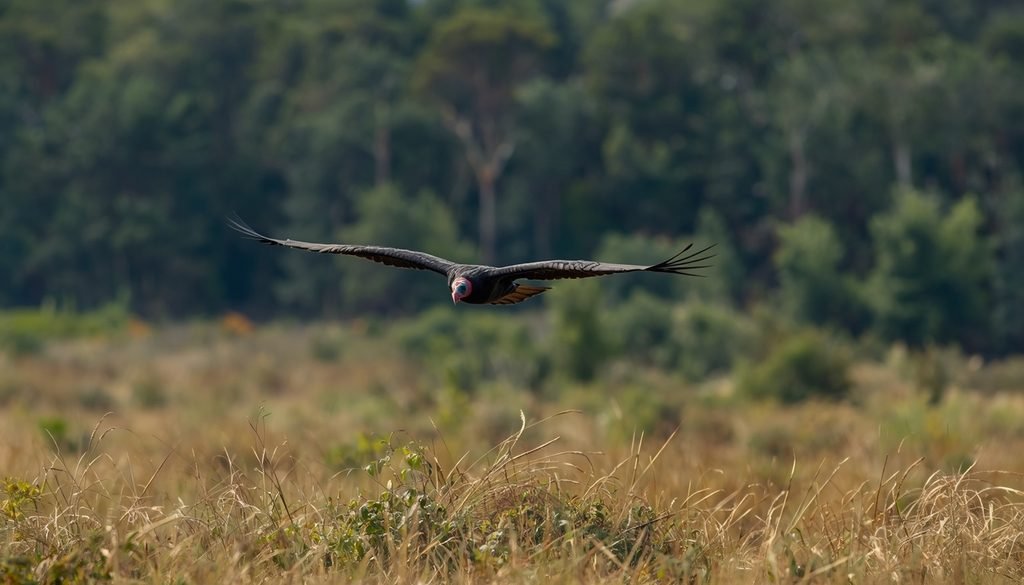
The turkey vulture is one of the best-known examples of strong olfaction in birds. While soaring over large areas, it can use odors in the environment to help locate dead animals.
This ability gives turkey vultures an advantage when searching for food that may not be immediately visible from the air. Their behavior also demonstrates that birds are not all dependent on excellent eyesight; some species have developed important chemical-sensing abilities.
8. Snake
Scientific Name: Various species
Class: Reptilia
Diet: Varies by species
Main Smell Ability: Collecting chemical information with the tongue
Snakes have a fascinating way of detecting chemical information. Their forked tongues collect particles from the surrounding environment and transfer them to a specialized sensory structure called the vomeronasal organ, commonly known as Jacobson’s organ.
The two tips of the tongue can help a snake gather information from slightly different locations. This can provide directional clues about where an odor originates. Smell and chemical sensing are therefore important for finding prey, avoiding threats, locating mates, and understanding the environment.
9. Silk Moth
Scientific Name: Bombyx mori
Class: Insecta
Diet: Herbivore as a larva
Main Smell Ability: Detecting pheromones
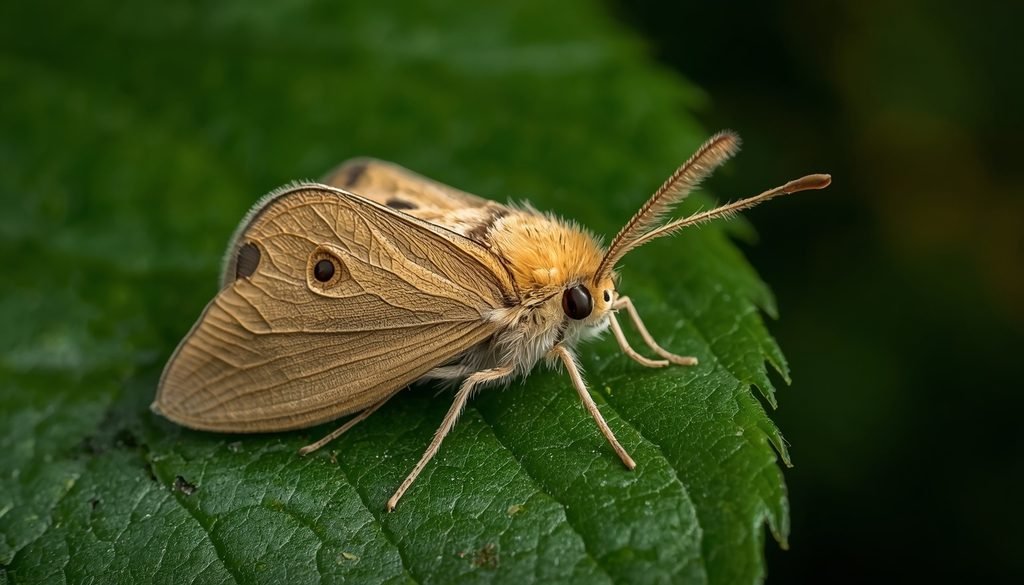
The silk moth provides an excellent reminder that the “best sense of smell” can depend on what an animal needs to detect. Male silk moths have highly sensitive antennae that help them detect female pheromones.
These chemical signals can guide males toward potential mates even when the source is not immediately visible. Their remarkable sensitivity to specific molecules demonstrates how specialized olfactory systems can become through evolution.
10. Wolf
Scientific Name: Canis lupus
Class: Mammalia
Diet: Carnivore
Main Smell Ability: Tracking prey and social scents
Wolves depend heavily on smell to understand their surroundings. They can use odors associated with prey, other wolves, territory, and reproductive status.
Scent marking is also important in wolf communication. A smell left behind by another animal can provide information even when that animal is no longer nearby. For a predator that travels across a large territory, this chemical information can be extremely valuable.
11. Pig
Scientific Name: Sus scrofa
Class: Mammalia
Diet: Omnivore
Main Smell Ability: Finding food underground
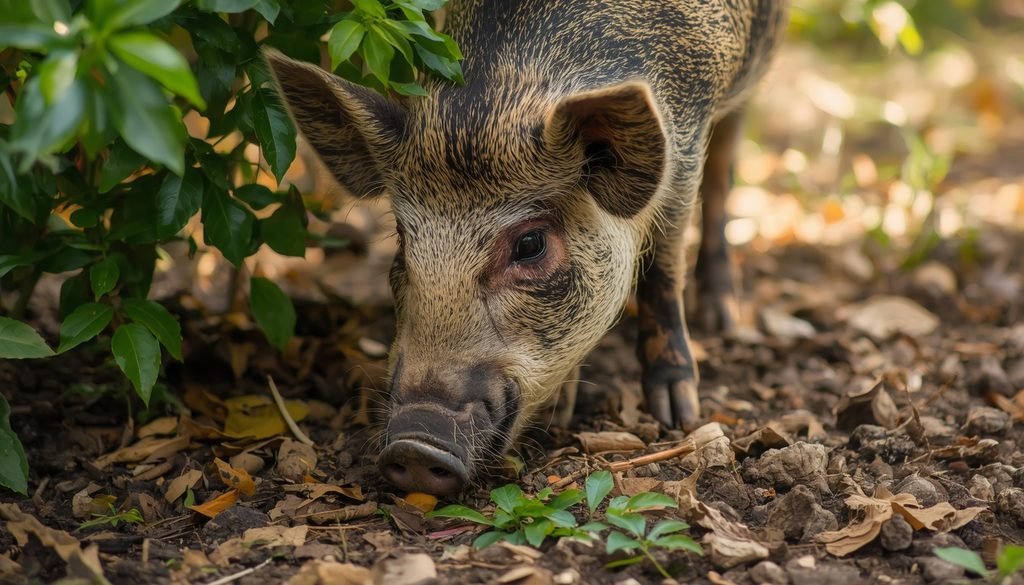
Pigs have a highly developed sense of smell that helps them locate food. Their sensitive snouts are particularly useful when searching through soil, leaves, and vegetation.
Some pigs have traditionally been used to locate truffles because these valuable fungi can grow underground and may be difficult for humans to find visually. Smell allows pigs to detect chemical clues that reveal hidden food sources.
12. Kiwi
Scientific Name: Apteryx species
Class: Aves
Diet: Omnivore
Main Smell Ability: Detecting prey on the forest floor
Kiwis are unusual birds in many ways. They are flightless, mostly nocturnal, and spend much of their time searching through leaf litter and soil for food.
Their nostrils are positioned near the end of the bill, which is unusual among birds. This arrangement helps them detect odors close to the ground while searching for insects, worms, and other small food items. The kiwi is a great example of how an animal’s sensory system can be closely linked to its feeding behavior.
Why Do Animals Have Such a Strong Sense of Smell?
Animals use smell because chemical information can reveal things that sight and sound cannot.
Finding Food
Predators, scavengers, and foraging animals can follow odors to locate food. A scent can sometimes reveal the presence of food even when it is hidden.
Detecting Predators
Prey species can use odors to recognize potential threats. Detecting a predator before seeing it can give an animal valuable time to escape.
Finding Mates
Many species use chemical signals to locate potential mates. Pheromones are particularly important in insects and other animals.
Communication
Scent can communicate information about identity, territory, reproductive condition, and social relationships.
Navigation
Some animals can use environmental odors as clues about their surroundings, helping them locate resources or follow familiar routes.
How Do Scientists Compare Animal Smell?
Scientists can measure olfactory ability in several different ways. These may include odor detection thresholds, odor discrimination, olfactory receptor genes, scent-tracking performance, and behavioral responses to specific chemicals.
The number of olfactory receptor genes is one useful biological measurement, but it does not automatically tell us which animal can perform every smell-related task better than another.
For example, research found an exceptionally large repertoire of functional olfactory receptor genes in African elephants. Other studies have demonstrated strong odor discrimination and long-term olfactory memory in elephants as well.
Recent comparative research also shows that different elephant species can differ in odor sensitivity and discrimination, reinforcing the idea that animal olfaction is complex rather than a simple competition.
Which Animals Have the Strongest Sense of Smell in Different Situations?
| Smell-related ability | Example | Why it is notable |
| Large olfactory receptor repertoire | African Elephant | Exceptional number of functional olfactory receptor genes |
| Scent tracking | Bloodhound | Highly specialized tracking ability |
| Finding food by odor | Grizzly Bear | Strong ability to locate food sources |
| Arctic prey detection | Polar Bear | Smell is useful in snow and ice habitats |
| Target odor detection | Pouched Rat | Can learn specific scent associations |
| Chemical detection in water | Great White Shark | Detects chemical cues in seawater |
| Carrion detection | Turkey Vulture | Uses odor while searching for food |
| Chemical sensing | Snake | Tongue and vomeronasal system collect odor information |
| Pheromone detection | Silk Moth | Extremely sensitive to specific chemical signals |
| Scent tracking and communication | Wolf | Uses odor for prey and social information |
| Underground food detection | Pig | Uses smell while foraging below the surface |
| Ground-level prey detection | Kiwi | Uses smell during forest-floor foraging |
This table is a functional comparison, not a definitive scientific ranking.
Read More: Animals That Start With R
FAQs About Animal Sense of Smell
What animal has the best sense of smell?
African elephants are often highlighted for exceptional olfactory ability because of their unusually large repertoire of olfactory receptor genes. However, there is no universal winner for every type of smell-related ability. Dogs, bears, sharks, moths, and other animals each have specialized strengths.
What animal has the strongest sense of smell?
African elephants are a strong example when looking at olfactory receptor gene diversity. Bloodhounds are exceptional scent trackers, while bears are famous for detecting food odors. Because scientists can measure smell in different ways, “strongest” depends on the specific ability being tested.
Do elephants have the best sense of smell?
Elephants have exceptionally developed olfactory abilities. African elephants have a very large repertoire of functional olfactory receptor genes, and research shows they can use odors to distinguish information about food and other elephants. This makes them one of the most impressive animals for studying smell.
Are dogs better at smelling than humans?
Dogs have highly specialized olfactory systems and are much better suited to many scent-detection tasks than humans. This is why trained dogs can track individuals, detect specific odors, and assist in search and rescue. However, saying that dogs are simply “better at smell” in every possible situation oversimplifies how different sensory systems work.
Which animal can smell the farthest?
There is no single scientifically established distance record that makes one animal the universal winner. Environmental conditions, wind, humidity, odor concentration, and the chemical being detected all matter. Bears, elephants, dogs, and other animals can detect odors at impressive distances under suitable conditions.
Can sharks smell blood?
Sharks can detect chemical substances in water, including chemicals associated with biological material. However, popular claims that a shark can detect one drop of blood from miles away are exaggerated. Real detection depends on concentration, water movement, distance, and environmental conditions.
Which bird has the best sense of smell?
The turkey vulture is a well-known example of a bird with strong olfactory abilities. It can use odors associated with carrion to help locate food. The kiwi is another unusual bird because it uses smell extensively while searching for prey close to the forest floor.
Which insect has the strongest sense of smell?
Male silk moths are famous for their extremely sensitive detection of female pheromones. Their antennae are specialized for recognizing tiny concentrations of specific chemical signals. This is an excellent example of why smell should be evaluated according to the particular odor an animal has evolved to detect.
Why do animals have a strong sense of smell?
Animals use smell for survival. It can help them find food, detect predators, locate mates, communicate, identify other individuals, mark territory, and navigate their surroundings. The importance of smell varies depending on the animal’s habitat, diet, behavior, and evolutionary history.
Final Thoughts
So, what animal has the best sense of smell? African elephants are among the strongest candidates when considering their extraordinary olfactory receptor repertoire and documented ability to use odor information.
But smell is not a competition with one simple winner. A bloodhound excels at scent tracking, bears are remarkable food finders, sharks detect chemical cues in water, turkey vultures locate carrion through odor, and male silk moths can detect tiny amounts of specific pheromones.
The most useful way to understand the strongest sense of smell in animals is to consider what each species can detect and how that ability helps it survive. From an elephant searching for resources to a kiwi hunting on the forest floor, smell gives animals an extraordinary way to understand a world that humans cannot fully experience.

One thought on “What Animal Has the Best Sense of Smell? 12 Amazing Sniffers”