
Introduction
Long tailed animals can be found in forests, grasslands, deserts, mountains, and oceans around the world. Their tails are not simply decorative features. Depending on the species, a long tail can help with balance, steering, climbing, communication, defense, warmth, hunting, or courtship.
Some animals have long, muscular tails, while others have bushy, slender, striped, or feather-covered tails. Arboreal animals may depend on their tails while moving through trees, while fast predators can use them as stabilizers during sudden turns.
In this guide, we explore 15 fascinating animals with long tails, including mammals, reptiles, birds, and a marine predator. Each animal has a different adaptation that shows how tail anatomy can support survival.
What Are Long Tailed Animals?
Long tailed animals are species whose tails are especially noticeable in relation to their body size or play an important role in movement and survival. There is no single measurement that defines every long tail because tail length varies greatly between species. A long tail may provide balance, steering, climbing ability, communication, protection, or other specialized functions.
15 Long Tailed Animals
Here is our list of 15 fascinating animals with long tails:
- Cheetah
- Red Fox
- Spider Monkey
- Ring-Tailed Lemur
- Red Kangaroo
- Green Iguana
- Snow Leopard
- Giraffe
- Squirrel
- Howler Monkey
- Giant Anteater
- Pangolin
- Long-Tailed Grass Lizard
- Peacock
- Thresher Shark
1. Cheetah
Scientific Name: Acinonyx jubatus
Class: Mammalia
Diet: Carnivore
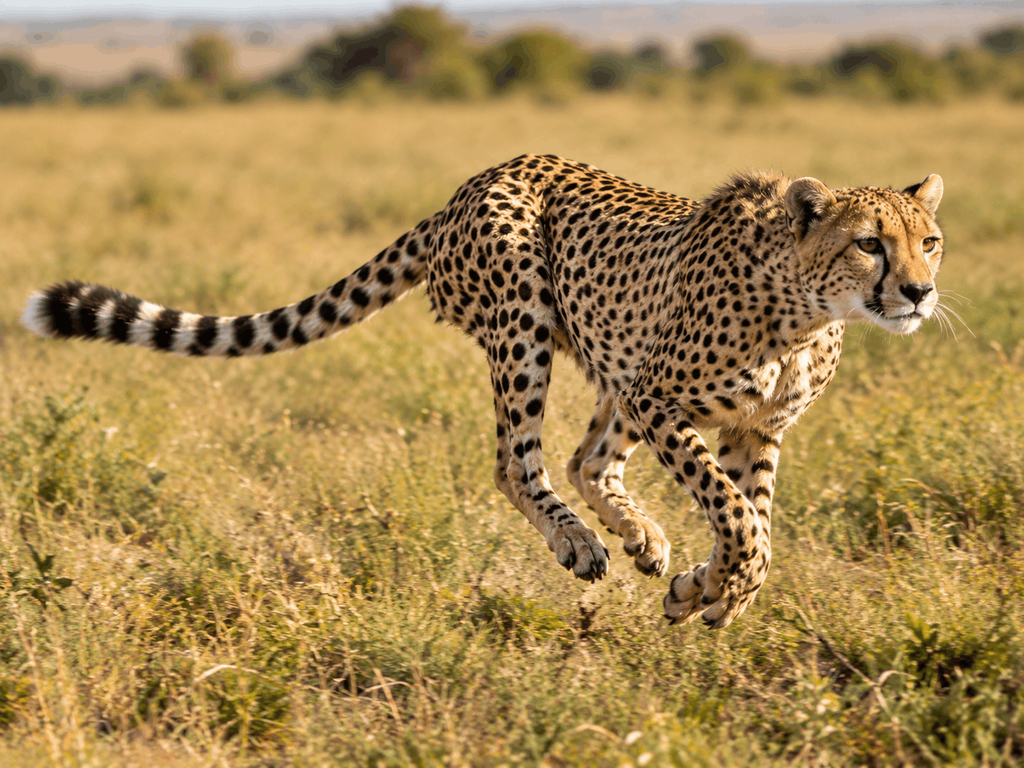
The cheetah is one of the best-known animals with a long tail. Its tail works as an important stabilizer when the animal is running at high speed. During a chase, the cheetah can use its tail to help maintain balance and adjust its direction while making rapid turns.
The tail is long, muscular, and relatively slender, making it well suited to the cheetah’s fast-moving lifestyle. This is a good example of how an animal’s anatomy can be closely connected to its hunting strategy.
2. Red Fox
Scientific Name: Vulpes vulpes
Class: Mammalia
Diet: Omnivore
The red fox has one of the most recognizable long bushy tails in the animal kingdom. Its tail, sometimes called a brush, helps with balance while the fox runs, jumps, and changes direction across different terrain.
The thick fur also provides insulation during cold weather. A fox can curl its body and use its bushy tail for additional warmth. Its tail movements can also provide visual signals during interactions with other foxes.
3. Spider Monkey
Scientific Name: Ateles
Class: Mammalia
Diet: Primarily frugivorous
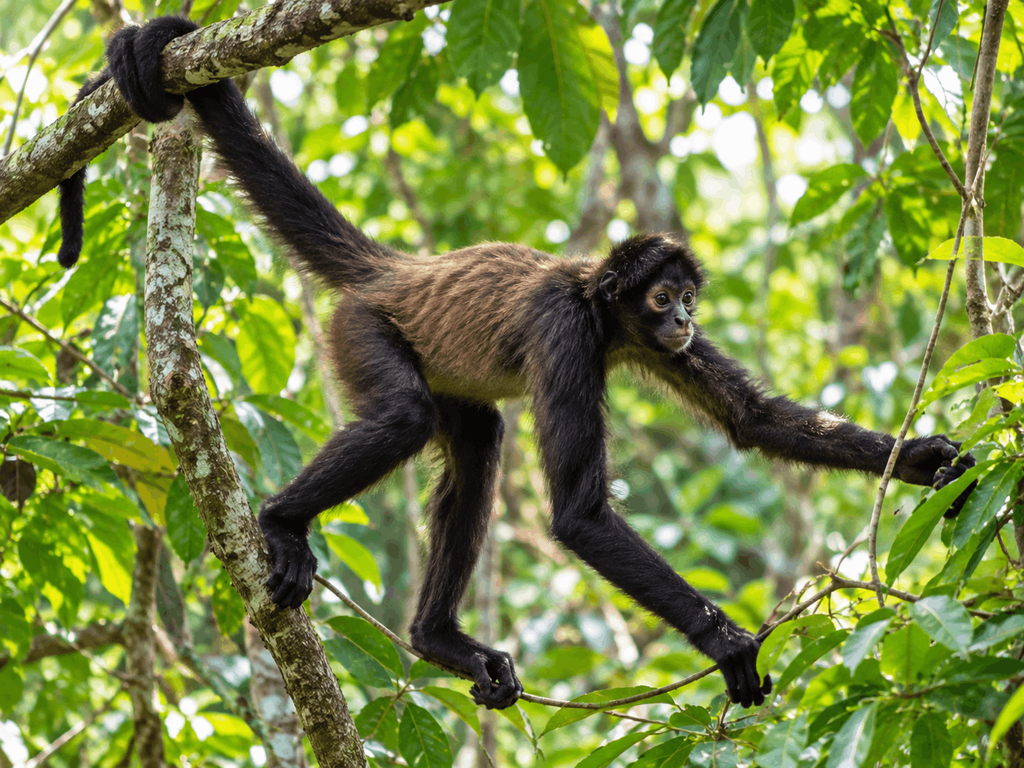
Spider monkeys are famous for their extremely useful prehensile tails. Their tails are adapted for life high in tropical forests and can help them grip branches while climbing and moving through the canopy.
The tail effectively acts like an additional gripping structure, giving the monkey greater stability when reaching for food or moving between branches. This makes the spider monkey one of the clearest examples of an animal whose long tail is strongly connected to an arboreal lifestyle.
4. Ring-Tailed Lemur
Scientific Name: Lemur catta
Class: Mammalia
Diet: Omnivore
The ring-tailed lemur is easily recognized by its long tail covered in alternating black and white rings. Native to Madagascar, these social primates use their tails as highly visible signals when moving through their environment.
The tail also helps with balance while the lemurs move across branches and uneven terrain. During social interactions, tail position and movement can provide useful visual information to other members of the group.
5. Red Kangaroo
Scientific Name: Osphranter rufus
Class: Mammalia
Diet: Herbivore
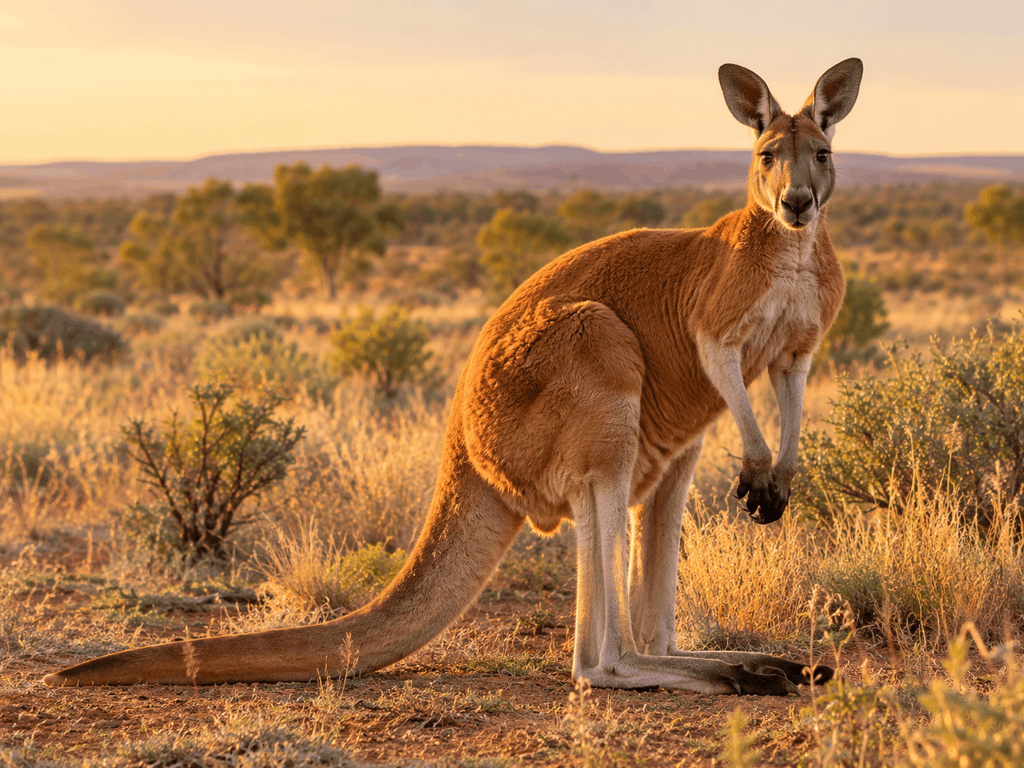
The red kangaroo has a large, muscular tail that is essential to its movement. When the animal travels through Australia’s open landscapes, the tail helps provide balance and stability.
Its tail also works with the kangaroo’s powerful hind legs during movement. Because it is so strong, the tail can provide support when the kangaroo is stationary or moving slowly. This makes the red kangaroo’s tail very different from the lightweight tails of many tree-dwelling animals.
6. Green Iguana
Scientific Name: Iguana iguana
Class: Reptilia
Diet: Herbivore
The green iguana has a long, muscular tail that can make up a substantial portion of its total body length. It helps the lizard maintain balance while climbing, moving across branches, and navigating vegetation.
The tail can also be used defensively. When threatened, an iguana may swing its powerful tail toward a potential attacker. Green iguanas are also capable of regenerating a lost tail, although the replacement may differ from the original.
7. Snow Leopard
Scientific Name: Panthera uncia
Class: Mammalia
Diet: Carnivore
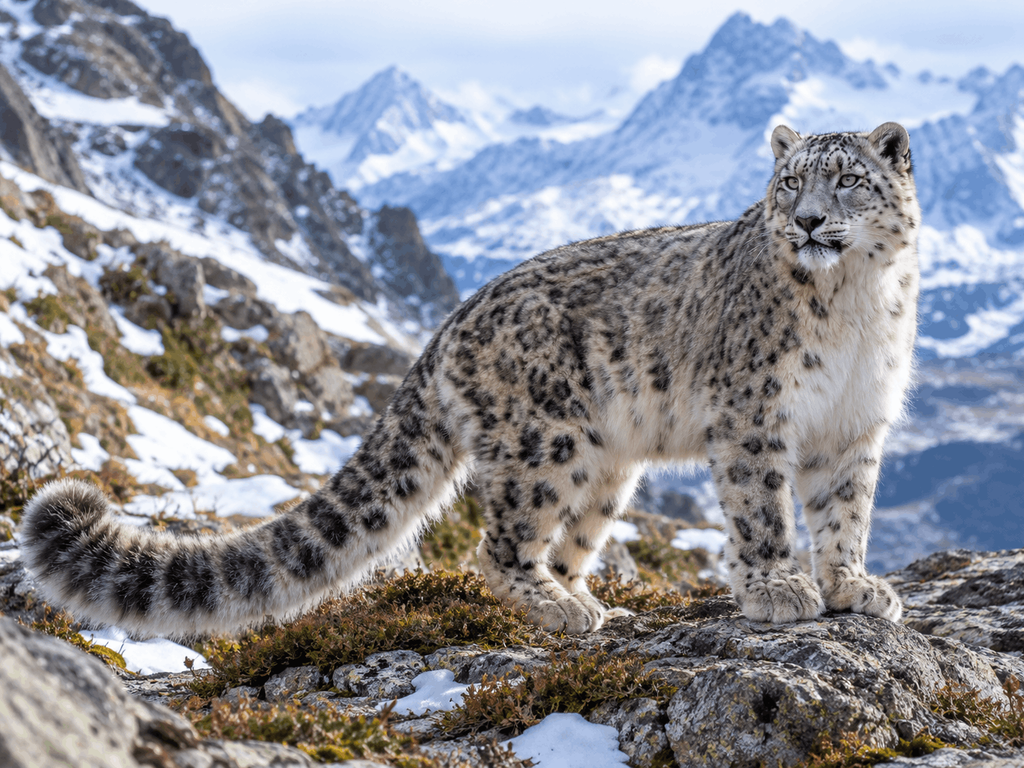
The snow leopard has a long, thickly furred tail that is perfectly suited to its mountainous environment. The tail helps the cat maintain balance while climbing steep slopes, rocky surfaces, and narrow ledges.
Its thick fur also provides insulation in cold mountain conditions. When resting, a snow leopard may wrap its tail around its body or face, helping reduce exposure to the cold.
8. Giraffe
Scientific Name: Giraffa camelopardalis
Class: Mammalia
Diet: Herbivore
Giraffes are best known for their extremely long necks, but they also have useful long tails. The tail ends in a dark tuft of hair and works primarily as a natural fly swatter.
In the African savanna, insects can be a constant nuisance. Giraffes can flick their tails to help remove flies and other irritating insects from their bodies. The tail therefore provides a simple but useful defensive adaptation.
9. Squirrel
Scientific Name: Sciuridae
Class: Mammalia
Diet: Omnivore
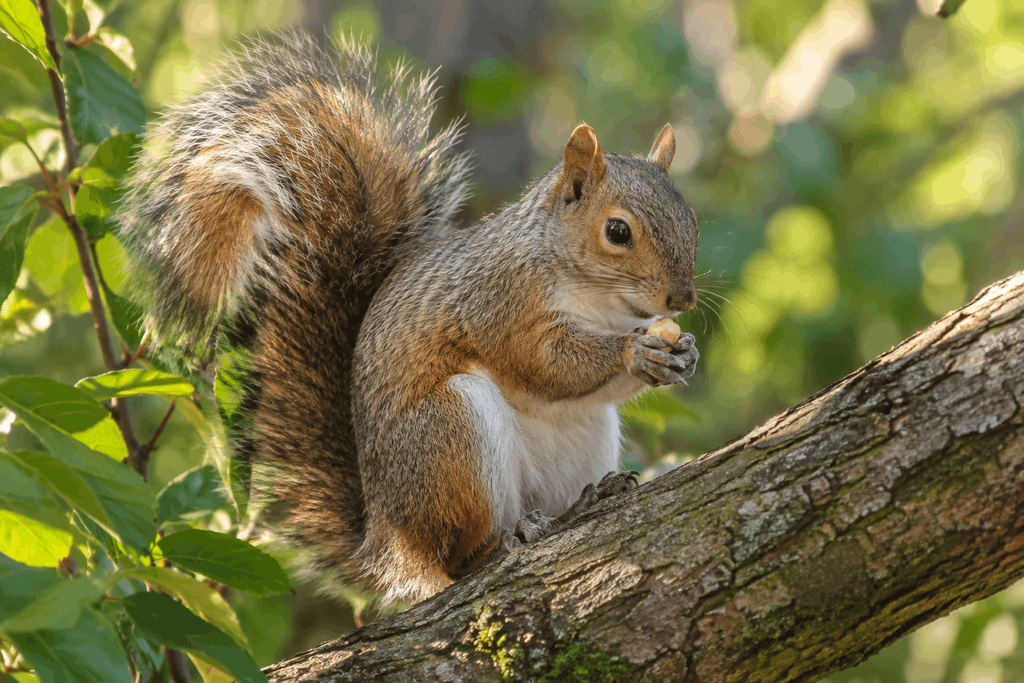
Squirrels are well known for their large, bushy tails. Their tails help provide balance when they run along narrow branches and leap between trees.
The tail can also contribute to communication and visual signaling. During colder weather, the thick fur provides additional insulation. A squirrel’s tail therefore combines several useful features, including balance, signaling, and protection from the elements.
10. Howler Monkey
Scientific Name: Alouatta
Class: Mammalia
Diet: Herbivore
Howler monkeys spend much of their lives in trees and have long, muscular prehensile tails adapted to this lifestyle. The tail can grip branches and provide extra stability as the monkey travels through the forest canopy.
Their tails are particularly useful when reaching for leaves or moving across branches. Combined with their strong limbs, this adaptation allows howler monkeys to navigate complex forest environments efficiently.
11. Giant Anteater
Scientific Name: Myrmecophaga tridactyla
Class: Mammalia
Diet: Insectivore
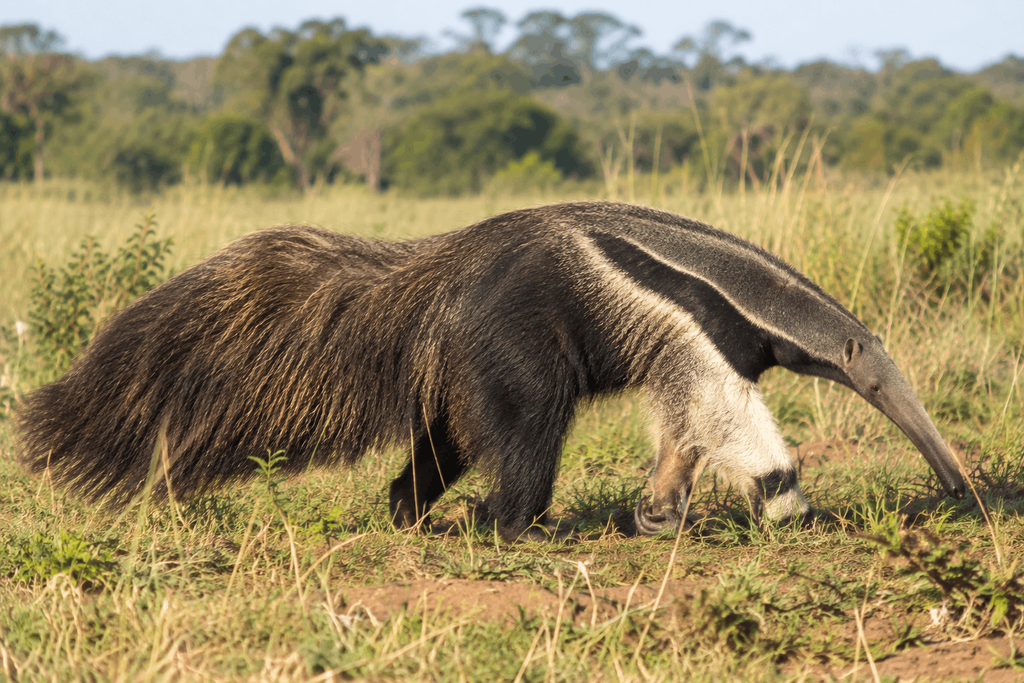
The giant anteater has a remarkable tail covered in long, coarse hair. Its large tail contributes to the animal’s distinctive appearance and can provide insulation and protection.
The tail can also help the animal blend into vegetation when viewed from a distance. When the giant anteater moves through grasslands and forests searching for ants and termites, its tail becomes an important part of its overall adaptation to the environment.
12. Pangolin
Scientific Name: Manis species
Class: Mammalia
Diet: Insectivore
Pangolins have long, muscular tails covered with overlapping protective scales. The tail helps provide balance as these unusual mammals walk, climb, and interact with their surroundings.
In tree-dwelling pangolin species, the tail can be particularly useful during climbing. Together with their strong claws and protective scales, the tail forms part of a specialized body design adapted to survival and movement.
13. Long-Tailed Grass Lizard
Scientific Name: Takydromus sexlineatus
Class: Reptilia
Diet: Insectivore
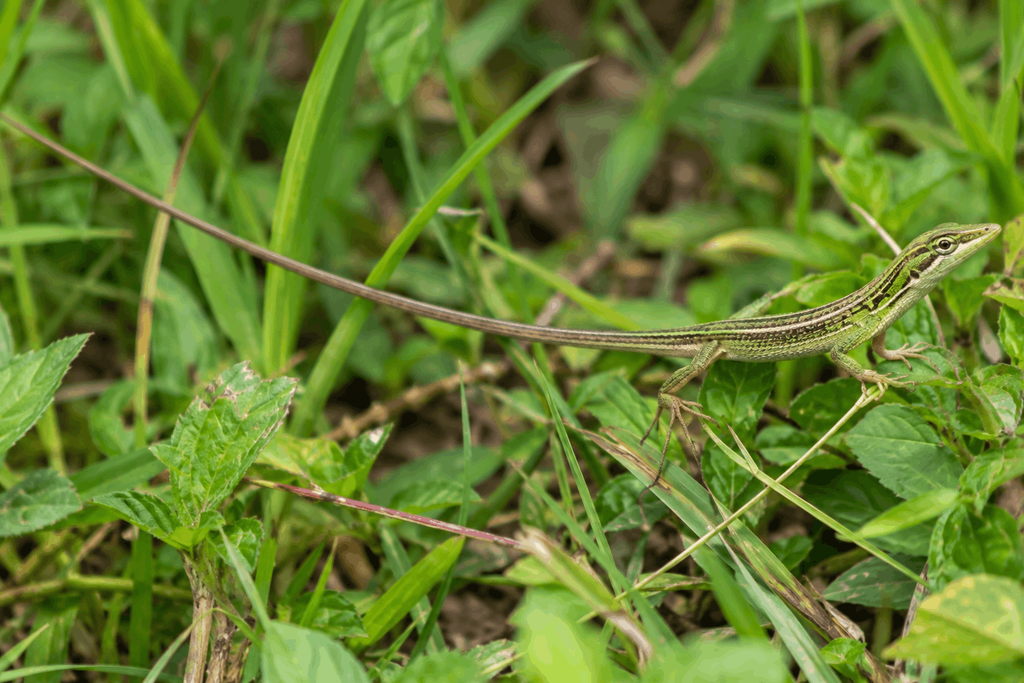
The long-tailed grass lizard has a remarkably slender tail that can be several times the length of its body. This gives the small reptile its distinctive appearance and helps with balance while it moves through grasses and low vegetation.
Like some other lizards, it can shed its tail through a process called autotomy when threatened. Losing the tail can create an opportunity to escape from a predator, although regeneration requires time and energy.
14. Peacock
Scientific Name: Pavo cristatus
Class: Aves
Diet: Omnivore
The peacock is famous for its spectacular tail display. Technically, the impressive fan is made primarily of elongated upper-tail coverts rather than a long muscular tail like that of a mammal.
These feathers are especially important during courtship displays. A male spreads and shakes them to create a large visual display that can attract females. The peacock demonstrates how elongated tail feathers can evolve for communication and sexual selection.
15. Thresher Shark
Scientific Name: Alopias species
Class: Chondrichthyes
Diet: Carnivore
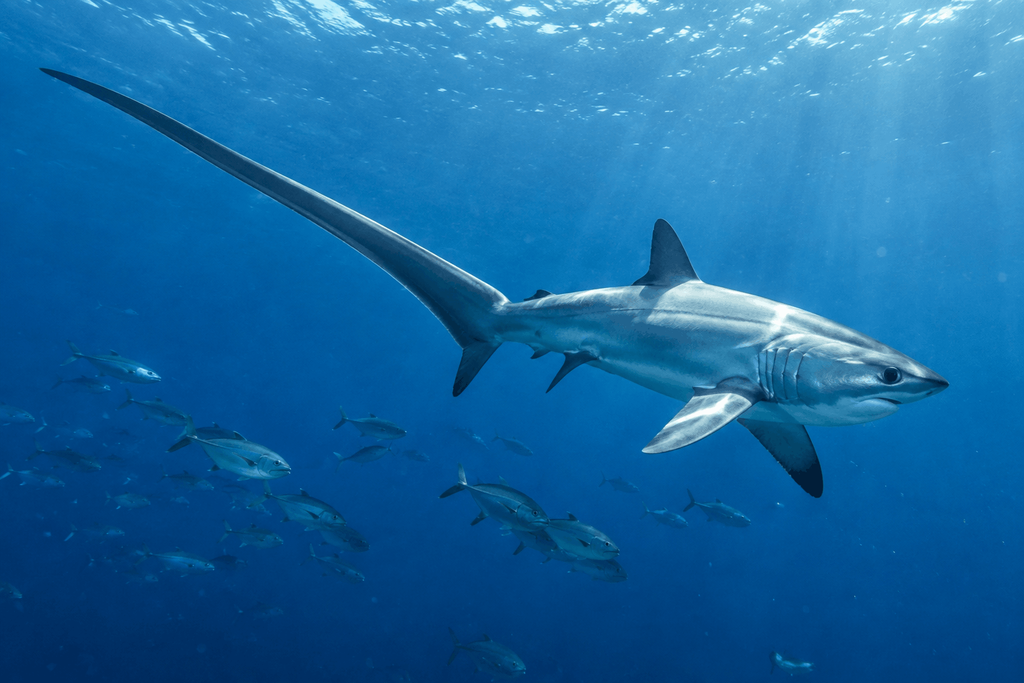
The thresher shark has one of the most unusual tails among marine animals. Its upper caudal lobe can be extremely elongated, sometimes approaching the length of the rest of the shark’s body.
This remarkable tail is not simply used for swimming. Thresher sharks can swing the long upper lobe through schools of fish, helping stun or disorient prey. It is an excellent example of a specialized tail adaptation connected directly to feeding behavior.
Why Do Animals Have Long Tails?
Long tails evolved for different reasons in different animal groups. Some animals use their tails for balance and steering, especially when running, jumping, or climbing. Others use them for communication, defense, warmth, or courtship.
Arboreal species such as spider monkeys and howler monkeys have specialized tails that help them navigate trees. Predators such as cheetahs use their tails for stability during fast movement, while the thresher shark has an elongated tail adapted for hunting. These differences show that a long tail is not a single adaptation with one universal purpose.
Different Types of Long Tails
Bushy Tails
Red foxes and squirrels have furry, bushy tails that can assist with balance, signaling, and insulation.
Prehensile Tails
Spider monkeys and howler monkeys have tails adapted for gripping or supporting movement through trees.
Muscular Tails
Red kangaroos and green iguanas have powerful tails that contribute to movement, balance, or defense.
Feathered Tails
Peacocks have spectacular elongated feathers used primarily for courtship and visual display.
Aquatic Tails
The thresher shark has a highly elongated upper tail lobe adapted for hunting prey in the ocean.
Long Tailed Animals Comparison
| Animal | Group | Tail Type | Main Tail Function |
| Cheetah | Mammal | Long, muscular | Balance and steering |
| Red Fox | Mammal | Bushy | Balance and warmth |
| Spider Monkey | Mammal | Prehensile | Climbing and gripping |
| Ring-Tailed Lemur | Mammal | Striped | Signaling and balance |
| Red Kangaroo | Mammal | Muscular | Balance and support |
| Green Iguana | Reptile | Muscular | Balance and defense |
| Snow Leopard | Mammal | Thick, furry | Balance and warmth |
| Giraffe | Mammal | Tufted | Insect defense |
| Squirrel | Mammal | Bushy | Balance and insulation |
| Howler Monkey | Mammal | Prehensile | Climbing and stability |
| Giant Anteater | Mammal | Bushy | Insulation and protection |
| Pangolin | Mammal | Scaled | Balance and movement |
| Grass Lizard | Reptile | Slender | Balance and survival |
| Peacock | Bird | Feathered | Courtship display |
| Thresher Shark | Fish | Elongated | Hunting |
Read More: Badgers in Michigan
FAQs
What are long tailed animals?
Long tailed animals are species with tails that are especially prominent relative to their bodies or have important functions in their daily lives. These tails may help with balance, climbing, steering, communication, defense, warmth, hunting, or courtship.
Which animals have very long tails?
Examples include spider monkeys, howler monkeys, long-tailed grass lizards, thresher sharks, cheetahs, red kangaroos, and several lemur species. Tail length varies considerably between species, so “very long” can refer to either absolute length or length relative to body size.
Why do animals have long tails?
Animals have long tails for different evolutionary reasons. A tail may improve balance, help with climbing, assist steering during movement, provide warmth, communicate social signals, deter predators, or support hunting. The exact function depends on the species and its environment.
Which animals use their tails for balance?
Many animals use their tails for balance. Cheetahs use theirs while running and changing direction, squirrels use them while moving through trees, and kangaroos rely on their powerful tails during locomotion and support.
Are all long tails used for climbing?
No. Long tails have many different functions. Spider monkeys and howler monkeys use specialized tails for climbing, but a cheetah uses its tail mainly for balance and steering, while a thresher shark uses its elongated tail for hunting.
Conclusion
The animal kingdom contains an incredible variety of long tailed animals, and each species demonstrates a different relationship between anatomy and survival. From the cheetah’s stabilizing tail to the spider monkey’s gripping tail and the thresher shark’s hunting adaptation, long tails can serve very different purposes.
Some tails provide balance, some offer warmth or protection, and others help animals communicate or find food. Looking closely at these adaptations shows how animals have evolved specialized features that allow them to survive in forests, grasslands, mountains, deserts, and oceans.
