
Introduction
Animal brains come in many shapes and sizes. Some weigh only a fraction of a gram, while others weigh several kilograms. These remarkable organs help animals find food, recognize their surroundings, communicate, remember experiences, and respond to danger. However, the animal with the biggest brain is not necessarily the smartest, because brain size is only one part of a much more complicated picture.
Marine mammals are particularly interesting when scientists compare brain mass. The enormous sperm whale has the largest known brain by absolute weight among living animals. Elephants also have exceptionally large brains, while dolphins and humans are notable for different aspects of brain structure and cognitive ability.
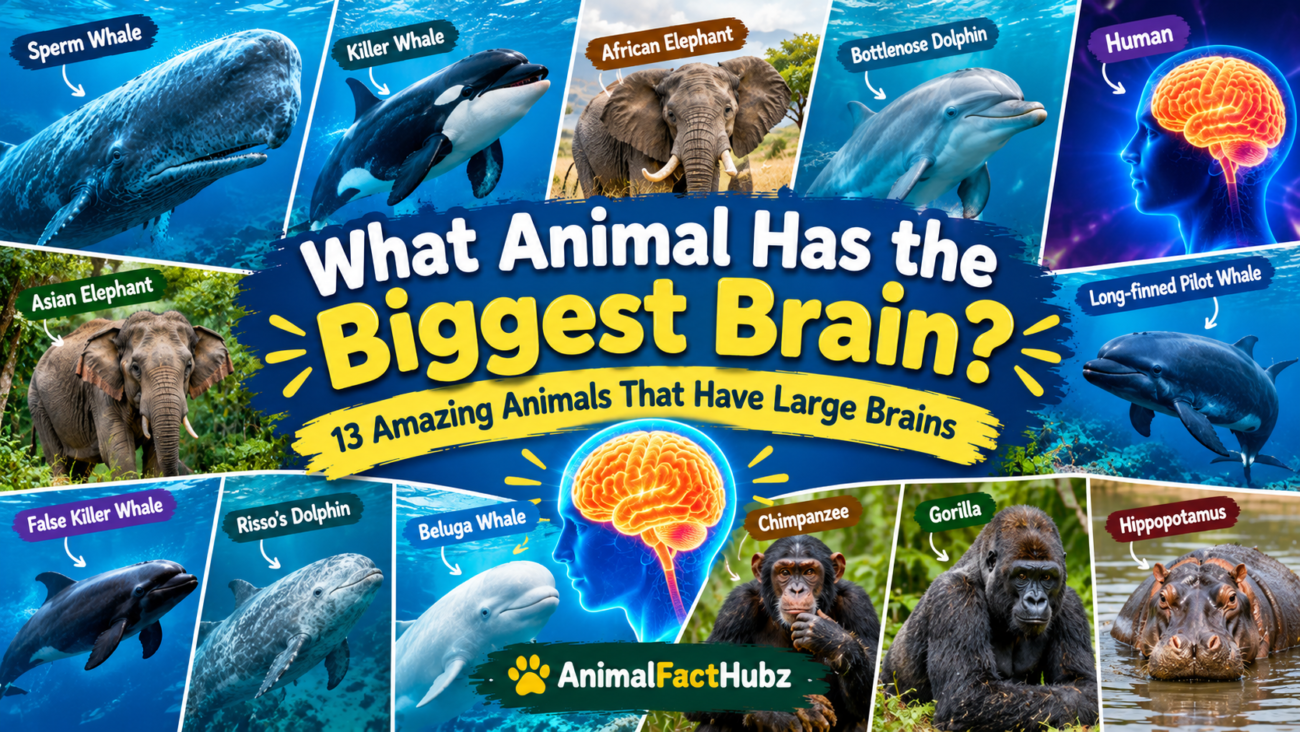
So, what animal has the biggest brain, and how do other large-brained animals compare? This guide explores 13 fascinating examples, including their scientific names, habitats, diets, and unique characteristics.
Quick Answer: What Animal Has the Biggest Brain?
The sperm whale (Physeter macrocephalus) has the largest known brain by mass among living animals, with an adult brain commonly estimated at around 7–8 kilograms (15–18 pounds), although measurements vary. The African elephant also has a very large brain, weighing roughly 4.5–5 kilograms. Killer whales and several other dolphins have substantial brains, while the human brain averages approximately 1.3–1.4 kilograms in adults. Brain mass alone does not determine intelligence; body size, neuron numbers, brain organization, and behavior also matter.
1. Sperm Whale (Physeter macrocephalus)
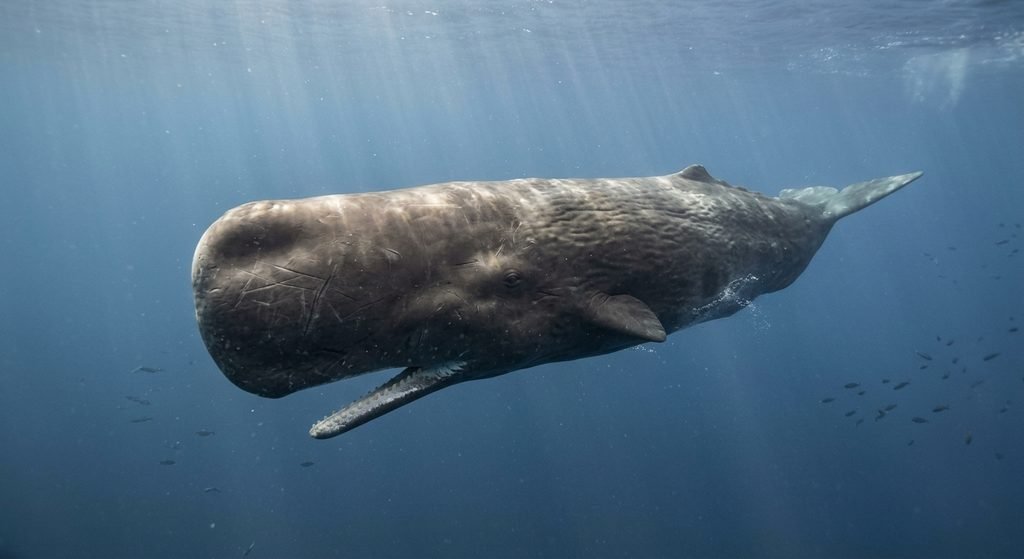
The sperm whale is the clear answer when comparing animals by absolute brain mass. This deep-diving marine mammal has an enormous head that contains specialized structures used to generate and direct sound.
Habitat: Sperm whales inhabit deep ocean waters worldwide, from tropical regions to colder seas.
Diet: They mainly eat squid, including deep-sea species, along with some fish and other marine prey.
Brain facts: An adult sperm whale’s brain can weigh approximately 7–8 kilograms, making it several times heavier than a typical adult human brain. The whale’s brain supports sensory processing, navigation, social behavior, and the complex demands of deep diving.
Sperm whales use echolocation clicks to locate prey in dark water. Their large brains are adapted to a marine lifestyle, but their size does not mean they are automatically more intelligent than humans. Their brain structure and cognitive abilities differ from ours in important ways.
2. Killer Whale (Orcinus orca)
The killer whale, also called the orca, is the largest member of the dolphin family. It has a substantial brain and sophisticated social behavior, making it an important species in studies of animal cognition.
Habitat: Killer whales occur in oceans around the world, from polar waters to warmer seas.
Diet: Depending on the population, they eat fish, squid, seals, sea lions, and other marine mammals.
Brain facts: Killer whale brains can weigh several kilograms, with estimates often around 5–6 kilograms in large individuals. Their brains support complex communication, learning, and coordination within family groups.
Orcas can develop specialized hunting techniques that are learned and shared within populations. Some groups target fish, while others specialize in marine mammals. These differences demonstrate that social learning and experience play important roles in their lives.
3. African Elephant (Loxodonta africana)
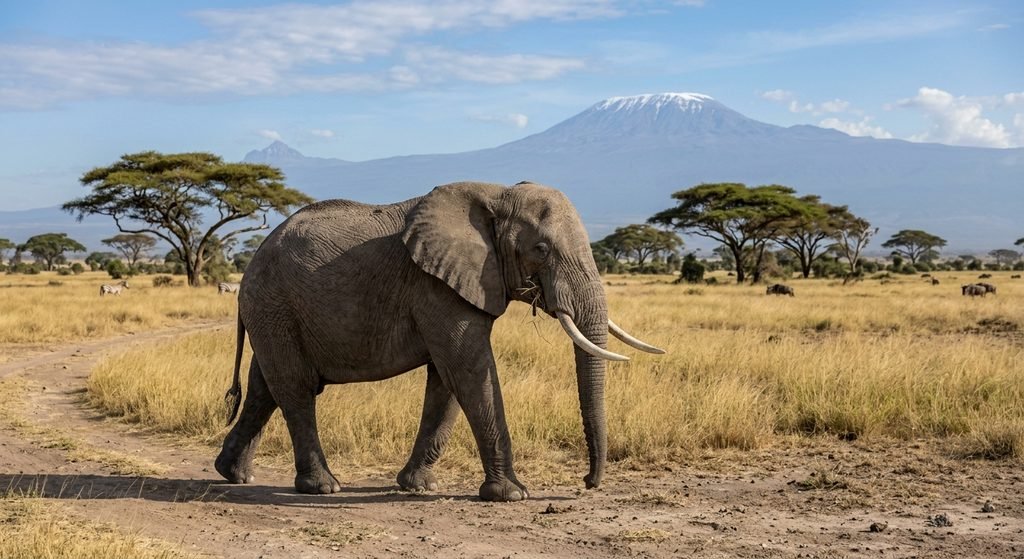
The African elephant has the largest brain of any living land animal by absolute mass. Its brain is especially notable for the structures involved in movement, sensory processing, memory, and social behavior.
Habitat: African elephants live in savannas, grasslands, forests, and woodland habitats across parts of sub-Saharan Africa.
Diet: They eat grasses, leaves, bark, roots, fruit, and other plant material.
Brain facts: An adult African elephant’s brain commonly weighs around 4.5–5 kilograms. A large proportion of its neurons are found in the cerebellum, a brain region important for coordinating movement.
Elephants are known for their strong social bonds, learning abilities, and long-term memories. They use their trunks for delicate tasks as well as powerful movements, requiring careful coordination. Their brain size is impressive, but their cognitive abilities also reflect the way different brain regions are organized.
4. Bottlenose Dolphin (Tursiops truncatus)
Bottlenose dolphins are highly social marine mammals known for their learning abilities, communication, and flexible behavior. Their brains are large relative to many other mammals of comparable size.
Habitat: They live in tropical and temperate oceans, including coastal waters, bays, and some estuaries.
Diet: Their diet mainly consists of fish and squid.
Brain facts: A bottlenose dolphin’s brain often weighs approximately 1.4–1.7 kilograms, although size varies among individuals. Its brain has complex folding and specialized regions associated with hearing, movement, and social information.
Dolphins use echolocation to detect objects and locate prey underwater. They also learn from experience, coordinate with other dolphins, and use a range of vocalizations. Their combination of social behavior and sensory specialization makes them an important subject in comparative brain research.
5. Human (Homo sapiens)
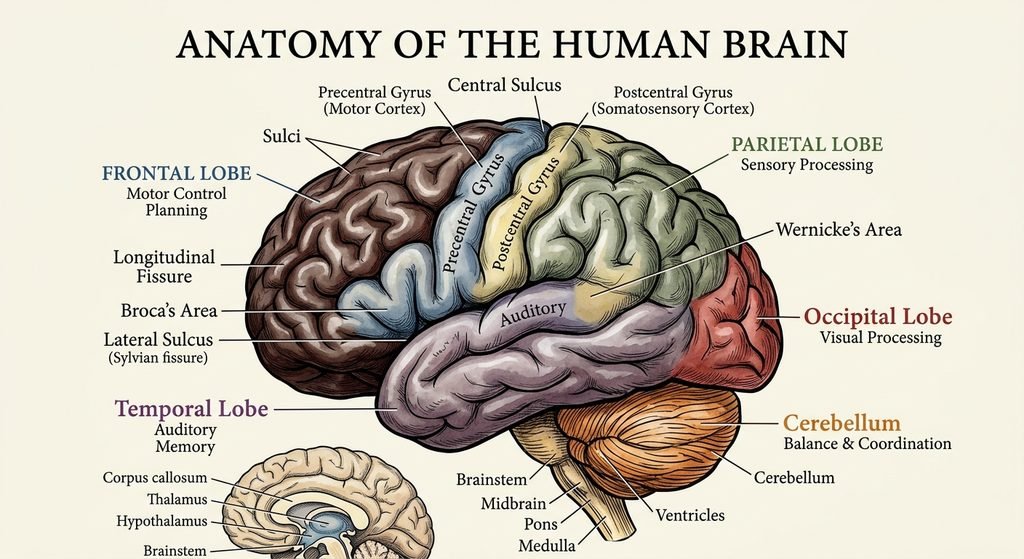
Humans do not have the biggest brain by mass, but our brains are remarkable for their cognitive abilities. Language, abstract reasoning, planning, and complex cultural learning are among the characteristics associated with the human brain.
Habitat: Humans live in nearly every major terrestrial environment, including cities, forests, deserts, and polar regions.
Diet: Humans are omnivores and consume a wide variety of plant and animal foods.
Brain facts: The average adult human brain weighs approximately 1.3–1.4 kilograms. Its cerebral cortex supports many functions involved in reasoning, language, memory, planning, and conscious perception.
Brain size alone cannot explain human intelligence. The number and organization of neurons, connections between brain regions, development, and learning all contribute. Humans have an especially large number of neurons in the cerebral cortex compared with many other mammals, helping support complex and flexible thought.
6. Asian Elephant (Elephas maximus)
The Asian elephant is a large mammal with a brain that supports complex movement, communication, and social relationships. It is closely related to the African elephant, although the two species differ in size and physical features.
Habitat: Asian elephants inhabit forests, grasslands, and mixed landscapes in parts of South and Southeast Asia.
Diet: They eat grasses, leaves, bark, roots, fruit, and other vegetation.
Brain facts: The Asian elephant’s brain is among the largest of living land mammals. Like other elephants, it has a well-developed cerebellum that supports the coordination required to control its trunk and large body.
Asian elephants live in social groups, learn from experience, and communicate through sounds and physical signals. Their ability to handle objects with their trunks depends on precise motor control. Protecting connected habitats is essential because fragmented landscapes can separate herds and increase conflict with people.
7. Long-Finned Pilot Whale (Globicephala melas)
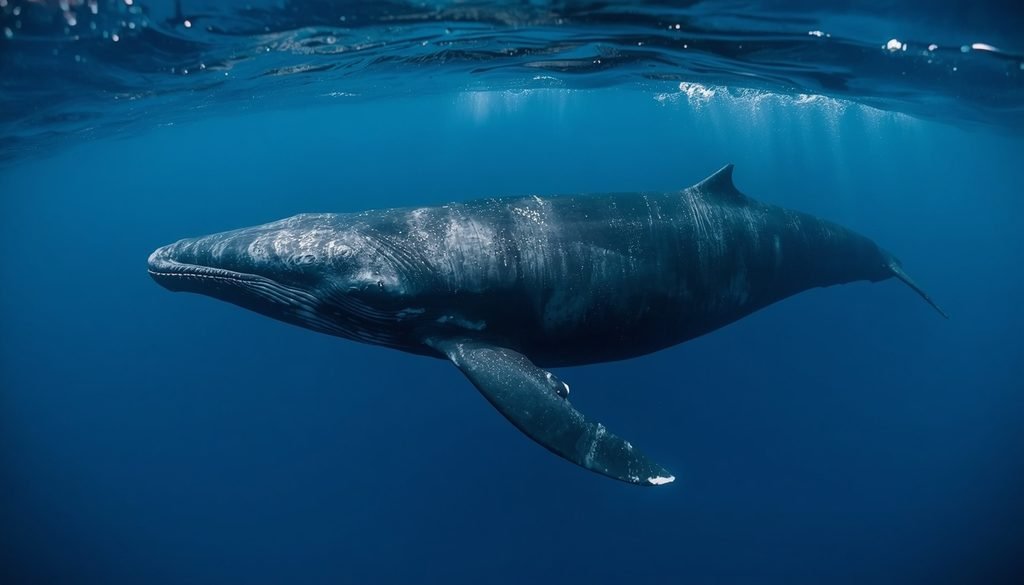
The long-finned pilot whale is a social member of the dolphin family, despite having “whale” in its common name. It has a robust body, rounded head, and strong family-group relationships.
Habitat: It occurs mainly in temperate and subpolar waters of the North Atlantic and Southern Hemisphere.
Diet: Squid are a major part of its diet, although it also consumes fish.
Brain facts: Pilot whales have relatively large brains for marine mammals, and their social behavior makes them interesting subjects for studies of cognition and communication.
They often travel in groups and use sound to coordinate their activities. Their lives involve navigating open water, locating prey, and maintaining social relationships. As with other dolphins, brain mass alone does not fully explain their behavior; the organization of brain regions and the demands of their environment are also important.
8. False Killer Whale (Pseudorca crassidens)
The false killer whale is a large oceanic dolphin with a slender dark body and strong social tendencies. Despite its name, it is not a true killer whale.
Habitat: It lives in tropical and temperate oceans, often in offshore waters.
Diet: It eats fish and squid, and some populations hunt larger fish such as tuna.
Brain facts: False killer whales have substantial brains and demonstrate complex group behavior. They may cooperate when hunting and maintain strong associations with other individuals.
These animals can travel over large distances in groups, using sound and other sensory information to locate food. Their brain supports the coordination and communication needed for an oceanic lifestyle. Strandings involving groups of false killer whales are also a subject of scientific research, although the reasons for such events can vary.
9. Risso’s Dolphin (Grampus griseus)
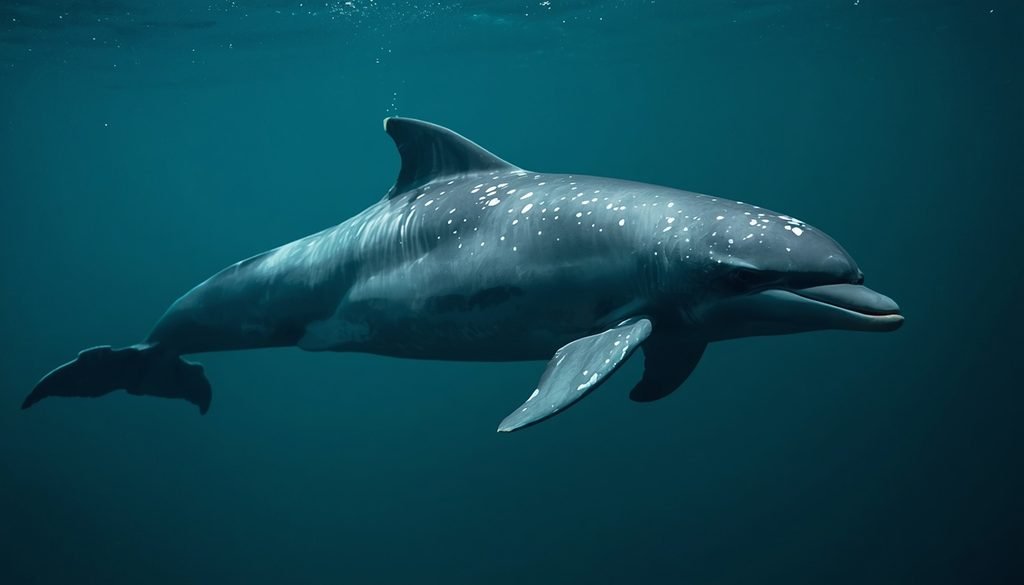
Risso’s dolphin is recognizable by its rounded head and the many pale scars that often cover its body as it ages. It is a deep-water dolphin that feeds mainly on cephalopods.
Habitat: It occurs in temperate and tropical oceans around the world, often near continental slopes and deep offshore waters.
Diet: Squid are its principal food, although its diet can vary by region.
Brain facts: Risso’s dolphins have relatively large brains among marine mammals. Their sensory systems and brain function help them navigate underwater and locate prey in environments where visibility may be limited.
They use acoustic signals and echolocation to interact with their surroundings. Their feeding habits are closely linked to deep-water ecosystems, where locating mobile prey requires effective sensory processing. Research into their behavior helps scientists understand the diversity of dolphin brains.
10. Beluga Whale (Delphinapterus leucas)
The beluga whale is a pale-colored Arctic and sub-Arctic marine mammal known for its rounded forehead and broad range of vocal sounds. It is sometimes called the “canary of the sea” because of its varied vocalizations.
Habitat: Belugas inhabit Arctic and sub-Arctic waters, including coastal areas and estuaries.
Diet: They eat fish, squid, crustaceans, and other marine animals.
Brain facts: Belugas have relatively large brains for their body size compared with many other mammals. Their brain supports hearing, social behavior, and navigation in challenging underwater environments.
Belugas communicate using whistles, clicks, and other sounds. They can also move their heads more flexibly than many other whales because their neck vertebrae are not completely fused. Their sensory and social adaptations help them live in environments where sea ice and seasonal changes affect movement and feeding.
11. Chimpanzee (Pan troglodytes)
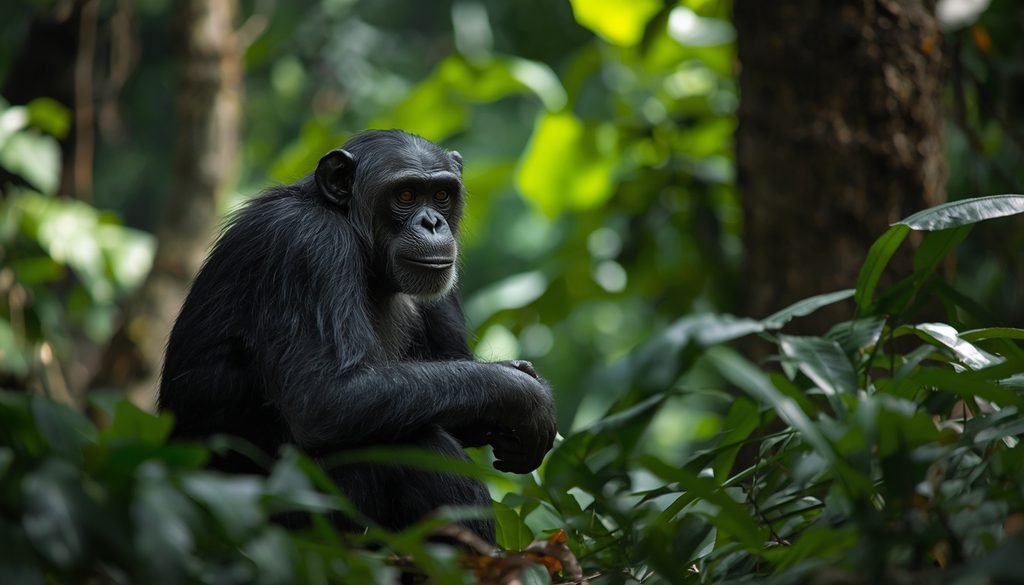
Chimpanzees are our close living relatives and are known for their problem-solving abilities, social intelligence, and tool use. Although their brains are much smaller than those of sperm whales or elephants, they demonstrate complex behavior.
Habitat: Chimpanzees inhabit tropical forests, woodland, and forest-savanna mosaics in parts of equatorial Africa.
Diet: They eat fruit, leaves, seeds, insects, and sometimes meat.
Brain facts: An adult chimpanzee brain generally weighs around 350–450 grams. Its brain supports learning, memory, social relationships, and flexible problem-solving.
Chimpanzees use sticks to extract insects, modify objects to access food, and learn behaviors by observing others. Different communities may show different traditions. Their example reinforces the point that brain mass alone is not a reliable way to rank intelligence across different species.
12. Gorilla (Gorilla species)
Gorillas are the largest living primates. They have strong bodies, large heads, and brains adapted to a life involving movement, feeding, communication, and complex social relationships.
Habitat: Gorillas inhabit tropical forests in central Africa, with mountain gorillas living in higher-elevation forest habitats.
Diet: Their diet mainly consists of leaves, stems, shoots, fruit, and other plant material, with preferences varying by species and habitat.
Brain facts: Adult gorilla brains commonly weigh several hundred grams, often around 400–600 grams depending on the individual. Gorillas can learn, remember feeding locations, communicate through vocalizations and gestures, and navigate complex social groups.
Although their brains are smaller than those of humans and large whales, gorillas display sophisticated behavior. Their development and learning are shaped by social experience, habitat, and opportunities to interact with other members of their group.
13. Hippopotamus (Hippopotamus amphibius)
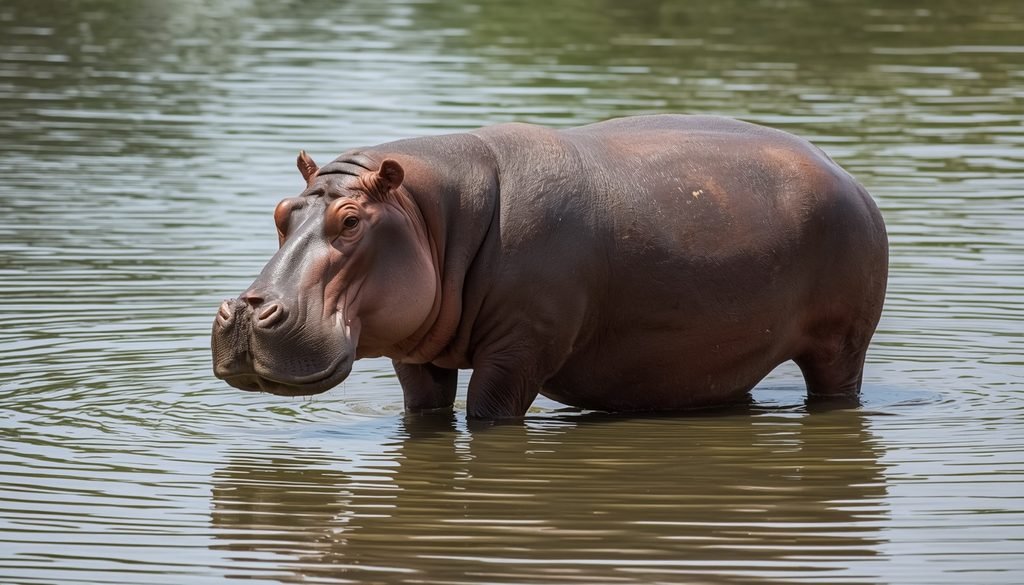
The hippopotamus is a large semi-aquatic mammal native to sub-Saharan Africa. It spends much of the day in water and often emerges onto land at night to feed.
Habitat: Hippos live in rivers, lakes, and wetlands where water is available for much of the day.
Diet: They are primarily herbivores, feeding mainly on grasses during nighttime grazing.
Brain facts: A hippopotamus has a brain that weighs several hundred grams, considerably less than the brains of elephants or sperm whales. However, its brain supports movement between water and land, sensory processing, and social behavior.
Hippos communicate through vocalizations and body movements, and they can be territorial around water. Their behavior illustrates how brain function is shaped by the demands of a particular lifestyle rather than by brain size alone.
Does a Bigger Brain Mean a Smarter Animal?
Not necessarily. Brain mass is one measurement, but it does not tell the whole story about intelligence. A large animal generally needs a larger brain to control its body, process sensory information, and regulate basic functions.
Scientists also consider neuron numbers, the organization of brain regions, the size of the cerebral cortex, and measures such as the encephalization quotient. These comparisons have limitations, especially when comparing very different groups of animals.
For example, the sperm whale has the largest brain by mass, but humans are notable for language and abstract reasoning. Elephants demonstrate impressive memory and social behavior, while dolphins and chimpanzees show sophisticated learning and communication. Different animals have evolved brains suited to their own survival challenges.
Read More: What Is the Loudest Animal in the World
Frequently Asked Questions
Which animal has the largest brain in the world?
The sperm whale has the largest known brain by mass among living animals. Its brain can weigh around 7–8 kilograms.
Does the elephant have a bigger brain than a human?
Yes. An adult elephant’s brain weighs roughly 4.5–5 kilograms, while the average adult human brain weighs about 1.3–1.4 kilograms.
Which animal has the biggest brain relative to its body?
The answer depends on the method used to compare brain size with body size. Some small mammals have very high brain-to-body ratios, while humans have a high encephalization quotient among mammals.
Is the animal with the biggest brain the smartest?
No. Brain mass alone does not determine intelligence. Neuron numbers, brain organization, learning, social behavior, and the type of cognitive task being considered all matter.
How much does a sperm whale’s brain weigh?
A sperm whale’s brain is commonly estimated at approximately 7–8 kilograms, although individual measurements can differ.
Conclusion
The sperm whale has the biggest known brain by absolute mass, making it the leading answer to the question, “What animal has the biggest brain?” Elephants, killer whales, dolphins, and several other mammals also have remarkably large brains. Humans, meanwhile, stand out for the organization and cognitive capabilities of their brains rather than their overall mass.
These 13 animals demonstrate why brain size is fascinating but not a simple measure of intelligence. Each species has a brain adapted to its body, senses, environment, and behavior. By studying these differences, scientists can better understand how evolution has produced such a wide range of remarkable animals.
