
Introduction
The animal kingdom includes an incredible variety of creatures, from colorful reptiles and graceful antelopes to unusual primates and fascinating marine animals. While many animal names begin with familiar letters, finding animals that start with I can be a little more challenging. However, there are plenty of interesting species to discover across forests, grasslands, deserts, rivers, and oceans.
Some of these animals are well known, such as iguanas and impalas. Others, including the indri and Irukandji jellyfish, are less familiar but have remarkable characteristics. Learning about these creatures can help students, wildlife enthusiasts, and curious readers explore animal names, scientific classifications, and natural habitats.
In this guide, you will discover 15 animals that start with I, along with their scientific names, habitats, diets, and interesting facts. You will also learn how these animals survive and why some need special conservation attention.
Quick Answer: What Animal Starts With I?
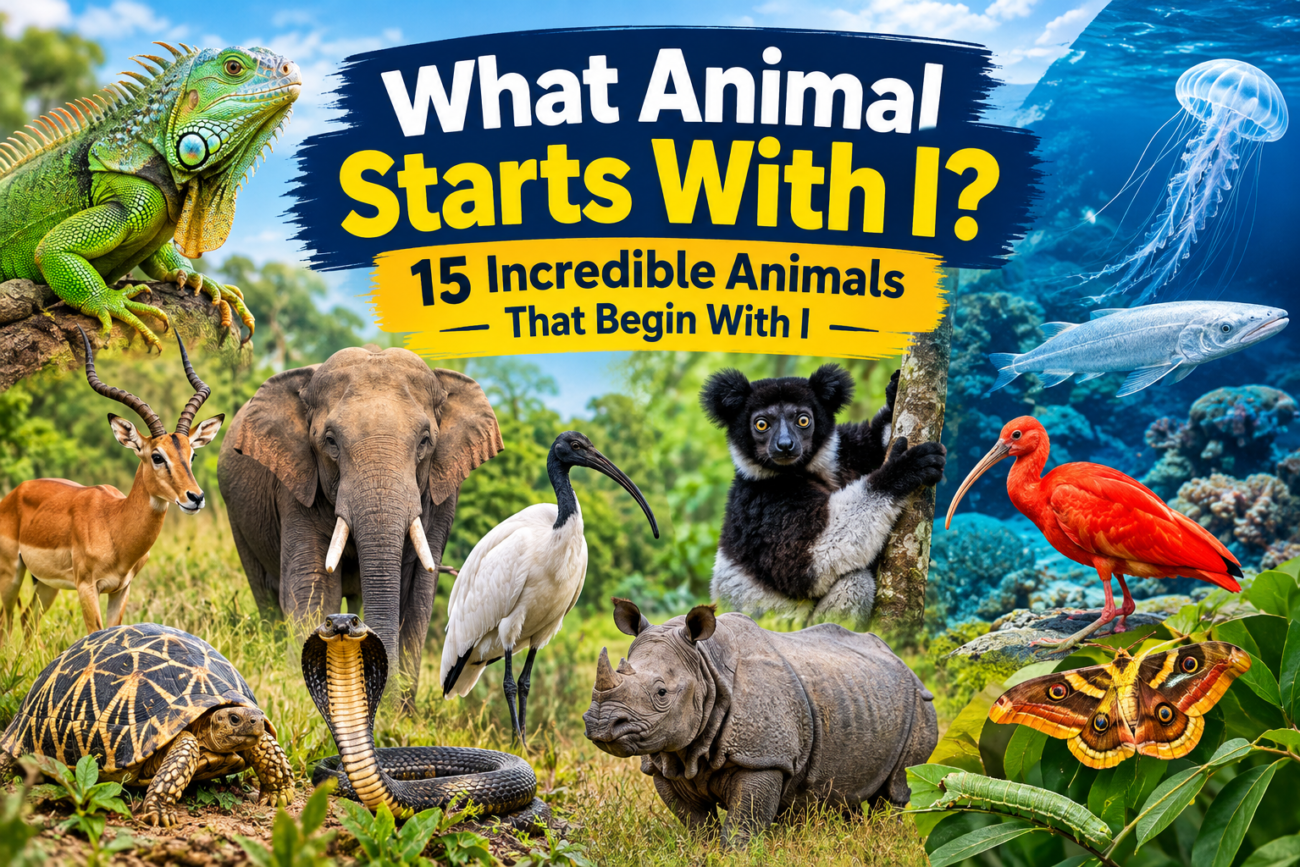
Animals that start with I include the iguana, impala, Indian elephant, Indian star tortoise, Indian cobra, indri, Iberian lynx, ibis, ʻiʻiwi, icefish, isopod, inchworm, Irukandji jellyfish, imperial moth, and Indian rhinoceros. These animals include mammals, birds, reptiles, insects, and marine invertebrates. They live in diverse environments, from African savannas and Asian forests to tropical islands and cold ocean waters. Each has distinctive adaptations, feeding habits, and behaviors that help it survive in its environment.
1. Iguana (Iguana iguana)
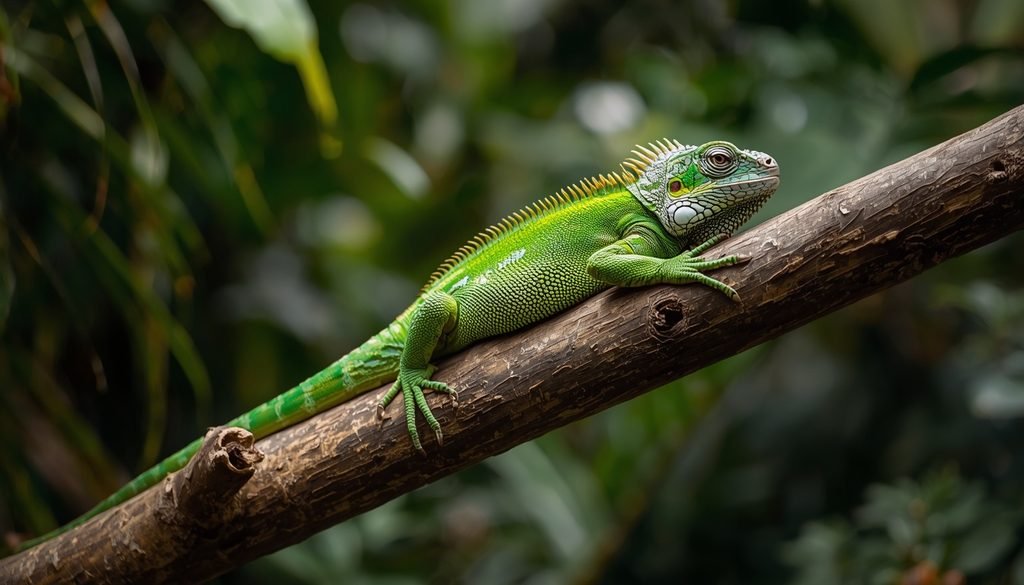
The green iguana is a large, plant-eating lizard native to tropical regions of Central and South America and some Caribbean islands. It is recognized by its long tail, scaly skin, spines along its back, and flap of skin beneath its throat.
Habitat: Green iguanas commonly inhabit tropical forests near rivers, wetlands, and other water sources. They spend much of their time climbing trees.
Diet: They are primarily herbivorous, eating leaves, flowers, and fruits.
Interesting facts: Iguanas are excellent climbers and swimmers. Their strong tails can help defend them when threatened, and they may drop from branches into water to escape danger. They also use body movements and head bobbing to communicate.
Although green iguanas are sometimes kept as pets, they need specialized care, appropriate temperatures, and a carefully balanced diet. In some places where they have been introduced outside their native range, they can affect local ecosystems.
2. Impala (Aepyceros melampus)
The impala is a medium-sized African antelope known for its slender body, reddish-brown coat, and impressive jumping ability. Males have long, curved horns, while females generally do not.
Habitat: Impalas live in savannas, open woodlands, and grasslands across parts of eastern and southern Africa. They often remain near vegetation that provides both food and cover.
Diet: Impalas are mixed feeders. They eat grasses as well as leaves, shoots, and other plant material, depending on the season.
Interesting facts: An impala can make powerful leaps to escape predators. These jumps may carry it several meters horizontally, and the animal can also leap over obstacles. Impalas often gather in herds, which helps individuals watch for danger.
Lions, leopards, wild dogs, and other predators hunt impalas. Their speed, agility, and group behavior are important adaptations for survival in open African landscapes.
3. Indian Elephant (Elephas maximus indicus)
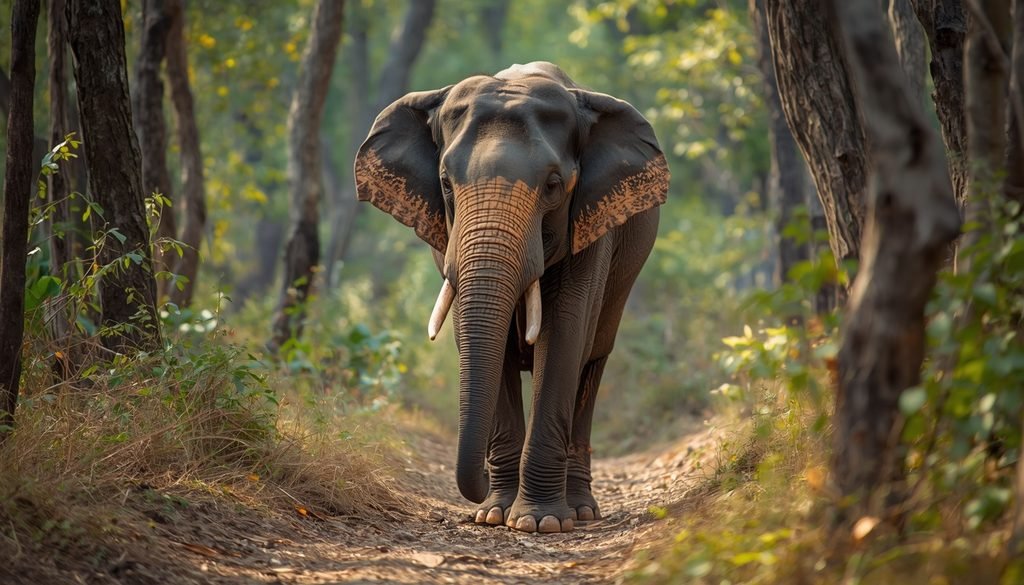
The Indian elephant is a subspecies of the Asian elephant. It is a large, intelligent mammal known for its trunk, broad ears, strong legs, and close social relationships.
Habitat: Indian elephants inhabit parts of the Indian subcontinent, including forests, grasslands, and landscapes where woodland and open vegetation meet.
Diet: They eat grasses, leaves, bark, roots, fruit, and other plant material. Because elephants consume large quantities of vegetation, they need access to extensive feeding areas.
Interesting facts: An elephant’s trunk combines the functions of the nose and upper lip. It helps the animal breathe, smell, pick up food, drink water, and communicate. Elephants also use vocalizations, touch, and body movements to interact.
Habitat fragmentation, conflict with people, and illegal killing threaten some populations. Protecting connected habitats and maintaining safe movement corridors are important for their long-term survival.
4. Indian Star Tortoise (Geochelone elegans)
The Indian star tortoise is a distinctive reptile named for the yellow star-like patterns on its dark shell. These markings make it one of the most recognizable tortoise species in South Asia.
Habitat: It is native to parts of India, Pakistan, and Sri Lanka, where it occurs in dry forests, scrublands, grasslands, and other seasonally dry environments.
Diet: This tortoise mainly eats grasses, leaves, flowers, and other plant material.
Interesting facts: The shell’s star pattern helps break up the animal’s outline among vegetation and dappled ground. Like other tortoises, it has a protective shell and can retract parts of its body for protection.
The Indian star tortoise faces pressure from illegal wildlife trade and habitat loss. Removing wild tortoises for the pet trade can harm natural populations, so wildlife protection and responsible conservation are important.
5. Indian Cobra (Naja naja)
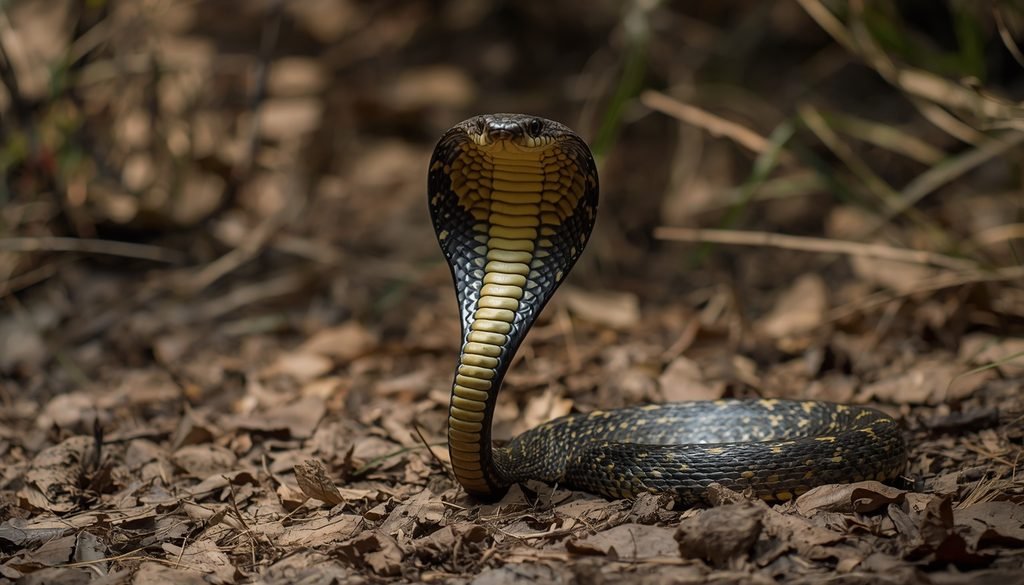
The Indian cobra is a venomous snake native to the Indian subcontinent. It is famous for its expandable hood, which becomes visible when the snake raises the front of its body in a defensive display.
Habitat: Indian cobras occur in a range of environments, including forests, farmland, grasslands, and areas near human settlements.
Diet: They mainly eat rodents, frogs, lizards, and other small animals. Their diet varies according to local prey availability.
Interesting facts: When threatened, an Indian cobra may lift its head and spread its hood to appear larger. This display serves as a warning, but the snake may bite if it feels cornered or cannot escape.
Its venom can cause a life-threatening medical emergency. People should never try to catch or handle a cobra. If one is found near a home, contacting trained local wildlife rescuers is safer than approaching it.
6. Indri (Indri indri)
The indri is one of the largest living lemurs and is found only in Madagascar. It has a short tail, powerful hind legs, and a distinctive black-and-white coat in many populations.
Habitat: Indris inhabit eastern Madagascar’s tropical rainforests, where they climb trees and leap between branches.
Diet: They primarily eat leaves, along with fruits, flowers, and other plant material.
Interesting facts: Indris are famous for their loud, melodic calls, which help family groups communicate across the forest. Their powerful legs allow them to make impressive sideways leaps between tree trunks.
The indri is critically endangered. Forest clearing and habitat fragmentation are major threats because this lemur depends on suitable forest environments. Since it does not survive well in captivity, protecting its natural habitat is especially important.
7. Iberian Lynx (Lynx pardinus)
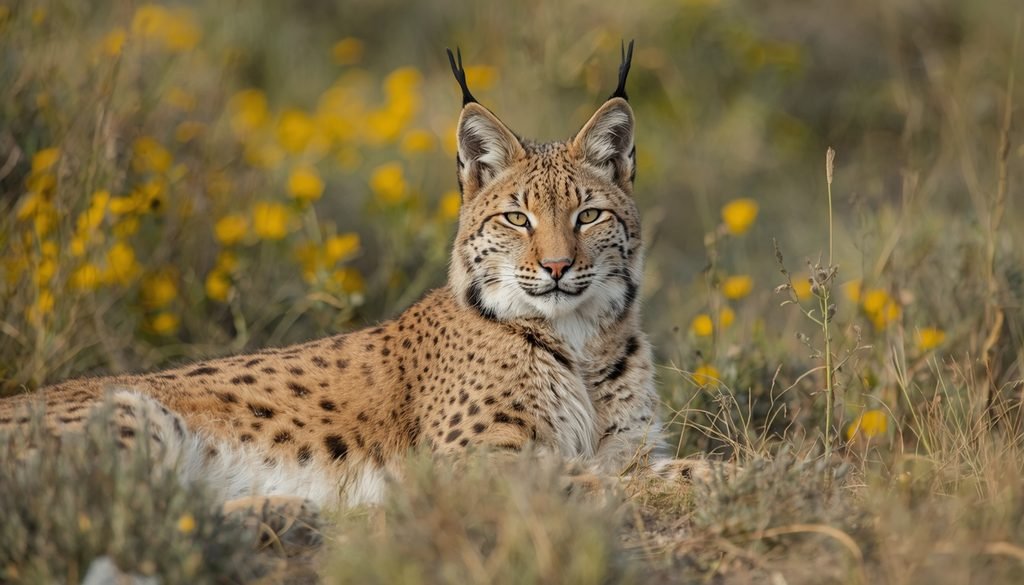
The Iberian lynx is a wild cat native to the Iberian Peninsula in southwestern Europe. It has spotted fur, long legs, tufted ears, and a short tail with a dark tip.
Habitat: It lives in Mediterranean scrubland and woodland, particularly where suitable cover and prey are available.
Diet: European rabbits form a major part of its diet, although it may occasionally take birds and other small animals.
Interesting facts: The Iberian lynx has excellent hearing and vision, helping it locate prey. Its tufted ears and facial ruff give it a distinctive appearance compared with many other wild cats.
The species suffered severe declines because of habitat loss, reductions in rabbit populations, and other human-related pressures. Conservation programs, habitat restoration, and rabbit recovery efforts have supported its comeback, although continued monitoring remains necessary.
8. Ibis (Threskiornithidae family)
Ibises are long-legged wading birds with long, often curved bills. Many species live around wetlands and shallow waters, where they search for food in mud and soft ground.
Habitat: Depending on the species, ibises inhabit marshes, lakeshores, riverbanks, mangroves, grasslands, and coastal wetlands. Some also visit agricultural fields.
Diet: Their food may include insects, worms, crustaceans, small fish, and other invertebrates.
Interesting facts: An ibis often probes mud or shallow water with its bill to locate hidden prey. Different species have different bill shapes and feeding strategies. Some gather in large groups while feeding or roosting.
Ibises play a role in wetland food webs by consuming small animals and moving between feeding areas. Wetland drainage, pollution, and habitat disturbance can affect certain species, making the protection of healthy wetlands important.
9. ʻIʻiwi (Drepanis coccinea)
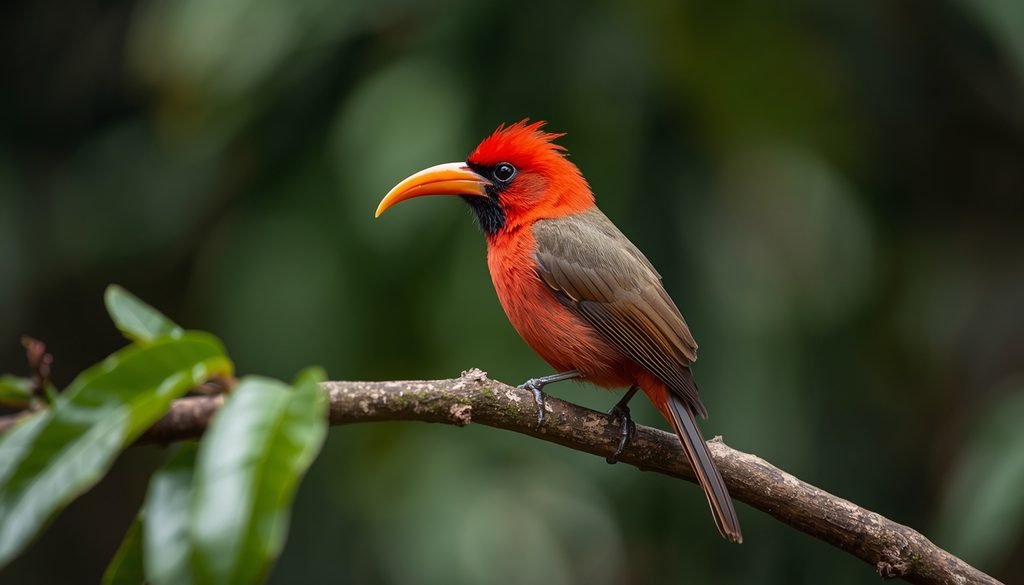
The ʻiʻiwi, also called the scarlet honeycreeper, is a striking Hawaiian forest bird. It has bright scarlet plumage, black wings, and a long, curved orange-red bill.
Habitat: The ʻiʻiwi lives in native forests in the Hawaiian Islands, especially at higher elevations where environmental conditions can offer some protection from mosquito-borne diseases.
Diet: It feeds mainly on nectar from flowering plants and may also consume small invertebrates.
Interesting facts: Its curved bill helps it reach nectar in tubular flowers. As it feeds, it can transfer pollen between flowers, contributing to pollination.
The ʻiʻiwi faces serious threats from habitat change and introduced mosquitoes that spread avian diseases. Climate change may also affect where these birds can safely live. Protecting native forests and reducing disease pressures are important parts of conservation work.
10. Icefish (Channichthyidae family)
Icefish are unusual marine fish that inhabit the cold waters of the Southern Ocean. Some species in the crocodile icefish family lack hemoglobin, the oxygen-carrying protein that makes the blood of most vertebrates red.
Habitat: Many icefish live in Antarctic and sub-Antarctic waters, where temperatures remain close to freezing.
Diet: Their diets vary by species and can include krill, small fish, and other marine animals.
Interesting facts: Icefish survive in cold, oxygen-rich waters using physiological adaptations that help them obtain oxygen. Species without hemoglobin have colorless or pale blood, a remarkable feature among vertebrates.
Not every fish called an icefish has the same biological characteristics. The name is used for several groups, so their appearance, physiology, and feeding behavior depend on the species.
11. Isopod (Order Isopoda)
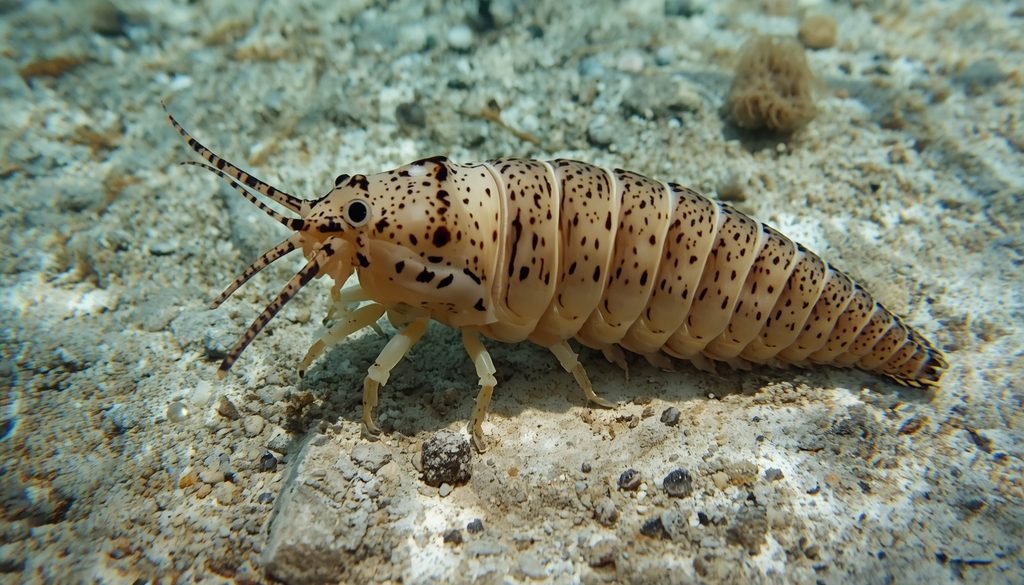
Isopods are a diverse group of crustaceans that includes familiar woodlice on land and many marine species. Some deep-sea isopods grow much larger than their terrestrial relatives.
Habitat: Isopods live in oceans, freshwater environments, damp soil, leaf litter, and other moist places. Their habitats depend on the species.
Diet: Many feed on decaying plant material, algae, or organic debris. Others are predators, scavengers, or parasites.
Interesting facts: Many land-dwelling woodlice have flattened, segmented bodies and hard outer coverings. Some species can roll into a ball when disturbed, although this ability is not shared by all isopods.
Isopods help recycle nutrients by breaking down organic matter. Deep-sea species are adapted to cold, dark conditions and may scavenge remains that sink to the ocean floor.
12. Inchworm (Geometridae family larvae)
An inchworm is the caterpillar of a moth in the family Geometridae. Its name comes from its distinctive way of moving: it arches its body into a loop and then stretches forward.
Habitat: Inchworms occur in forests, gardens, orchards, and other areas with suitable host plants.
Diet: Most feed on leaves, although the preferred plants vary by species.
Interesting facts: Inchworms have fewer abdominal prolegs than many other caterpillars. This body structure produces their characteristic looping movement, which resembles measuring a distance one inch at a time.
They are part of food webs, providing food for birds, spiders, and other predators. Some species can damage garden or crop plants when populations become abundant, but many caterpillars are simply a normal part of healthy ecosystems.
13. Irukandji Jellyfish (including Carukia barnesi)
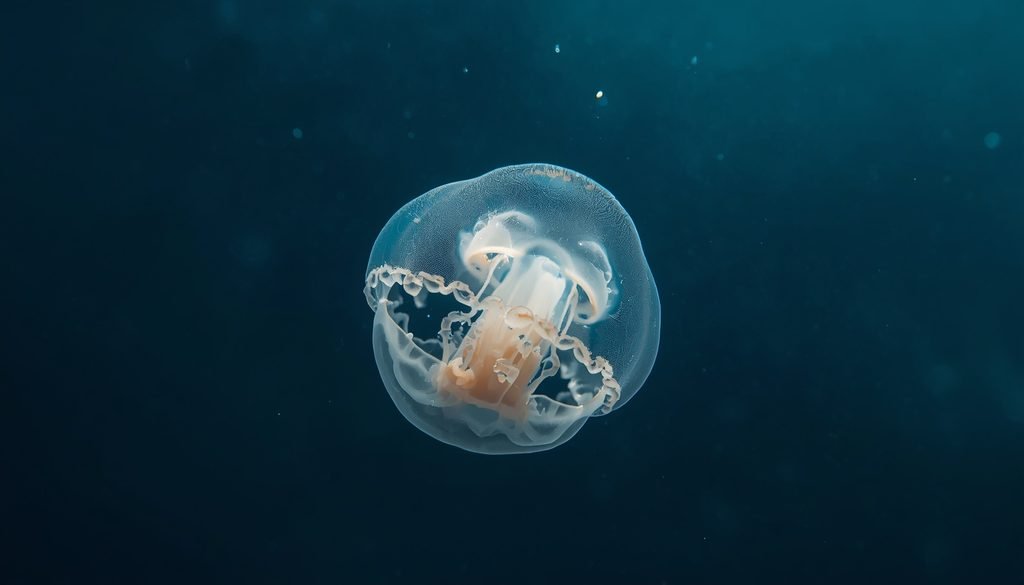
The Irukandji jellyfish is a tiny but medically important group of jellyfish associated with tropical waters, particularly around northern Australia. Despite its small size, its sting can cause a severe condition known as Irukandji syndrome.
Habitat: These jellyfish occur in tropical marine waters, especially around northern Australian coastal regions. Their distribution varies by species.
Diet: They feed on small marine animals, including plankton and other tiny organisms.
Interesting facts: Irukandji jellyfish can be difficult to spot because their bodies are small and often nearly transparent. Their stings may initially seem mild, but serious symptoms can develop later.
Swimmers should follow local beach warnings and jellyfish safety guidance in affected regions. Anyone suspected of being stung and developing severe symptoms should seek urgent medical assistance.
14. Imperial Moth (Eacles imperialis)
The imperial moth is a large, attractive moth native to parts of North America. Its wings are often yellow with brown, purple, or reddish markings, though coloration can vary.
Habitat: Imperial moths occur in forests, woodland edges, and areas with suitable host plants.
Diet: Caterpillars feed on leaves from a variety of trees and shrubs. Adult moths have reduced mouthparts and generally do not feed.
Interesting facts: The caterpillars can become large before they pupate in the soil. Their color and markings may change as they develop, and their appearance can help them blend into surrounding vegetation.
Like other moths, the imperial moth is part of the food web and can serve as prey for birds and other animals. Artificial nighttime lighting may disrupt the behavior of adult moths and other nocturnal insects.
15. Indian Rhinoceros (Rhinoceros unicornis)
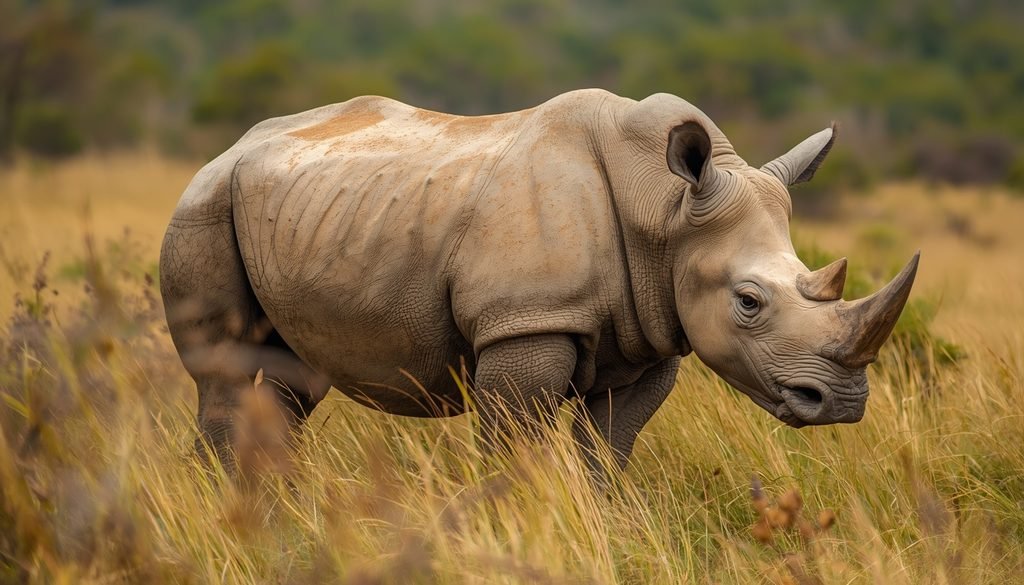
The Indian rhinoceros, also called the greater one-horned rhinoceros, is a large mammal native to the Indian subcontinent. Its thick, folded skin gives it an armored appearance, although the skin is not true armor.
Habitat: It mainly lives in protected grasslands, riverine forests, and wetlands in parts of India and Nepal.
Diet: Indian rhinoceroses are herbivores. They eat grasses, leaves, aquatic plants, and other vegetation.
Interesting facts: Despite its heavy build, the Indian rhinoceros can run surprisingly fast over short distances. It often spends time in water or mud, which helps it cool down and may reduce irritation from insects.
The species has recovered in some areas due to conservation measures, but habitat pressure and illegal poaching remain concerns. Protected reserves and effective wildlife management help support its future.
Why Are Animals That Start With I Interesting?
Animals beginning with I demonstrate the incredible variety of life on Earth. The iguana is adapted for climbing and feeding on vegetation, while the impala relies on speed and jumping to escape predators. The indri uses powerful calls to communicate in Madagascar’s forests, and the Indian cobra has a defensive hood display.
Other species show less familiar adaptations. Icefish survive in extremely cold seas, isopods occupy environments ranging from damp gardens to the deep ocean, and inchworms use a distinctive looping movement. Together, these animals illustrate how anatomy, behavior, diet, and habitat shape survival.
Learning about these species can also highlight conservation concerns. Habitat loss, wildlife trafficking, climate change, pollution, and introduced diseases affect different animals in different ways. Protecting their environments helps preserve the biodiversity that makes the natural world so remarkable.
Read More: What Animal Starts With K
Frequently Asked Questions
What is the most popular animal that starts with I?
The iguana is one of the best-known animals beginning with I. Other familiar examples include the impala, Indian elephant, ibis, and Indian rhinoceros.
What mammals start with the letter I?
Examples include the impala, Indian elephant, indri, Iberian lynx, and Indian rhinoceros. These mammals have very different diets, sizes, and habitats.
What birds start with I?
Birds beginning with I include the ibis and ʻiʻiwi. The ibis is a wading bird found in many regions, while the ʻiʻiwi is a distinctive Hawaiian forest bird.
Are there endangered animals that start with I?
Yes. The indri is critically endangered, and the ʻiʻiwi faces serious conservation challenges. Some populations of other animals beginning with I also face threats from habitat loss and human activity.
What sea animals start with I?
Examples include icefish, isopods, and Irukandji jellyfish. They occupy different marine environments and have very different body structures and feeding strategies.
Conclusion
There are many fascinating animals that start with I, from the familiar iguana and impala to the rare indri and unusual icefish. These 15 examples show how animals have developed different ways to find food, escape predators, reproduce, and survive in habitats across the world.
Whether you are building an alphabetical animal list, completing a school assignment, or exploring wildlife for fun, these creatures provide an interesting starting point. Understanding their characteristics also reminds us of the importance of protecting natural habitats and conserving Earth’s extraordinary biodiversity.
